
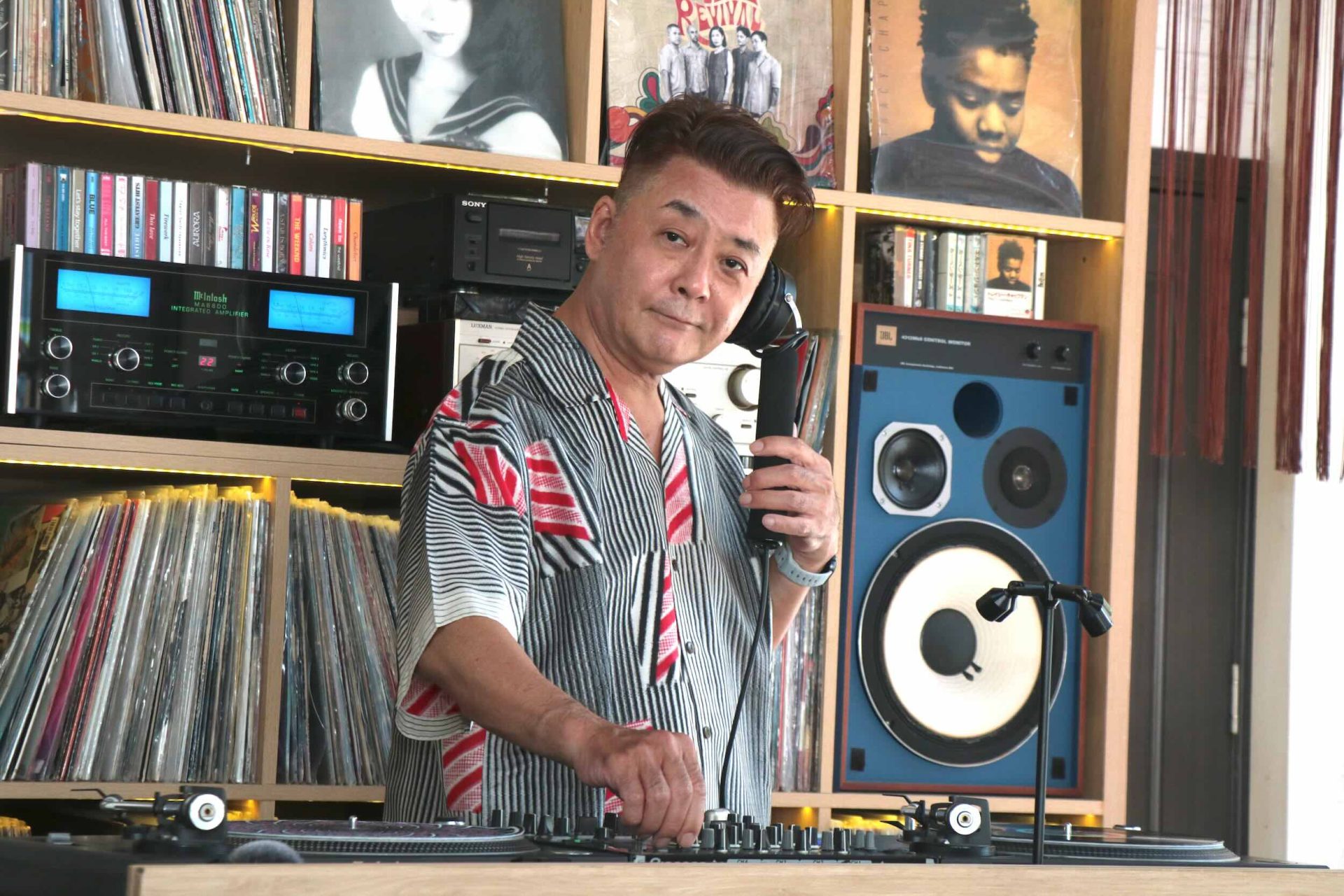
Japanese designer Takayuki Sawamura first came to Vietnam in 1994, drifting through the country with nothing more than a backpack and an instinct for discovery. He expected a brief adventure; instead, he stumbled upon a landscape of possibilities that others had not yet noticed. What he saw—gaps in the market, room for creativity, and a city ready to evolve—pulled him back, and Vietnam gradually shifted from a stop on the map to the place he would build a life.
The Saigon Times: What was your life like before coming to Vietnam?
Takayuki Sawamura: I am originally from Tokyo. Before coming to Vietnam, I spent three years living in Los Angeles and six years in New York. I also traveled extensively across Asia—including Taiwan, Thailand, and Vietnam—which helped me understand what was possible. Japan and New York were highly developed and competitive, while Vietnam was still growing, with market gaps that created opportunities for someone with the right skills and vision.
When did you first come to Vietnam, and what drew you here?
I first came to Vietnam in April 1994 as a traveler—a backpacker curious to see the country. I spent about a month exploring, including Hanoi, before returning to Japan. Initially, I had no intention of living here permanently. But the more I thought about starting a business, the more I realized that Vietnam offered opportunities Japan or New York did not. By October that year, I returned with a clearer idea of exploring business possibilities.
How did you start your first business in Vietnam?
My first venture was in fashion, although I initially considered interior design. I studied fashion in New York and had some contacts in Japan who placed orders. I started producing clothing for export, working directly with local manufacturers. Unlike many designers at the time, I focused on creating modern, practical clothing for daily wear—not just party dresses. Vietnamese fashion was very simple in the 1990s: shirts, suits and traditional ao dai dominated. My modern designs offered an alternative, and people responded positively.
How was fashion in Vietnam then compared to now?
Back in the 1990s, international brands like Zara or Uniqlo were absent. Styles were very uniform, and many women wore ao dai to work in hotels, banks, and post offices. Hair was mostly natural, long, and black—no dyes. My designs brought a modern, practical style for everyday wear, which was quite new.
What challenges did you face in the early days?
Sourcing materials was difficult; high-quality fabrics were scarce. Factories often imported materials for export, so local designers had limited options. Selling fashion domestically was also hard before the Internet. Young designers struggled to fund projects and buy fabrics. These challenges eventually made me shift to handbags and, later, kimono shirts.
Tell us about your handbag and kimono business!
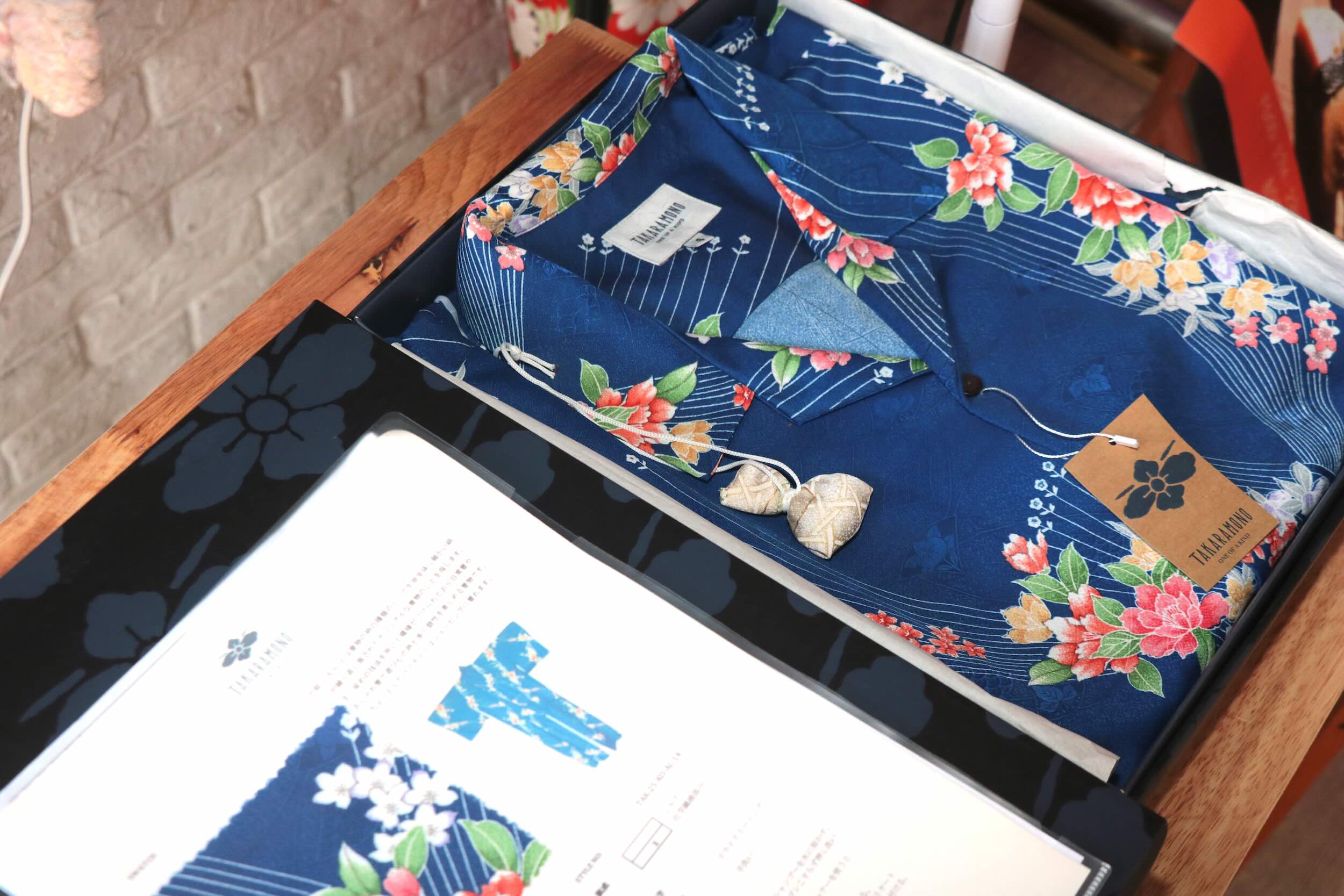
I now focus on high-quality leather handbags, each design unique, with some items fully handmade. I also create kimono shirts using fabrics that are 80–100 years old. These shirts blend Japanese tradition with European influences like Art Deco and Art Nouveau. The designs are practical, airy, and perfect for modern street fashion. I enjoy respecting tradition while making something wearable today. 
How do you adapt to changes in fashion trends?
Handbags are produced continuously, with custom designs for clients. Kimono shirts are timeless; patterns don’t change much, so I can focus on quality and uniqueness. Unlike fashion that constantly chases trends, these projects allow me to combine creativity with tradition.
How do you view designers in Vietnam today?
Many young Vietnamese designers today do not have enough technical skills. They often rely on the Internet to check new designs and look at photos, but they do not know how actually to make garments. They might be able to draw or develop a concept, but basic techniques—such as cutting, sewing, or finishing a product—are lacking. Even with digital tools, this generation has grown up differently, so they are not learning the traditional techniques we used to. I do not ask too many questions upfront when working with them. I let them show me images or examples of what they like, then we work together step by step until the final product meets my standards. It is similar to how a chef might make Pho—you do not explain every step, but you guide them based on results. Many young designers are talented and passionate, but some focus too much on trends or chasing fame rather than quality and originality. Production is easier now, but the market is competitive, and few can sustain creativity long-term. I respect designers who balance innovation with practicality and understand the business side of fashion.
How did your experience in fashion influence your restaurant venture?
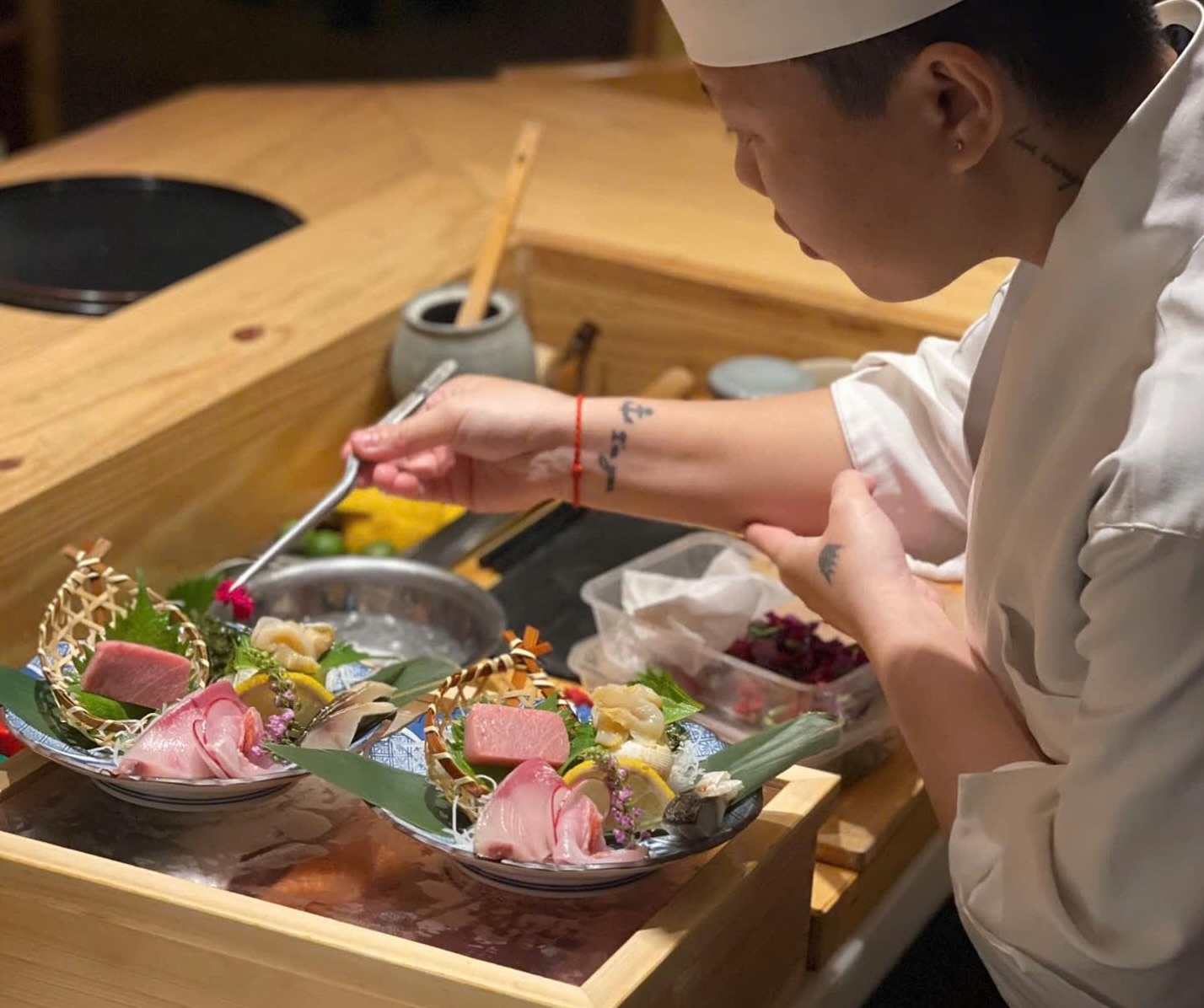
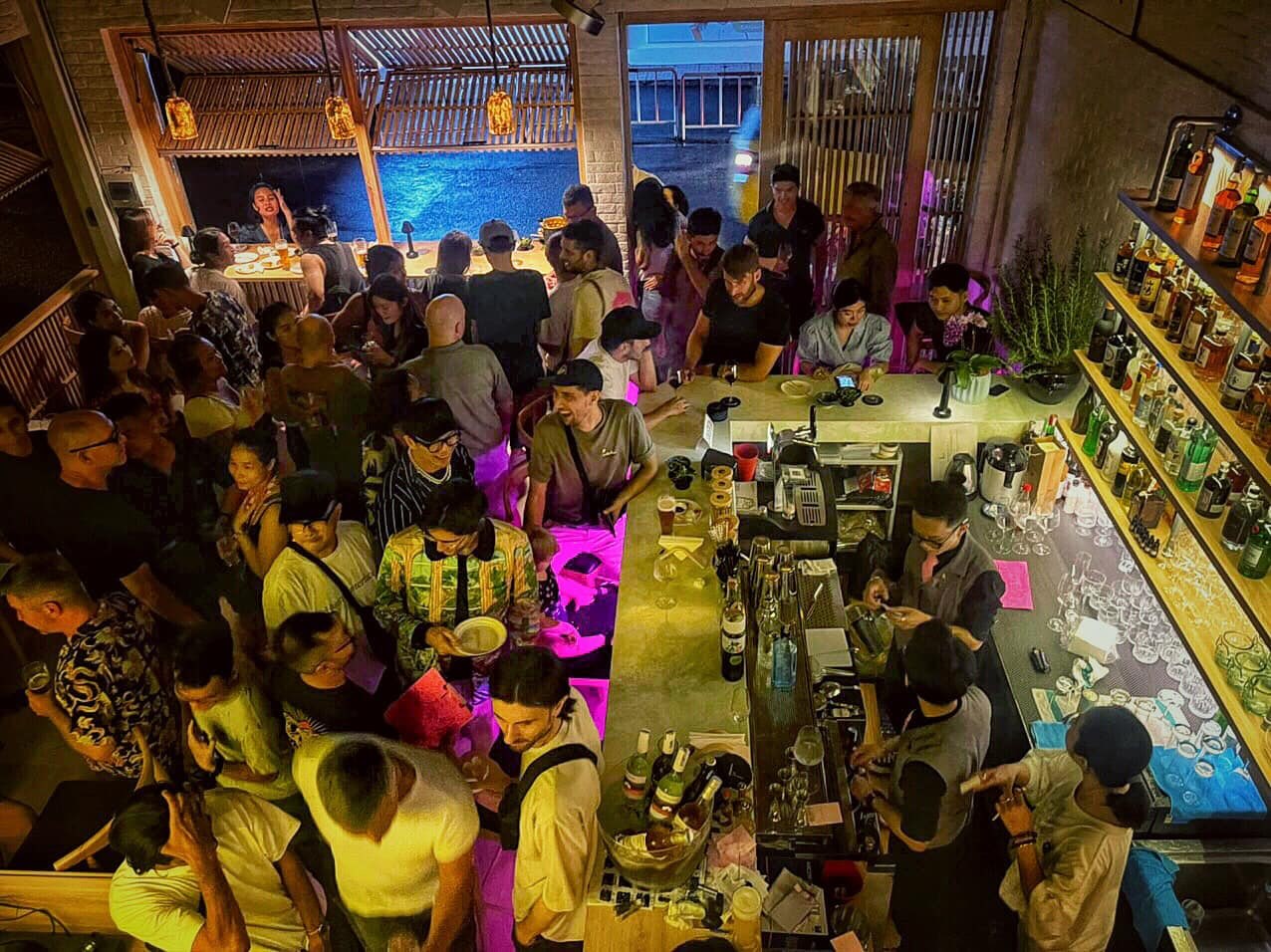
After years in fashion, I eventually expanded into F&B. Today, I run Kanpai Japanese Omakase – Sushi – Bar – Vinyl, located at 44B Ngo Quang Huy, Thao Dien, HCMC. Fashion taught me attention to detail, aesthetics, and customer experience. In the restaurant, the same principles apply: comfort, presentation, and creating a memorable experience. My first café opened in 2003 near Ben Thanh Market. It’s small and hidden, a “hideaway,” which gives guests a sense of discovery. Japanese food is served in family-style portions, adapted to Vietnamese dining habits.
How do you blend Japanese and Vietnamese influences in your restaurant?
While the food is Japanese, the presentation and service are adapted for Vietnamese culture. Sushi, tempura, and eel rice are shareable. The interior combines modern Japanese aesthetics with local comfort: wood elements, subtle lighting, and a cozy but elegant vibe. It feels unique from the moment guests see it.
What are the main challenges for foreigners doing business in Vietnam?
Accessing capital is a major hurdle; local banks often do not lend to foreigners. Having overseas customers is crucial, especially for export businesses. Finding skilled local staff is manageable; Vietnamese employees are fast learners. In design, technical skills are sometimes limited. Patience, understanding local practices, and strong partnerships are key.
How do you see your life in Vietnam?
I feel my life here is a mix of destiny and choices. Coming to Saigon, learning English, starting businesses—all my decisions shaped my path. Vietnam has become home. I have built a life and business that reflect both my heritage and international experiences.
Any advice for aspiring entrepreneurs?
Understand the local culture deeply. Build trust, be patient, and do not expect immediate results. Combine creativity with practicality. And always pay attention to quality—whether in fashion, food, or any business. Success comes when you respect tradition but adapt to modern needs.
Reported by The Ky