
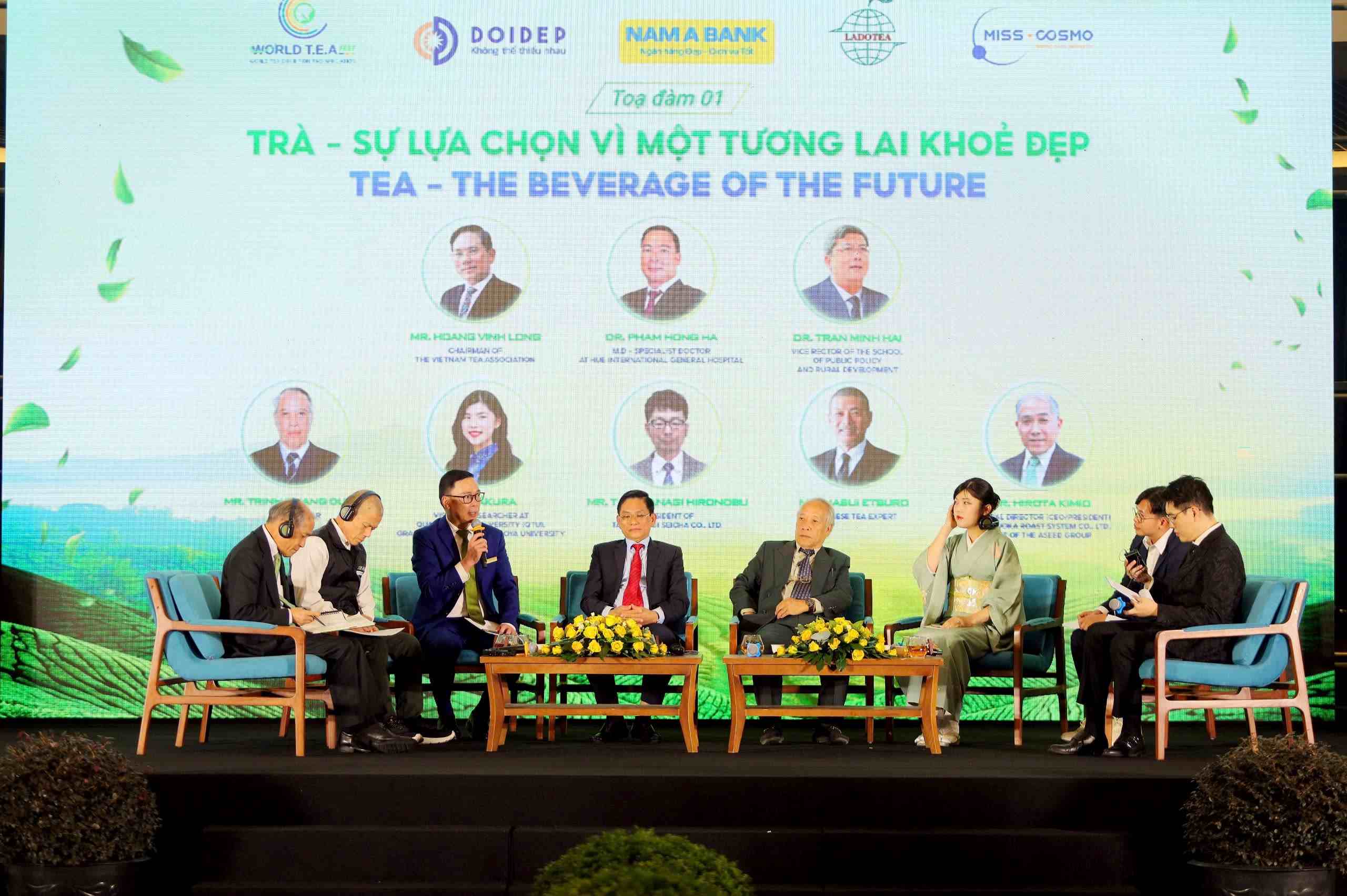
On a crisp December morning at Dalat University, hundreds of students gathered in the auditorium for a discussion far removed from exams, job applications, or the everyday concerns of campus life. Instead, the spotlight shifted to a subject both deeply familiar and increasingly complex for young Vietnamese: cultural identity.
The event, Tea & Talk – Gen Z and Cultural Identity in a Rising Era, was a centerpiece of the World T.E.A Fest 2025, a major cultural program held across Dalat and Bao Loc in Lam Dong Province. While the broader festival celebrated tea heritage, international diplomacy, and industry trends, Tea & Talk turned inward—toward the perspectives, anxieties, and aspirations of Vietnam’s youngest generation.
The gathering captured a generational crossroads. In an era of rapid technological change and unprecedented global cultural exposure, young people are reimagining what identity means. Organizers described the program as a space for reflection, and for many students it became one of the festival’s most resonant and memorable conversations.
A conversation rooted in the present
The session opened with a premise that quickly struck a chord: Gen Z is coming of age in a time of both unprecedented opportunity and mounting pressure. Vu Duc Tri The—an enterprise culture consultant with 15 years of experience, founder and CEO of Alastic, and co‑founder of Workflow Space—emphasized the distinctive strengths of this generation: digital fluency, independence, openness to diversity, and a strong capacity for self‑expression.
Yet these advantages are shadowed by shifting challenges. Rising living costs exert constant financial strain. The relentless pace of digital entertainment can erode focus and long‑term motivation. And the sense of being “left behind” as trends evolve at breakneck speed is all too familiar.
Most strikingly, The observed, this generation is integrating globally even as many individuals have yet to fully define their personal identity. The result, he noted, is a recurring tension between the drive to keep pace with the world and the need to preserve a stable cultural foundation.
Five layers of identity
As the conversation deepened, The outlined what he described as five layers underpinning Gen Z’s cultural identity: humanity, generational traits, national culture, family values, and personal uniqueness. Each, he explained, shapes how young people perceive themselves—and how they situate their identity within Vietnam and the wider world.
Students listened as he dissected personal identity into dimensions such as psychology, physiology, philosophical outlook, professional orientation, and spiritual life. These elements, he noted, account for the individuality that can vary greatly even among peers raised in similar cultural settings.
Technology and globalization are now accelerating these shifts. New habits, value systems, and cultural influences permeate everyday life—from entertainment and communication to social norms. For Vietnam’s Gen Z, the challenge lies in navigating this rapid evolution while holding fast to the cultural values they wish to preserve.
Part of a larger mission
One of the session’s central aims was to explore tea culture through the lens of young people. For many Gen Z students, tea is familiar yet not always a conscious part of daily life. The discussion highlighted how the values embodied in tea—quietness, connection, respect, and sharing—can offer grounding at a time when social and digital pressures grow ever more intense.
Organizers emphasized that Tea & Talk sought to present tea culture not as distant or purely ceremonial, but as a living medium through which tradition can be experienced in accessible, everyday ways. This vision aligns with the broader mission of World T.E.A Fest 2025, which showcased tea heritage through performances, exhibitions, educational programs, and cultural diplomacy.
While Tea & Talk centered on Gen Z, its purpose aligned seamlessly with the broader goals of World T.E.A Fest 2025. The festival was conceived not only as a cultural showcase but also as an economic and educational platform. Alongside performances, exhibitions, and trade programs, organizers highlighted initiatives designed to support future generations and expand knowledge about tea.
These initiatives offered young people opportunities to explore tea‑related careers, understand market trends, and engage with tea rituals and heritage. Tea & Talk advanced those aims by giving students a structured space to reflect on how cultural values intersect with personal growth.
Nam A Bank, a supporter of the event, expressed hope that Tea & Talk would continue to serve as a bridge—helping young people cultivate creativity, embrace cultural values, and strengthen Vietnamese identity in an era of deepening global integration.
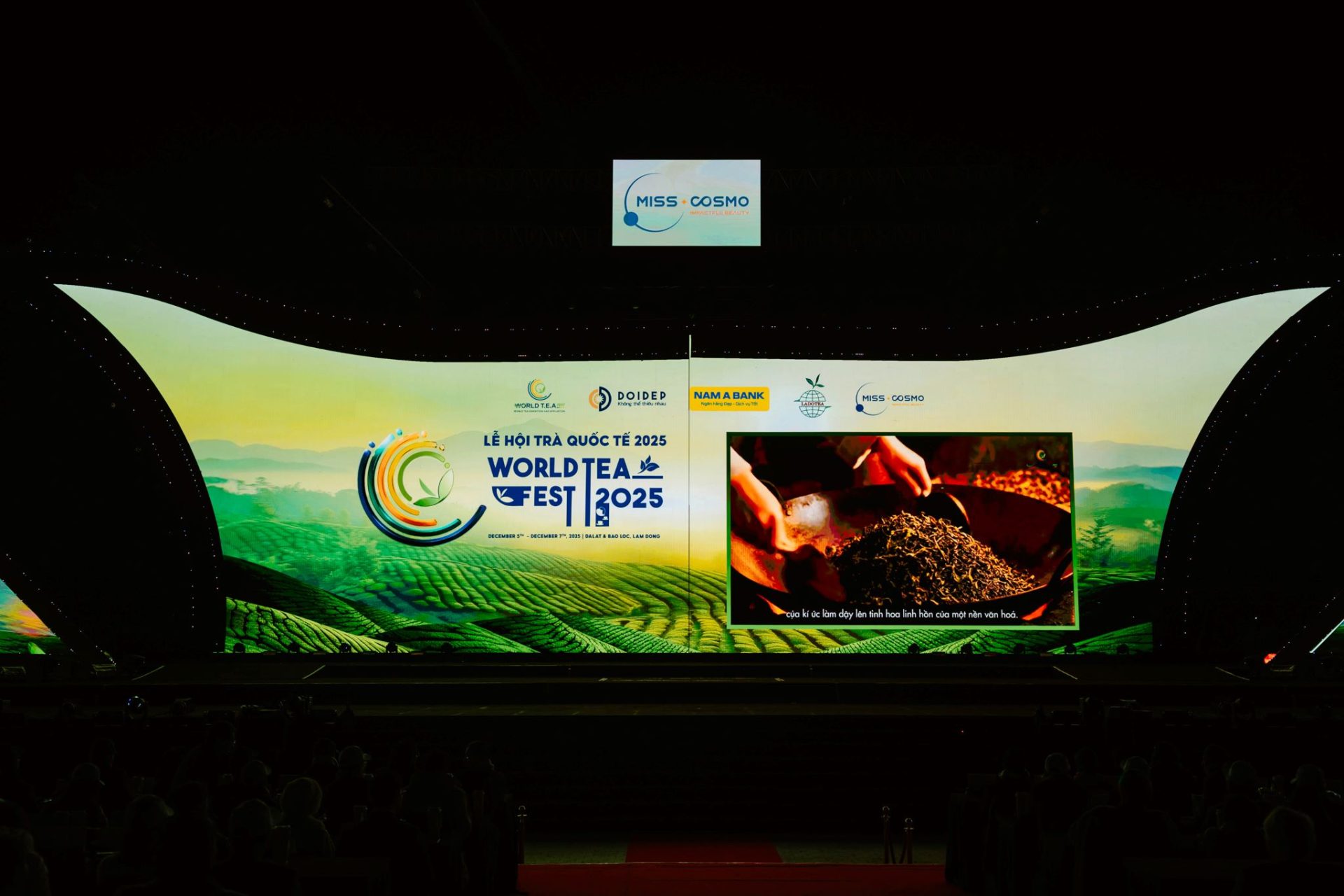
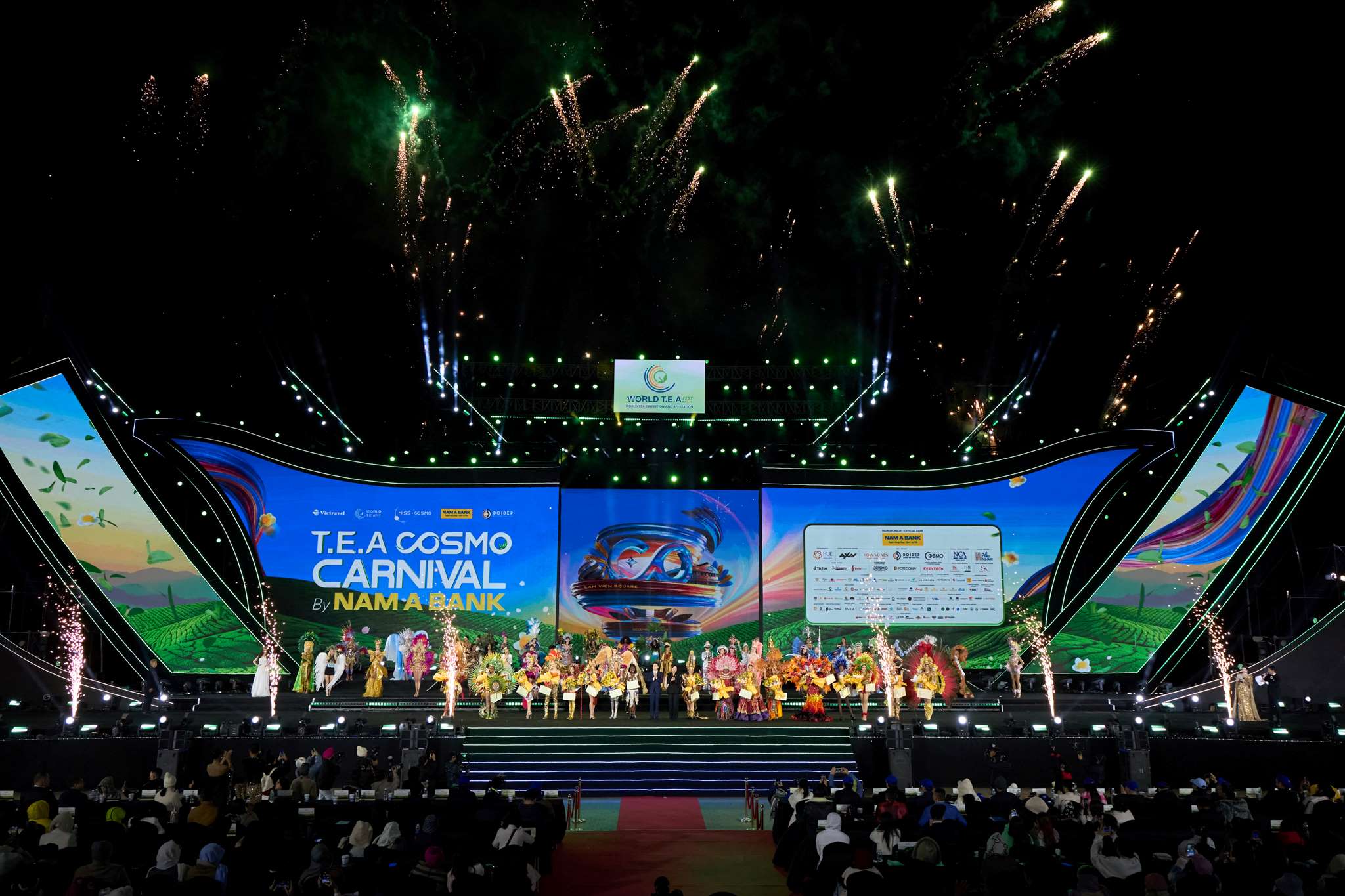
World T.E.A Fest 2025 unfolded from December 5 to 7 in Dalat and Bao Loc, Lam Dong Province, accompanied by nearly a month of extended cultural, economic, and educational activities across the region. According to the organizing committee, the festival drew close to 60,000 visitors and brought together approximately 80 contestants from Miss Cosmo International, more than 60 ambassadors and trade counselors, and 1,111 tea artisans who participated in a synchronized tea‑offering ritual that set a Vietnamese record.
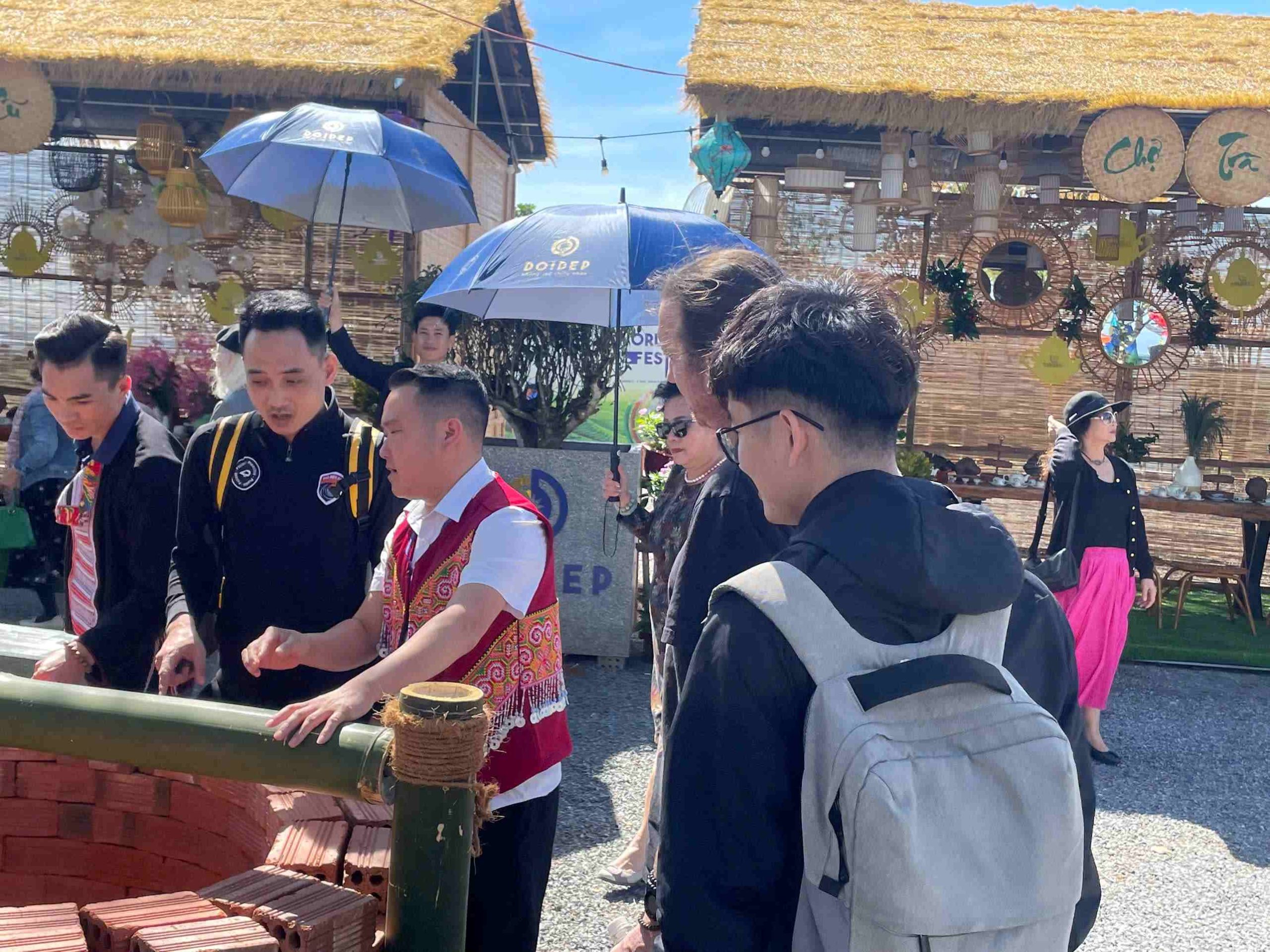
The festival showcased a wide array of large‑scale programs. Highlights included the official opening ceremony at Lam Vien Square in Dalat, a Tea Gallery featuring 1,000 ancient tea trees from renowned tea regions, and the Tea Expo, which brought together brands and producers from Japan, China, France, Malaysia, and Thailand. At Tea Resort Prenn, the Tea Summit convened experts and businesses to discuss market trends, sustainable development, cultural diplomacy, and research on Vietnam’s long tea heritage. Additional events ranged from the Tea Fest at the historic 1927 Tea Factory in Bao Loc, to the Tea Carnival through central Da Lat, and the Gen Tea 2025 competition designed for young participants.
Festival organizers also announced a donation of VND 3 billion to the Vietnam Fatherland Front Committee of Lam Dong Province in support of local social welfare programs. World T.E.A Fest 2025 was jointly organized by Nam A Bank, Doi Dep Brand, Lam Dong Tea Joint Stock Company, and the Miss Cosmo Organization.