
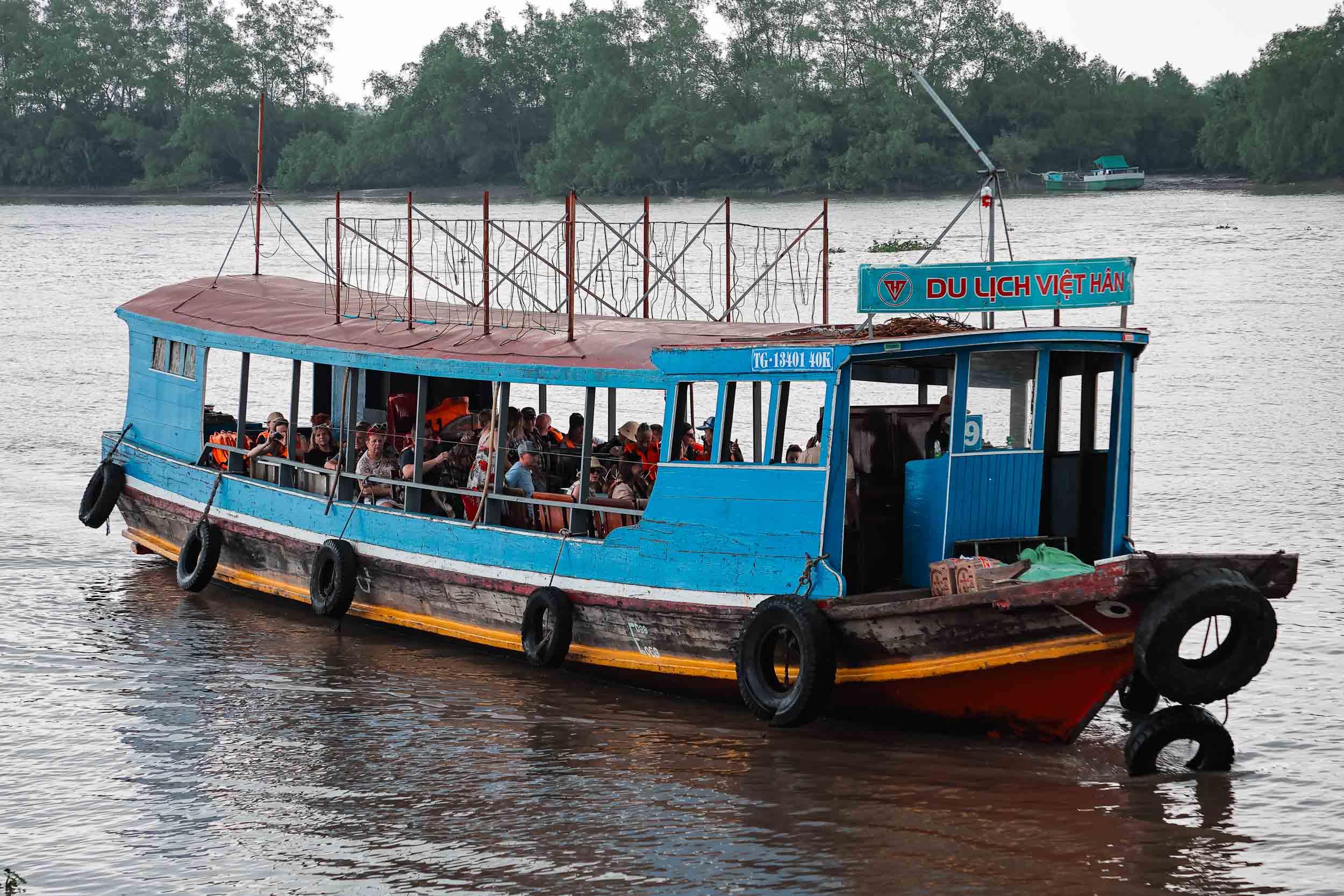
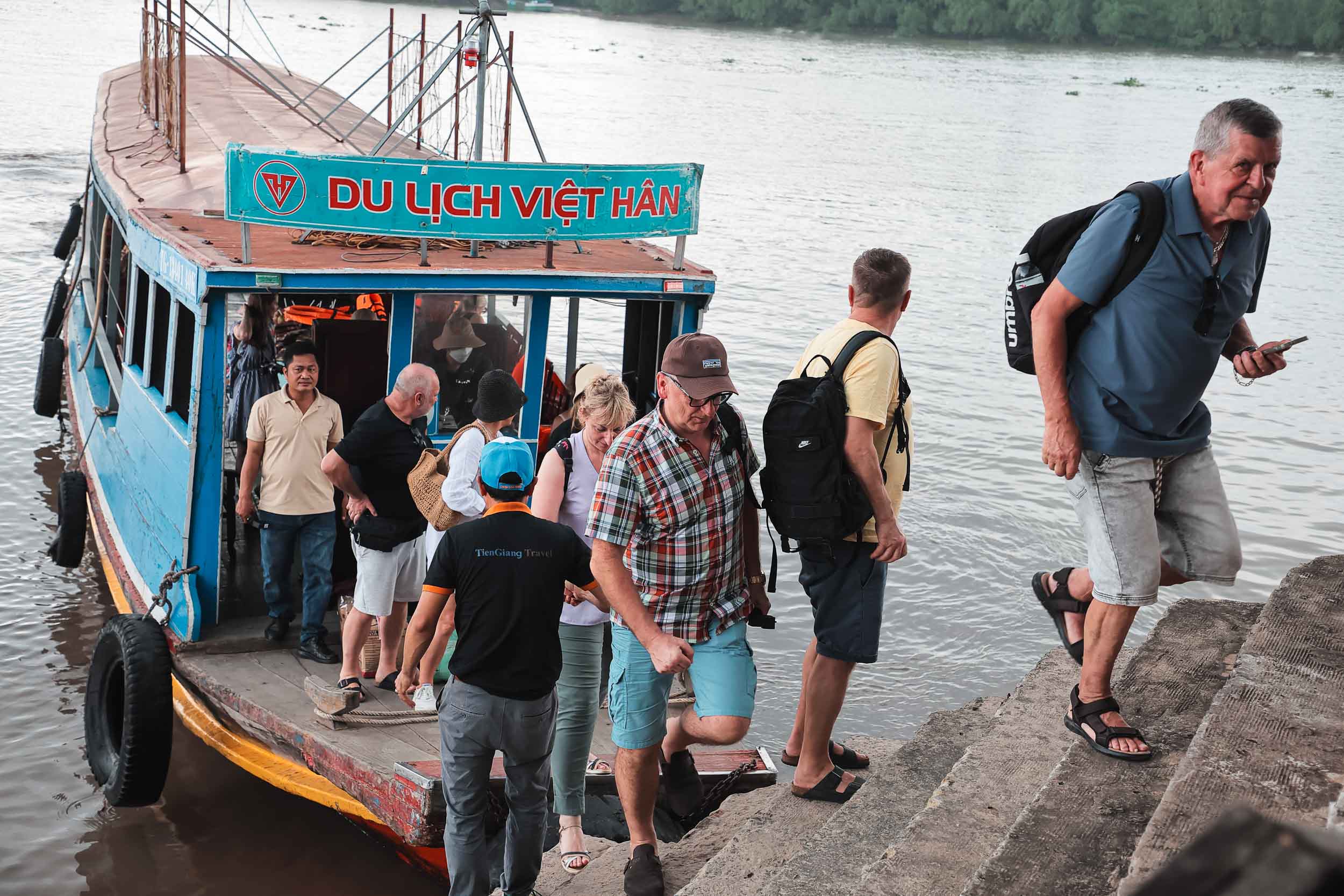
HCMC – A group of tourists from Poland became among the first international visitors to take part in a Lunar New Year (Tet) cultural experience program in Dong Thap Province on February 5, according to local tourism organizers.
The visitors toured destinations in Vietnam’s Mekong Delta and joined hands-on activities designed to reflect traditional southern Tet customs. The program allowed the group to take on the role of local residents rather than observers.
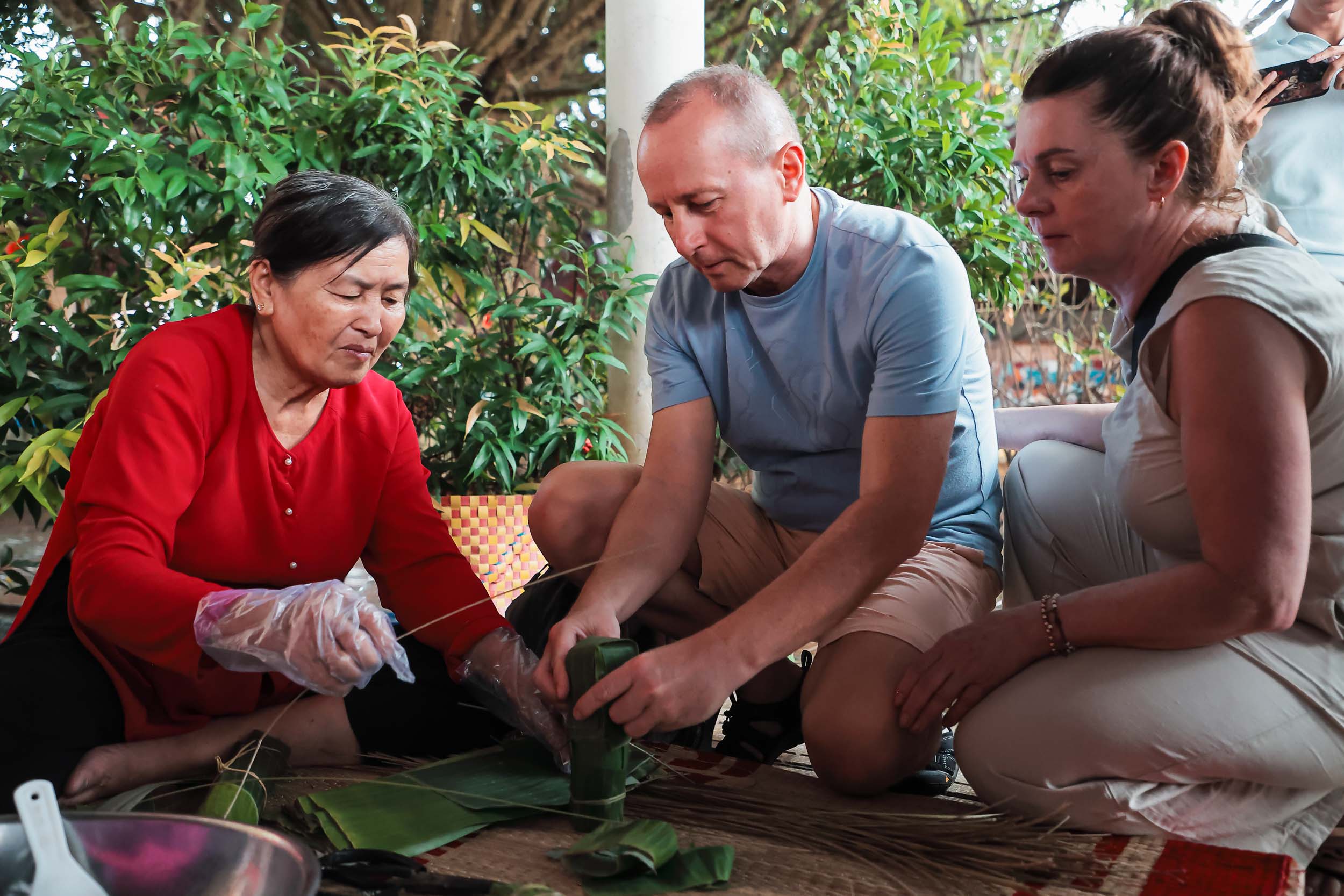
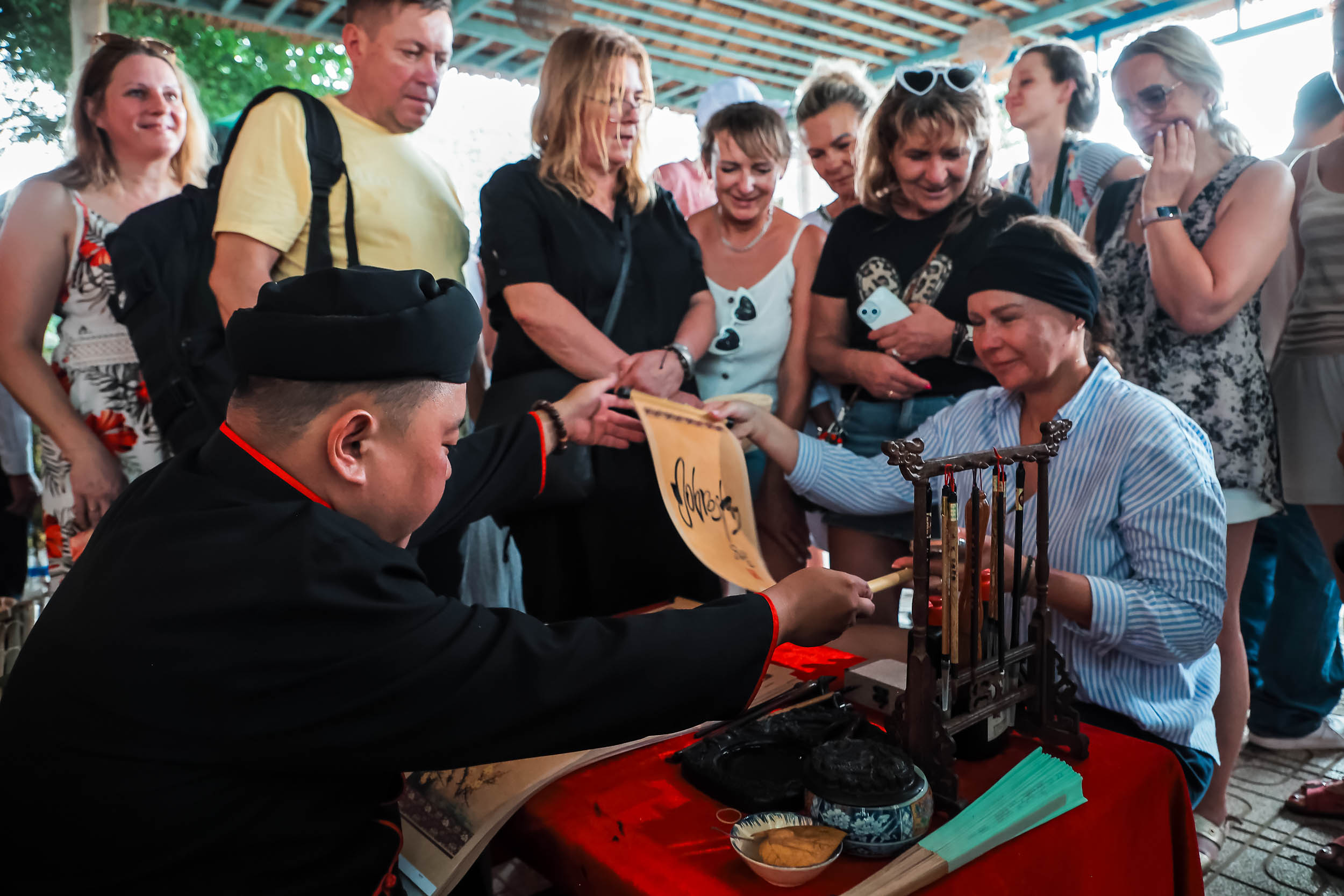
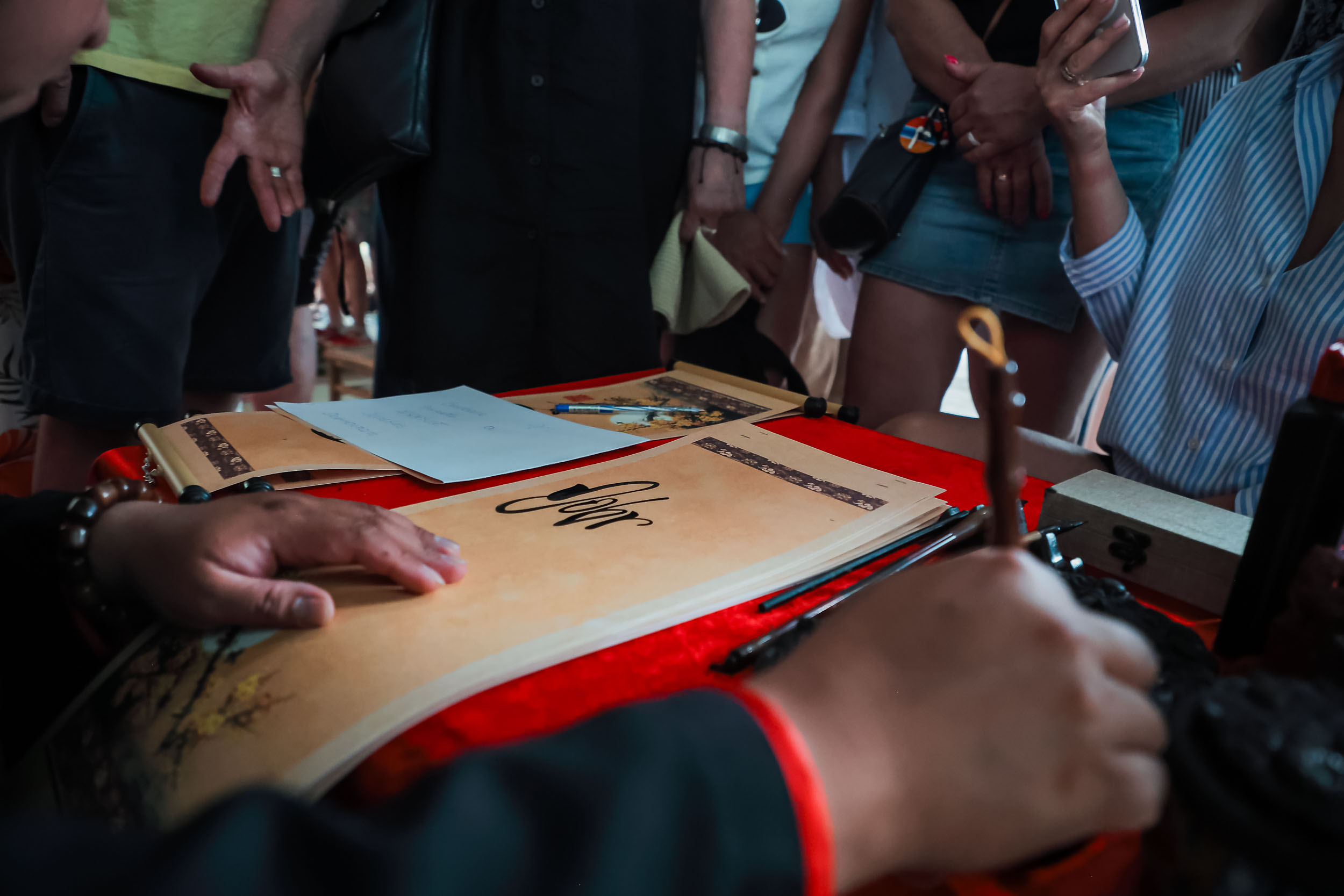
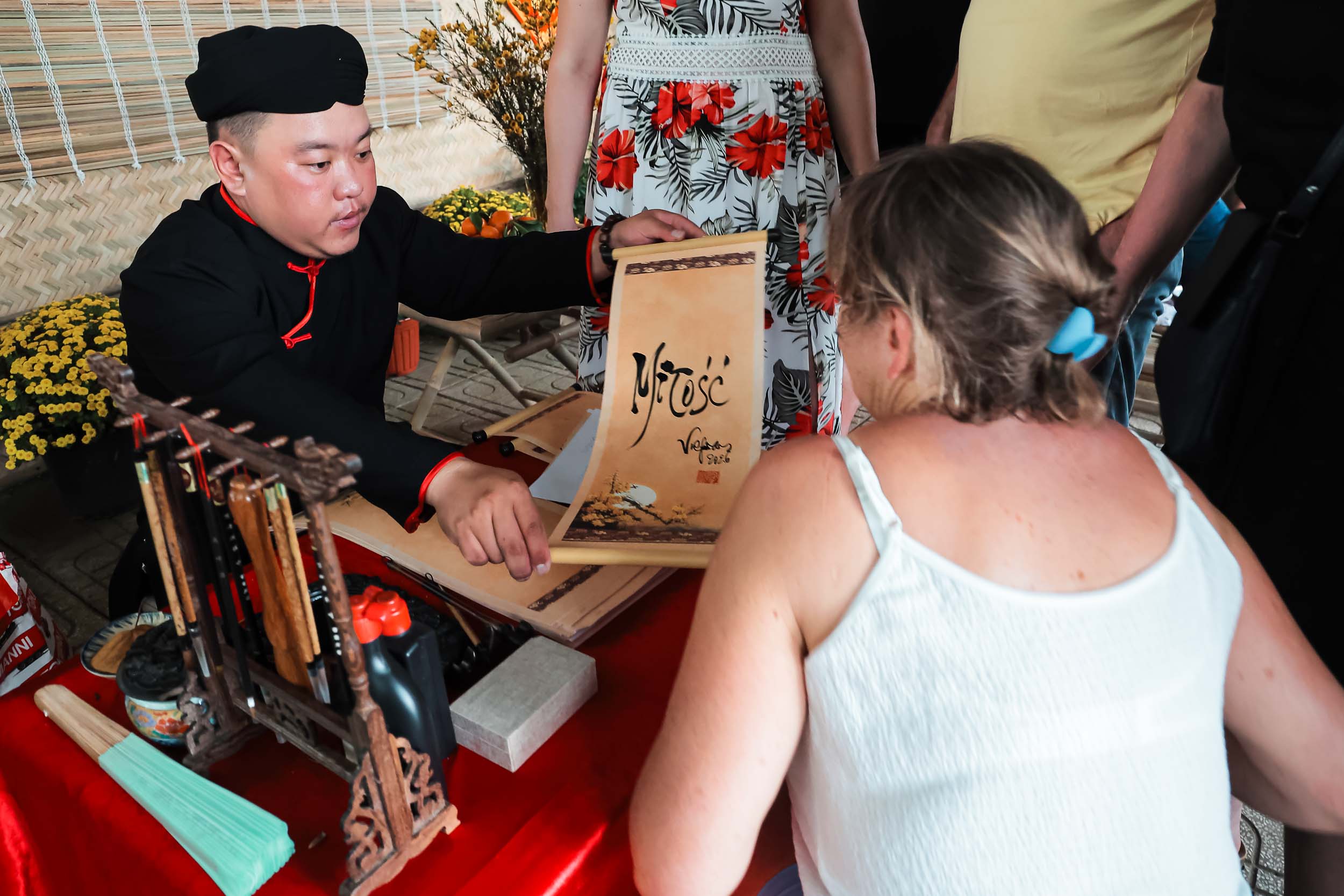
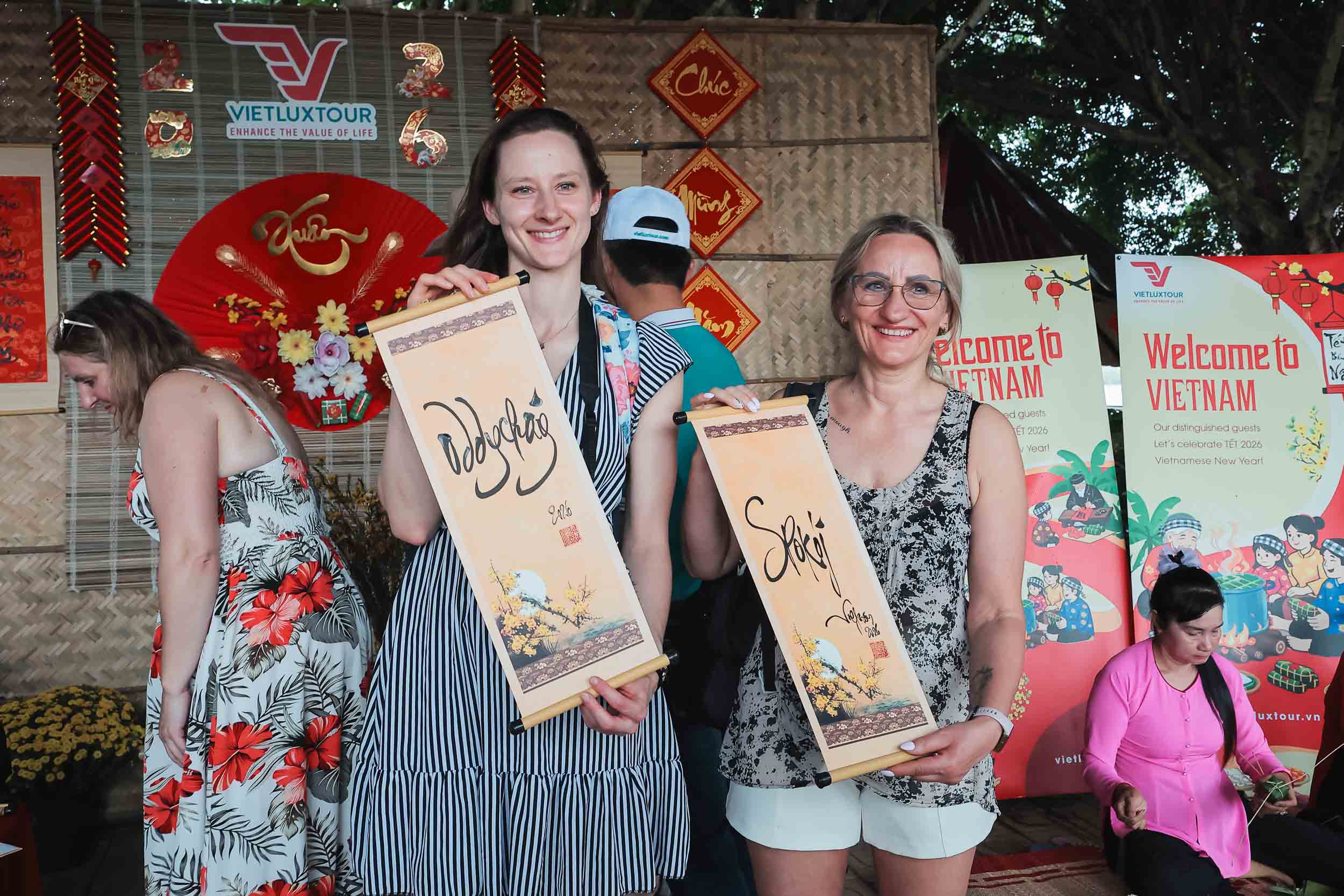
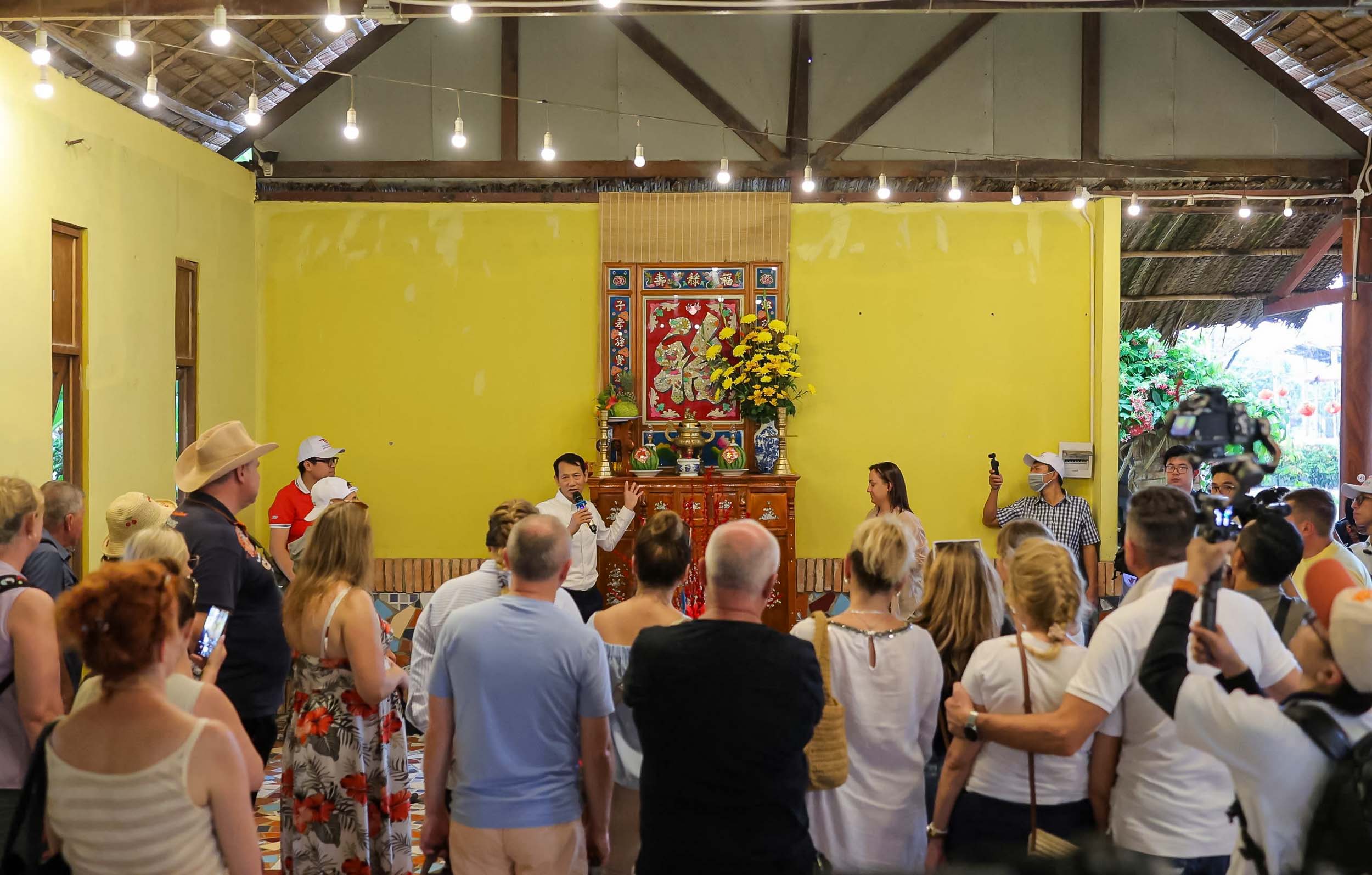
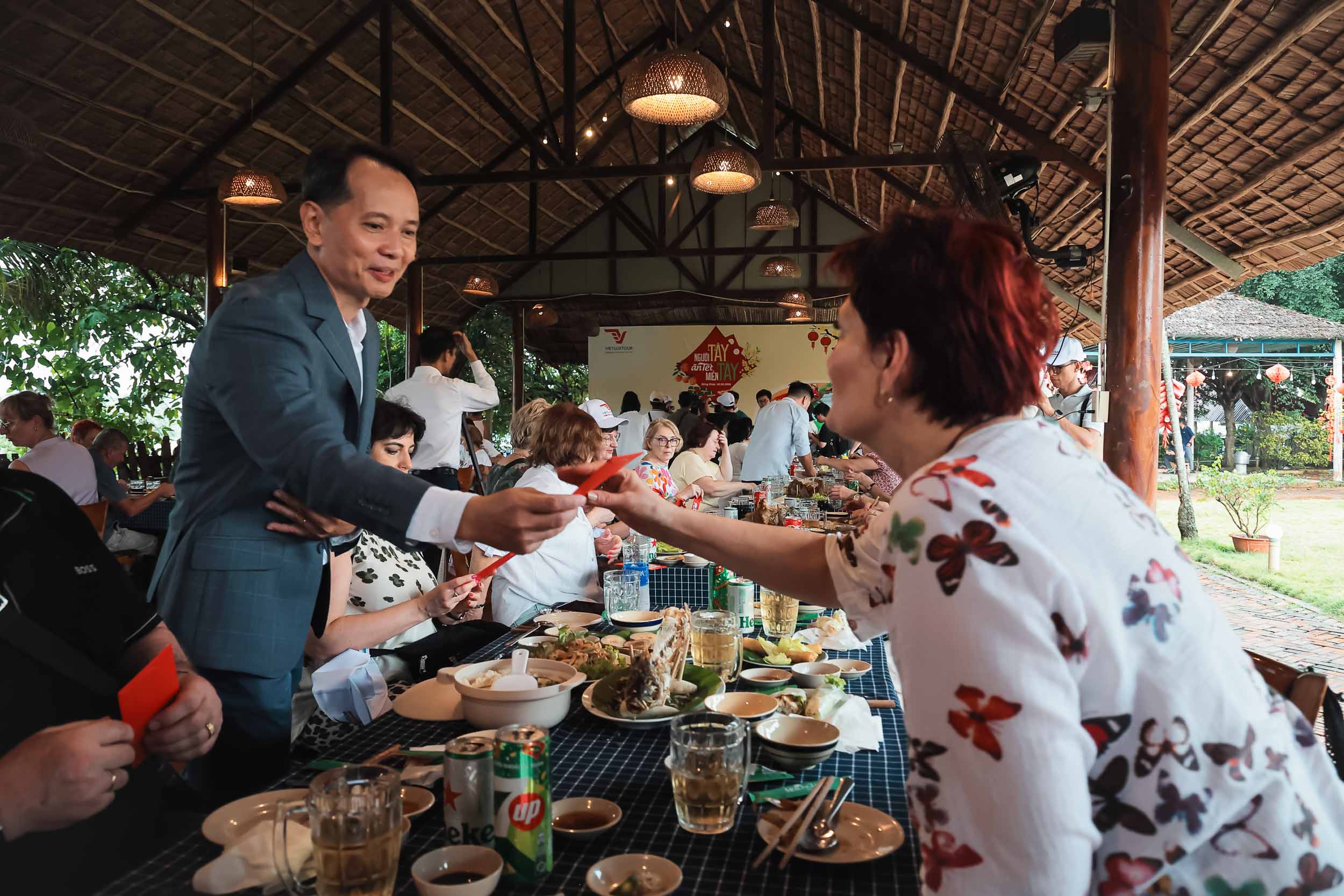
Activities included making banh tet (traditional cylindrical sticky rice cakes), cooking coconut jam, requesting calligraphy for good fortune at the start of the year, and visiting family ancestral altars. The tourists also shared a traditional Tet meal featuring southern Vietnamese dishes.
Tran The Dung, general director of Vietluxtour, said European travelers—especially those in the mid- to high-end segment—are increasingly seeking immersive, locally grounded experiences.
“Many European visitors no longer want to only see landscapes. They want to connect with daily life, food, and festivals,” he said. Vietluxtour has continued to refresh its Tet experience programs to focus on product quality and cultural content rather than price competition, he added.
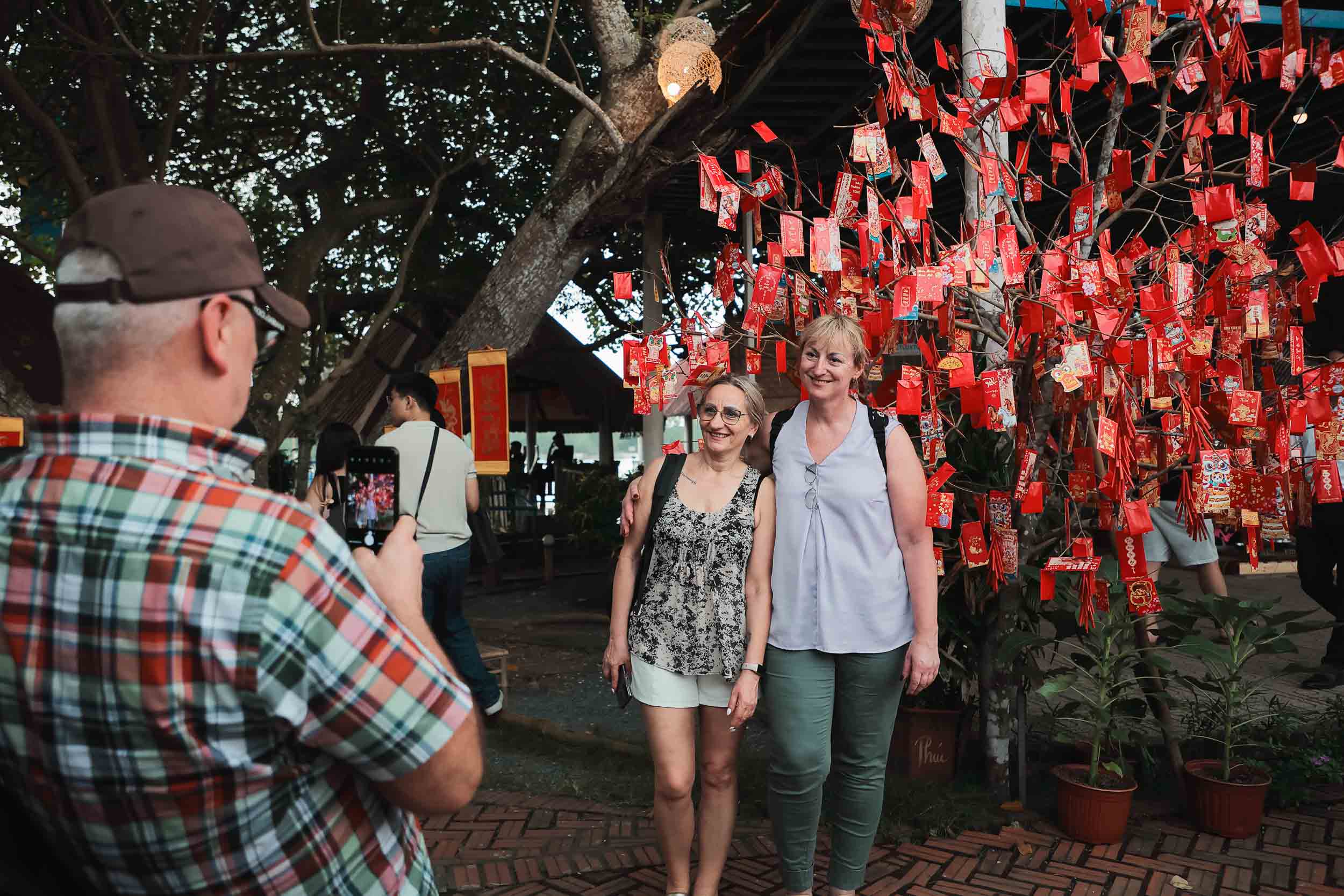
Europe remains a core inbound market for Vietluxtour, accounting for more than 35% of its international visitors. Key source countries include the United Kingdom, France, Germany, and Russia. Poland has emerged as a fast-growing market, with visitor numbers rising by over 45% in 2025, the company said.
Some Polish visitors said the hands-on format helped them better understand Vietnamese traditions.
Miroslaw, visiting Vietnam for the first time, said making banh tet was initially challenging due to unfamiliar steps and ingredients. However, he described the experience as rewarding, especially learning about foods wrapped in banana leaves—something uncommon in Poland. “By using our hands and senses, we understand the culture more deeply,” he said.
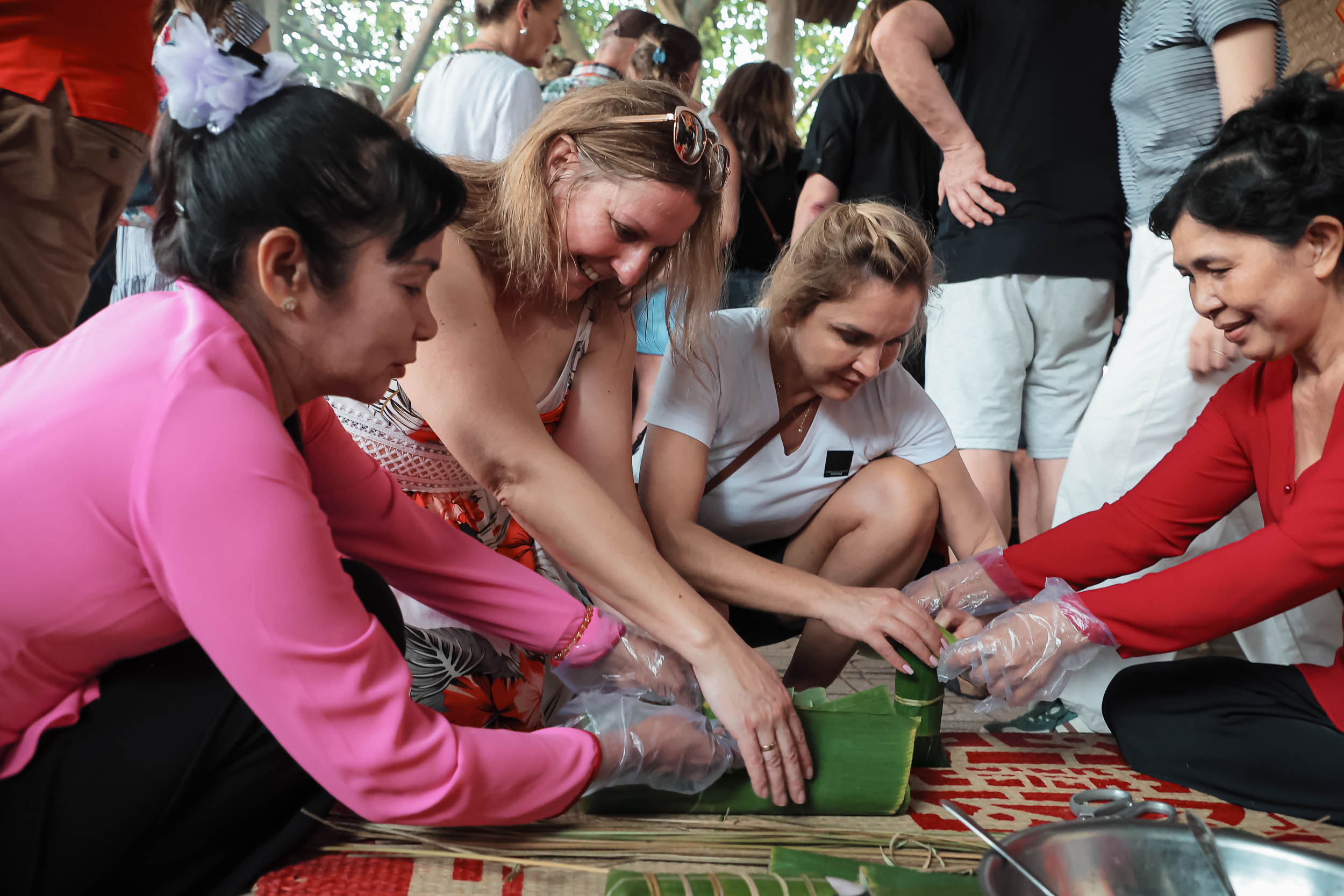
Another tourist, Anita, said experiencing Tet in person was different from what she had seen on television. “We celebrated the New Year in Poland weeks ago. This is something completely new for us, and we are very happy to be here at this time,” she said.
Adrenna, who has visited Vietnam multiple times, highlighted traditional calligraphy as a memorable activity. She said receiving calligraphy works as souvenirs helped visitors take home a tangible piece of Vietnamese culture. She also recommended that international travelers plan visits during the Lunar New Year to experience festive decorations and celebrations.
Vietnam is aiming to welcome around 25 million international visitors in 2026, with total tourism revenue projected at VND1.125 quadrillion, up 11–13% from 2025, according to industry expectations.
Tour operators see culturally immersive programs as a way to attract repeat visitors and strengthen Vietnam’s position in high-value inbound tourism markets.