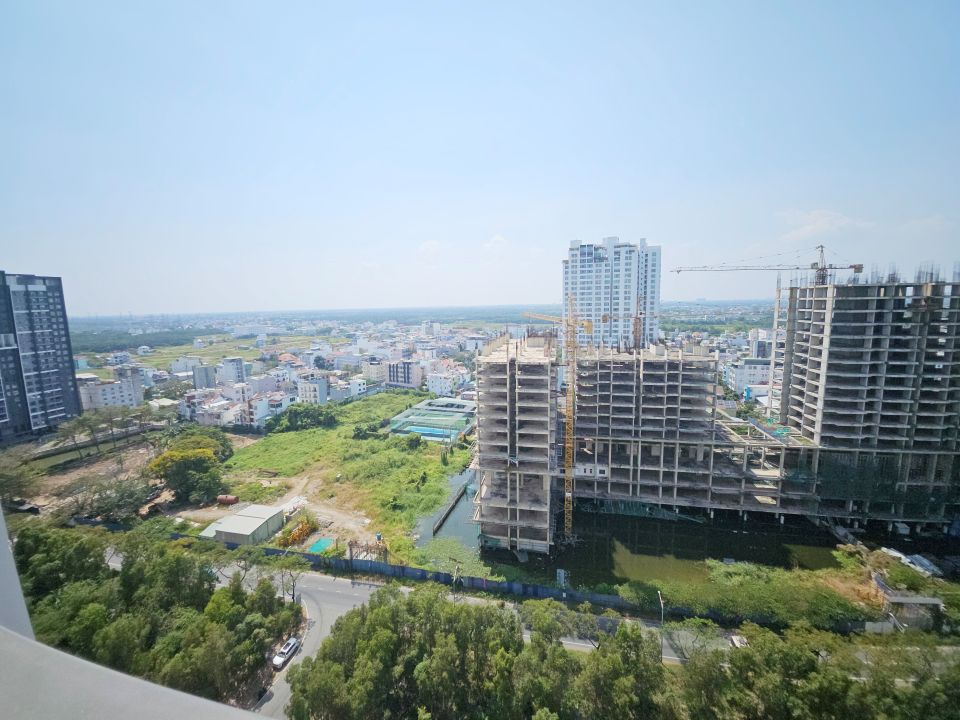
While policymakers have sought to lower interest rates to support manufacturing and economic growth, much of the additional credit has historically flowed into the real estate market rather than productive sectors After years of property prices rising far faster than incomes, Vietnam’s real estate market is now grappling with weakening liquidity and subdued transaction activity, even as housing and land prices remain well beyond the reach of most households. As a result, a significant amount of financial capital has become tied up in land holdings and property projects, reducing the circulation of funds across the broader economy. Meanwhile, many manufacturers continue to face difficulties accessing credit and contend with high capital costs. Amid pressure to support economic growth, the State Bank of Vietnam has recently lowered interest rates and eased some lending conditions for the real estate sector. However, the move raises an important question: will looser credit conditions address the economy’s underlying capital shortages, or merely prolong the property bubble and potentially lay the groundwork for a new asset-price cycle? High interest rates are merely a symptom Recent debates over monetary policy in Vietnam have often revolved around a familiar question: whether interest rates should continue to be lowered […]
Breaking the vicious cycle
By Assoc. Prof. Pham The Anh