
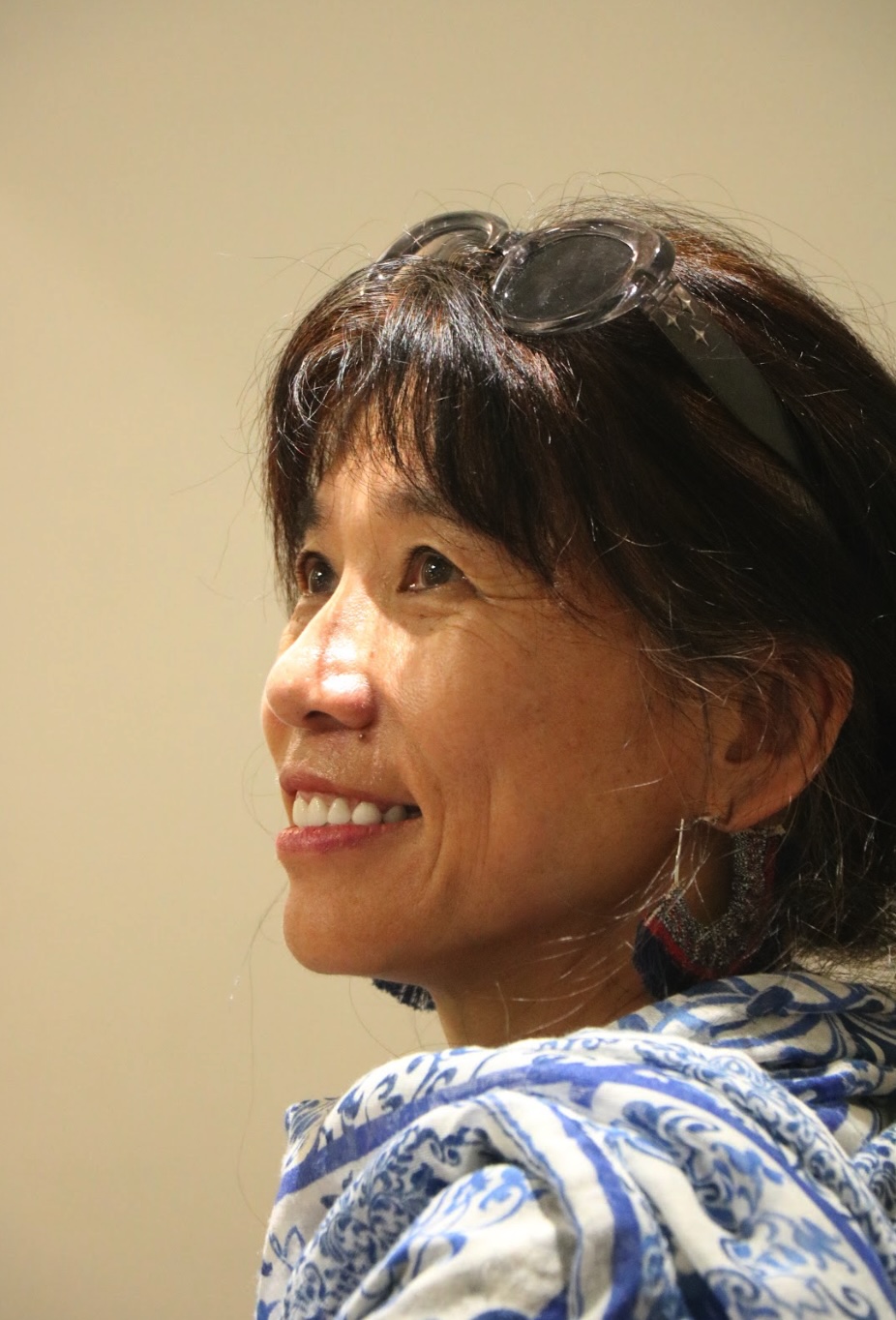
She was born in the south of France, raised in Paris, and spent years travelling the world—from the polite streets of Japan to the sprawling campuses of the United States. Yet, for My Holland, Vietnam was never a place she left behind. In her own words, Vietnam is not a return, but a homecoming—a place where her mission takes root, ideas bloom, and curiosity is never at rest.
The Saigon Times: Many people say they “come back” to Vietnam. But you once said you never really left. What did you mean by that?
My Holland: I don’t really like the expression “coming back,” because it suggests that Vietnam was something I left behind. For me, that’s not true. I was born in France, so technically I didn’t grow up here. But Vietnam was always present in my life—emotionally, culturally, internally. My parents left Vietnam in 1952, so Vietnam existed for me through stories, memories, silences, and emotions rather than through geography. It wasn’t a place I knew physically, but it was something I carried. So when I eventually came here, it didn’t feel like a return. It felt more like a continuation—like filling in a missing layer of understanding.
You’ve lived in France, Australia, and many other countries, yet you’ve spoken about never fully feeling settled. How did those experiences shape your sense of belonging?
I’ve lived in many countries. I adapted, integrated, learned languages, and built a life elsewhere. But there was always a part of me that didn’t fully settle. In France, people would tell me my French was “almost perfect,” even though I was born there. In Australia, where I lived for more than twenty years and where my children were born, people would still ask me where I was from. Those moments made me realize that belonging is not always granted, no matter how long you stay.
When you finally chose to live in Vietnam, what did the country give you that you couldn’t find elsewhere?
Vietnam is the place where all these layers finally make sense together. My Vietnamese heritage, my Western education, my life experiences—they coexist here rather than contradict each other. Vietnam allows complexity. It doesn’t ask me to choose one identity over another. When I first came here in 1986, it was a shock. I saw poverty I had never witnessed before—people lining up for soup with nothing but broth. That image stayed with me for years. My mother was deeply affected because she remembered Vietnam before 1952. That experience anchored Vietnam in something very real, very human, not romanticized. Later, when I chose to live here permanently, Vietnam gave me something I couldn’t find elsewhere: energy. People try. They don’t overthink failure. You can have an idea today and act on it tomorrow. There is a sense that it’s never too late to begin again. That permission matters enormously.
People say Vietnam is dynamic. But what does “dynamic” mean to you?
I think everyone who comes to Vietnam notices the same thing: everything’s possible. I love that mindset. When someone says no, it doesn’t mean it’s impossible. If you have an idea, you can make it happen. If you want to start a business, you can do it. It’s not the same in Australia, where I lived for 24 years. There, starting a business requires public liability insurance and many other steps. In Vietnam, you have an idea—go and do it. Starting my own company in my 50s, EQuest Asia, is a perfect example. We work with organizations to help them identify and manage workplace risks such as stress, burnout, overwork, and low motivation, while supporting sustainable high performance from teams. It’s been incredibly fulfilling to bring my experience in leadership, emotional intelligence, and positive psychology into a real-world context here. Here, I feel the energy from the people, and it feeds me. You give, but you also receive. Vietnam energizes everyone. Ideas don’t stay small—they grow in this creative environment. I’ve traveled a lot, but I can’t find that anywhere else. It’s contagious. I really like that spirit of freedom.
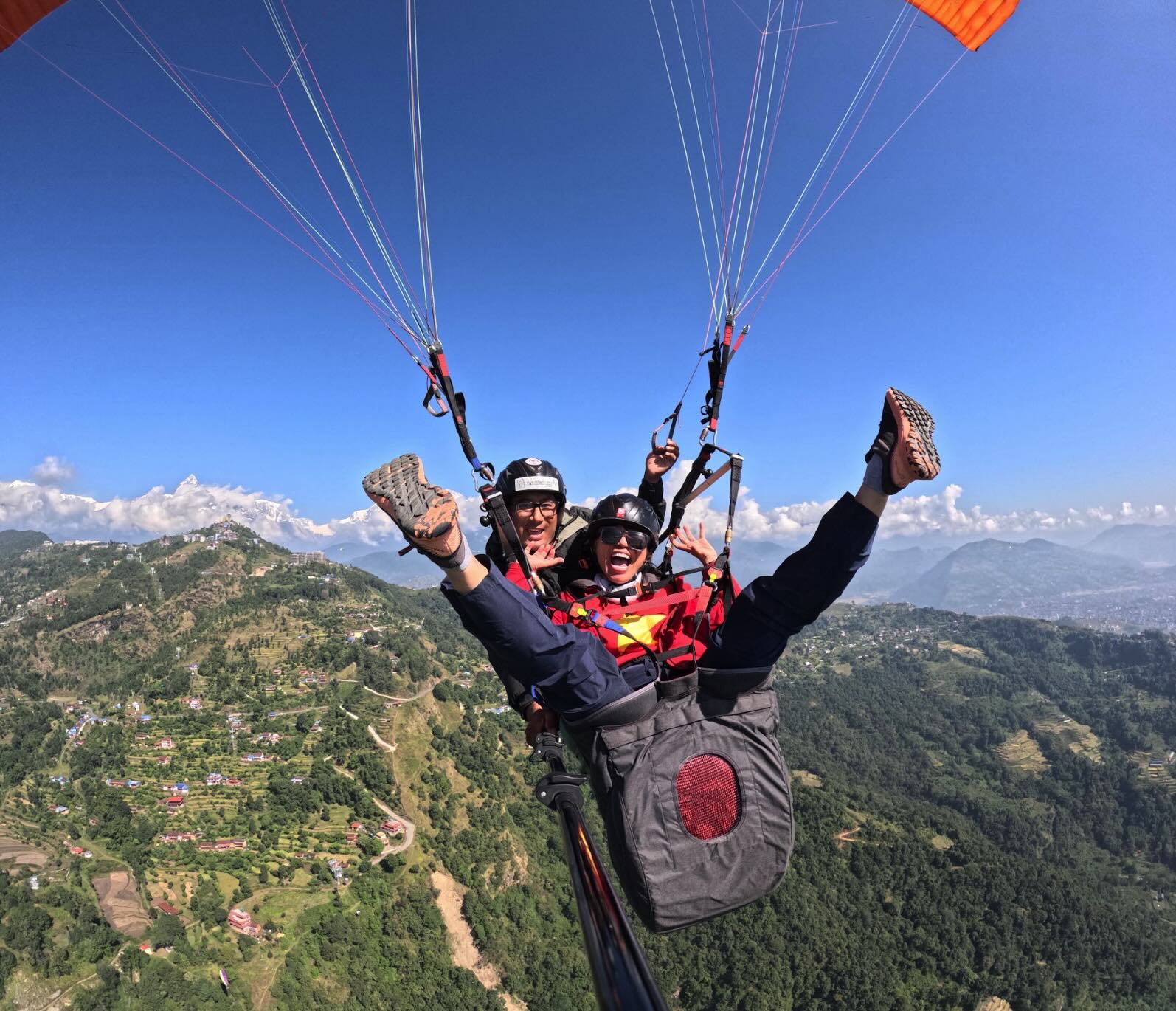
You often connect physical movement with mental health. Why is that so important to you?
For me, physical movement and mental health are inseparable. I’ve always been very sporty, and people often underestimate how much that shapes the way I think and feel. In Australia, I used to go to the beach four times a week—but it required planning, driving, and time. In Vietnam, movement is simply part of daily life. I practise Japanese martial arts like kendo and iaido, boxing, and gym workouts. It’s accessible, affordable, and constant. I studied neuroscience and positive psychology, and one thing is very clear: if you don’t train the body, it’s hard to train the brain. Movement keeps me mentally fit as much as physically fit. Martial arts especially demand presence—every movement requires focus, precision, and awareness. That trains mindfulness and teaches the brain to stay in the moment.
Can you give an example of what you mean by exercising the brain?
Sure. How many of your friends actually read a physical book, turning pages one by one? That’s very different from reading digitally. A real book allows you to pause, reflect, even write notes. Screens emit blue light, which affects the eyes and brain, and you may feel like you’ve read, but you haven’t fully digested the content. Reading a magazine or newspaper physically allows true reflection. Writing with a pen and paper improves memory. Typing doesn’t connect the hand and brain the same way. Using a real pen helps retention.
You’ve emphasized the importance of women’s voices to inspire others. Why is this such a central focus for you, and how are you pursuing it?
Empowering women isn’t just work—it feels like my calling. I believe I was born to help women realize their potential and understand their own growth. That’s why I started working with UN Women in Hanoi. My role is to act as a bridge between the private sector and UN Women, helping companies partner with the organization and commit to SDG5 and ESG goals to advance women’s empowerment. I want every initiative to have an impact, showing women examples of others succeeding and owning their lives. Whether mentoring, creating discussion platforms, or facilitating programs, my goal is to amplify women’s voices and help them recognize their agency.
How do you help private companies in Vietnam translate commitment to women’s empowerment into real, measurable impact?
Many companies want to make a difference but don’t know where to start. We guide them step by step—through campaigns, media engagement, school programs, or conferences. Some companies want to partner with organizations like Blue Dragon to educate girls in northern Vietnam but may lack practical know-how. Our team helps design programs, monitor progress, and measure outcomes. We emphasize actionable steps, not just signing commitments. We also collaborate with partners like Vietnam Airlines against Gender-Based Violence on campaigns such as the 16 Days Against Gender Violence, bridging intention and implementation. By providing guidance behind the scenes, we enable sustainable change that genuinely benefits women.
What are your future plans?
We have exciting projects ahead. One meaningful initiative is organizing retreats for executive women from overseas in locations like Halong Bay. These retreats allow participants to experience Vietnam’s beauty and engage with local initiatives empowering women. The goal is twofold: showcase Vietnam’s people, culture, and opportunities, and challenge outdated perceptions of the country. By connecting women from around the world to stories of resilience, creativity, and leadership in Vietnam, we hope to inspire action in their own lives and organizations. Ultimately, it’s about creating a ripple effect—sharing knowledge, providing tools, and demonstrating that when women have choices and support, they can transform communities.
Reported by The Ky