
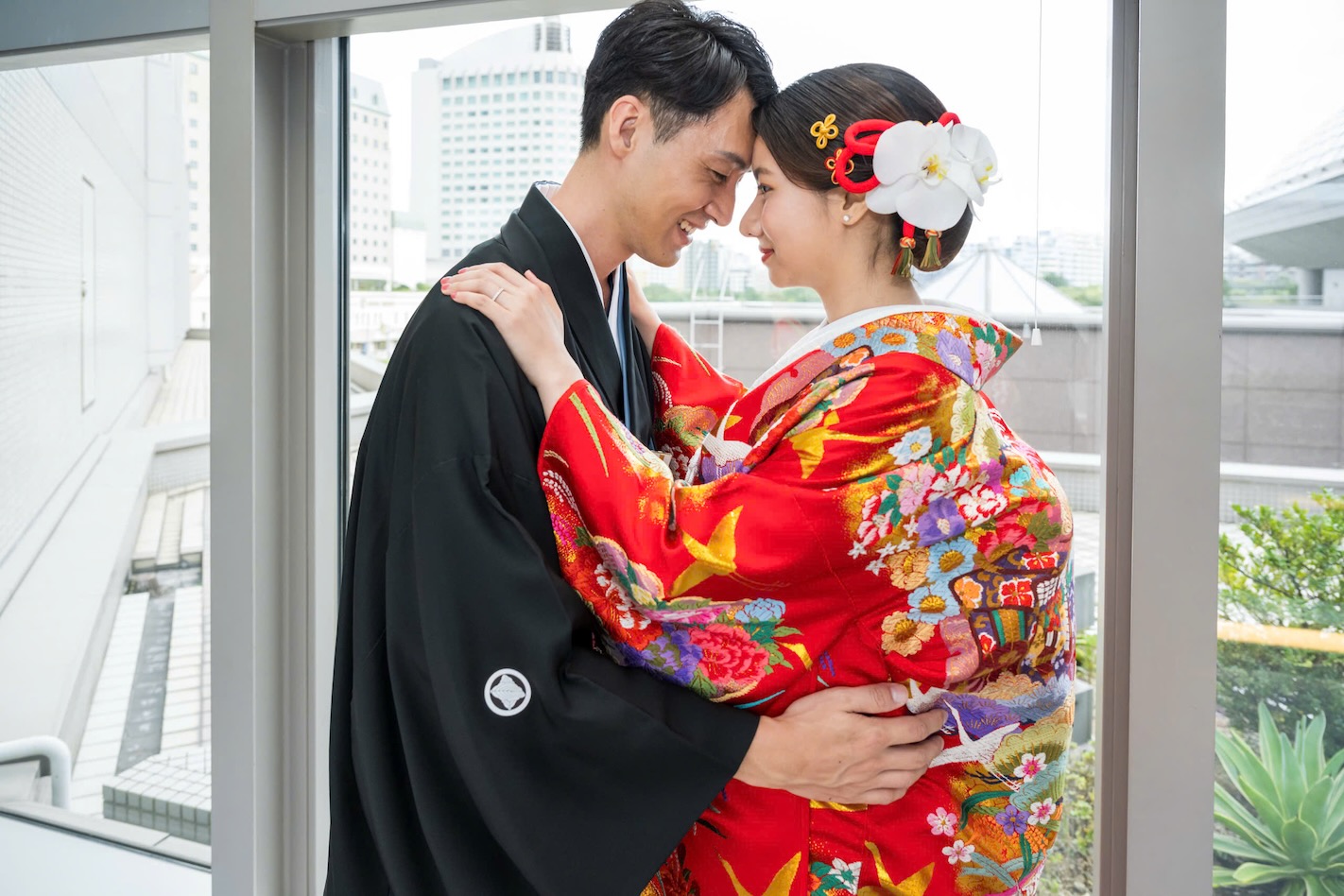
HCMC was not a place either of them once called home — not for Dinh Thuy Linh, who grew up in the hilly city of Dalat, nor for Tsuji Kota, a Japanese expat drifting through from Chiba. Yet it was here, in a city that hums, swerves and rarely sits still, that their paths converged and a quiet story began to take shape. Speaking to The Saigon Times, the couple reflects on the life they now share and the unlikely decision to anchor a cake shop in Vietnam’s most fast-moving metropolis.
The Saigon Times: How did the two of you first meet, and what made your relationship grow from that very first encounter?
Tsuji Kota (Kota): It was pure serendipity. I was actually working as an expat in Hanoi at the time and had just flown into Saigon for a weekend trip. That’s when our paths crossed. Linh decided that our first meeting shouldn’t just be a date, but a tour of Saigon’s vibrance. We started with coffee at the iconic Landmark 81 to take in the skyline, followed by an authentic Vietnamese dinner. But what truly captivated me wasn’t just the view or the food—it was Linh herself. The way she introduced the culture and conveyed her deep, genuine love for Vietnam to a foreigner like me was mesmerizing. I was immediately impressed by her spirit, and that shared appreciation for this country became the foundation of everything we’ve built since.
What made you choose Vietnam as the place to live, work, and eventually build a life together?
Dinh Thuy Linh (Linh): For us, Vietnam is synonymous with opportunity. We chose to build our life here because we see a country that is vibrant, flexible, and full of untapped potential. Unlike fully mature markets that can sometimes feel rigid, Vietnam offers a dynamic environment where you can truly innovate and pivot quickly. We deeply believe in the economic growth trajectory here; you can feel the energy in the streets—everyone is striving for something better. We didn’t just want to witness this growth; we wanted to be active participants in it. We are betting on Vietnam’s future because we know this country is only going to grow stronger, and we want to grow alongside it.
At what moment did you realize that you could not only love each other but also become business partners?
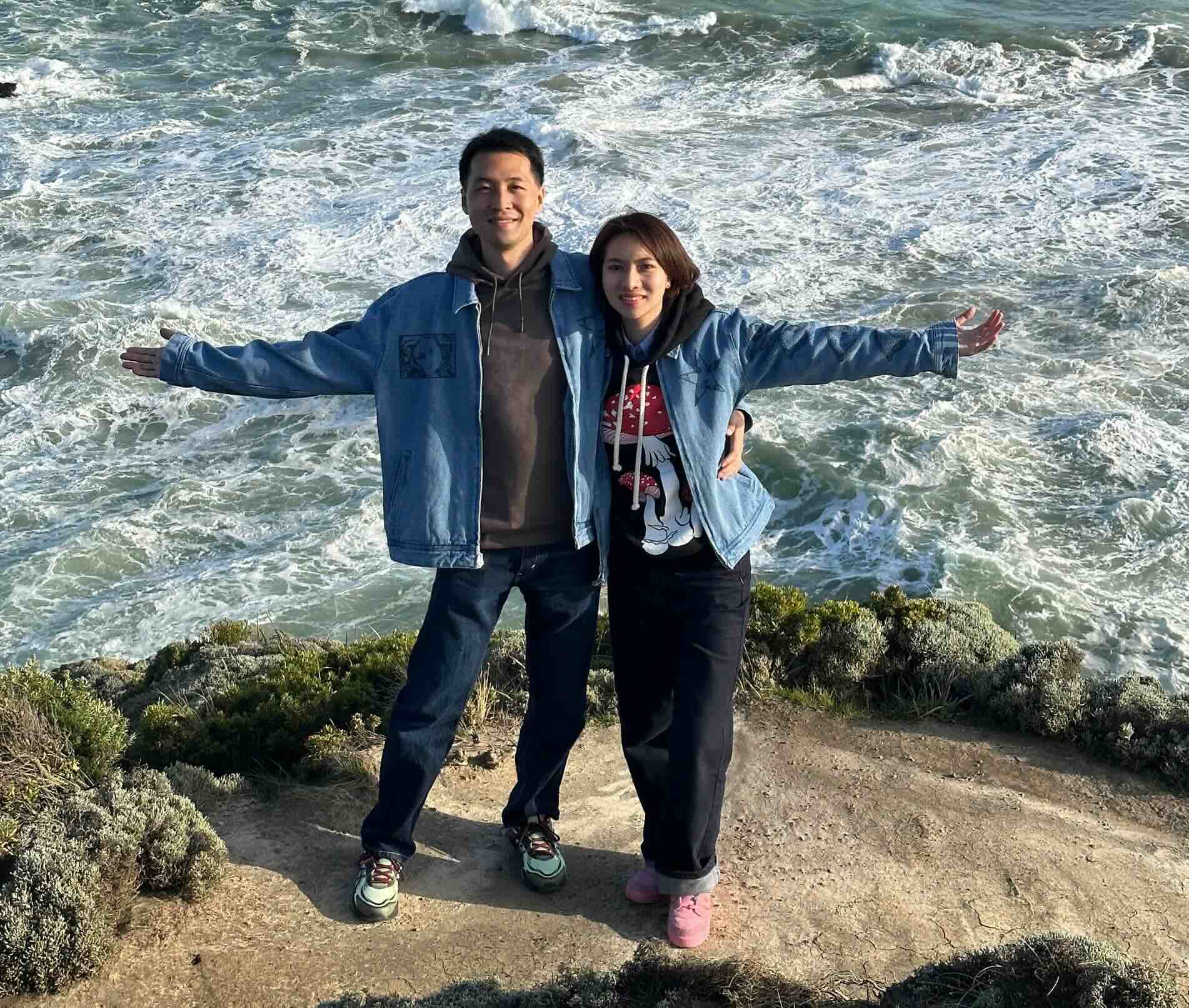
Linh: Love definitely came first; the business evolved naturally from our shared passions. The turning point was a trip we took together to Japan. We spent days exploring bakeries and realized that in Japan, cake culture is very mature—it’s a daily language of care, a common way to show appreciation. We had a ‘lightbulb moment’: why not bring that high standard of Japanese quality to Saigon, but elevate it by fusing it with the incredible diversity of Vietnamese ingredients? We didn’t just want to open a shop; we wanted to make high-quality cakes accessible to everyone here. Our goal is for our cakes to be a vehicle for caring, both for treating oneself and for connecting with loved ones.
What made both of you decide to open a bakery and drink shop in Thao Dien, of all places?
Kota: Thao Dien wasn’t just a location choice; it was a lifestyle choice. To us, this neighborhood is the aesthetic heartbeat of Saigon’s foodie scene. It is a unique enclave where you can find cuisines from every corner of the globe side by side, creating an incredible, buzzing atmosphere of discovery. We realized that to introduce our fusion concept, we had to be where the most open-minded and curious palates are. We didn’t just want to set up a store; we wanted to be an active part of this international community. We want our shop to contribute to the creative energy that makes Thao Dien such a special place to explore.
When setting up the shop, which cultural differences between Japan and Vietnam created the biggest “clashes,” and how did you learn to navigate them together?
Kota: The biggest clash was definitely in our operational mindsets. In Japan, the work culture is very fixed; we rely on detailed guidelines and rules for every possible scenario before we even start. However, the Vietnamese approach is incredibly flexible—often moving forward without a clear path and adapting on the fly. At first, this was a real struggle. I wanted a map, while Linh was ready to drive! But we learned to navigate this by realizing we need both. We use Japanese structure to guarantee consistent quality, but we embrace Vietnamese agility to handle the unexpected surprises of the Saigon market. We’ve turned that friction into our strongest asset: disciplined flexibility.
What has been the biggest challenge running a shop in Thao Dien, and how did you overcome it?
Linh: Honestly, it’s the finances! I’m joking, but it’s true! Thao Dien is one of the hottest spots in Saigon, so rent is incredibly high. That reality forced us to start with a small, humble store, but we actually love the intimacy it creates. The other big challenge is the sheer diversity here. Because our neighbors are from everywhere, including Europe, Korea, America, and so on—we can’t just cater to Vietnamese or Japanese tastes. We had to develop recipes that are universal enough to welcome everyone, yet unique enough to stand out. We overcame it by listening to our customers and constantly refining our flavors to satisfy this wonderful global village we’re part of.
What does a typical day look like for both of you as a Japanese–Vietnamese couple running a shop in Thao Dien?
Linh: Our day starts before the sun comes up! Kota brings that Japanese discipline to the kitchen very early, ensuring every batch of cake meets his perfectionist standards before we open the doors. I handle the front, setting the music and welcoming the morning crowd, especially at weekends. Throughout the day, it’s a seamless tag-team. I manage the operation flow and quality control, while Kota focuses on connecting with our customers and the community. We usually end our day late, sitting in our quiet shop, sharing a slice of cake, and planning for tomorrow. It’s exhausting work, but building this dream side-by-side makes every long hour worth it.
In your daily life together, what habits or routines have you adopted from each other?
Kota: It’s funny how much we’ve rubbed off on each other. I used to be strictly focused on efficiency, but Linh has taught me the joy of the Vietnamese coffee culture—specifically, the ability to slow down, sip a cà phê sữa đá (iced milk coffee), and just enjoy the moment without rushing. It’s a necessary pause in our chaotic days.
Conversely, Linh has surprisingly adopted my obsession with organization and punctuality. She now organizes our home—and our travel schedules—with Japanese precision. We often joke that she is becoming more Japanese in her habits, while I am slowly transforming into a laid-back Saigonese local. It’s a perfect trade-off!
What moments in your everyday life make you feel, “This is exactly why we chose to build our life here in Vietnam”?
Kota: For me, it’s the undeniable energy of the streets. There’s a specific moment during the morning rush—riding my motorbike amidst the flow of people—where I feel a profound sense of shared momentum. Everyone is moving forward, striving for something. It’s chaotic, but it makes me feel alive in a way I never felt back home.
Looking ahead, what shared dreams do both of you have for the next five years — for your life, your shop, and your future as a family?
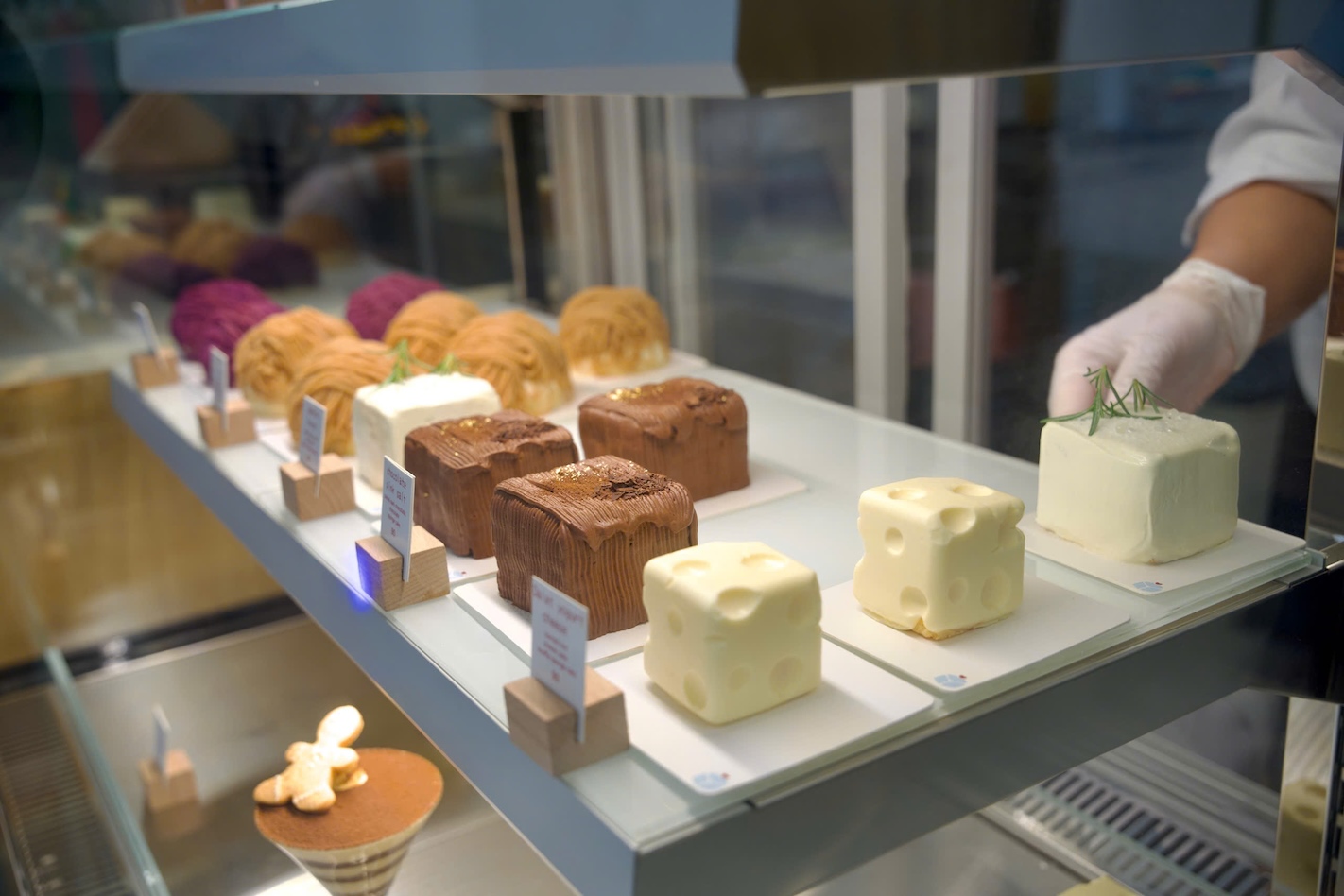
Linh: In five years, we dream of ‘cube cake’ becoming more than just a shop; we want it to be a symbol of care and connection in Saigon. We hope to expand, perhaps opening a second location, making our fusion cakes a staple gift for celebrations across the city. On a personal level, we see ourselves putting down even deeper roots here. We dream of building a family in Vietnam. Ultimately, we want to look back and see that we didn’t just build a successful business, but a happy, bridge-building life that brings joy to everyone around us.
Reported by The Ky