
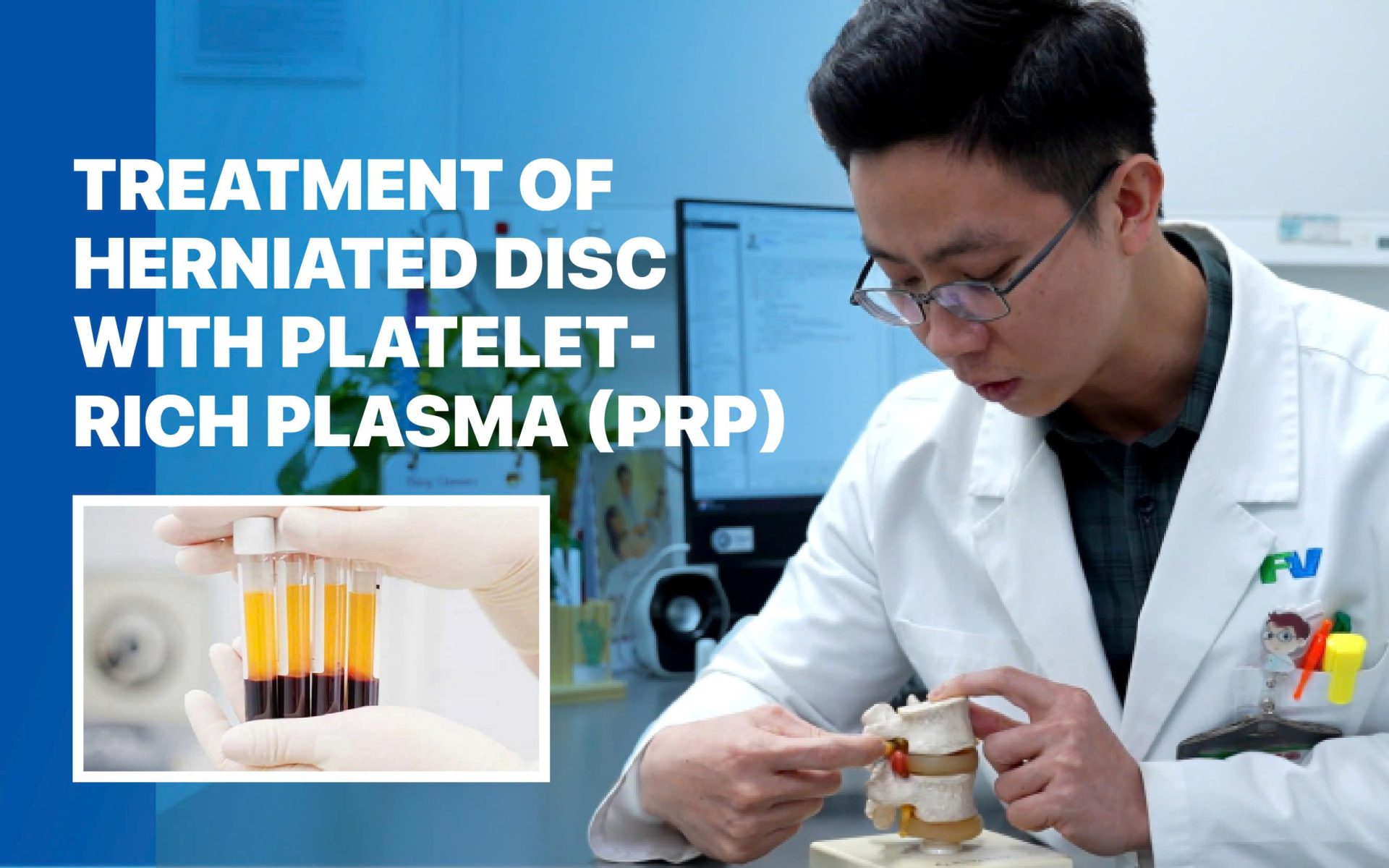
At FV Hospital, Platelet-rich Plasma (PRP) injection opens up new treatment avenues, helping hundreds of herniated disc patients see significant improvement without surgery.
Because it uses entirely autologous cells, this method limits the common side effects of pain relievers or corticosteroids, such as increased blood pressure, hyperglycemia, or osteoporosis.
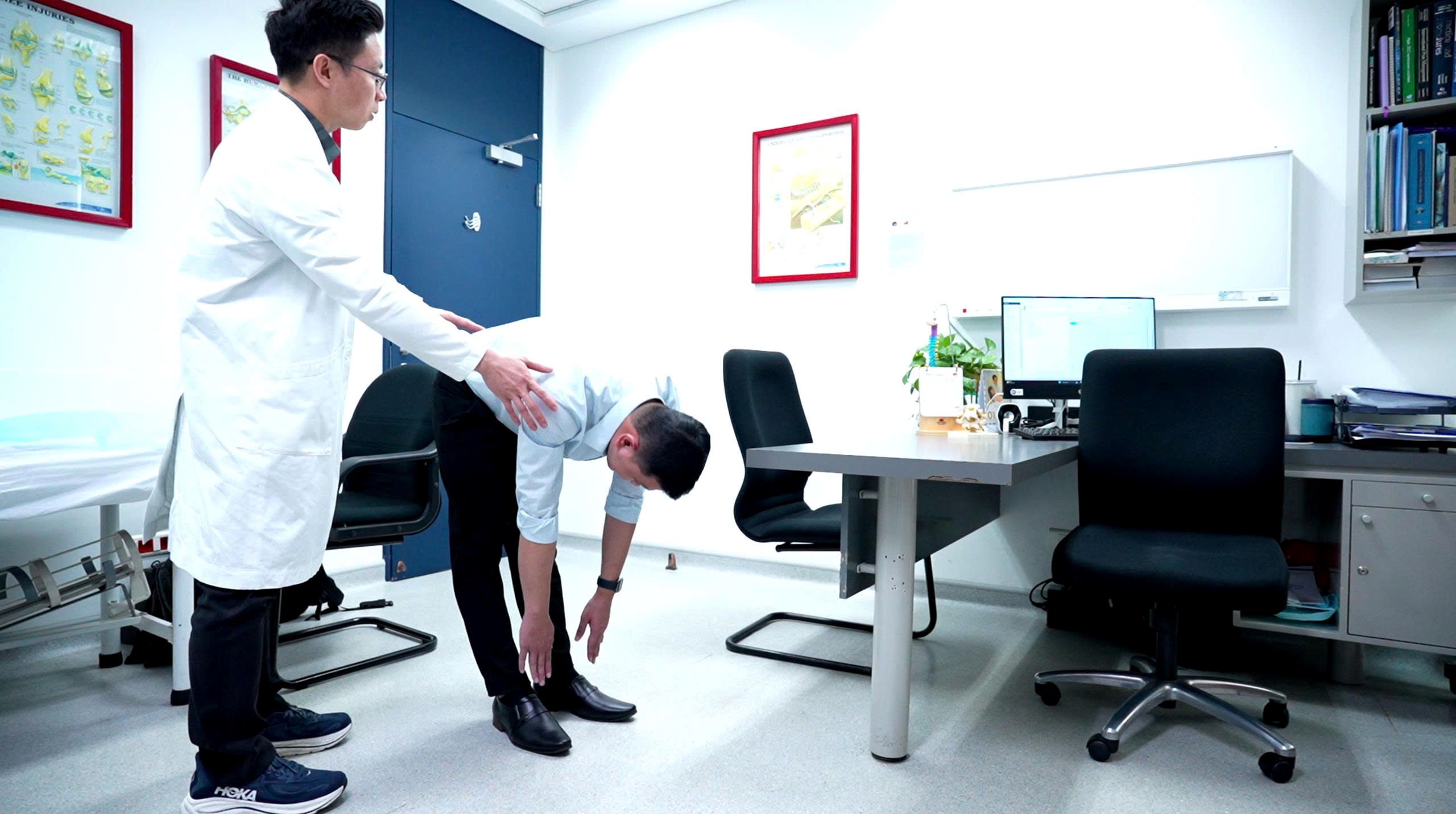
With persistent back pain, the 31-year-old man was surprised to learn he had a herniated disc
In August 2025, Mr. H.C.T. (31 years old, Ho Chi Minh City) began experiencing dull aches in his lower back. Due to the nature of the job requiring long standing, the pain worsens, radiating down both legs, accompanied by numbness and fatigue. These symptoms made it difficult for Mr. T. to concentrate, affected his sleep, and disrupted his daily life and work.
Upon examination at FV Hospital, Mr. T. was surprised to receive a diagnosis of lumbar disc herniation at L4-L5 and L5-S1. Fortunately, the degree of nerve root compression was mild.
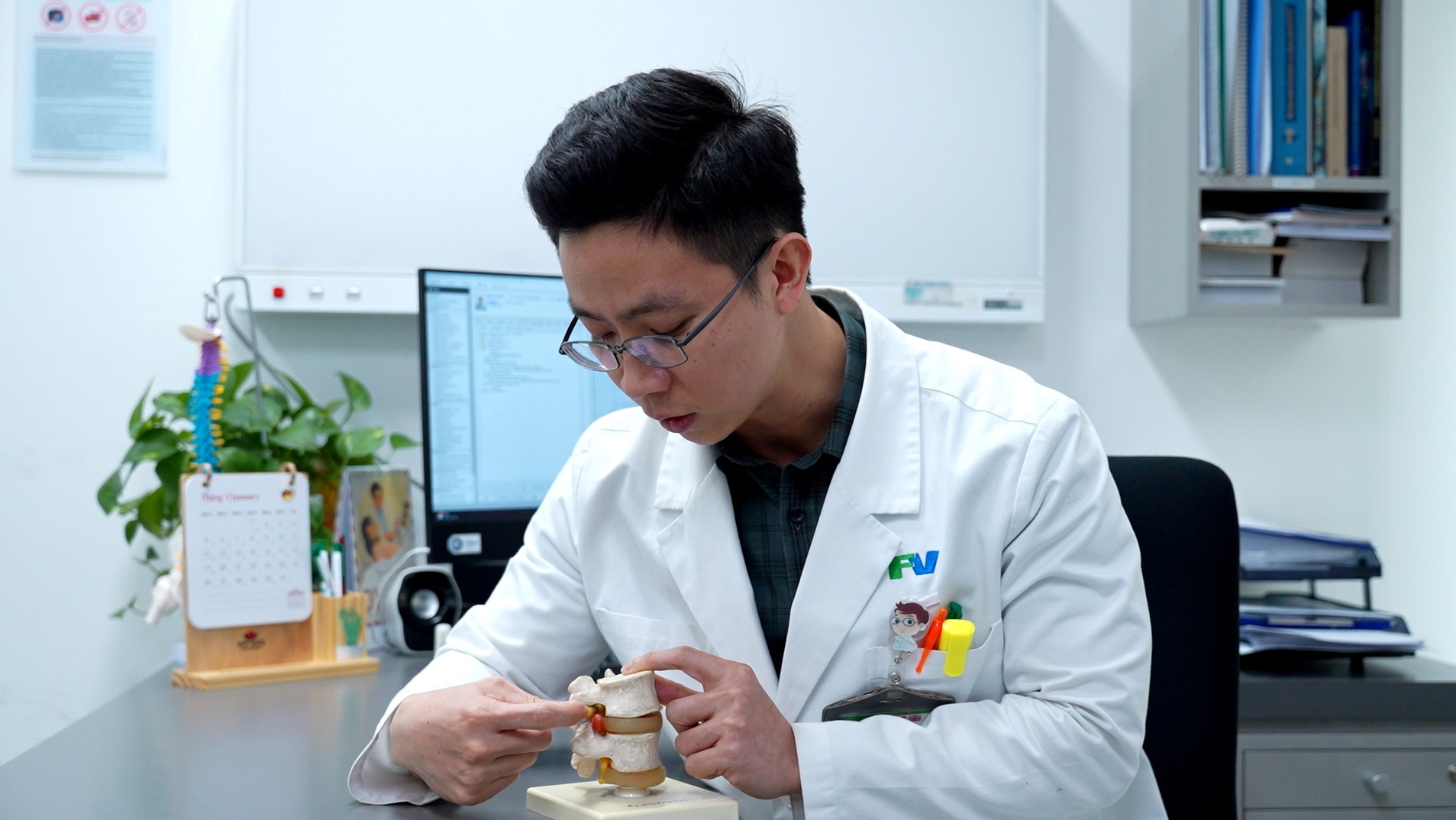
Dr. Pham Hoang Manh, Senior Consultant, Pain Clinic, FV Hospital, described this as a fairly typical case of herniated disc in a young person, characterized by a relatively acute onset and no history of trauma or accident.
“Previously, herniated discs were more common in middle-aged or older adults. However, we are now seeing many cases where people as young as 30 years old are beginning to show signs of disc degeneration and herniation,” Dr. Manh said.
Treating a herniated disc with the patient’s own blood, just two injections, is remarkably effective
Instead of medication or surgery, FV doctors opted for conservative treatment, using autologous PRP injections for Mr. T.
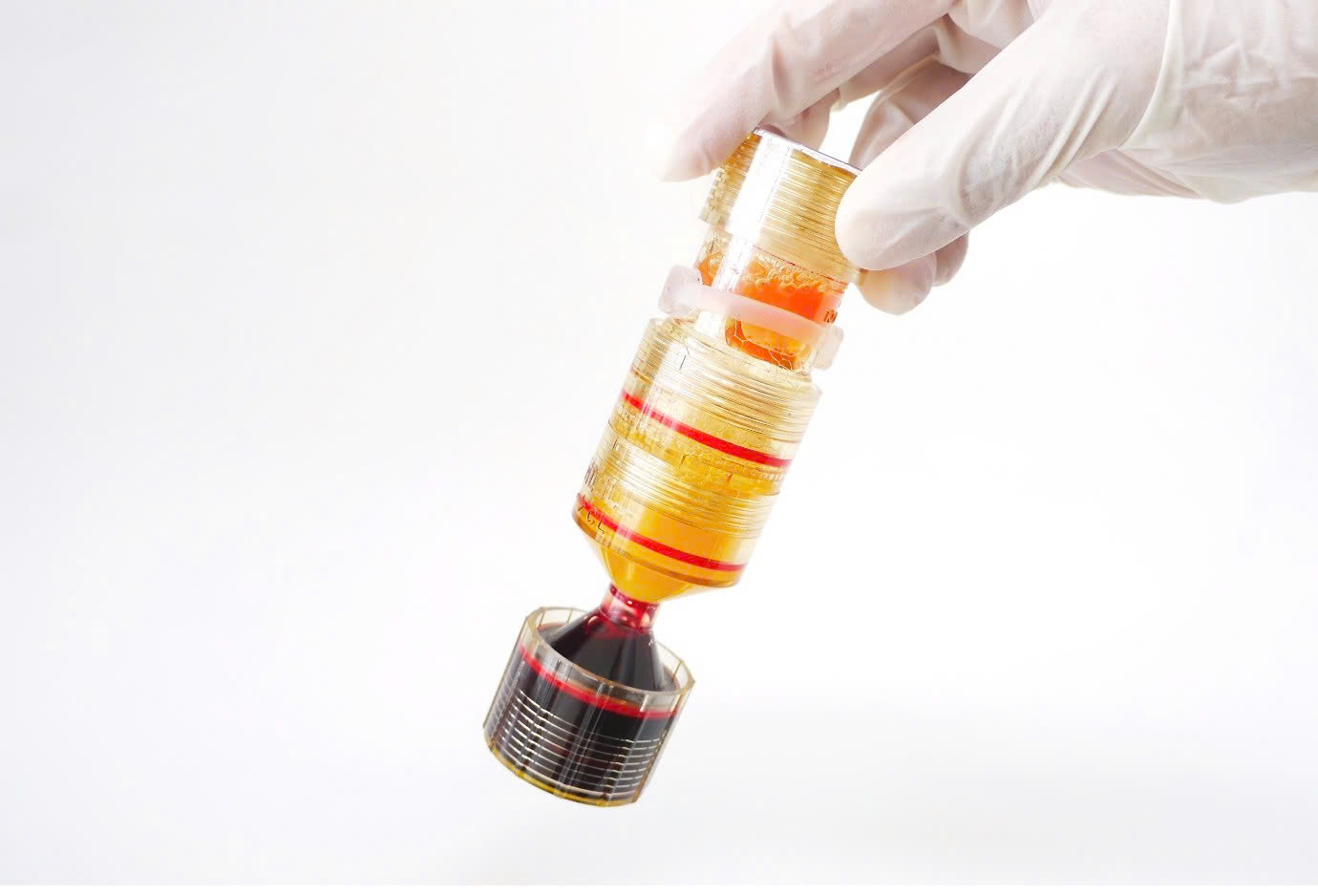
Platelet-rich Plasma is platelet-rich plasma extracted from the patient’s own blood. After collecting approximately 30ml of blood, the doctor centrifuges it to obtain plasma with a high concentration of platelets, rich in biological factors that can reduce inflammation and support tissue regeneration in the damaged area.
Unlike conventional pain relief injections that only provide short-term symptom relief, PRP targets the body’s self-repair mechanism at the site of nerve root compression, thereby delivering more lasting results.
Because it uses entirely autologous cells, this method limits the common side effects of pain relievers or corticosteroids, such as increased blood pressure, hyperglycemia, or osteoporosis.
For Mr. T., the treatment consists of just two injections, spaced about two weeks apart. At the follow-up appointment in early January 2026, the doctor assessed the recovery rate as approximately 90%. He no longer needs a belt; he can move around and carry heavy objects again like a healthy person.
As a healthcare worker, his experiences as a patient at FV have made him even more confident in this treatment method: “I received very thorough advice and had a clear treatment plan, so I can completely adhere to the treatment with peace of mind.”
Why is PRP the preferred choice for conservative treatment of herniated discs?
At the Pain Clinic at FV Hospital, this method has been applied to hundreds of patients over the past year, and is particularly effective in younger patients.
Based on clinical practice, Dr. Pham Hoang Manh found the method to be effective, with a lower recurrence rate compared to pain relief injections alone.
Platelet-rich Plasma has been used for many years in restorative medicine (Regenerative Medicine), particularly in the treatment of musculoskeletal disorders, osteoarthritis, tendon injuries, as well as in several other fields such as sports medicine and dermatology, and painless tooth extraction.
In particular, patients treated at FV Hospital will receive a detailed treatment plan and thorough consultations to ensure peace of mind throughout their treatment. In addition, FV’s multidisciplinary model helps patients access treatment for herniated discs using various methods, aiming for accurate diagnosis and selection of the most effective treatment protocol for each case.
When discussing herniated discs, Dr. Manh advises that not all cases require surgery; for mild to moderate compression, proper conservative treatment can be highly effective, especially in younger patients.
Patients should seek early medical attention if they experience symptoms such as persistent back pain, pain radiating down the buttocks or legs, or numbness in the lower extremities. Self-tolerance or improper treatment can worsen the condition, reducing the chances of conservative treatment.
To schedule an appointment at the Pain Clinic, FV Hospital, readers can contact the hotline at 028 3511 3333 or visit directly at 06 Nguyen Luong Bang Street, Tan My Ward (formerly District 7), Ho Chi Minh City.







