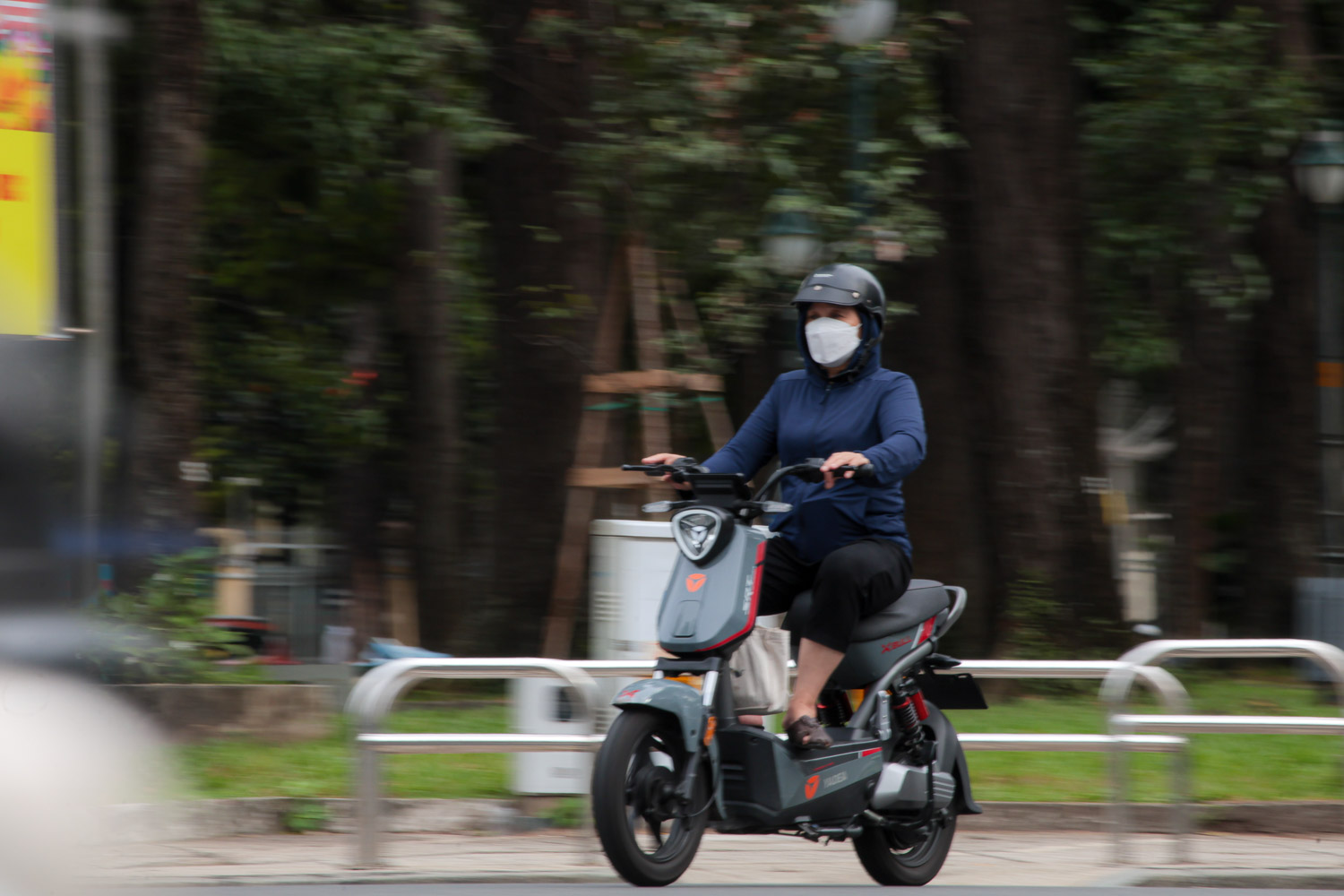
Urbanization transforms the natural environment, but when it disrupts nature’s self-balancing mechanisms, cities risk becoming uninhabitable. To counter this, large urban areas must pursue “greening” strategies that mitigate harmful agents and safeguard the living environment. For many types of pollution, cities have traditionally relied on “export” solutions—transporting and pumping contaminants away from central districts—and “import” solutions, such as bringing in clean resources like fresh water from elsewhere. However, these conventional approaches cannot be applied to air pollution. As a result, adopting effective greening measures has become an urgent necessity. “Greening” requires a comprehensive roadmap that ensures sustainability and coordination, respects property rights, safeguards the investment climate, and prevents wastefulness. The author thinks that this process should rely on fundamental tools and economic mechanisms rather than abrupt administrative directives. The 20-year fee increase roadmap to prevent new registration of internal combustion engine vehicles This roadmap will directly affect consumers’ economic interests by requiring them to phase out internal combustion engine vehicles, while indirectly influencing the behavior of manufacturers and importers. A sufficiently long and well-defined roadmap gives manufacturers the time needed to adopt new technologies, reconfigure production lines, and establish resilient supply chains. Conversely, without a clear and adequately extended roadmap, […]
Green roadmap for big cities
By Associate professor, Doctor Vo Tri Hao (*)