HCMC – Vietnam’s economy could grow about 8% in 2026 under a base scenario and up to 10% in a more positive case, driven by a gradual recovery in domestic consumption, stable exports and delayed effects from large-scale infrastructure investment, according to VinaCapital.
In its 2026 strategic outlook, VinaCapital identified three main growth pillars: improving household spending, resilient export performance and spillover effects from strong public investment disbursement in 2025.
Michael Kokalari, VinaCapital’s chief economist, noted that GDP growth in 2025 was led mainly by exports and tourism. Electronics and computer exports to the United States rose about 80% year-on-year, while tourist arrivals from China and India increased 42%, helping offset weak domestic consumption over the past two years.
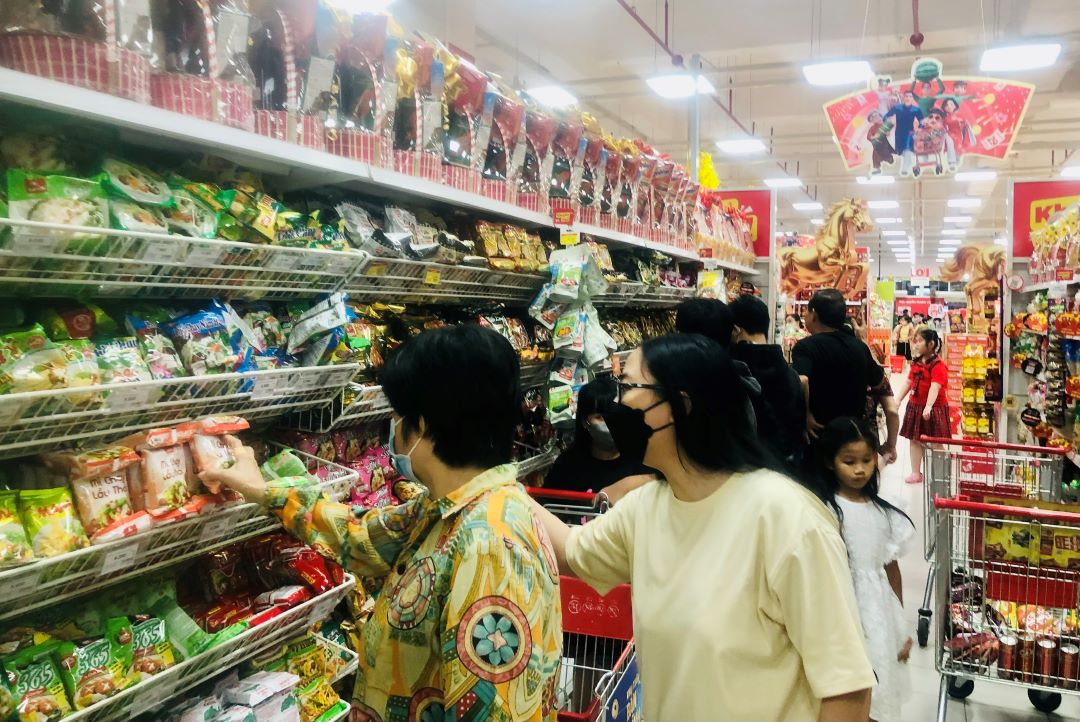
In 2026, exports and consumption are expected to normalize and support each other. Household income has grown by around 6–7% annually over the past two years. Stock prices and real estate values rose more than 30% in 2025, creating a positive wealth effect that supports spending.
The Government has set a high GDP growth target for 2026, making consumption a key factor. Current support measures remain moderate, including extensions of value-added tax cuts, higher personal income tax deductions and partial easing of new taxes on individual business households, leaving room for further stimulus.
VinaCapital expects consumption to return to a normal growth path around mid-2026, without a sharp surge. After nearly three years of high savings rates, households have largely rebuilt pre-pandemic savings, providing a more stable base for spending.
Another key driver is the delayed impact of strong infrastructure investment. Public investment disbursement rose about 40% in 2025 and is projected to increase by a further 20–30% in 2026. With public debt below 40% of GDP and bottlenecks in land clearance and project approvals easing, infrastructure is expected to remain a major growth engine.
Legal reforms are also expected to increase real estate supply as stalled projects restart, creating spillover effects for consumption and related sectors. Transit-oriented development models are being promoted, linking property demand more closely to infrastructure connectivity.
On exports, VinaCapital expects continued support in 2026 despite risks from potential U.S. reciprocal tariffs. Shipments to the U.S. grew strongly in 2025 due to demand for laptops and high-tech products linked to artificial intelligence. Tax exemptions and carve-outs have helped Vietnamese goods remain competitive, supporting foreign direct investment inflows.
Kokalari said exports to the U.S. would retain an advantage as long as tariff differentials between Vietnam and regional peers remain within 10 percentage points, supported by lower labor costs. Foreign direct investment rose about 9% in 2025, equivalent to roughly 5% of GDP.
Separately, Standard Chartered expects Vietnam to remain among Asia’s fastest-growing economies, citing competitive manufacturing, stable exports, strong foreign investment and improving domestic demand. The bank noted that available policy space, particularly on the fiscal side, supports the feasibility of Vietnam’s high growth target for 2026 if measures are implemented on time.