HCMC – Japanese Consul General to HCMC Ono Masuo has reaffirmed Japan’s strong commitment to supporting Vietnam’s balanced and sustainable economic development, particularly in the southern region, through investment, digital transformation, and green growth.
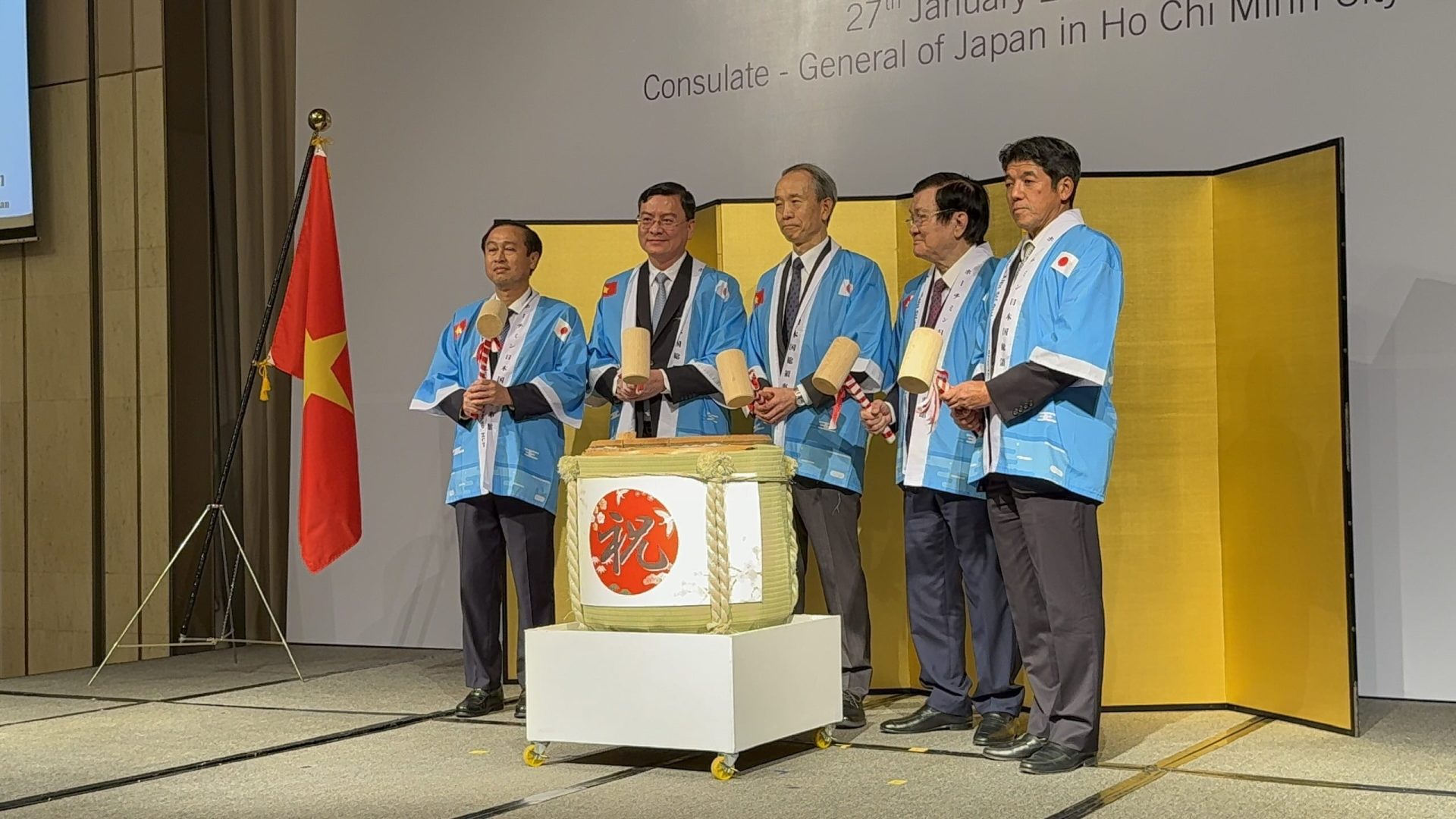
Speaking at a reception marking the 66th birthday of Emperor Naruhito in HCMC on January 27, Ono noted that Vietnam’s ambition to become a high-income developed nation by 2050 presents significant opportunities for deeper cooperation. He stressed that economic growth in southern Vietnam should extend beyond urban trade and industry to include agriculture, fisheries, food processing, and logistics, leveraging the strengths of the South Central Highlands and the Mekong Delta.
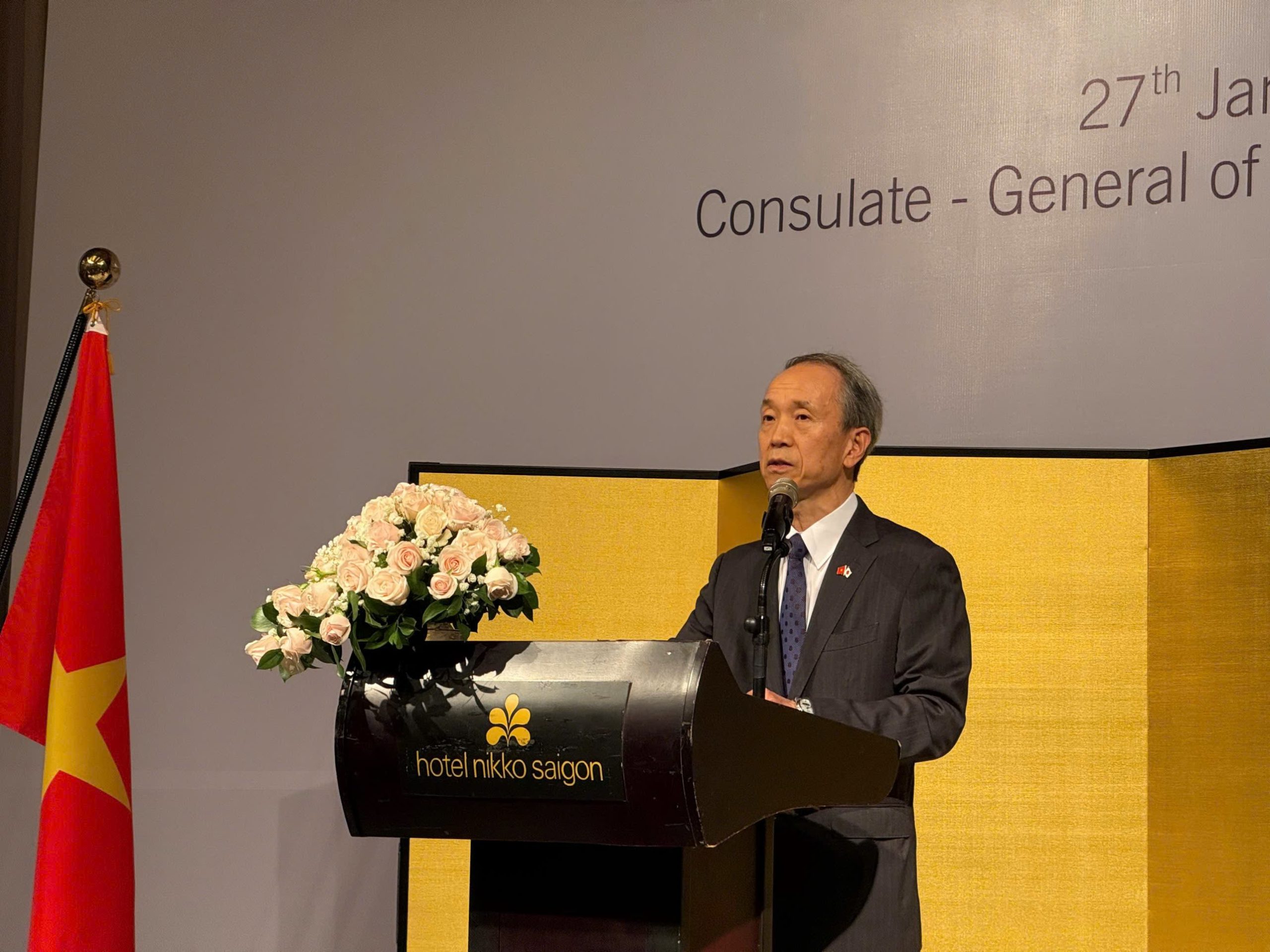
The Japanese diplomat said Japanese businesses and organizations are well positioned to contribute to this process, especially in digital transformation, green transformation, and infrastructure development. The Japanese Consulate General in HCMC will continue working closely with JETRO, JICA, and the Japanese Chamber of Commerce and Industry in HCMC to strengthen bilateral cooperation in the southern region.
Ono also highlighted the growing presence of Japanese firms in Vietnam, noting that many companies marked their 30th anniversary of operations in the country during 2024–2025, reflecting long-term confidence in Vietnam’s market and development trajectory.
At the event, Vice Chairman of the HCMC People’s Committee Nguyen Cong Vinh said the Vietnam–Japan relationship has reached new heights following the upgrade of bilateral ties to a Comprehensive Strategic Partnership for Peace and Prosperity in Asia and the World.
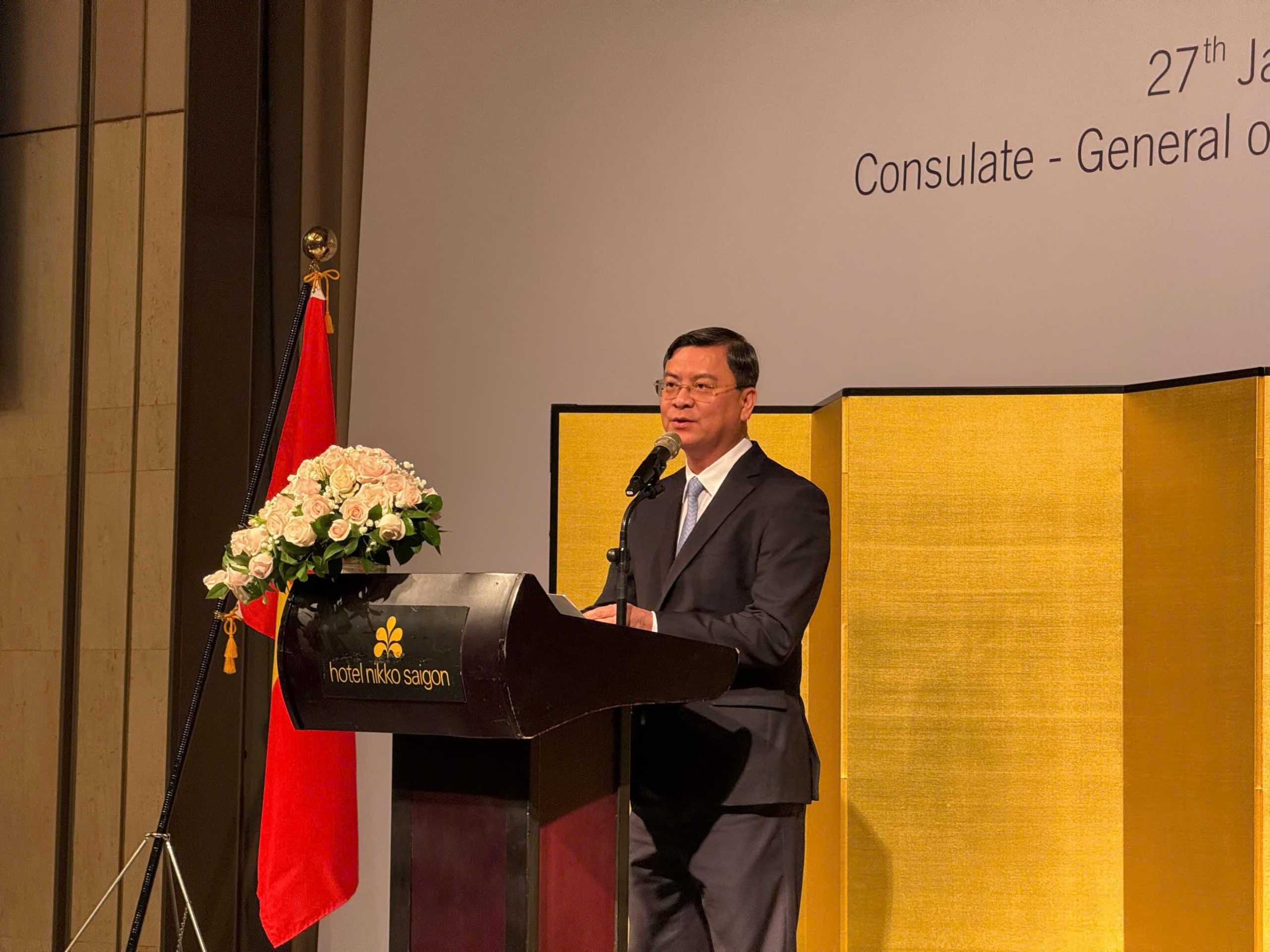
As of end-2025, Japan ranked as HCMC’s third-largest foreign investor, with more than 2,200 projects worth over US$15 billion. Japanese investment spans industrial parks, transport infrastructure, human resource training, and technology transfer. Notably, Metro Line No.1 (Ben Thanh–Suoi Tien), a flagship symbol of Vietnam–Japan urban cooperation, has officially entered commercial operation.
Looking ahead, Vinh said HCMC is entering a new development phase in 2026, guided by institutional reform, infrastructure development, and high-quality human resources. Japan, with its technological expertise and long-term investment approach, will remain a key partner in priority areas such as public transport, smart cities, green industries, R&D, and the development of the international financial center in the city.
Both sides expressed confidence that economic and cultural cooperation between Japan and Vietnam, particularly at the local level, will continue to thrive in the coming years.