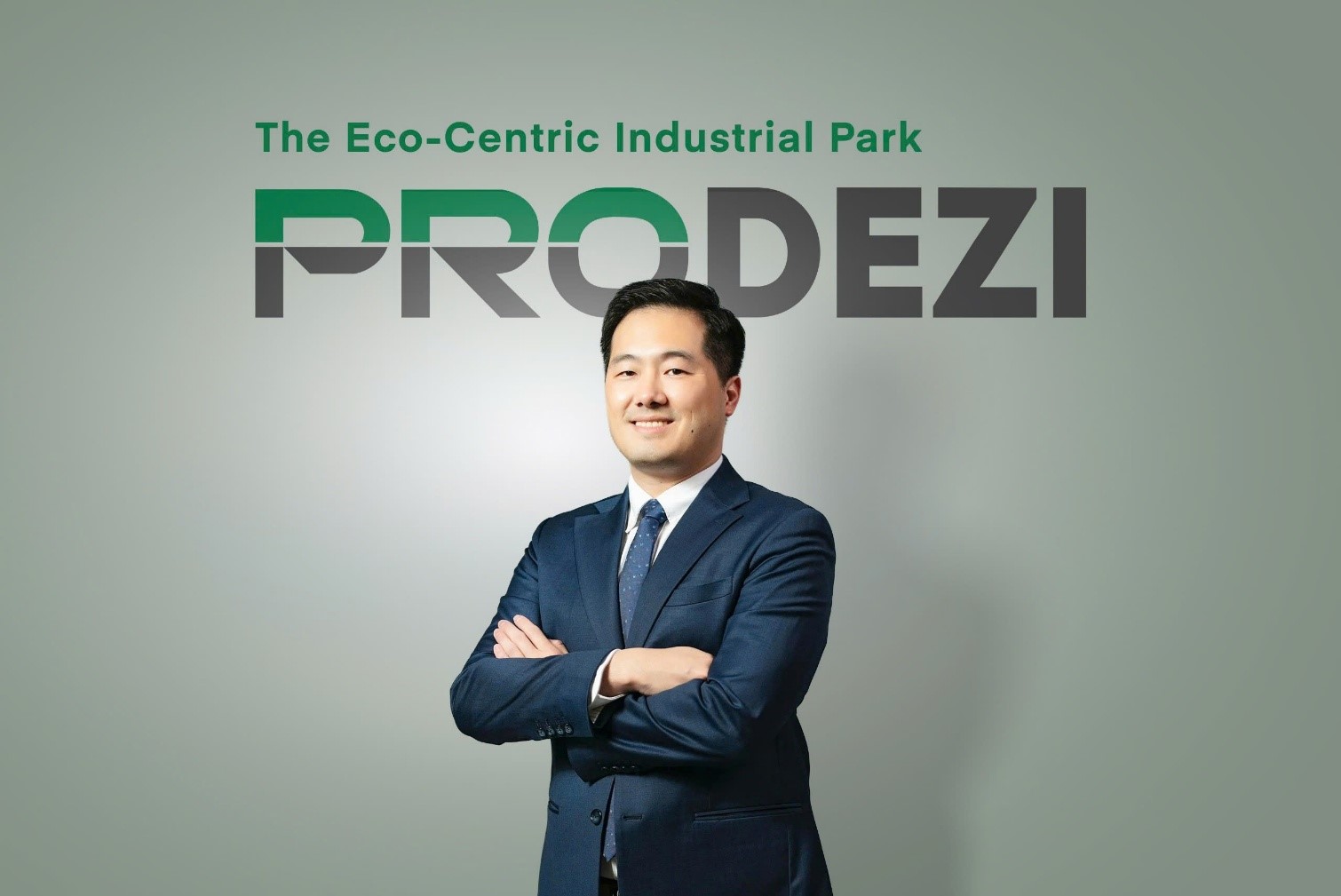
Vietnam’s industrial estate sector has been undergoing a pivotal transformation in 2025, with ESG standards, operational efficiency, and sustainable development emerging as top priorities. In this interview, Mr. Truong Khac Nguyen Minh, Deputy General Director of Prodezi Long An JSC, shares insights into key market trends and explains why the integrated eco-industrial park model has become central to the company’s strategy.
Reflecting on the past year, what have been the most significant developments in Vietnam’s industrial real estate sector? And within that evolving landscape, how does Prodezi define its long-term strategic positioning?
2025 marks a pivotal turning point for Vietnam’s industrial real estate market. Following several years of rapid expansion, the sector has entered a natural phase of adjustment. Whereas past discussions often centered on project scale, rental rates, and occupancy speed, today investor dialogue increasingly focuses on ESG compliance, operational excellence, readiness for new-generation FDI, and Vietnam’s net-zero pledge under COP26.
At the same time, new policies on spatial restructuring, infrastructure enhancement, and green economic development signal Vietnam’s shift toward a more sustainable model of industrial growth. This evolution presents both challenges and opportunities: while the market must elevate its standards, businesses with a clear long-term vision are poised to advance more rapidly.
For Prodezi, this is the ideal moment to underscore the value of our integrated eco-industrial park model—developed from the outset as a core strategy—rather than pursuing mere land-bank expansion.
Why has Prodezi chosen the “eco-industrial park” model as its core strategy? What sets this model apart?
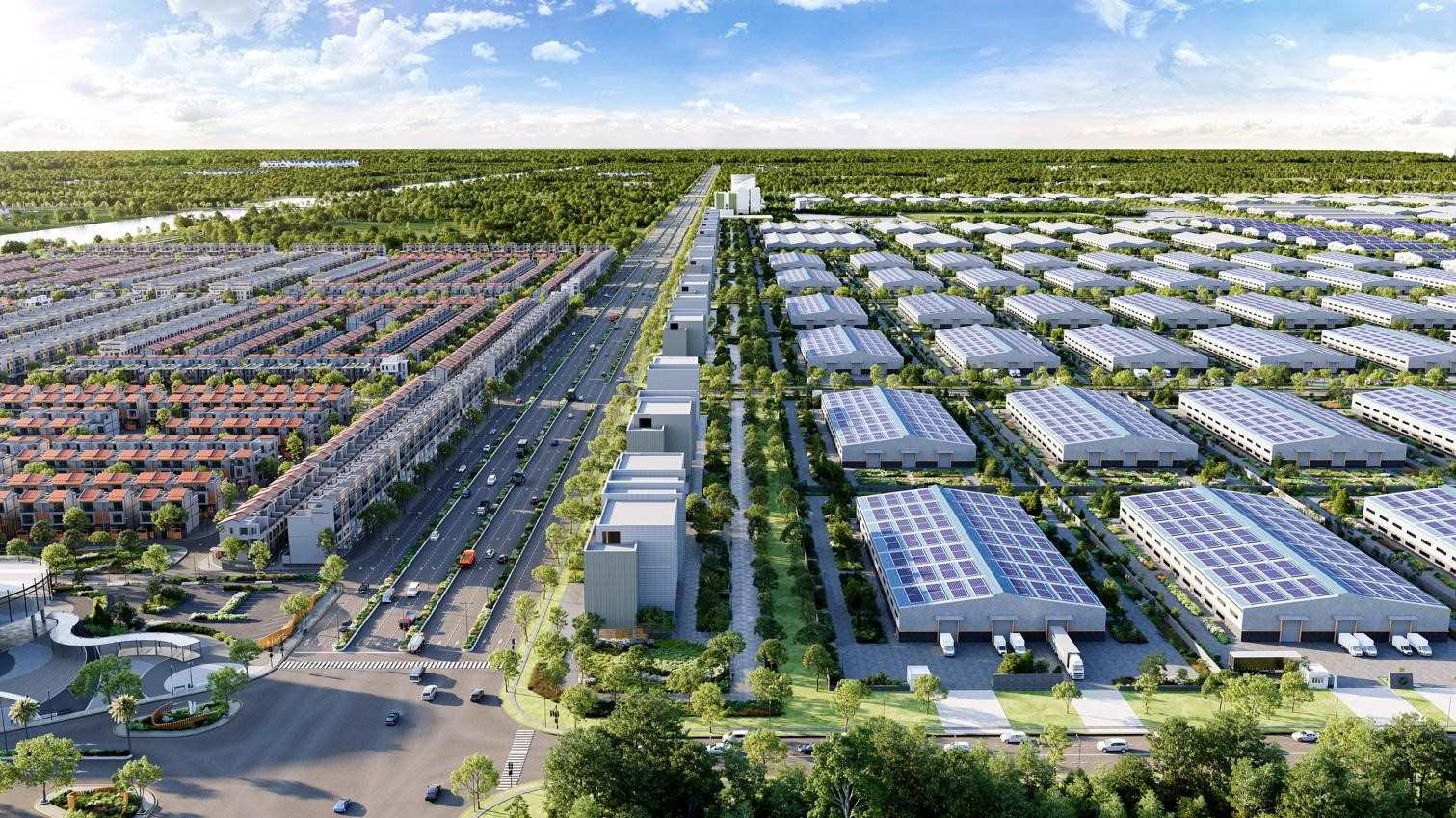
The essence of an eco-industrial park lies in resource optimization and industrial symbiosis. Instead of operating in isolation, manufacturers can share infrastructure, energy systems, water resources, and waste-treatment facilities—reducing operating costs, cutting emissions, and enhancing overall efficiency.
Prodezi’s model is built on three core pillars. The first is smart, green, and circular infrastructure, designed in accordance with Decree 35/2022/ND-CP on eco-industrial parks and aligned with international ESG standards. The second is a comprehensive investment and operational support ecosystem that accelerates project implementation while helping investors meet sustainability requirements across global supply chains. The third is sustainable production spaces with strong value-chain connectivity, enabling businesses to establish long-term, resilient operations.
What truly distinguishes Prodezi is the integration of ESG principles at the very heart of its business model. Key indicators—covering water, energy, greenery, and emissions—are quantified from the planning stage through daily operations, ensuring that sustainability is embedded in every aspect of development and management.
The integration of Prodezi Industrial Park with the LA Home eco-township is considered a distinctive advantage. What values does this bring?
We view Prodezi Industrial Park and LA Home as a unified development—an integrated ecosystem that combines township, industrial facilities, and essential services.
For investors, this model delivers long-term advantages: operating a factory adjacent to a fully developed township enhances workforce attraction and retention, ensures operational stability, and supports compliance with international supply-chain standards.
For workers, it reduces commuting time, eases traffic congestion, and improves quality of life through integrated housing, retail, and service amenities.
For local communities, it generates employment opportunities, increases property values, and alleviates the environmental and infrastructure pressures often associated with traditional industrial zones.
Ultimately, our ambition is to create a sustainable growth nucleus, not merely a stand-alone manufacturing cluster.
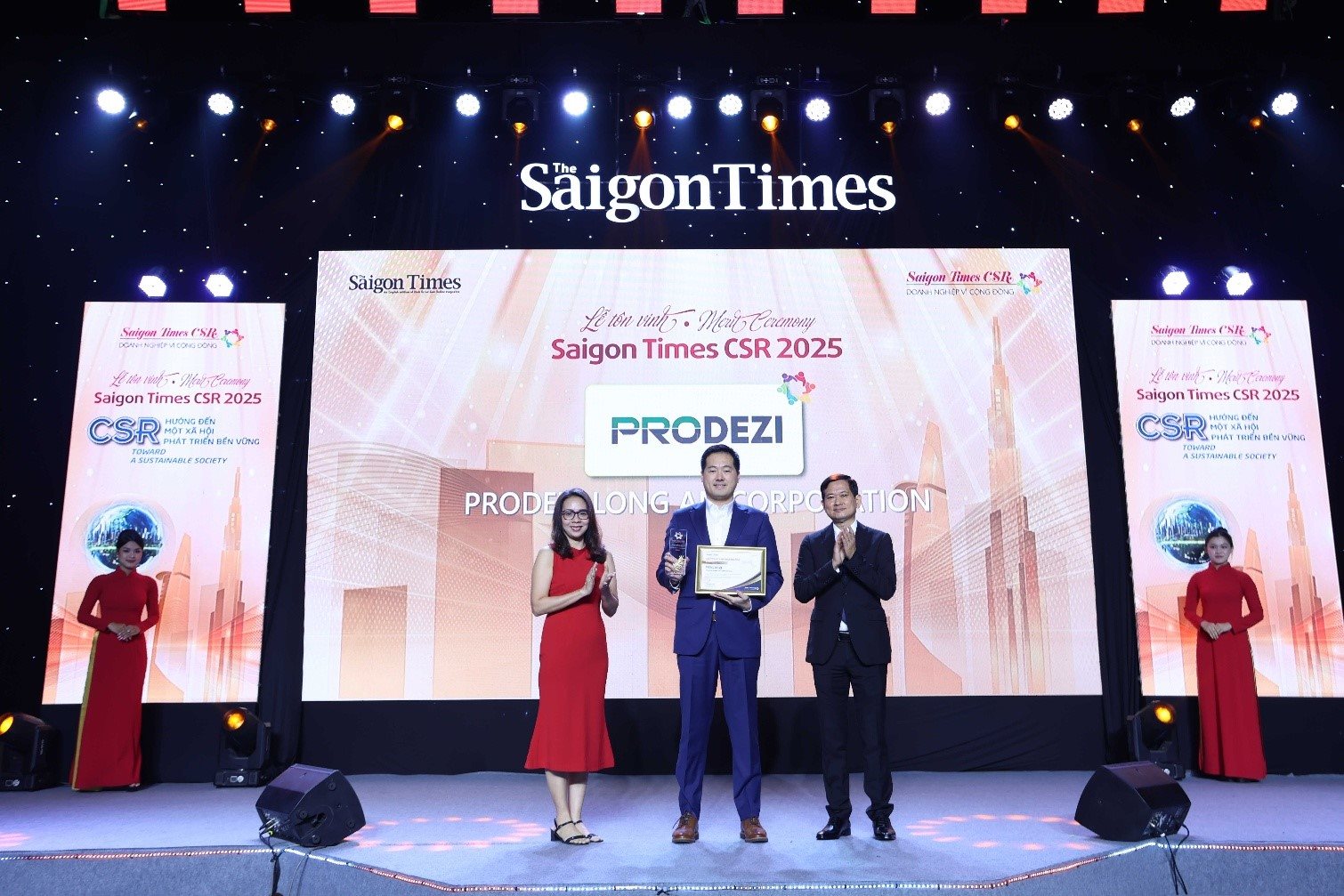
Prodezi Long An earned several sustainable-related awards in 2025. What do these recognitions signify?
These recognitions reaffirm the strategy we have pursued from the very beginning: investing in green infrastructure, circular water systems, renewable energy, and transparent operational standards.
More importantly, they validate that the eco-industrial park model is both practical and sustainable in Vietnam when thoughtfully planned and effectively managed. Meeting ecological criteria not only strengthens corporate reputation but also delivers tangible benefits to tenants—mitigating environmental risks, lowering operating costs, and ensuring smoother compliance with the sustainability requirements of global partners.
From 2026 to 2030, will Prodezi prioritize enhancing its current model or expanding into new localities?
We will pursue both directions, but our foremost priority is to advance the eco-industrial model at Prodezi Long An—diversifying product offerings, expanding our service ecosystem, and optimizing operations for energy efficiency and emissions reduction.
At the same time, we are exploring expansion opportunities. For us, expansion is not about sheer scale, but about replicating a standardized, high-quality eco-industrial model. Every project must meet ecological benchmarks and integrate seamlessly with township and service areas, moving toward a smart, sustainable, and fully integrated industrial–urban ecosystem.
In the long run, our ambition is for Prodezi to help redefine the standards of Vietnam’s industrial parks in the decade ahead—proving that green development and economic performance can progress hand in hand.