HCMC – Prime Minister Pham Minh Chinh has ordered ministries, local authorities and state-owned enterprises to step up exports, diversify markets and strengthen logistics to support Vietnam’s 2026 growth target.
Official Dispatch No. 23/CD-TTg issued on March 16 calls for coordinated measures to maintain macroeconomic stability, control inflation and address bottlenecks in import-export activities.
Trade in the first two months of 2026 rose 22.3% year-on-year to US$155.7 billion. However, the global environment has become increasingly volatile since early March. The Middle East conflict has negatively impacted global trade, pushing up energy prices and logistics costs, while inconsistent global tariff policies add another layer of unpredictability to the market.
To proactively and flexibly respond to these developments and maintain the economic growth target of at least 10% in 2026, the prime minister has instructed ministries and agencies to continue implementing central-level resolutions in a strong, coordinated, and effective manner.
Ministries and local governments are instructed to remove obstacles for importers and exporters, diversify export markets, products and supply chains, and promote investment and production. Authorities are also tasked with preparing for discussions with the United States on a reciprocal tax agreement.
The Ministry of Industry and Trade is directed to ensure sufficient fuel supply and support businesses in leveraging existing free trade agreements, including those with the European Union, the United Kingdom, the Eurasian Economic Union and the CPTPP. It is also tasked with accelerating negotiations for new trade deals and expanding into emerging markets such as the Middle East, Africa and Latin America.
The Ministry of Agriculture and Environment will step up efforts to address illegal fishing to remove the “yellow card” warning, while promoting market access for fruits and vegetables and expanding processing to increase export value. It will also strengthen traceability systems and product branding.
The Ministry of Finance will review export-import tax policies, while customs authorities are told to tighten quality control and prevent origin fraud. The State Bank of Vietnam will manage exchange rates flexibly and improve credit access for businesses.
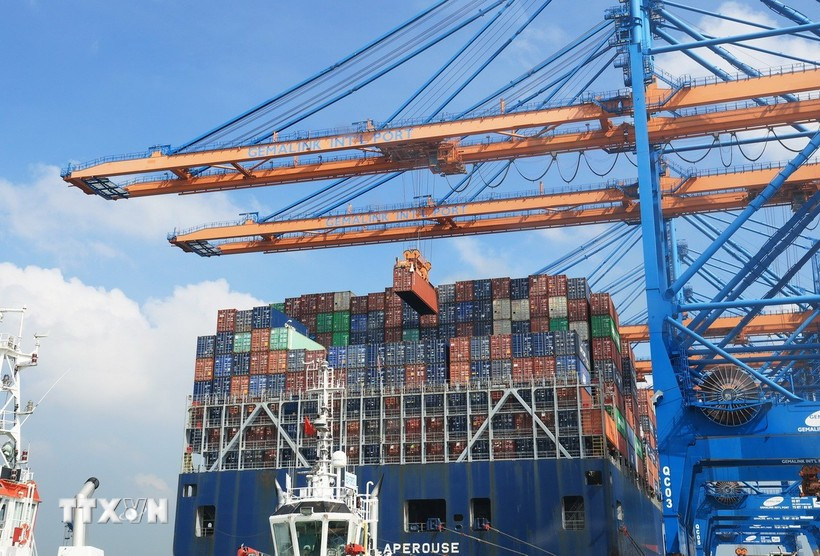
The Ministry of Construction will accelerate development of transport infrastructure, seaports and logistics centers, while promoting inland waterway transport to reduce costs.
Local governments are required to resolve project bottlenecks, coordinate production and export plans, and avoid congestion at border gates.
Deputy Prime Minister Bui Thanh Son will oversee implementation, with the Government Office monitoring progress.