HCMC – The Ministry of Industry and Trade has asked businesses to consider allowing remote work where possible to reduce travel and fuel consumption amid rising risks to global energy supply linked to the escalating U.S.–Israel conflict with Iran.
The ministry said the military conflict has intensified, with Iran blocking the Strait of Hormuz.
Global oil prices have risen 20% since the beginning of the year and could climb to US$120–140 per barrel if supply disruptions continue. Asia, particularly Southeast Asia including Vietnam, is expected to face significant impacts due to heavy dependence on energy imported from the Middle East.
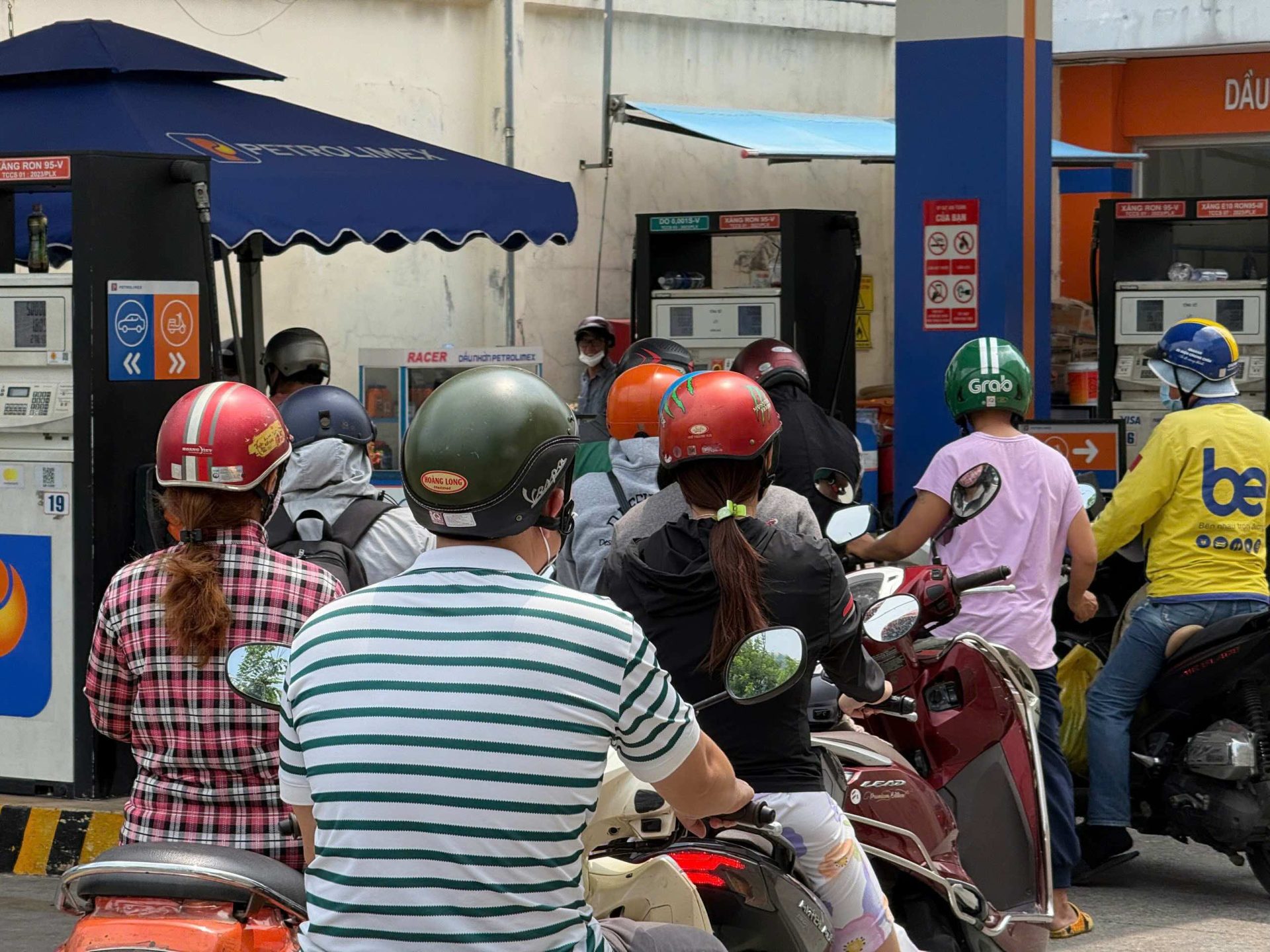
Vietnam’s domestic petroleum consumption reached around 28.6 million cubic meters in 2025, averaging 2.2–2.3 million cubic meters per month. Despite having two refineries, Nghi Son and Dung Quat, Vietnam still relies considerably on imports, raising the risk of localized fuel shortages in some areas.
On March 4, 2026, the prime minister issued Decision 385/QD-TTg establishing a task force to ensure national energy security in response to the Middle East conflict. The task force, headed by Deputy Prime Minister Bui Thanh Son, is responsible for monitoring developments and reporting daily.
The Ministry of Industry and Trade said it has developed plans to stabilize supply, directing domestic refineries and the petroleum supply chain—including wholesalers, distributors and retailers—to secure additional fuel sources and maintain uninterrupted supply to the market.
Local authorities, provincial departments of industry and trade, and market surveillance forces have also been instructed to strengthen inspections and handle violations.
The ministry and the Ministry of Finance are preparing price stabilization measures, including the use of the fuel price stabilization fund, and are proposing additional measures such as reducing the environmental protection tax.
The ministry warned that the Strait of Hormuz crisis remains the biggest risk. If the blockade persists, oil prices could exceed US$120–140 per barrel. Some countries, including China, Japan and Thailand, have restricted fuel exports, while others in the region have introduced domestic fuel-saving measures.
The ministry has advised residents to limit the use of private vehicles, prioritize carpooling or public transport, and consider bicycles for short trips. Regular vehicle maintenance and fuel-efficient driving can reduce fuel consumption by 10–15%, it said.
Businesses were asked to set fuel consumption norms for production and transport, apply energy management systems in line with ISO 50001 standards, optimize logistics routes and invest in energy-saving technologies.
The ministry also recommended considering electric vehicles, hybrid vehicles or biofuel blends such as E5 and E10 under a roadmap starting June 1, 2026.
It also warned against hoarding or illegal speculation of petroleum products and urged the public to report fuel retailers that suspend sales without justification or violate listed prices to the ministry’s hotline at 1900 888 655 or to local market surveillance authorities.