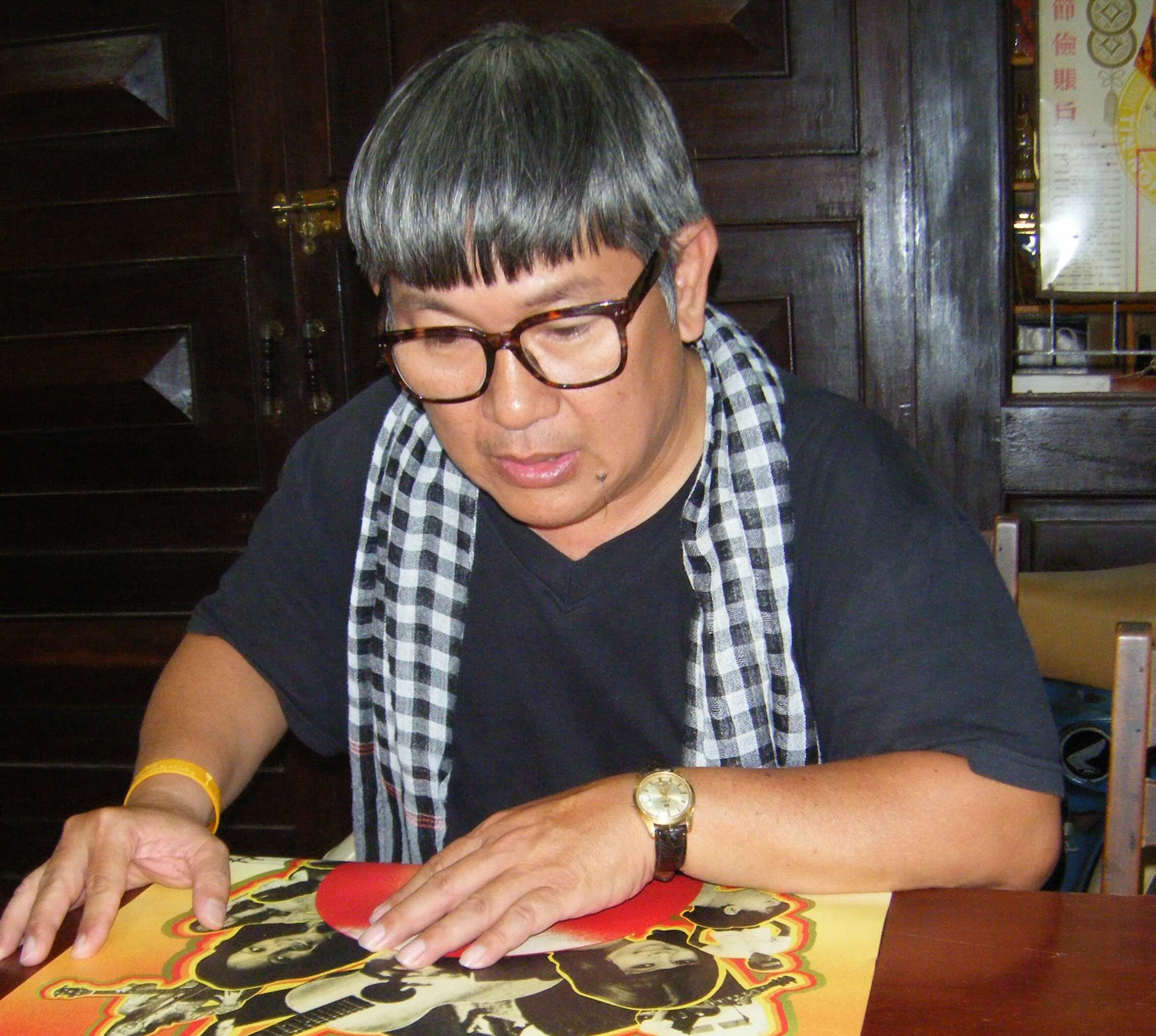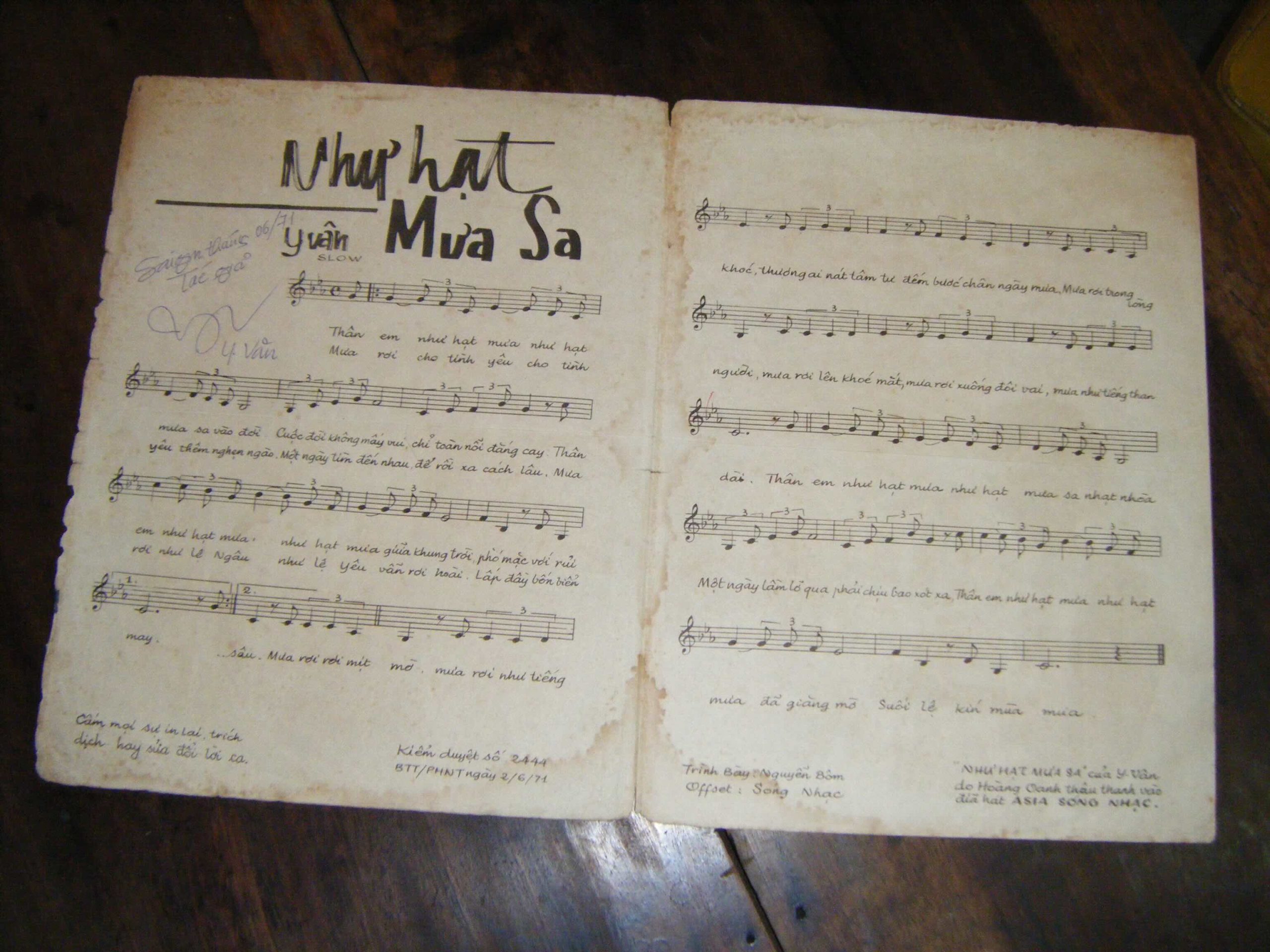
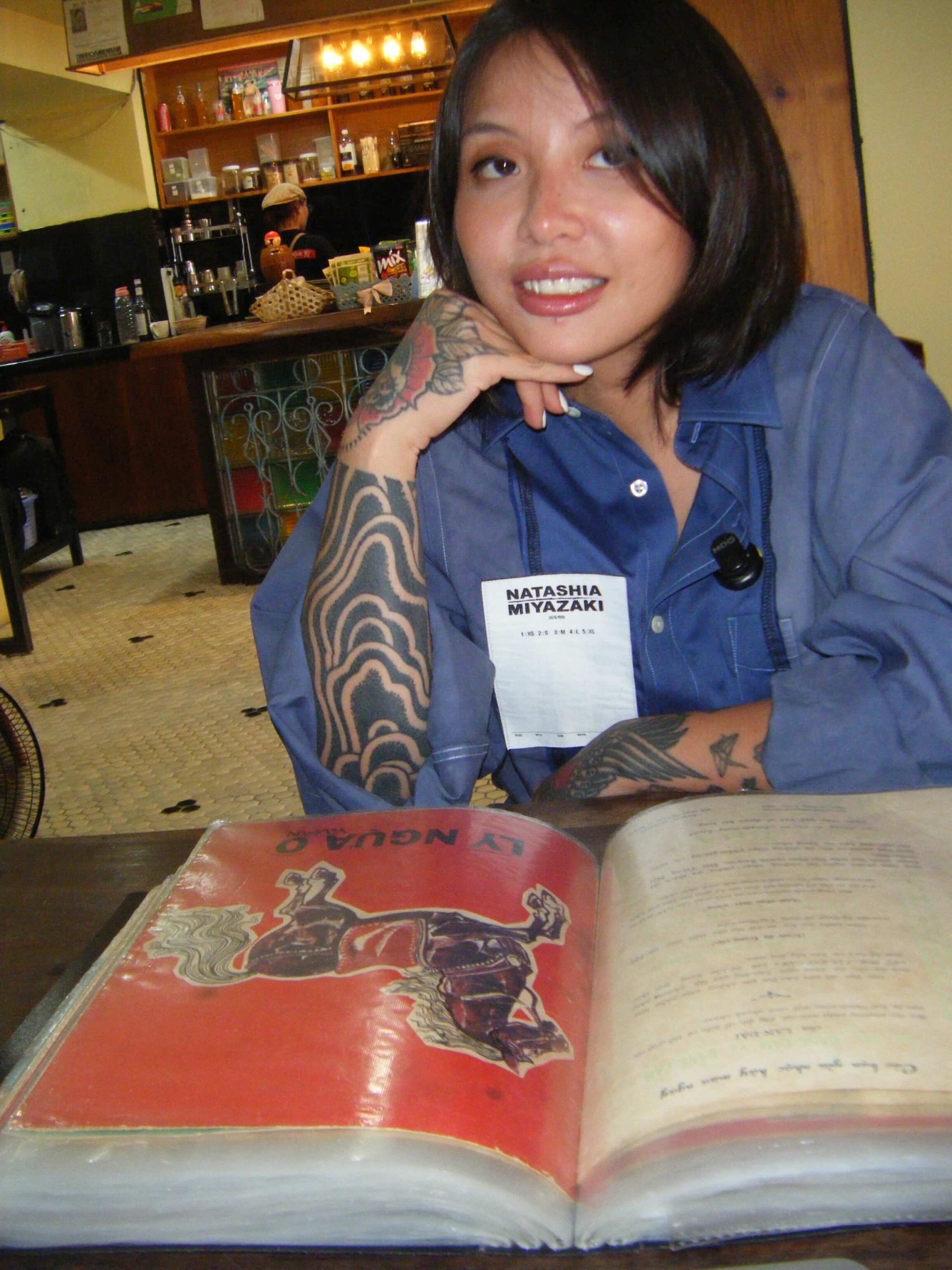
Some sounds never truly fade. They linger in the dust of time, waiting for a gentle hand to awaken them from memory’s hidden corners. Vietnamese-American filmmaker Khoa Ha breathes life into these echoes in her feature-length music documentary, Y Van: The Lost Sounds of Saigon.
The film serves as both a personal pilgrimage and an artistic excavation. Khoa Ha seeks to rediscover her grandfather, the celebrated composer Y Van, whose melodies once defined the emotional landscape of old Saigon.
A return to the past
Fifteen years ago, Khoa Ha left Vietnam for the United States, carrying little more than a love of art and fragments of childhood memory—soft, incomplete recollections of a grandfather she never met. Born in 1993, a year after his passing, she grew up in a family where no one pursued art, in part because Y Van himself had warned that it was a difficult life.
Yet an invisible inheritance endured—old vinyl records, scattered sketches, and a quiet pull back to her roots. From her career as a graphic designer and art director in Los Angeles, she found herself returning emotionally to a past she had never fully known.
“No one forced me to do this,” she told The Saigon Times. “It comes purely from passion—the need to preserve memory, to hold on to something that might otherwise disappear.”
The 93-minute film, co-directed with French-American filmmaker Victor Velle, was produced independently by Pink Cloud LLC on a modest US$640,000 budget. Funding came from family, friends, and artists who believed in the project.
Over three years, from early concept to post-production in late 2025, it evolved into a symphony in four movements: an ancestral call from Do Xa village near Hanoi; a north-to-south journey meeting collectors in Nha Trang and HCMC; rediscovery of archives; and legacy’s continuation through a younger generation, where Khoa Ha reimagines classics like “Long Me – Mother’s Heart” in a contemporary lens.
Blending contemporary cinematic language with animation, the film reconstructs intangible memories. One sequence vividly reimagines the creation of Long Me through Khoa Ha’s distinctive visual sensibility. Motion graphics, coastal documentary footage, and intimate family interviews with siblings Y Vu and Minh Hoan intertwine with the voices of veteran singers Mai Le Huyen, Carol Kim, Connie Kim, Phuong Tam, and Ly Duoc—alongside archivists and collectors from both Vietnam and the United States.
Rather than relying on rigid archives, the film embraces intimacy with a literary cadence, evoking a vanished Saigon—its theaters erased, its streets widened, yet still alive in musical echoes. The visuals are diverse: animation to embody memory, graphic design drawn from Khoa Ha’s own background, and a road‑film structure that traces both geography and emotion. The result is a documentary shaped for the streaming era—accessible, emotional, and deeply human.
With many challenges
Challenges abounded: scattered archives, some buried by neglect; the perception that documentaries are dull; and the emotional weight of a deeply personal family story. “This is the perspective of someone inside the family,” Khoa Ha explains. “It is the love of a granddaughter for her grandfather.”
That authenticity resonated. The film premiered at DOC NYC in November 2025, America’s largest documentary festival, where it ranked among the Top 10. It went on to screen at the Atlanta Film Festival in April 2026, the Florida Film Festival, San Luis Obispo, and more than eight additional international festivals in coming days.
In the film, Saigon—now Ho Chi Minh City—emerges not as a concrete metropolis but as a luminous canvas of memory and melody. Long Me becomes a symbol of maternal love across generations, its raw original recording pulsing with truth.
Khoa Ha traces Y Van’s path from a struggling childhood to an understated legacy, echoing the steady pace of a patient melody. And she also depicts Y Van as a modest composer.
In Vietnam’s fast‑evolving film scene, Khoa Ha’s project poses a vital question: how do we preserve memory amid relentless speed? She envisions the film traveling—returning to Vietnam after its festival circuit and reaching audiences worldwide through streaming platforms.
“I want young Vietnamese to feel proud of their culture,” she says. “They sing Saigon or 60 Nam (year) every day but don’t know the composer. This gives them a chance to understand him deeply.”
Her voice carries the warmth of a vinyl’s soft crackle. From designer to filmmaker, Khoa Ha transforms longing into creation, driven by love for family, heritage, and the fragile threads that bind eras together.
The journey continues. Beneath modern noise of HCMC, old Saigon’s sounds wait. When the city quiets at night, they return softly, proving the lost is never gone, just waiting to be found.