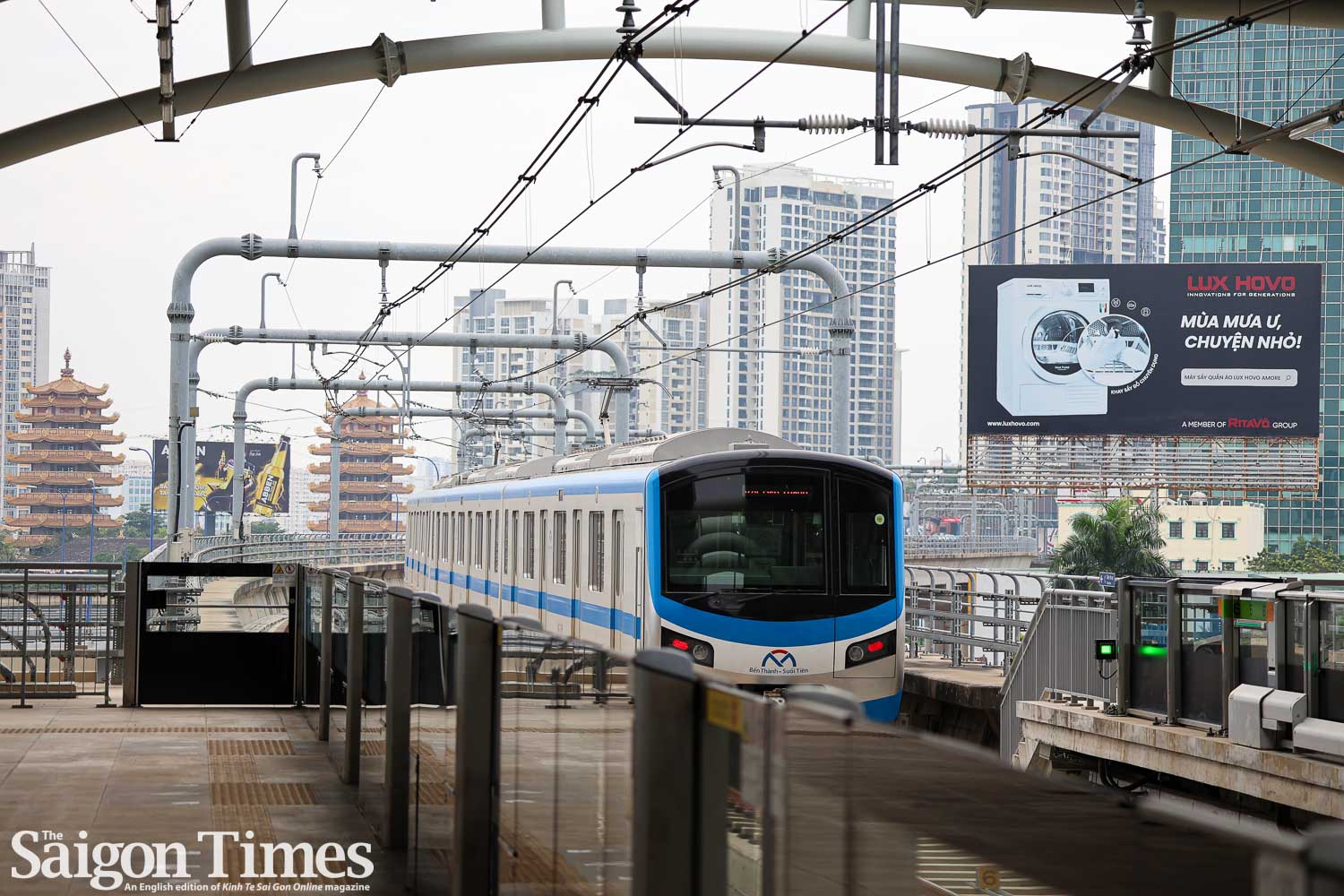
HCMC – The Ministry of Construction is seeking feedback on draft national technical regulations for metro systems, aiming to establish a unified framework for urban rail projects.
The proposed regulations are designed to address long-standing inconsistencies, as existing metro lines rely on differing technical standards from foreign aid donors. This fragmentation has complicated system integration, raised investment costs and increased reliance on imported technologies.
The draft rules set out a common technical framework covering the full lifecycle of metro projects, including design, construction, operation and maintenance. Requirements focus on safety, reliability, maintainability and operational efficiency, while aligning with local conditions.
Key specifications include the use of a standard gauge of 1,435 mm, electrified systems and double-track operations. New metro lines would be required to undergo at least 90 days of trial operation before entering commercial service.
For rolling stock, the draft regulations mandate fire-resistant, low-smoke, halogen-free materials to reduce risks in the dense urban environment. Trains must also be equipped with backup power systems capable of maintaining lighting, ventilation and communications for 30 to 45 minutes in emergencies.
On infrastructure, stations must ensure passenger evacuation from hazardous areas within four to six minutes. Critical structures affecting train operations are required to have a minimum design lifespan of 100 years.
The draft regulations encourage the adoption of communication-based train control (CBTC) systems and higher levels of automation, paving the way for driverless metro operations in line with global urban transport trends.
According to the impact assessment, a unified standard could reduce consulting costs, improve transparency and enhance the efficiency of public investment. A standardized technical framework is also expected to make projects more attractive to domestic and foreign investors, particularly under public-private partnership (PPP) models.
The regulations are seen as a foundation for developing a domestic railway industry, enabling companies to invest in manufacturing components based on unified standards. This could help reduce import dependence and support the formation of local supply chains over the long term.
Transitional provisions are included to avoid conflicts with ongoing projects. Those approved before the regulations take effect would continue under existing rules, with flexible mechanisms applied during upgrades.