
HCMC – The Ministry of Health issued temporary guidelines for the surveillance, prevention, and control of Nipah virus in humans on February 13.
The move comes as international health experts re-emphasize the potential of a pandemic. While no cases have been detected in Vietnam to date, the ministry has preemptively classified Nipah as a Group A infectious disease, the highest risk category for particularly dangerous pathogens.
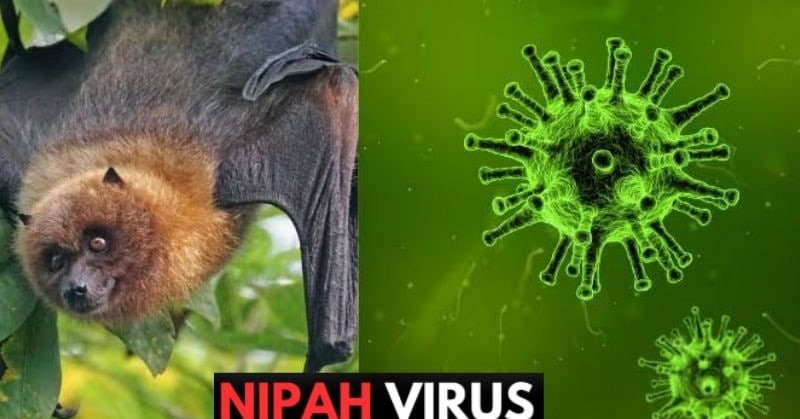
According to the ministry’s new guidelines, transmission occurs through three primary routes: direct contact with infected animals; consumption of food contaminated by the secretions of infected bats (such as raw date palm sap or fruit bitten by bats); and human-to-human transmission through close contact with a patient’s bodily fluids. Currently, there are no specific drugs or vaccines available for the virus; intensive supportive care remains the primary treatment.
To proactively mitigate risks, the ministry has mandated rigorous surveillance at border gates and within communities. Individuals returning from affected regions are required to self-monitor their health for 28 days. Regarding diagnostic procedures, the ministry stipulates that clinical samples must be handled in laboratories meeting Biosafety Level 3 (BSL-3) standards to prevent accidental environmental exposure.
Health experts strongly advise the public to adhere to strict food safety practices: “eat cooked, drink boiled,” thoroughly wash and peel fruits, and strictly avoid any produce that appears to have been bitten by birds or bats. The issuance of these guidelines is considered a vital step in ensuring Vietnam’s national health security and readiness against emerging biological threats.