

HCMC – Vietnam is seeking to position itself as a regional halal processing hub by stepping up cooperation with Indonesia and other Muslim-majority markets.
At a seminar on Indonesia’s halal certification held in HCMC on December 17, officials from both countries described halal as a strategic growth area for trade, investment and supply-chain integration under the recently established Vietnam–Indonesia Comprehensive Strategic Partnership.
The global halal market, serving more than 2.2 billion consumers, is among the world’s fastest-growing segments and is projected to reach US$7–10 trillion by 2030, said Ho Thi Quyen, deputy director of the HCMC Investment and Trade Promotion Centre (ITPC).
Halal is no longer limited to food and beverages, Quyen said, noting rapid expansion into pharmaceuticals, cosmetics, tourism, logistics and financial services, creating new opportunities for Vietnamese companies as the country deepens global integration.
Vietnam has nearly 1,000 halal-certified firms, with brands such as TH True Milk and Trung Nguyen Coffee among early movers. The country ranks among the world’s top 20 exporters of agricultural and food products, including rice, coffee, seafood and spices, many of which already meet halal requirements and are accepted in Muslim-majority markets.
The Government has identified halal as a strategic export sector, particularly targeting the Middle East, South Asia, Africa and Southeast Asia. With large-scale production capacity, stable supply chains and a favorable location, Vietnam could develop into a halal food processing centre for Southeast Asia, Quyen said.
Indonesia’s Consul General in HCMC, Carolina Tinangon, said halal certification should be viewed not only as a regulatory requirement but as a tool to ensure quality, transparency and consumer trust. Global Muslim spending on halal products is expected to reach $10 trillion by 2030, she added.
-

Indonesia’s Consul General in HCMC Carolina Tinangon speaks at an event on Indonesia’s halal certification in HCMC on December 17
Against this backdrop, Indonesia is working on plans to establish an Indonesian halal certification service centre in HCMC, Tinangon said, noting that the move would help facilitate certification procedures and market access for Vietnamese enterprises.
Indonesia’s halal exports are led by food and beverages, followed by Islamic fashion, pharmaceuticals and cosmetics, with key markets including the United States, China, India, Pakistan and Malaysia.
However, limited certification capacity and a lack of mutual recognition remain key obstacles for Vietnamese exporters, according to Abdurahman Fahmi Imran, president director of Indonesia’s Al Rahman Halal Guarantee Agency, an authorised body involved in halal certification and compliance.
Imran said interest among Vietnamese companies in accessing Indonesia’s halal market – one of the world’s largest – has risen sharply, particularly in food processing and agricultural products. But certification infrastructure in Vietnam remains underdeveloped, with only a small number of active halal certification bodies and some not yet recognised by Indonesia’s halal authority.
He said expanding cooperation between certification agencies and accelerating mutual recognition arrangements would help streamline procedures and facilitate trade. Imran welcomed plans by Indonesian-linked certification agencies to expand their presence in Vietnam, calling this a positive step for exporters, particularly in southern Vietnam, while stressing that broader, nationwide capacity-building would still be needed.
-
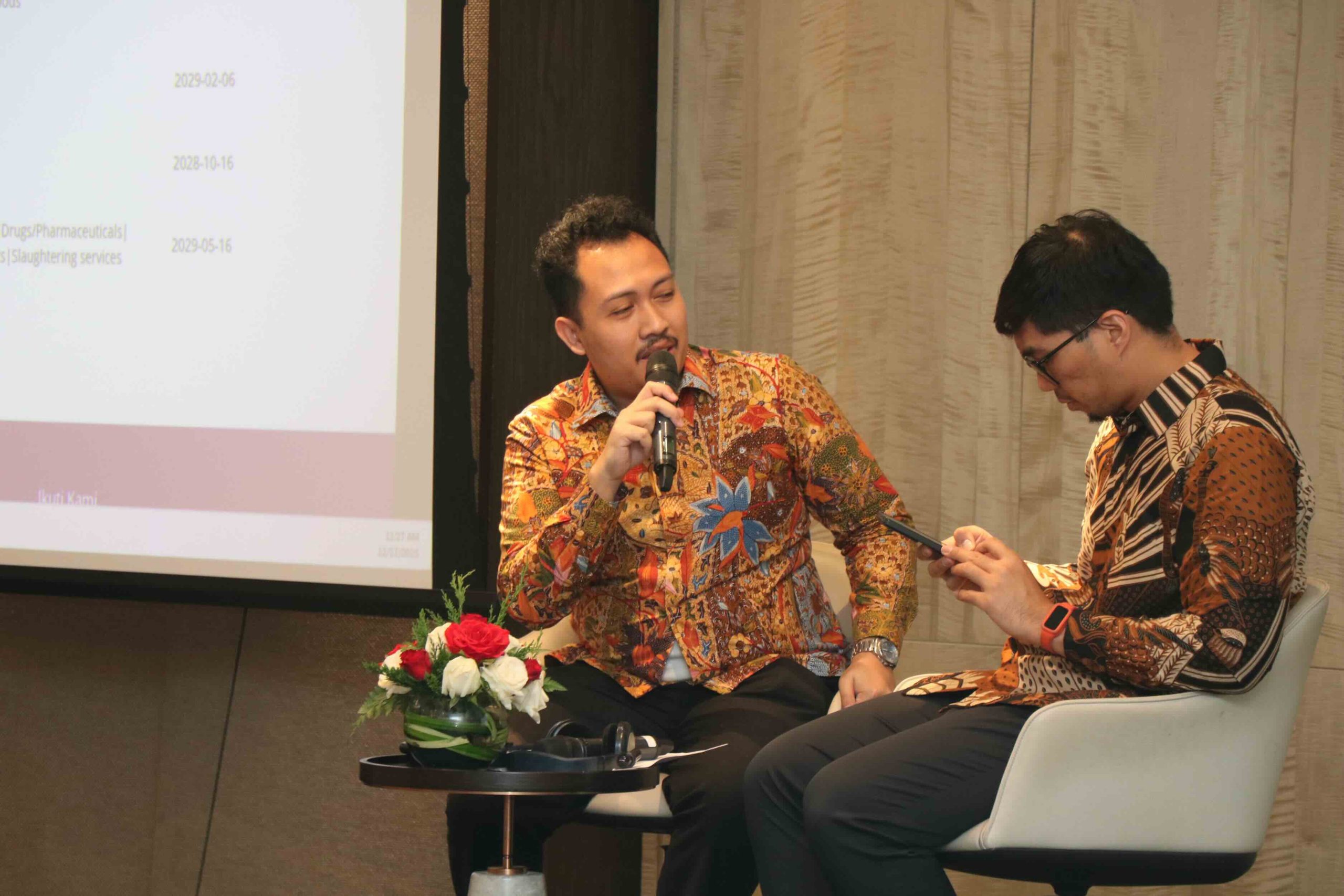
Speakers attend an event on Indonesia’s halal certification, focusing on Vietnam–Indonesia cooperation in halal trade
From the industry side, Nguyen Thi Ngoc Hang, marketing manager at HCA Vietnam, a halal certification agency in Vietnam, told The Saigon Times that many Vietnamese firms may not be fully aware of the requirements of entering halal markets.
“The first and most critical step is understanding the target market,” Hang said. “Enterprises need to clearly identify what the market requires and honestly assess whether their current production conditions can meet those standards.”
She said most halal standards impose strict controls on raw materials, ingredient sourcing and traceability, while also requiring compliance in factory conditions, hygiene protocols and quality management systems.
“For companies that have not exported before, completing a proper quality management system and ensuring full traceability of inputs is essential,” Hang said. “These are common requirements across nearly all halal certification regimes globally.”
Hang added that while Vietnam has strong advantages in agricultural production, greater awareness, technical guidance and early preparation would be needed for companies to scale up halal-certified exports sustainably.
Indonesia and Vietnam elevated ties to a Comprehensive Strategic Partnership in March this year, marking 70 years of diplomatic relations, with a target of lifting bilateral trade to US$18 billion by 2028.







