Saigon Times Group is a leading Vietnamese media organization with prestigious business and consumer publications. After three decades of development, we have built a good reputation through our publications on economy, business and markets for Vietnamese and foreign readers.
Basic
Free
Free access to daily domestic news, podcasts and videos
Premium
$5 $1 /month (VND 23,900)
MonthlyAnnual
Unlimited access to domestic news, podcasts, videos and magazine articles on current social / economic / trade / investment issues, commodity / financial/securities markets, M&A activity, FDI, local and foreign business communities and more.
Your payment method will then be automatically charged ₫ 899.000 every 365 days thereafter.
Your subscription will continue until you cancel.
You can cancel by using My account. Under My account, select "Unsubscribe" and then follow the instructions to cancel.
You can notify us of your intent to cancel at any time during your billing period. Cancellations take effect at the end of your current billing period.
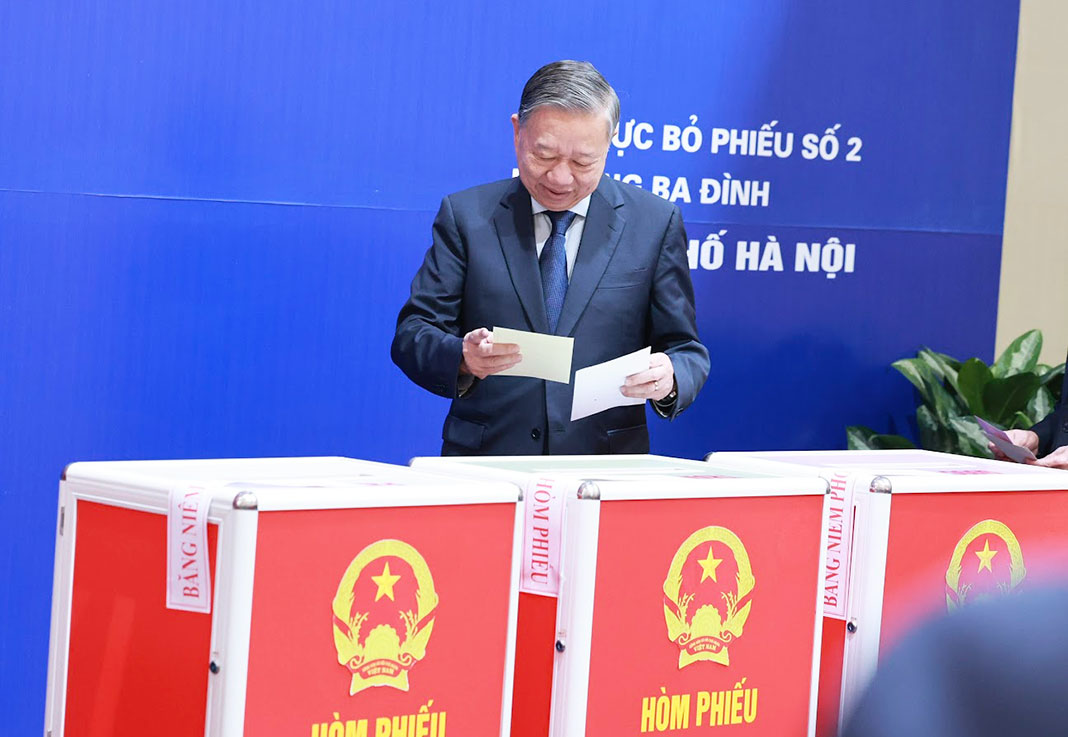
Party General Secretary and Secretary of the Central Military Commission To Lam casts his ballots at Polling Station No. 2 in Ba Dinh Ward, Hanoi - PHOTO: VGP
HCMC – Around 79 million voters across the country and abroad today, March 15, are going to more than 72,000 polling stations to cast their ballots, marking the start of the elections of representatives to the 16th National Assembly and People’s Councils at all levels for the 2026-2031 tenure.
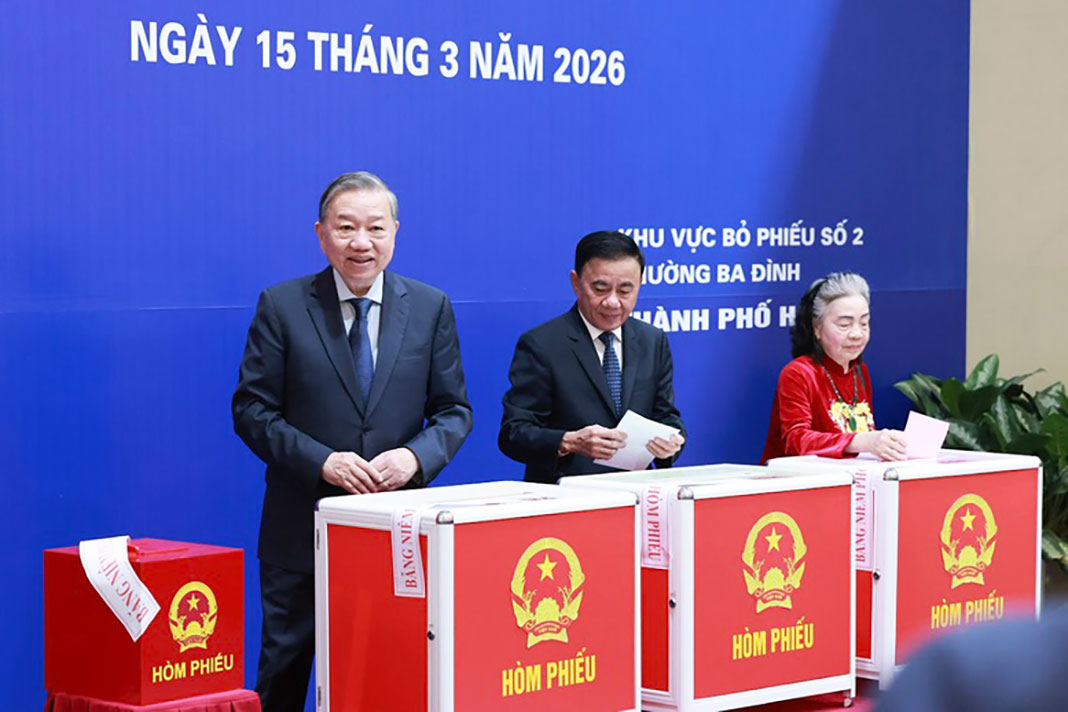
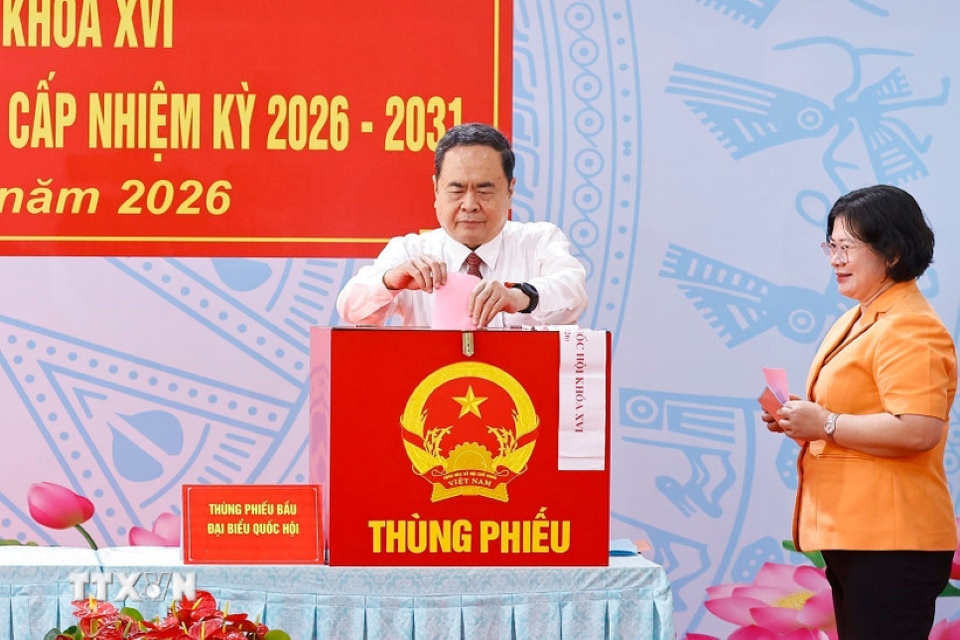
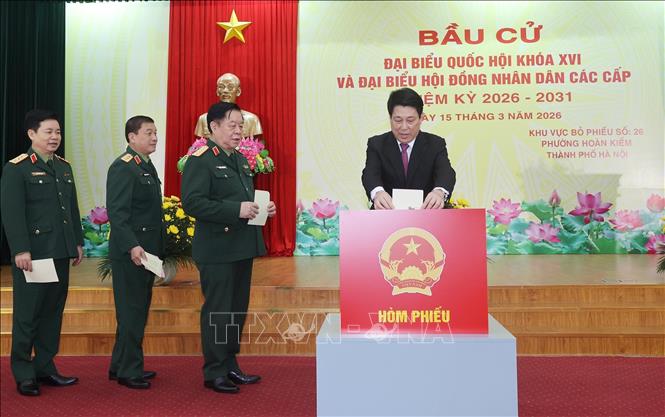
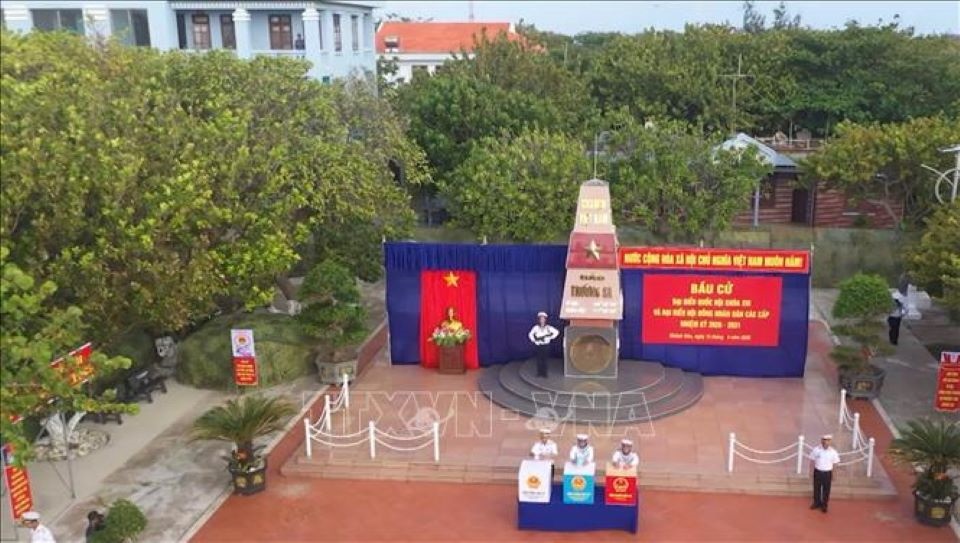
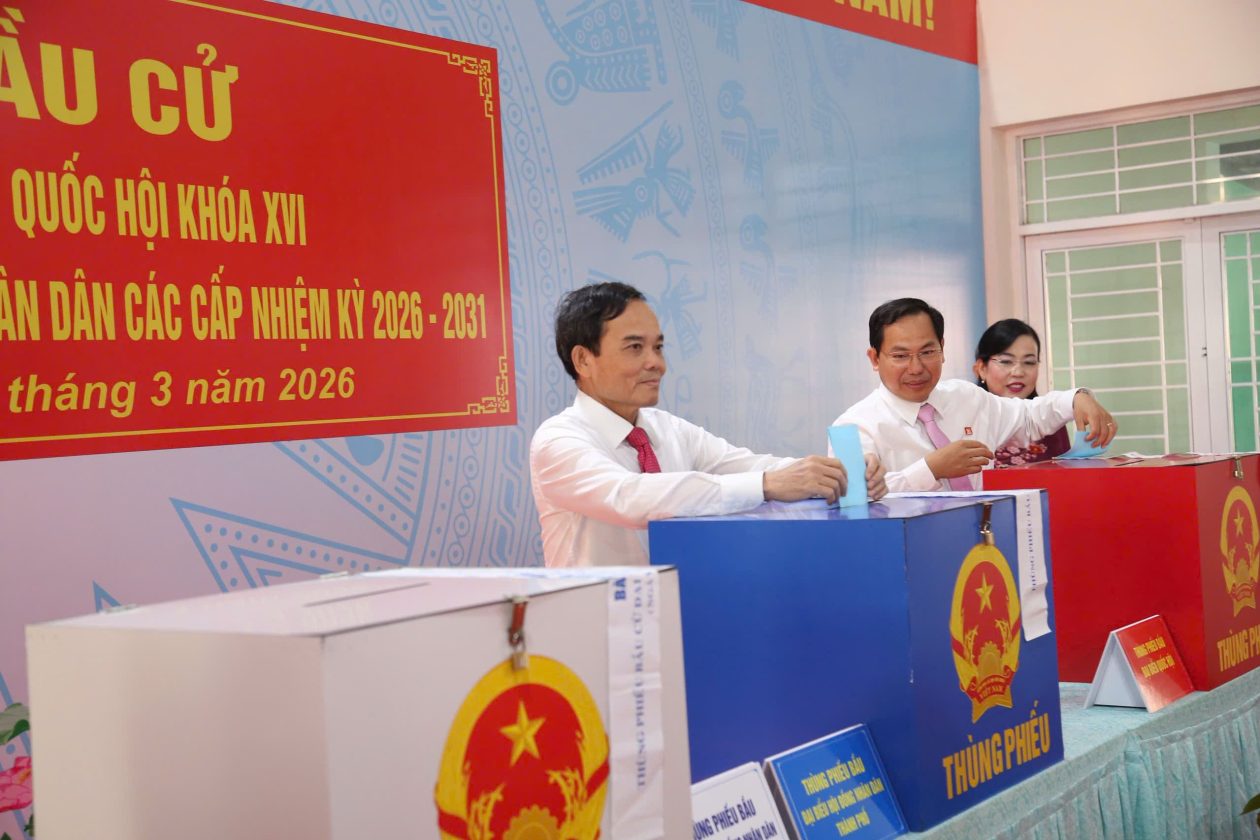
Party General Secretary and Secretary of the Central Military Commission To Lam (L) poses for a photo after casting his ballots at Polling Station No. 2 in Ba Dinh Ward, Hanoi, with Tran Cam Tu (C), permanent member of the Secretariat of the Party Central Committee, preparing to vote – PHOTO: VGPParty General Secretary To Lam (C) and other voters pose for a group photo after casting their ballots at Polling Station No. 2 in Ba Dinh Ward, Hanoi – PHOTO: VGPNational Assembly Chairman Tran Thanh Man casts his ballots at Polling Station No. 14 at Do Van Day Secondary School in Hoc Mon Commune, HCMC, with HCMC Party Committee Deputy Secretary Van Thi Bach Tuyet waiting for her turn to vote – PHOTO: VNAState President Luong Cuong casts his ballot at Polling Station No. 26 in Hoan Kiem Ward, Hanoi – PHOTO: VNAPrime Minister Pham Minh Chinh and his spouse cast their ballots at Polling Station No. 21 in Tay Ho Ward, Hanoi – PHOTO: VNAThe election atmosphere on Truong Sa Island at Truong Sa Sa (Spratly) Special Administrative Zone in the central province of Khanh Hoa – PHOTO: VNAOn the morning of March 15, ethnic minority groups in Lung Cu Commune, Tuyen Quang Province — where the national sovereignty landmark at the Lung Cu Flag Tower stands — enthusiastically head to the polls – PHOTO: VNA
The Vietnamese voters will elect 500 deputies to the 16th National Assembly and members of People’s Councils at provincial/city and ward/commune levels for the 2026-2031 tenure.
HCMC records the highest number of voters in the country, with nearly 9.7 million people. All 13 National Assembly constituencies and 42 People’s Council constituencies across the city have simultaneously held their opening ceremonies.
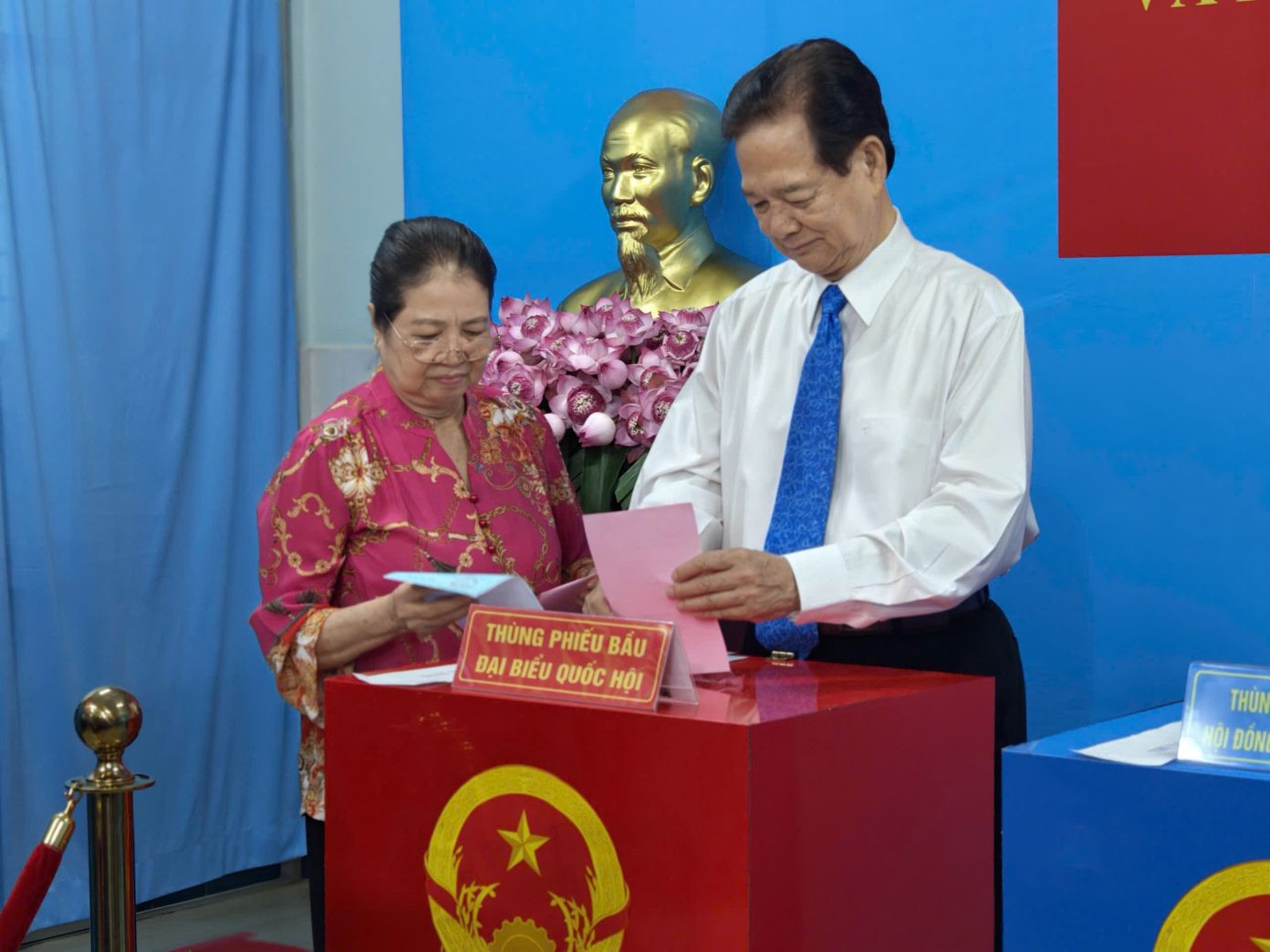
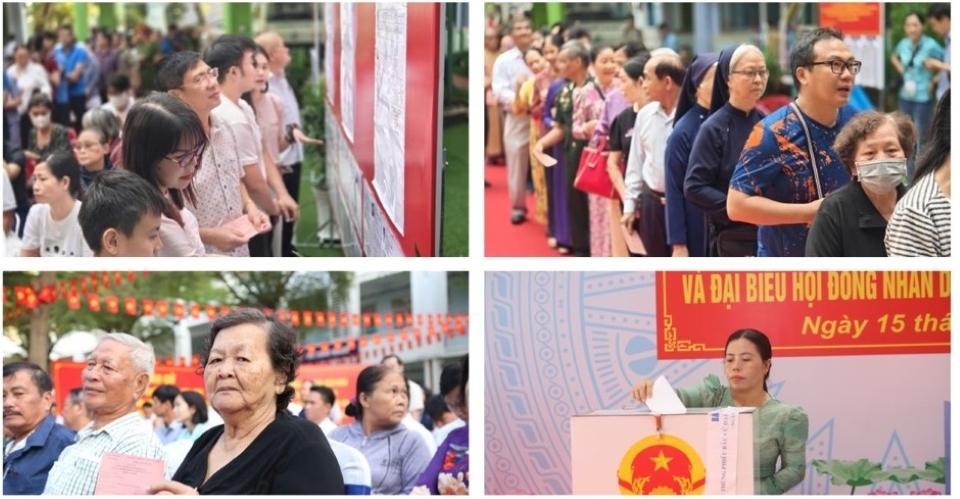
HCMC Party Committee Secretary Tran Luu Quang casts his ballots at Polling Station No. 14 in Hoc Mon Commune, HCMC – PHOTO: THE SAIGON TIMESFormer Prime Minister Nguyen Tan Dung and his wife are among the first voters to cast their ballots at a polling station in Xuan Hoa Ward, HCMC – PHOTO: THE SAIGON TIMESLocal residents are seen at polling stones around HCMC – PHOTO: THE SAIGON TIMES
According to regulations, voting typically begins at 7 a.m. and concludes at 7 p.m. on the same day. Depending on specific conditions, local election committees may decide to open their polling stations earlier – though not before 5 a.m. – or close them later, but no later than 9 p.m. In cases where 100% of registered voters in an area have completed their ballots, voting may conclude early.
The first session of the 16th National Assembly is scheduled to open on April 6. During this session, the National Assembly will review the organizational structure, finalize key state leadership positions, and decide on several critical issues for the new tenure.
Naturalized footballer Do Hoang Hen (Hanoi FC) performs his sacred duty as a Vietnamese citizen this morning, March 15, at a polling station in Tu Liem Ward, Hanoi – PHOTO: VNA