Saigon Times Group is a leading Vietnamese media organization with prestigious business and consumer publications. After three decades of development, we have built a good reputation through our publications on economy, business and markets for Vietnamese and foreign readers.
Basic
Free
Free access to daily domestic news, podcasts and videos
Premium
$5 $1 /month (VND 23,900)
MonthlyAnnual
Unlimited access to domestic news, podcasts, videos and magazine articles on current social / economic / trade / investment issues, commodity / financial/securities markets, M&A activity, FDI, local and foreign business communities and more.
Your payment method will then be automatically charged ₫ 899.000 every 365 days thereafter.
Your subscription will continue until you cancel.
You can cancel by using My account. Under My account, select "Unsubscribe" and then follow the instructions to cancel.
You can notify us of your intent to cancel at any time during your billing period. Cancellations take effect at the end of your current billing period.
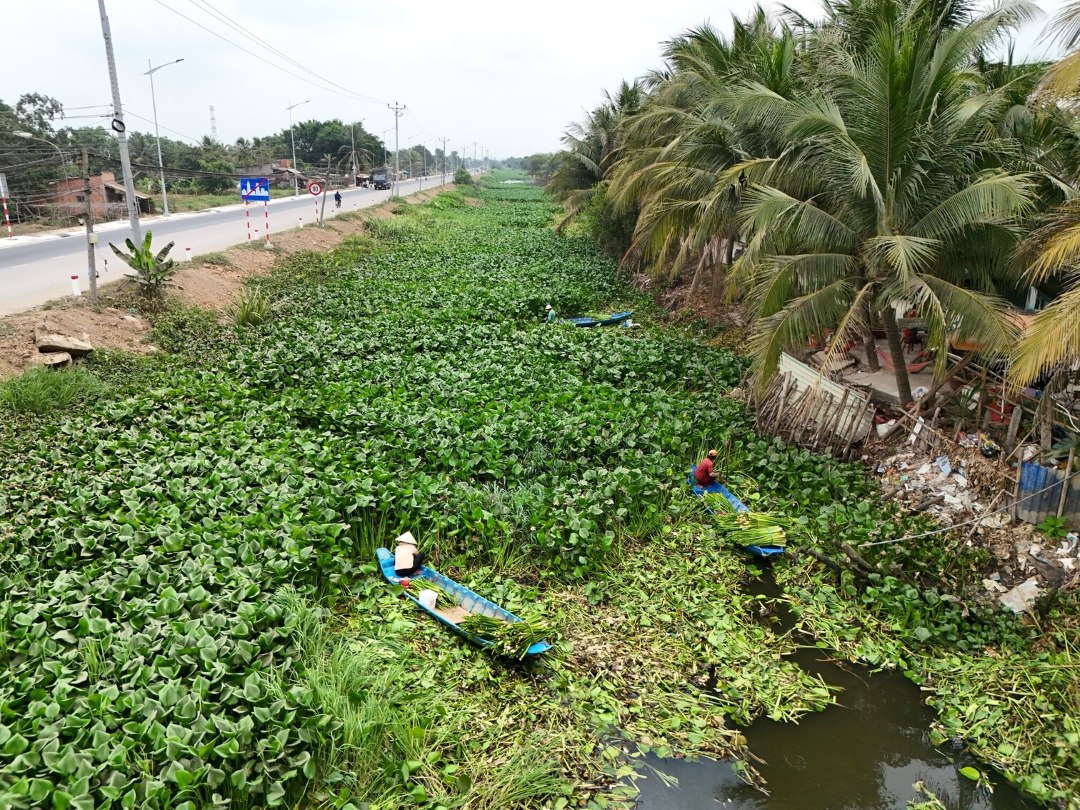
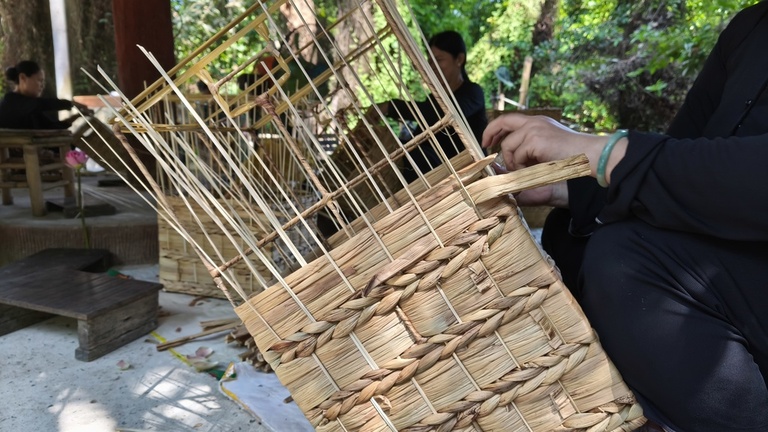
Once dismissed as a nuisance choking waterways, water hyacinth in the Mekong Delta is now being turned into a source of income for local residents. From harvesting and drying to weaving, the plant is now part of a small but steady livelihood and helps keep canals clear.
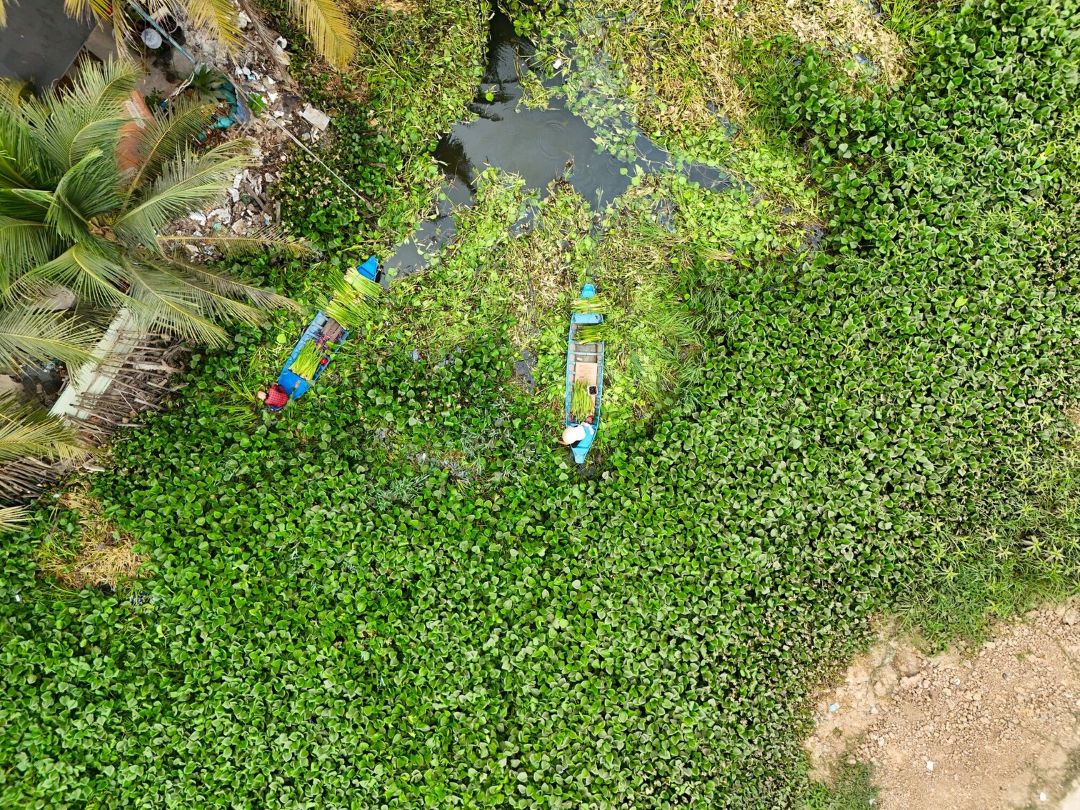
Across the delta, dense mats of water hyacinth have long clogged rivers and canals, hindering boat traffic and disrupting the transport of farm produce and irrigation. During the flood season, the fast-growing plant has been a persistent concern for local communities. Rather than treating it solely as waste requiring costly removal, many areas have begun to turn its collection into an income-generating activity.
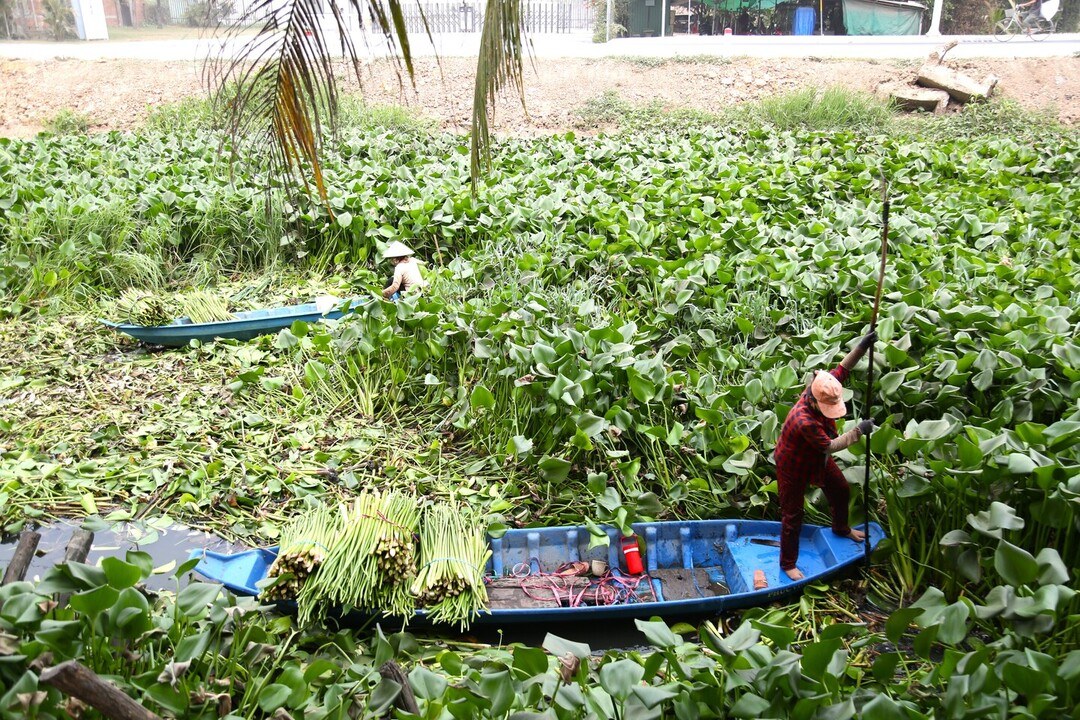
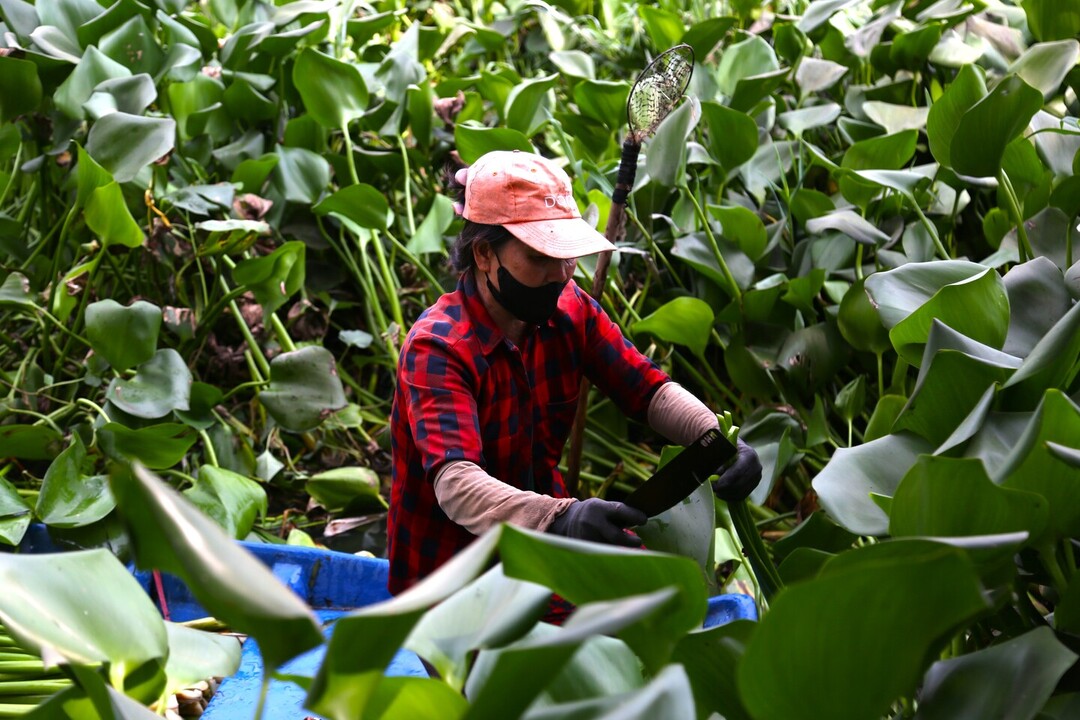
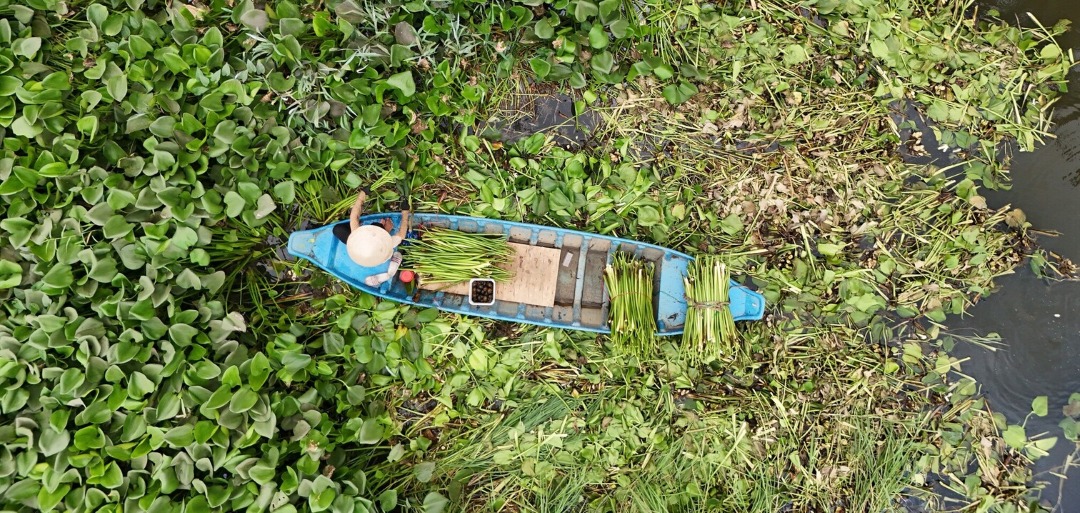
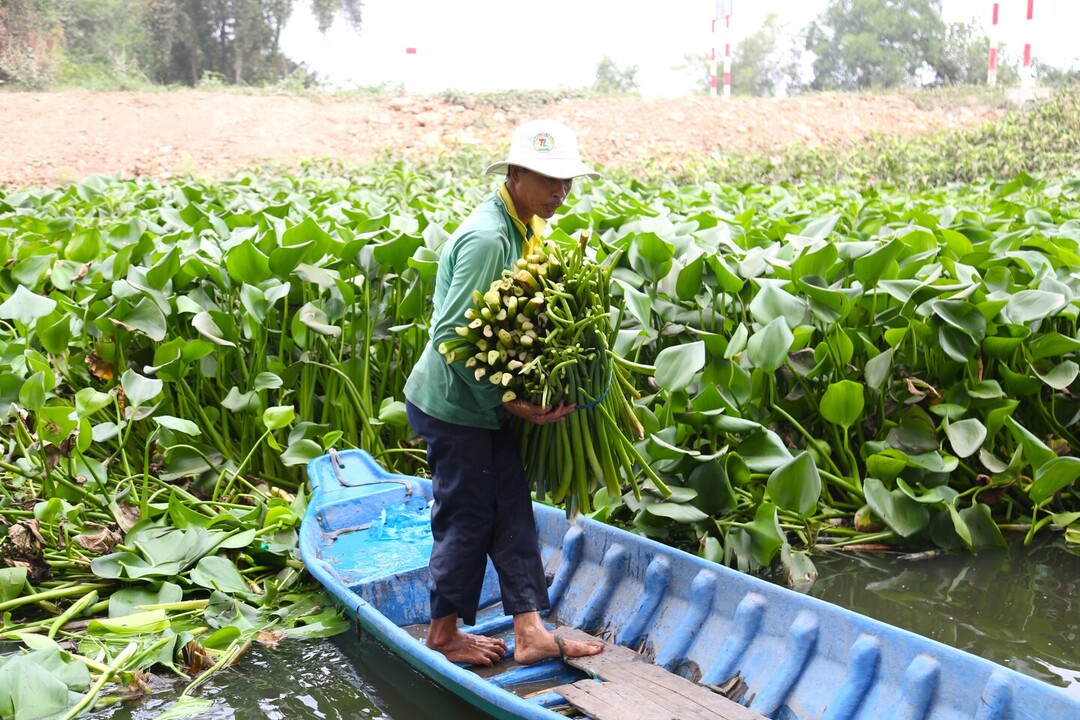
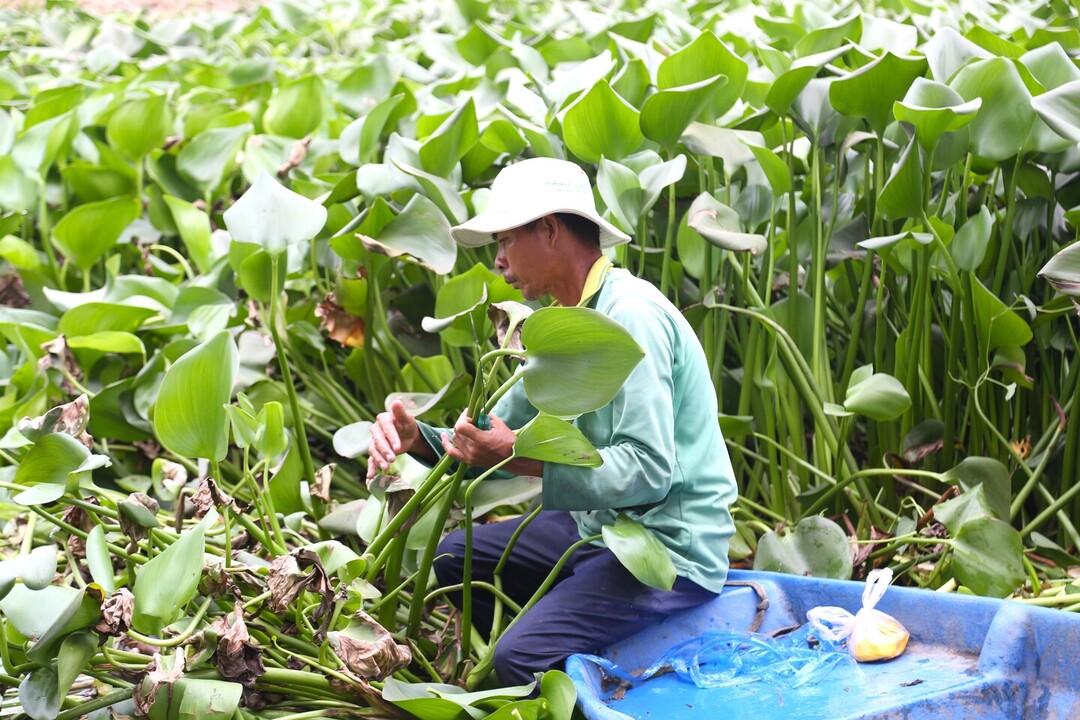
Water hyacinth blankets canals throughout the Mekong Delta, often covering entire stretches of waterwaysIn Hiep Hoa Commune, Tay Ninh Province, a canal is almost entirely covered with water hyacinth under the late-April sun. Residents maneuver small boats through the dense vegetation to harvest the plant.Harvesters cut water hyacinth when it reaches about 70–80 centimeters in length. The top leaves are removed, leaving only the usable stems.
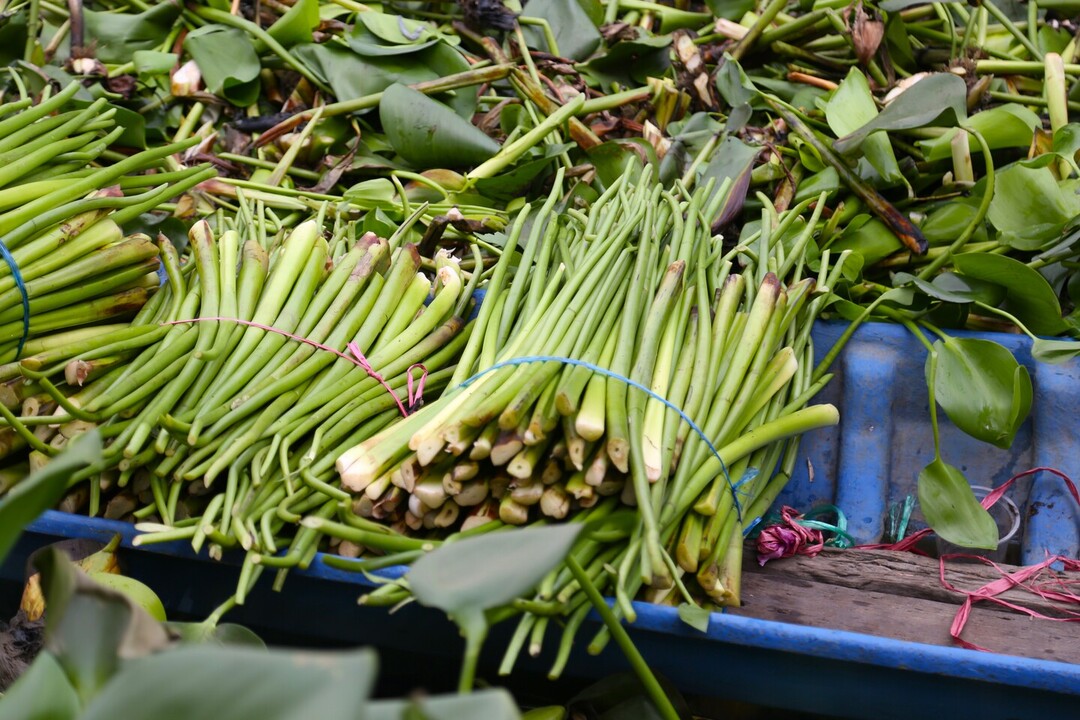
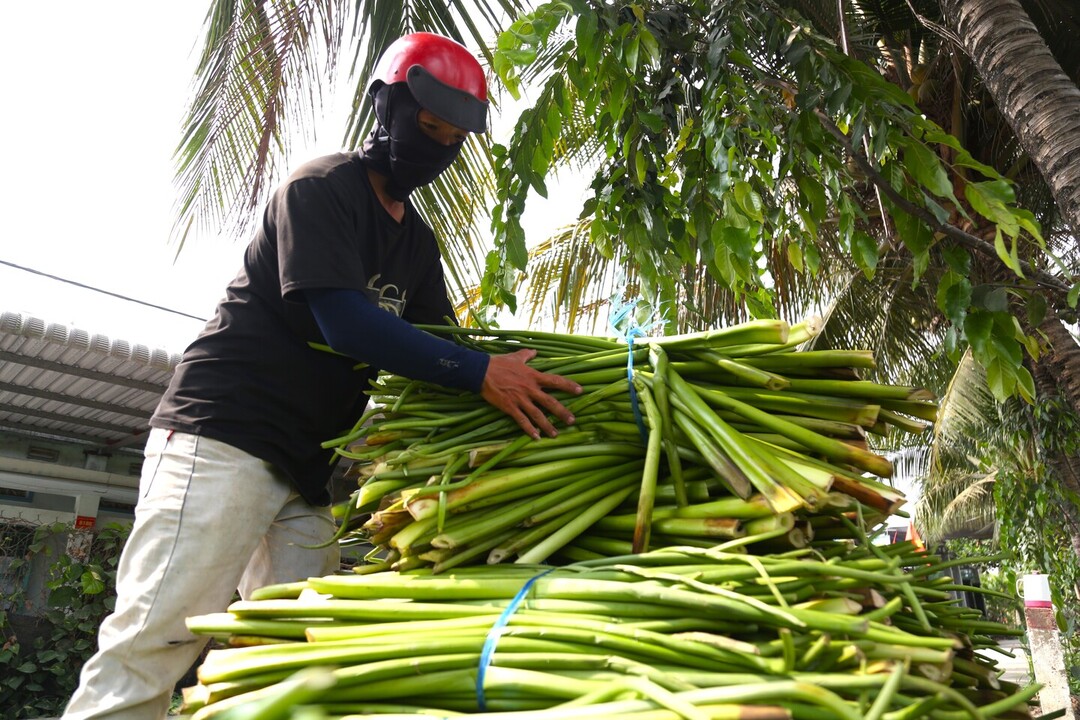
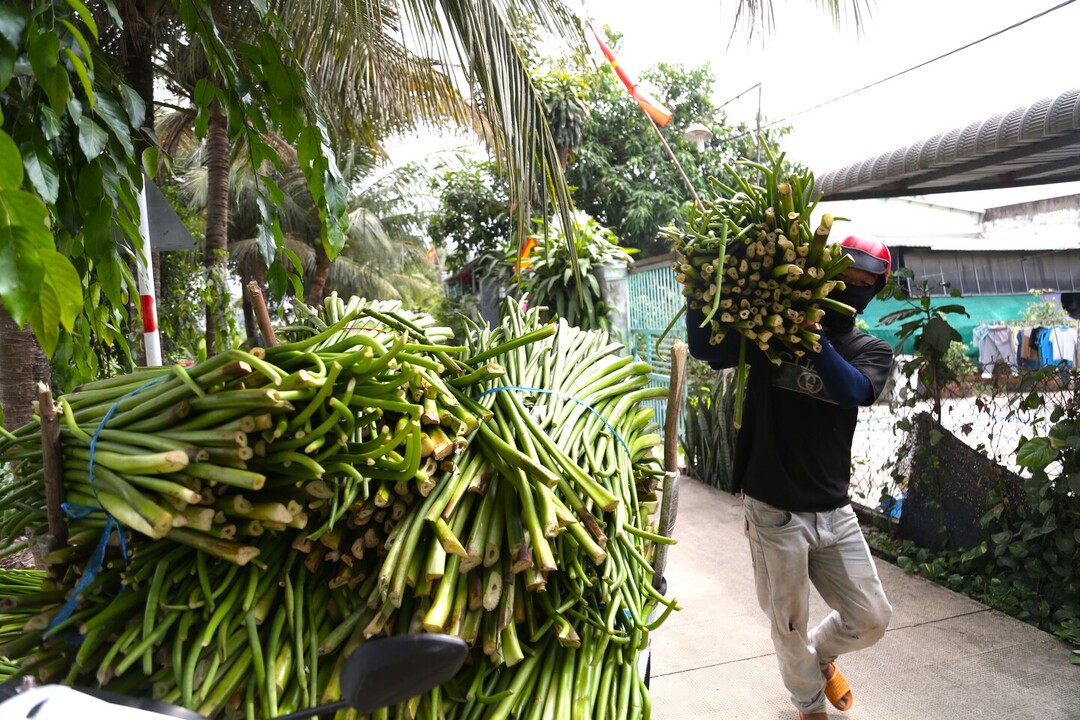
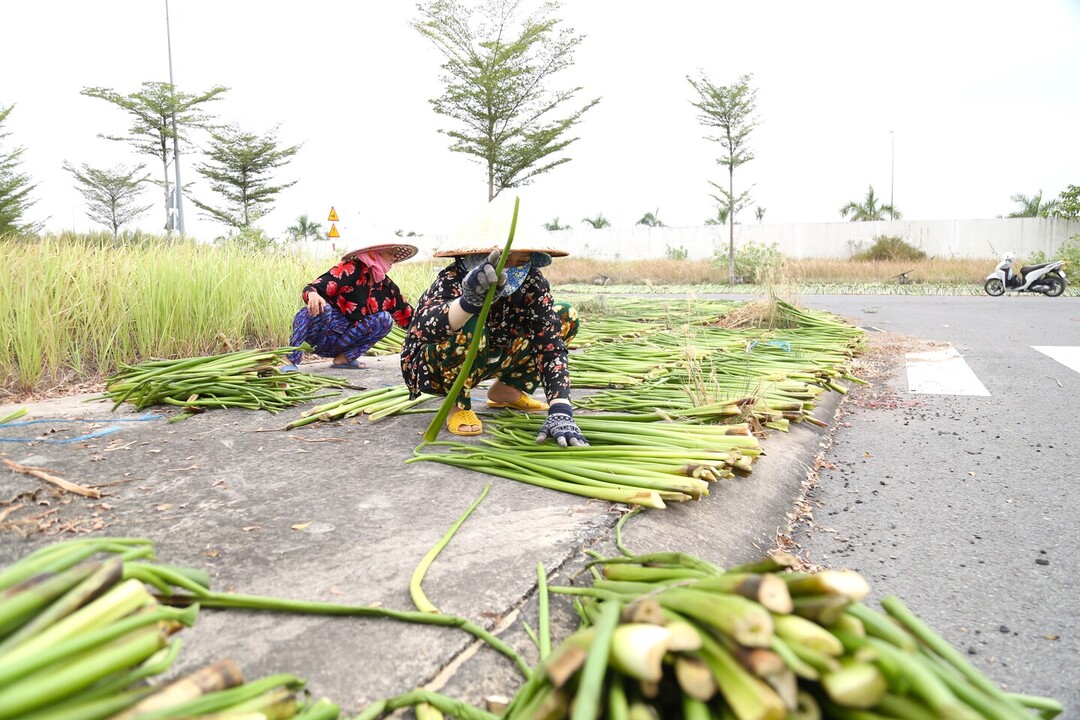
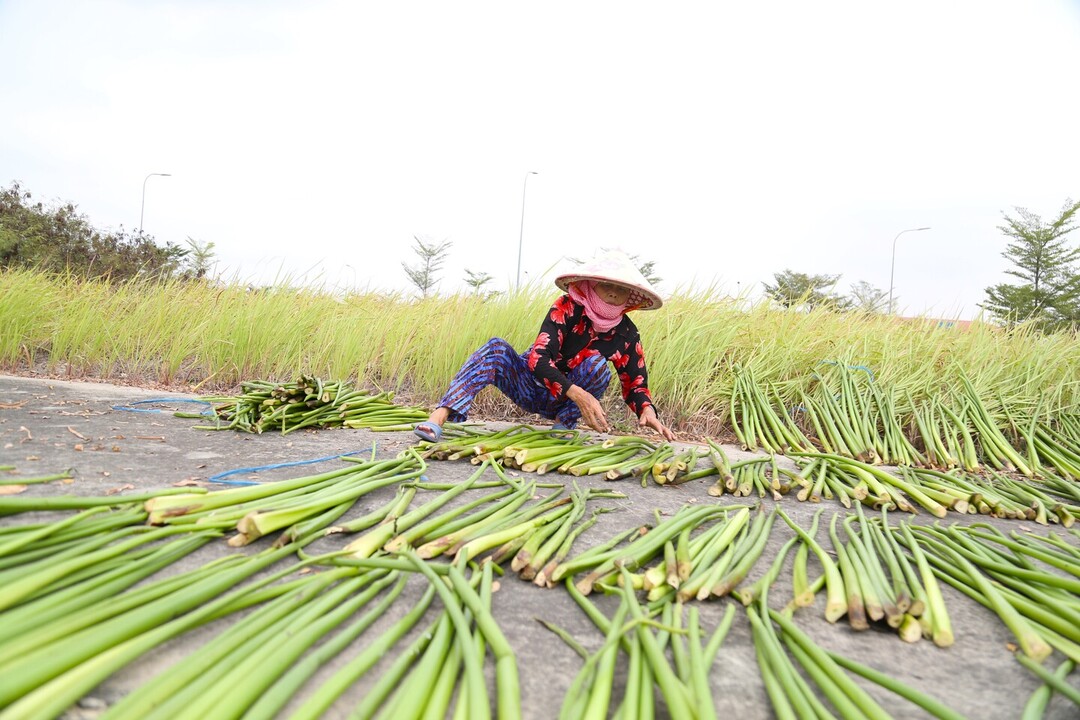
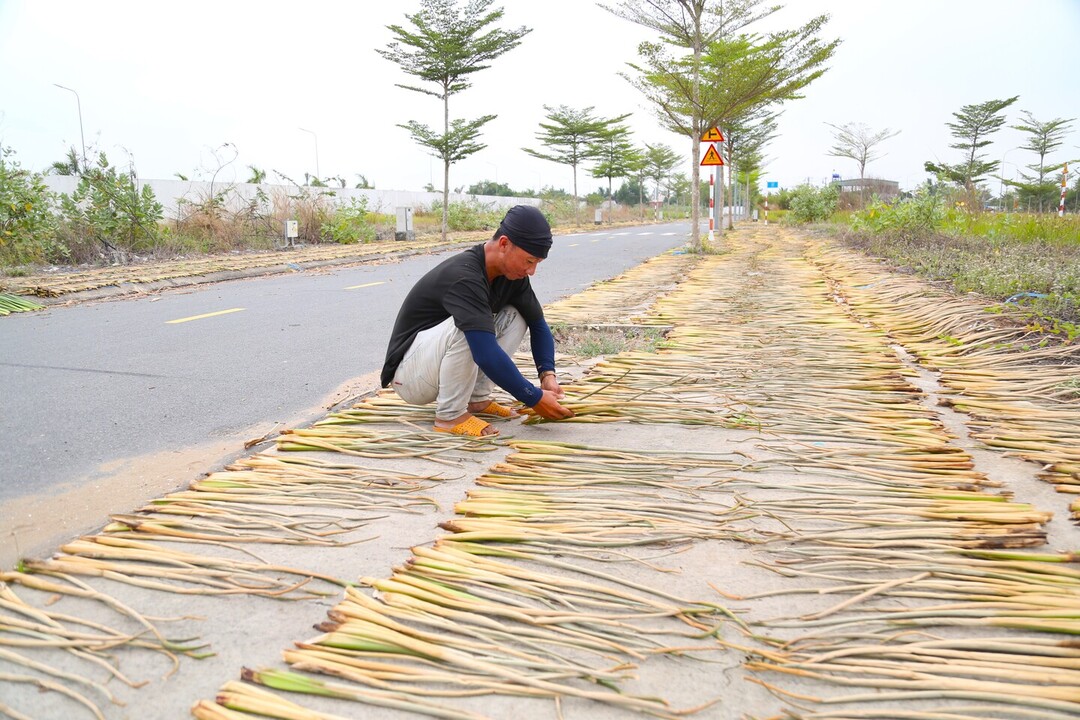
After harvesting, the plants are tied into bundles of about 10 kilograms each for easier transport and collectionFor many rural workers, the activity has become a stable source of primary or supplementary incomeThanh Tu, a local resident, says the work has improved his income stability. If he works hard cutting hyacinth, he can earn VND300,000–400,000 per day.Traders collect the harvested hyacinth on-site before transporting it to drying areasBinh An, a trader, says high-quality dried hyacinth sells for more than VND25,000 per kilogram. It will then be supplied to weaving workshops both inside and outside the province to produce handicrafts.On average, about 12 kilograms of fresh hyacinth yield one kilogram of dried material. The processed fibers are used to make handicrafts such as baskets, mats, and decorative items.Residents take advantage of the hot weather to dry the plants. Under strong sunlight, the process takes two to three days; in weaker or unstable conditions, it can take up to five days.Drying depends heavily on the weather, as unexpected rain can cause mold and lower product qualityOnce an obstacle to waterway transport, water hyacinth has become a valuable raw material, providing income and improving livelihoods for many households. A craftsperson weaves dried water hyacinth into a handmade product.While relatively simple, the work requires physical stamina and is affected by weather conditions, especially on days when workers must remain in the water for extended periods to collect the plants.