
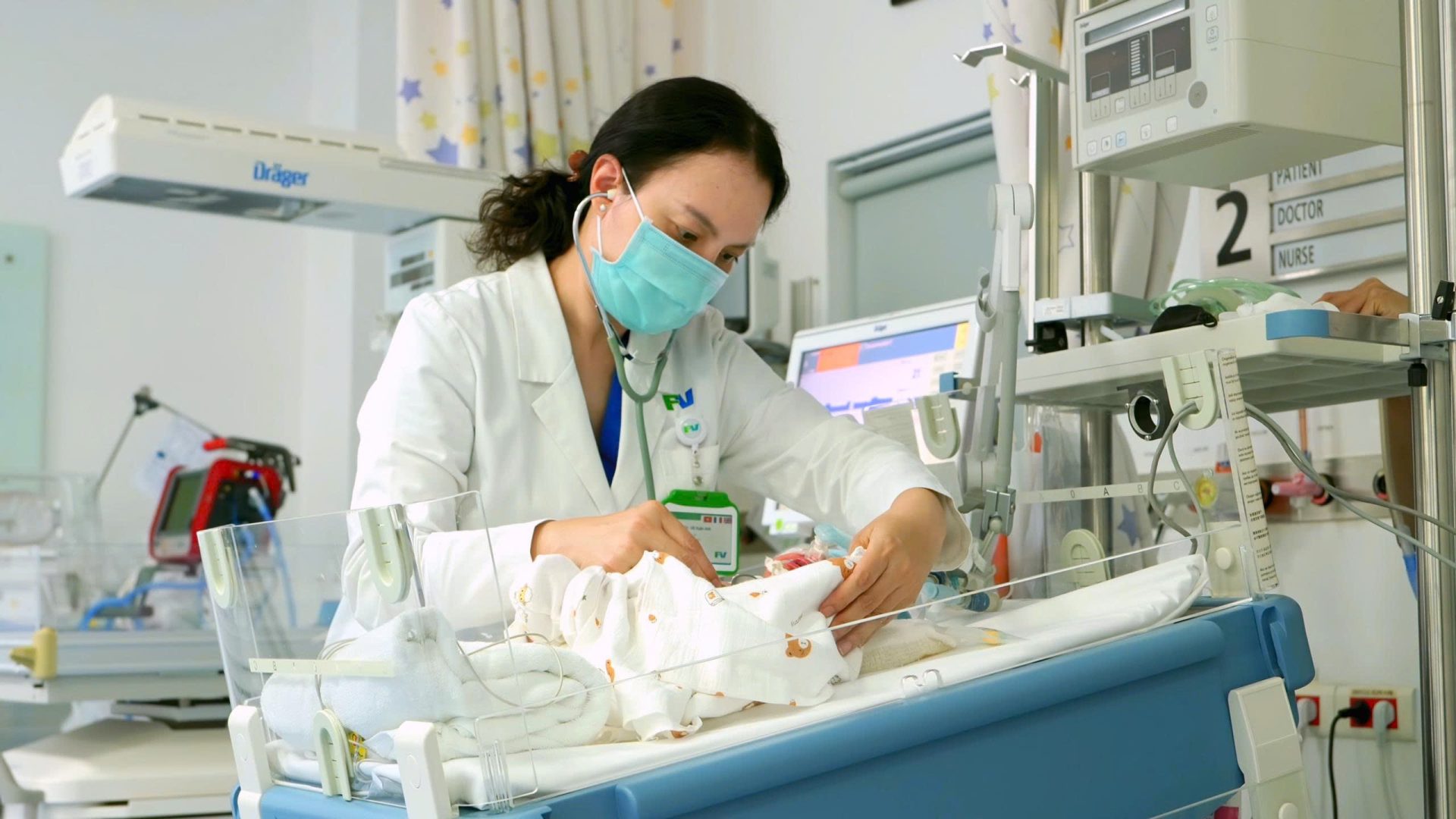
Doctors at FV Thomson Maternity and Paediatrics & Neonatology at FV Hospital successfully collaborated to help a 42-year-old pregnant woman with hypertension safely deliver her baby while also saving the critically ill newborn suffering from pulmonary hypertension.
Close multidisciplinary care helps stabilize high-risk pregnancy
A woman in HCMC experienced an acute hypertensive crisis at six weeks of pregnancy. Following examination, she was diagnosed with chronic hypertension and advised to terminate the pregnancy to ensure maternal safety. However, driven by her strong desire to become a mother, she decided to continue the pregnancy.
At 32 weeks of gestation, she was admitted to FV Hospital with unstable blood pressure and signs of preeclampsia.
She underwent a series of tests, ultrasounds, and cardiotocography (CTG) monitoring. Doctor Vo Trieu Dat, head of the Obstetrics & Gynaecology at FV Thomson Maternity, FV Hospital commented: “This was a highly complex case. We had to ensure the safety of both mother and baby while stabilizing the mother’s blood pressure, protecting fetal development, and avoiding the need for premature delivery”.
The patient was closely monitored daily by doctors and nurses through regular ultrasounds and fetal heart rate assessments to ensure that even the slightest changes were detected promptly. Any abnormal maternal signs were immediately addressed to prevent potentially serious complications.
Thanks to the patient’s strict adherence to treatment and the medical team’s rigorous monitoring and management protocol, the pregnancy was safely maintained until week 37. This important milestone allowed the cesarean section to be performed under safe conditions for both mother and baby.
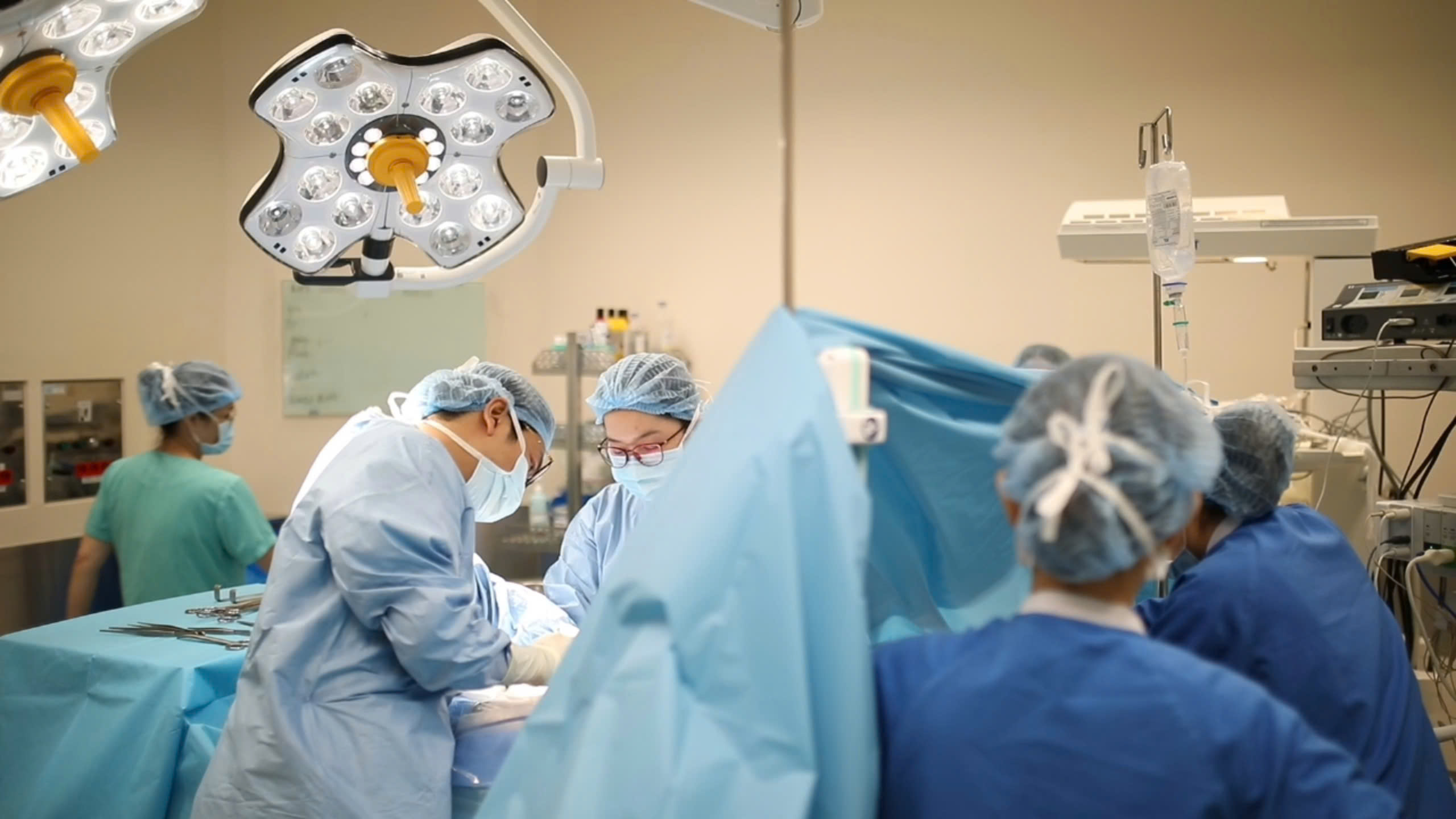
Saving critically ill newborn with pulmonary hypertension
The cesarean section proceeded as planned, and the team was relieved when the baby gave the first cry after birth. However, just five minutes later, the baby suddenly developed generalized cyanosis and required respiratory stimulation and nasal oxygen support. Fifteen minutes later, a second cyanotic episode occurred.
The Pediatrics team quickly stabilized the baby and conducted in-depth diagnostic assessments to determine the newborn’s condition.
Doctor Ho Xuan Anh, specialist Level II, deputy head of the Paediatrics & Neonatology Department, said: “Typically, pulmonary hypertension in newborns develops within 6 to 12 hours after birth. However, based on the baby’s symptoms and the mother’s medical condition during pregnancy, we immediately suspected neonatal pulmonary hypertension.”
Advanced diagnostic tests later confirmed that the baby had severe neonatal pulmonary hypertension. This is a serious respiratory disorder that can occur in both full-term and premature infants. Without early detection and timely, appropriate treatment, it may negatively affect a child’s physical and cognitive development later in life.
The baby was immediately transferred to the Neonatal Intensive Care Unit, which operates under a strict infection control system.
There, doctors provided non-invasive ventilation combined with advanced neonatal nutritional support techniques, including parenteral nutrition and umbilical venous catheterization. In addition to medication and intensive care techniques, the medical team also incorporated supportive therapies such as music therapy and skin-to-skin contact with the mother to help the baby recover more quickly.
For infants with pulmonary hypertension, these supportive measures are particularly important, as even brief pain from medical procedures or stress caused by noise can easily trigger cyanotic episodes.
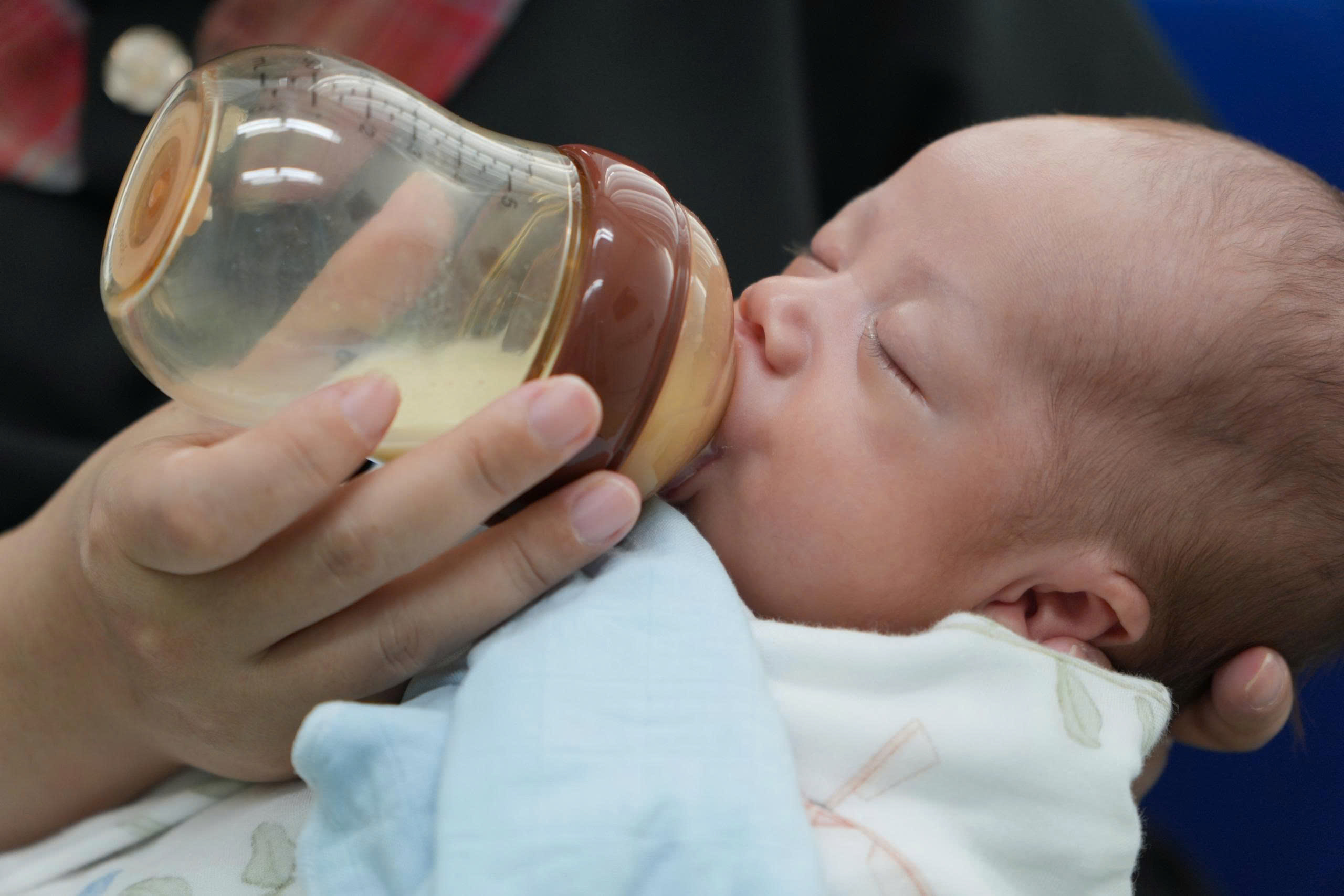
After nearly three weeks of treatment, the baby was discharged in stable condition, bringing immense joy to both the family and the medical team.
Obstetrics and paediatrics collaboration
According to the doctors, the success of this case resulted from close multidisciplinary collaboration throughout the entire treatment journey – from pregnancy monitoring and prenatal preparation by the Obstetrics team to the timely management of neonatal complications by the Pediatrics and Neonatal Intensive Care teams.
Dr. Vo Trieu Dat emphasized: “Where there is obstetrics, there must also be paediatrics. The two teams worked together seamlessly, understanding every step of the process to ensure continuous safety for both mother and baby throughout the pregnancy and delivery journey.”
This integrated strength has helped the FV Thomson Maternity become a trusted obstetric center in Southern Vietnam, capable of managing high-risk pregnancies and complex obstetric complications.
Doctors recommend that pregnant women, especially those aged 35 and older or those with underlying conditions such as hypertension, undergo close pregnancy monitoring, regular prenatal check-ups, and all necessary screening tests.
After birth, if a newborn shows unusual signs such as cyanosis, breathing difficulties, or poor feeding, parents should seek prompt medical attention for early intervention.
For infants previously diagnosed with pulmonary hypertension, close monitoring during the first months of life and strict adherence to follow-up appointments play a crucial role in ensuring long-term development.
For more information about pregnancy monitoring and maternity care services, birth packages, and promotional programs at FV Hospital, readers may visit 06 Nguyen Luong Bang Street, Tan My Ward (formerly District 7), Ho Chi Minh City, or contact the hotline at (028) 35 11 33 33.