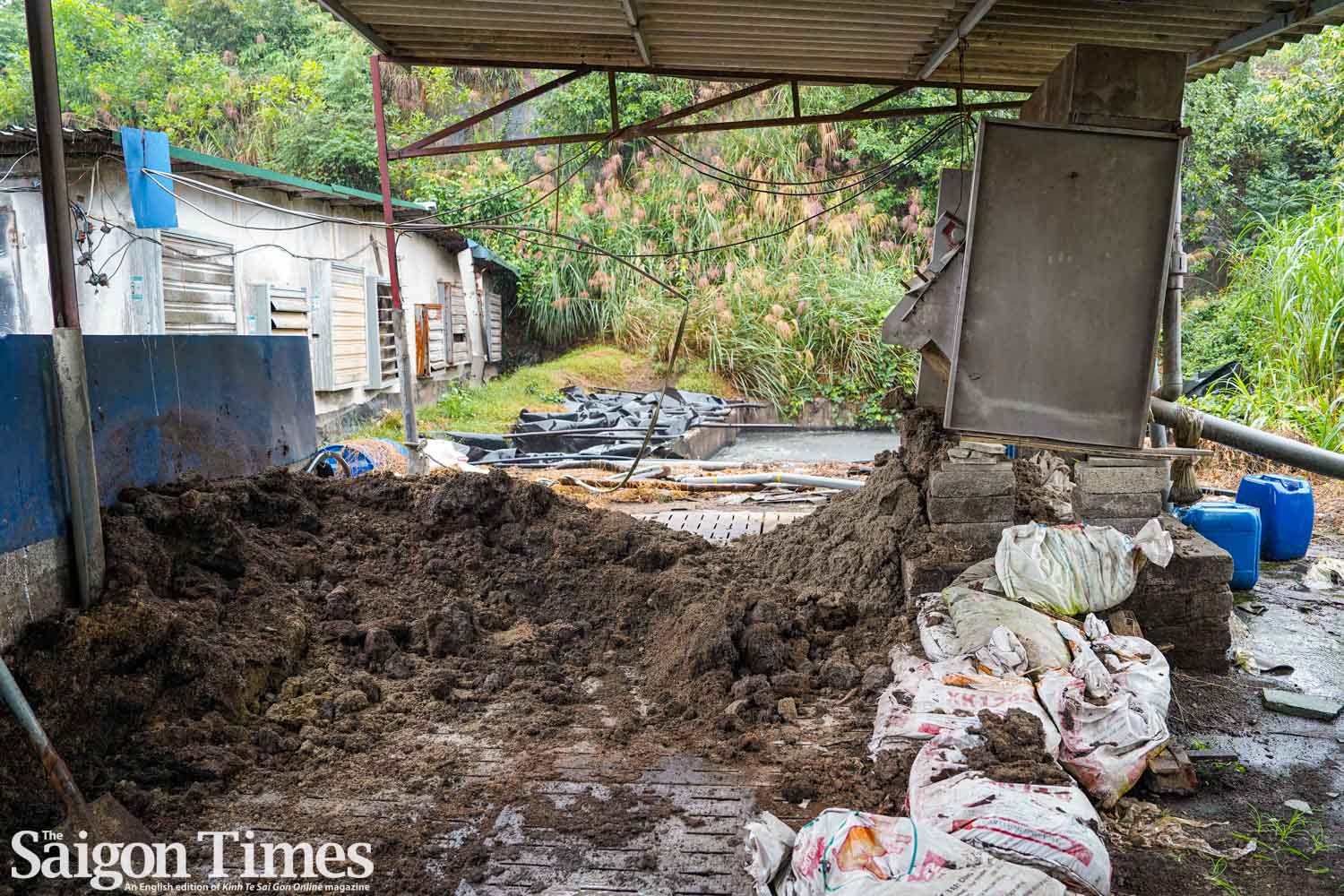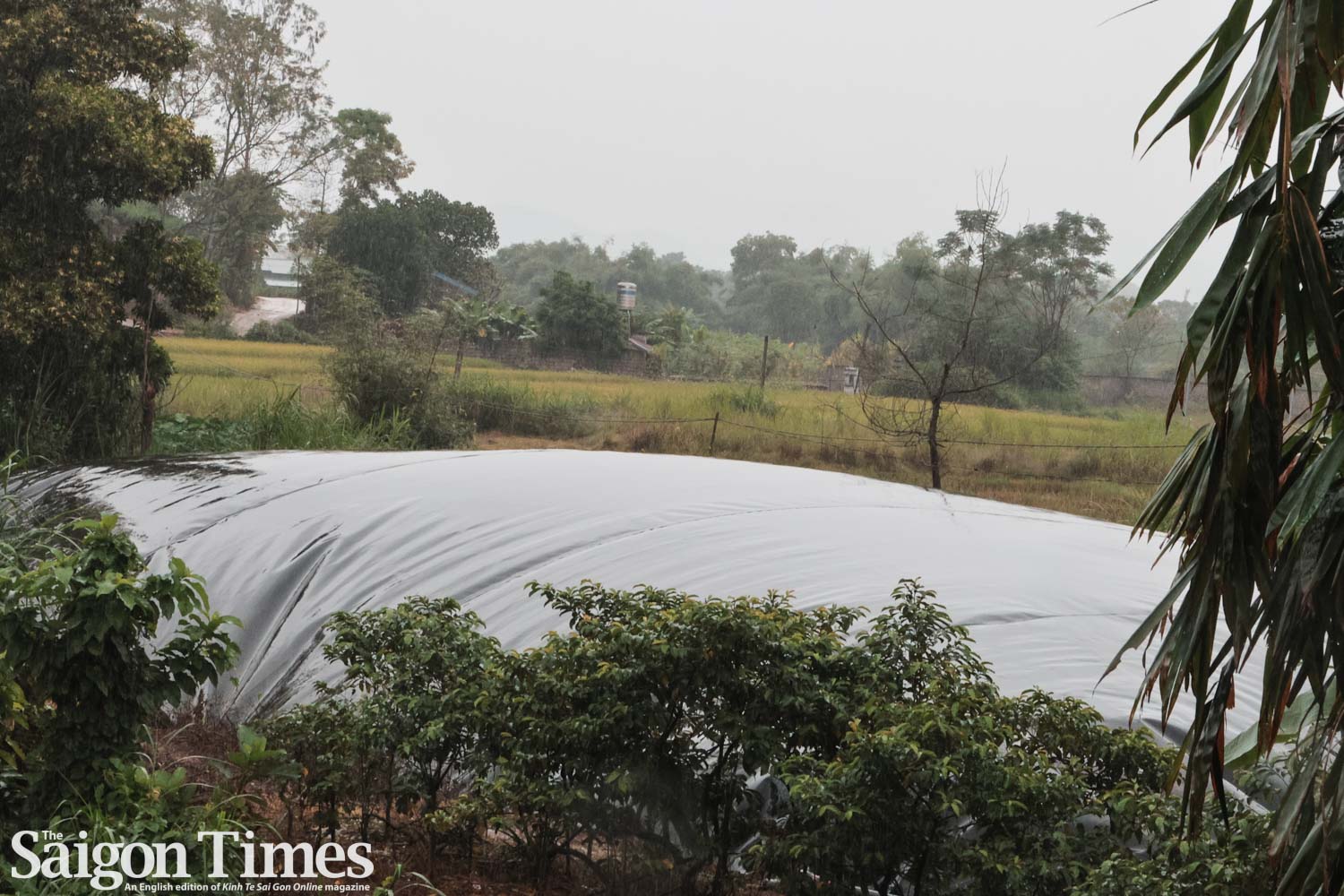
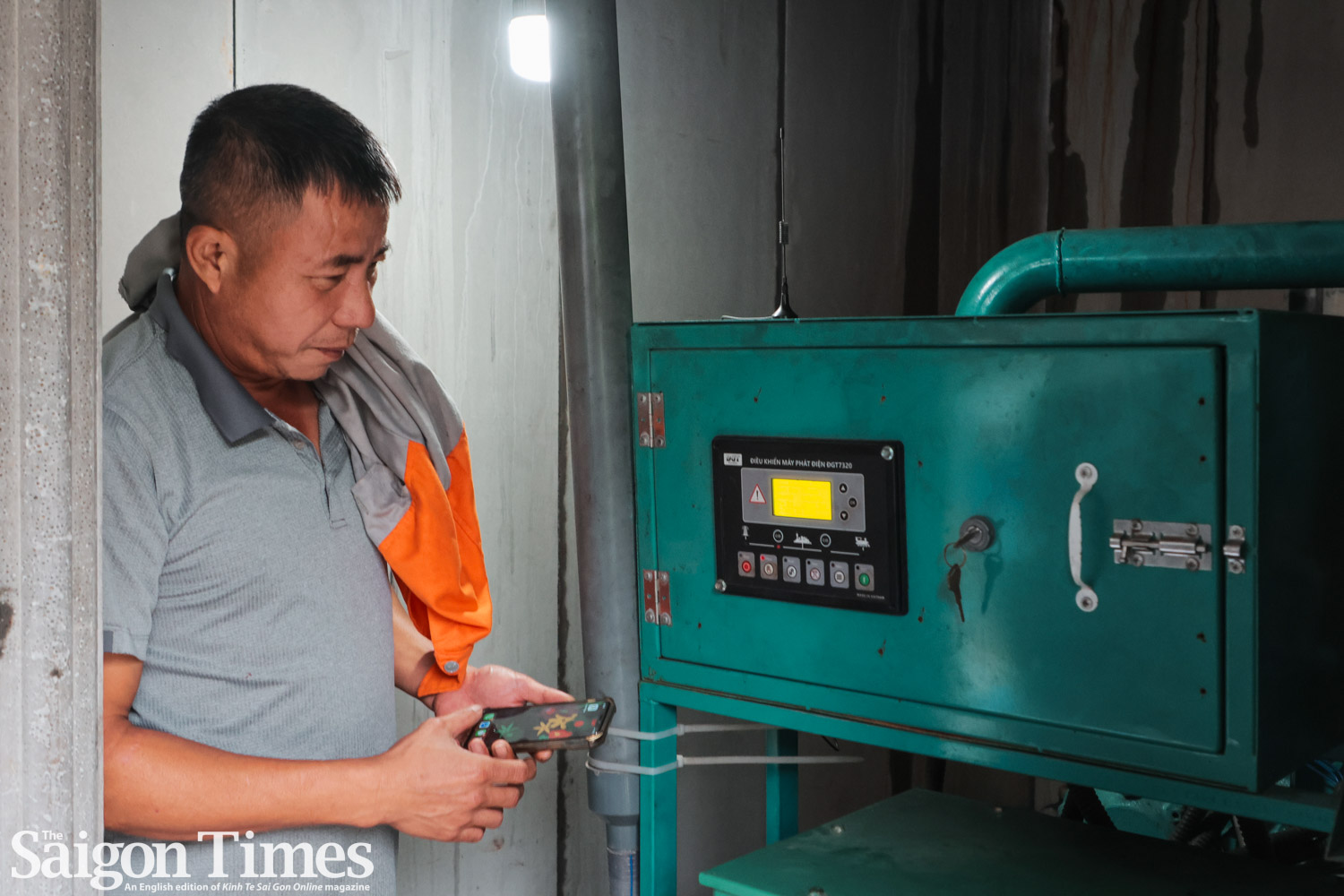
THAI NGUYEN — The stench of pig manure that once hung over Tran Xuan Phong’s farm like a heavy fog has largely vanished, replaced by the steady whir of biogas generators converting waste into electricity.
Like many other farms, Phong’s operation, which houses 8,000 pigs a year and produces roughly 1,000 tons of pork annually, generates massive amounts of manure. Previously, basic biogas pits struggled to contain the waste, often leaking methane or producing too little gas to be useful. The upgraded system now captures methane efficiently and channels it into electricity, powering the farm through a generator maintained by a dedicated technology partner.
His farm is one of 98 across 24 provinces participating in a biogas initiative funded through the Australian government’s Business Partnerships Platform (BPP) which has invested A$9.4 million since 2016 to support private-sector partnerships in Vietnam focused on climate action, carbon markets, and inclusive livelihoods.
In the Green Recovery round, a coalition of partners — including E-GREEN, SNV Netherlands Development Organisation (SNV), Nexus for Development, HD Bank, STD&T Engineering Services Company, Chin Phat Company, and the Australian government — worked to convert surplus biogas from commercial pig farms into renewable electricity. The partnership installed 120 biogas generators and supported farms that collectively treat more than 3.2 million tons of manure annually.
Across these sites, the generators have produced over 16,800 megawatt-hours of electricity and reduced an estimated 12,000 tons of CO2 emissions per year by capturing methane that would otherwise escape into the atmosphere.
A key feature of the project is its energy service company (ESCO) model. Instead of asking farms to buy expensive machinery, the technology partners invest in the biogas generators and sell electricity to farmers at an agreed rate. This structure, according to Nguyen Thi Quynh Huong, project manager at SNV, responds to long-standing problems in the sector.
“Many farms installed biogas systems in the past, but the technology often broke down or produced unstable output,” she said. “The ESCO model reduces the risk for farmers. They only pay for the electricity they use, while the companies handle installation, maintenance and operation,” said Huong.

“Before, our monthly electricity bill was around VND50 million. Now it is about VND20 million, and we get almost all the power we need from our own waste,” said Phong. The biogas system does not replace grid power entirely, but during high-production periods it can substitute as much as 70% of his energy needs.
The approach has also expanded the market for Vietnamese engineering firms. Chin Phat Company, one of the project’s partners, previously specialized in diesel generators. Its CEO Tong Xuan Chinh said the partnership helped his company adapt its business model, build technical capacity, and meet growing demand for cleaner energy solutions on farms. “Before, biogas systems were not trusted,” he said. “Now farms see that the technology can work reliably at scale.”
For the farm communities involved, the benefits go beyond cost savings. Local workers are now employed to operate and maintain the biogas systems, while universities collaborate with companies to train a new generation of engineers and technicians. Each installation has created jobs and helped farmers like Phong make better use of pig waste, turning a potential environmental hazard into a source of energy and income.
The partnership has demonstrated how technology and training can transform rural livelihoods. It is training the next generation of biogas technicians, and it is not just about energy — it is about livelihoods. Over 500 jobs were created, including training a new generation of biogas operators and technicians. Across the three partners, the initiative trained more than 80 full-time staff and 40 university interns, providing new skills in biogas technology, operation, and maintenance.
“The Governments of Australia and Vietnam are both committed to net zero by 2050. The ‘Bioenergy on commercial farms partnership’ under the Business Partnerships Platform is one of many ways Australia is supporting Vietnam’s green energy transition and more sustainable agriculture. We are pleased the partnership is helping cut emissions and energy costs as well as creating jobs and new income streams for farmers,” said Gillian Bird, Australian ambassador to Vietnam.
Even as the formal project concluded in 2024, its ripple effects continue, offering a model for sustainable, locally driven energy solutions across Vietnam’s livestock sector.