Saigon Times Group is a leading Vietnamese media organization with prestigious business and consumer publications. After three decades of development, we have built a good reputation through our publications on economy, business and markets for Vietnamese and foreign readers.
Basic
Free
Free access to daily domestic news, podcasts and videos
Premium
$5 $1 /month (VND 23,900)
MonthlyAnnual
Unlimited access to domestic news, podcasts, videos and magazine articles on current social / economic / trade / investment issues, commodity / financial/securities markets, M&A activity, FDI, local and foreign business communities and more.
Your payment method will then be automatically charged ₫ 899.000 every 365 days thereafter.
Your subscription will continue until you cancel.
You can cancel by using My account. Under My account, select "Unsubscribe" and then follow the instructions to cancel.
You can notify us of your intent to cancel at any time during your billing period. Cancellations take effect at the end of your current billing period.
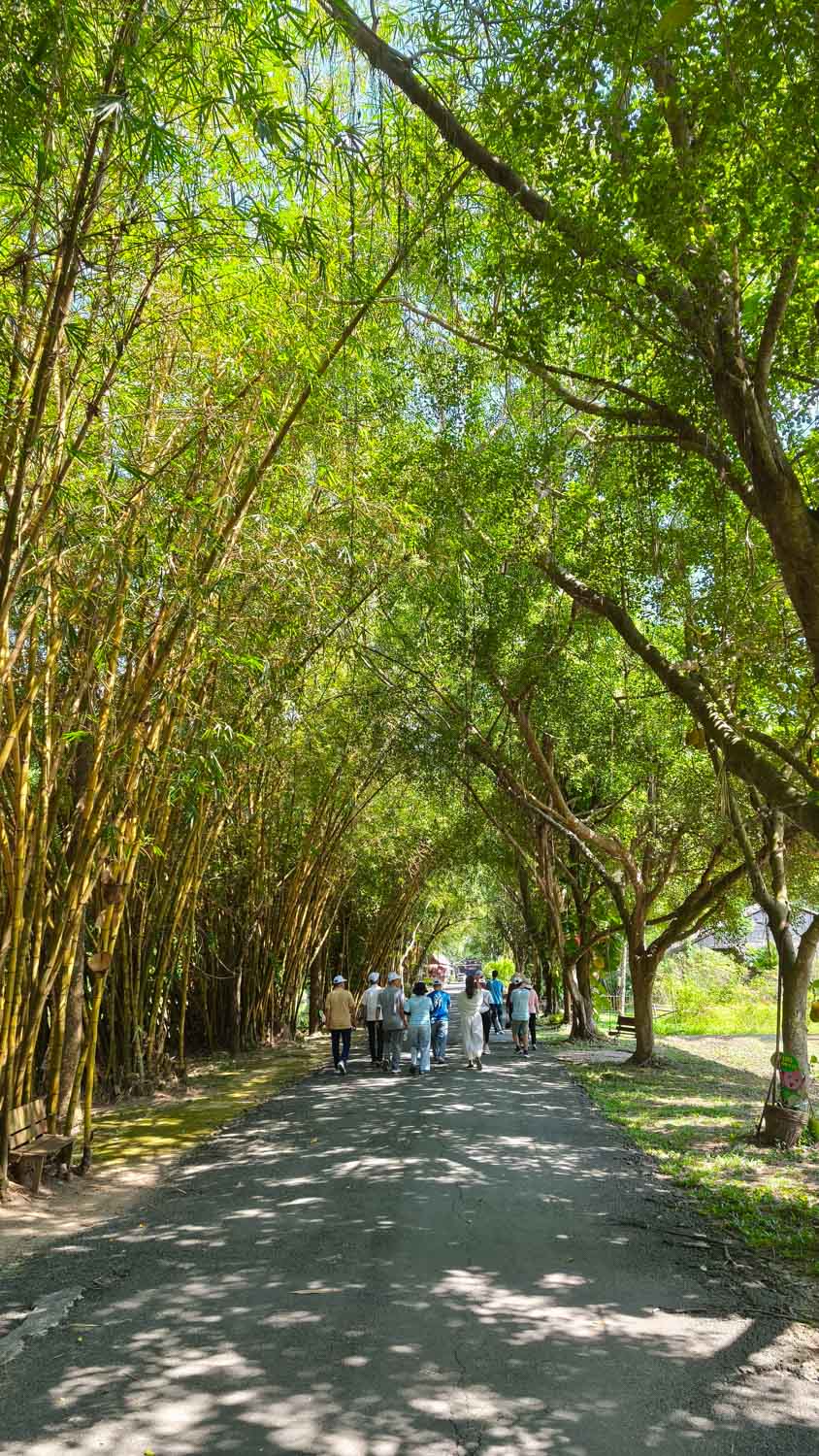
The path to the main area of the Xeo Quit historical relic site. Visitors can travel from HCMC to former Cao Lanh City in Dong Thap Province, then follow National Highway 30 and turn onto Provincial Road 650, enjoying peaceful rural scenery along the way.
Nestled in the Mekong Delta province of Dong Thap, the Xeo Quit historical relic site is not only a significant site that preserves the nation’s wartime legacy but also a tranquil eco-tourism destination.
Covering about 50 hectares, including more than 20 hectares of primary cajuput forest, the site once served as a revolutionary base for the Dong Thap Party Committee during the wartime period from 1960 to 1975.
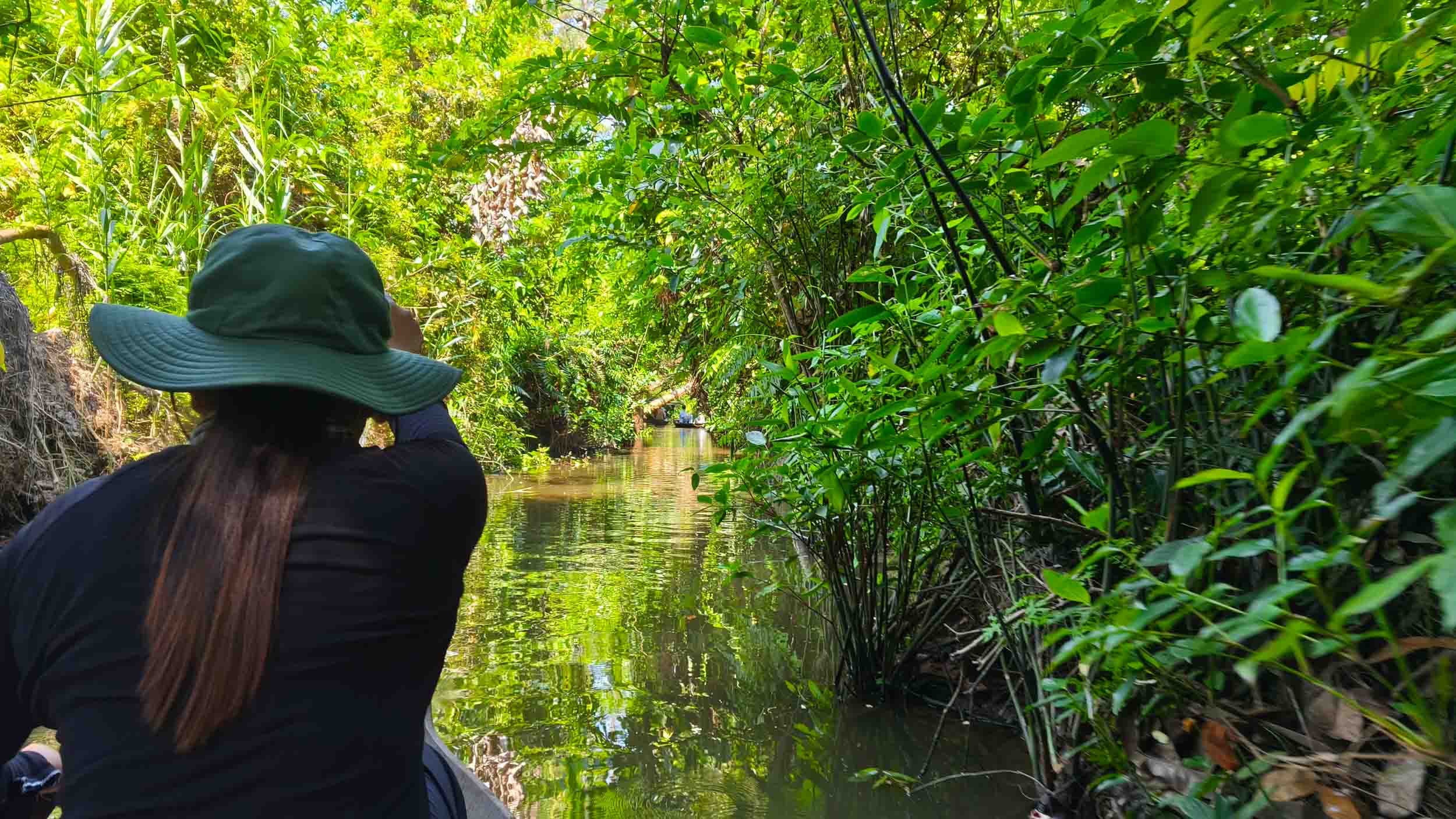
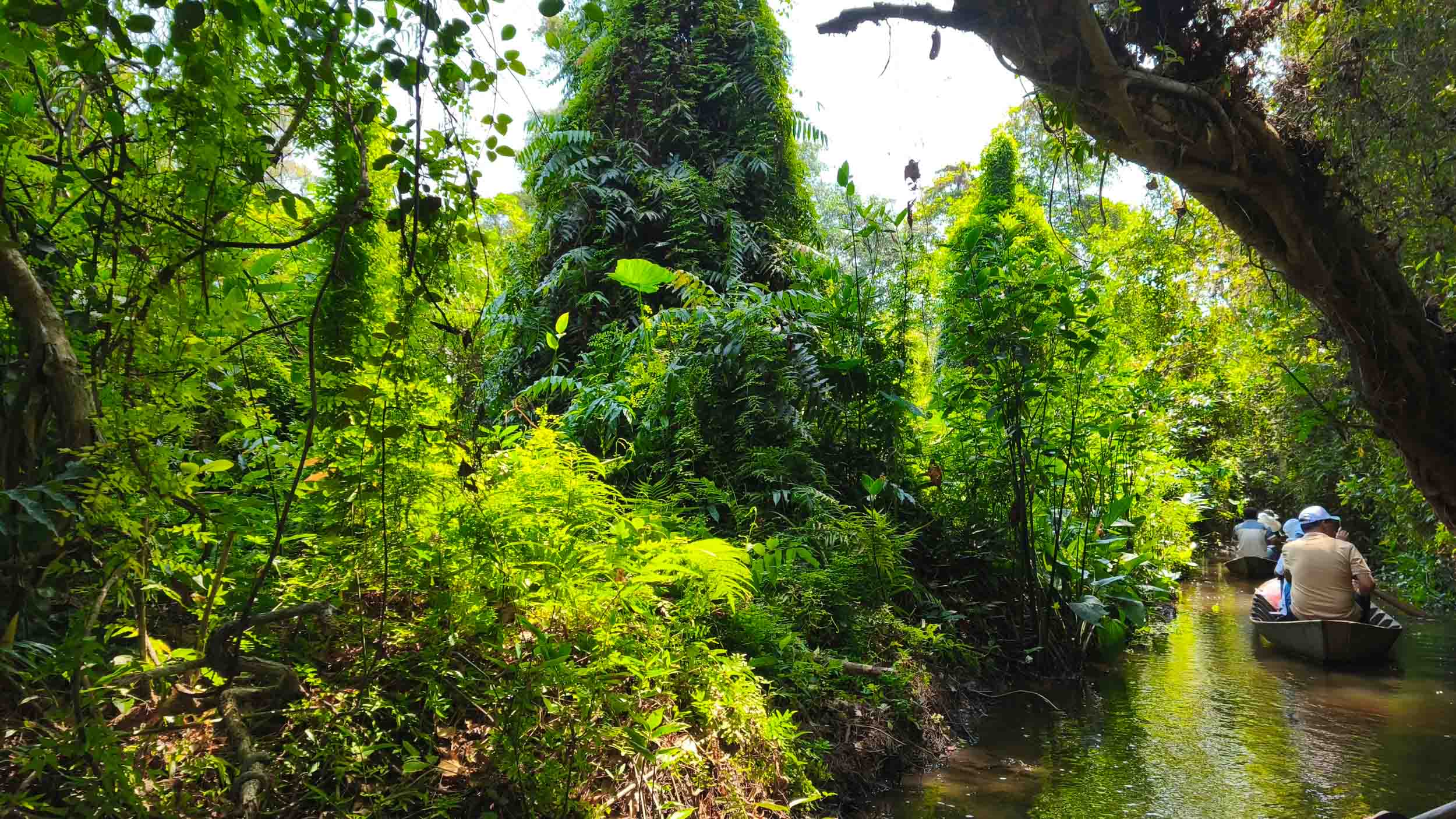
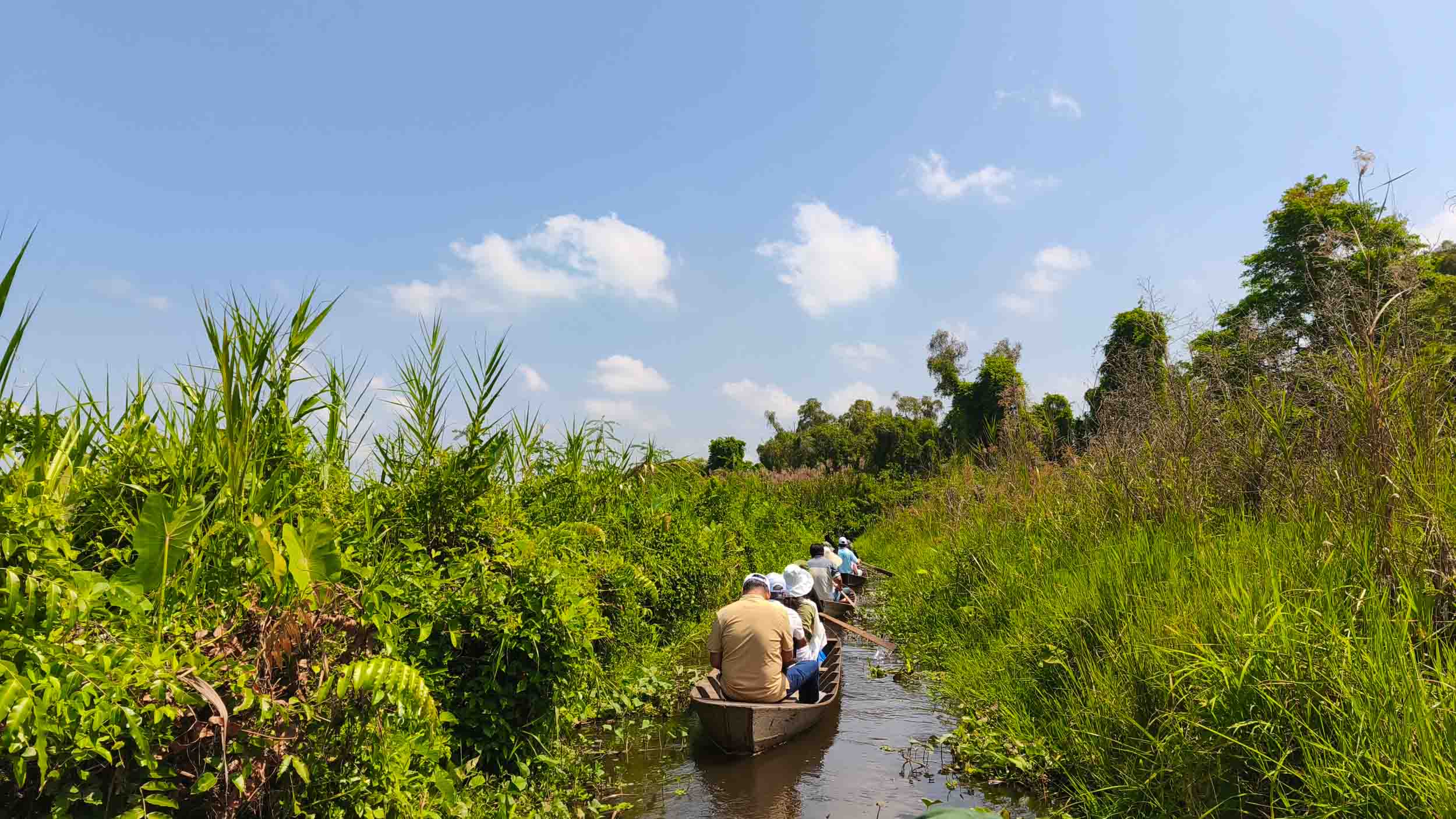
Xeo Quit’s beauty shifts with the seasons, offering visitors distinct experiences. In the dry season, visitors can stroll along a narrow 1.5-kilometer trail winding through the shaded cajuput forest, listening to nature’s sounds and enjoying the fresh air. During the flood season, the landscape becomes more vibrant as visitors explore the area in small sampans (flat-bottomed wooden boats), guided through narrow canals that lead deep into hidden relics within the vast forest, creating a vivid portrait of the Dong Thap Muoi wetlands.
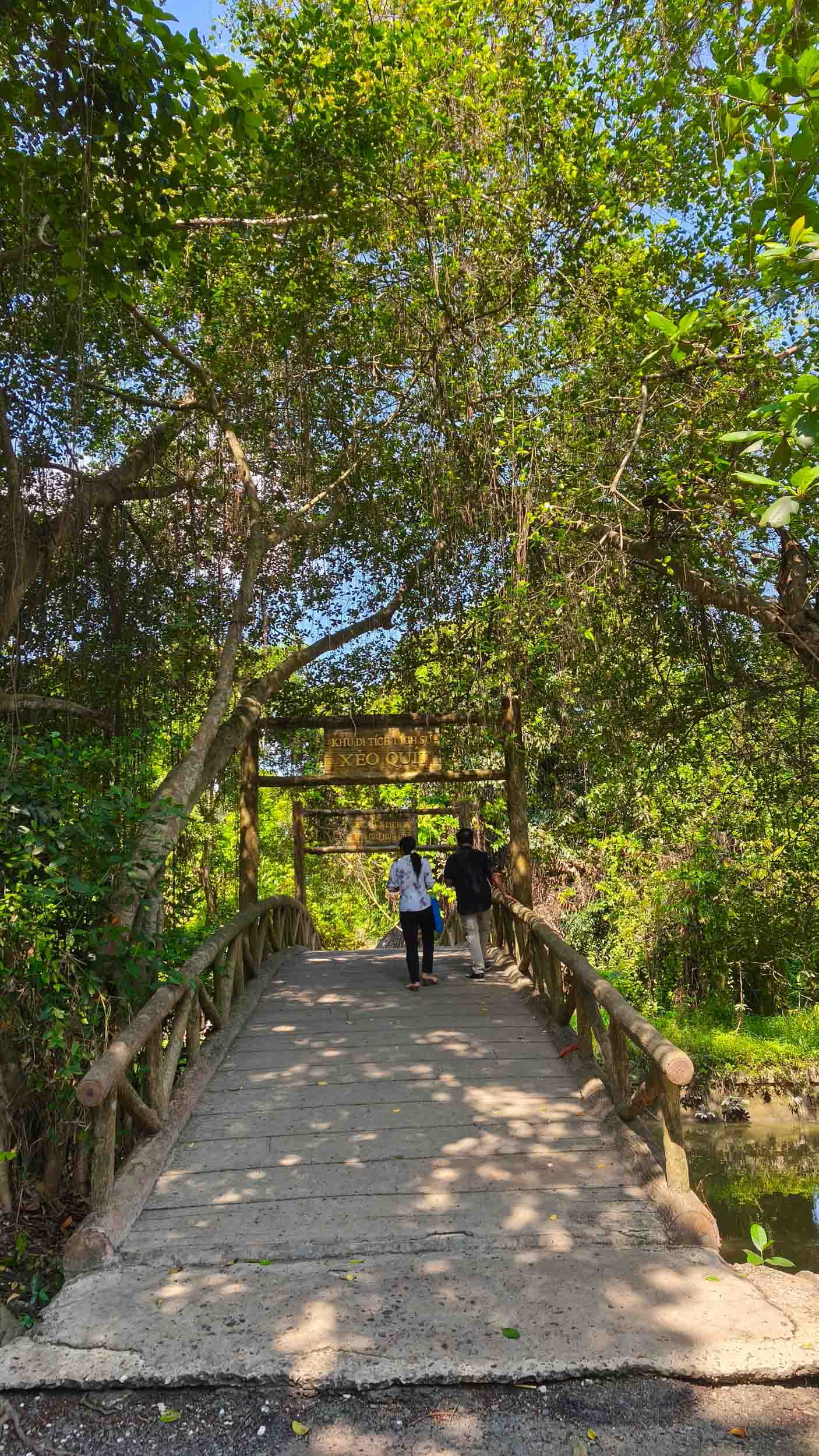
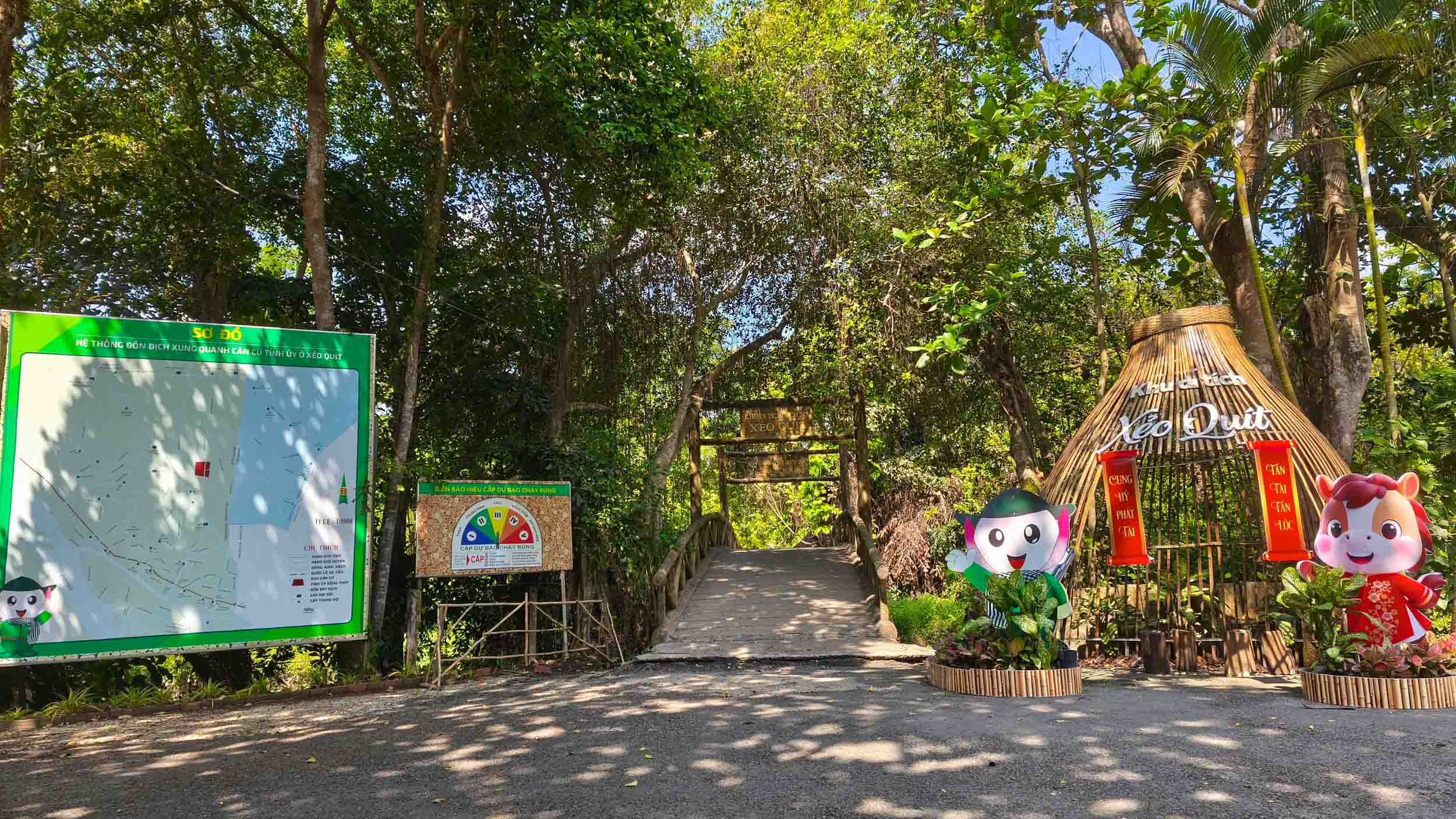
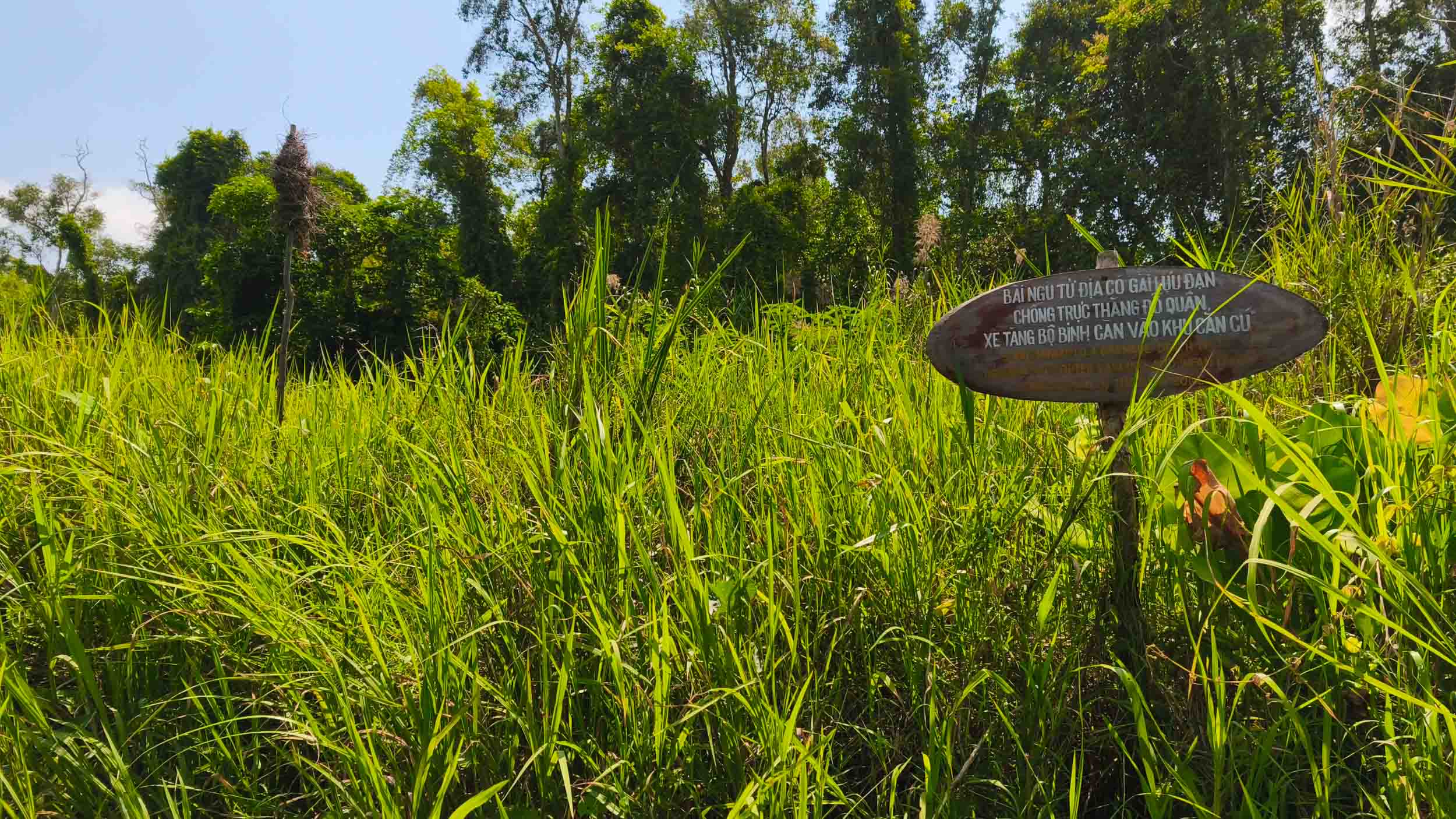
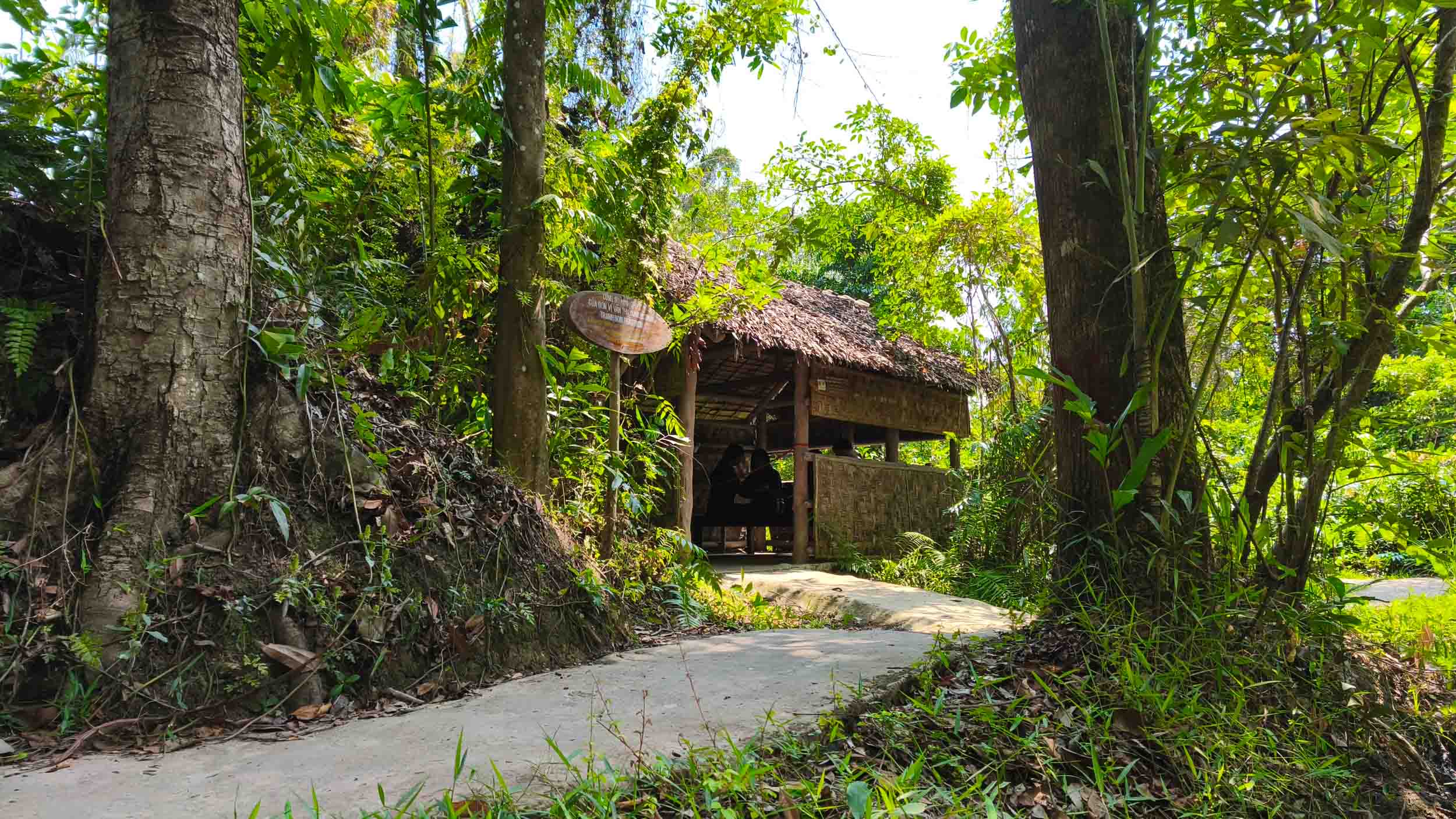
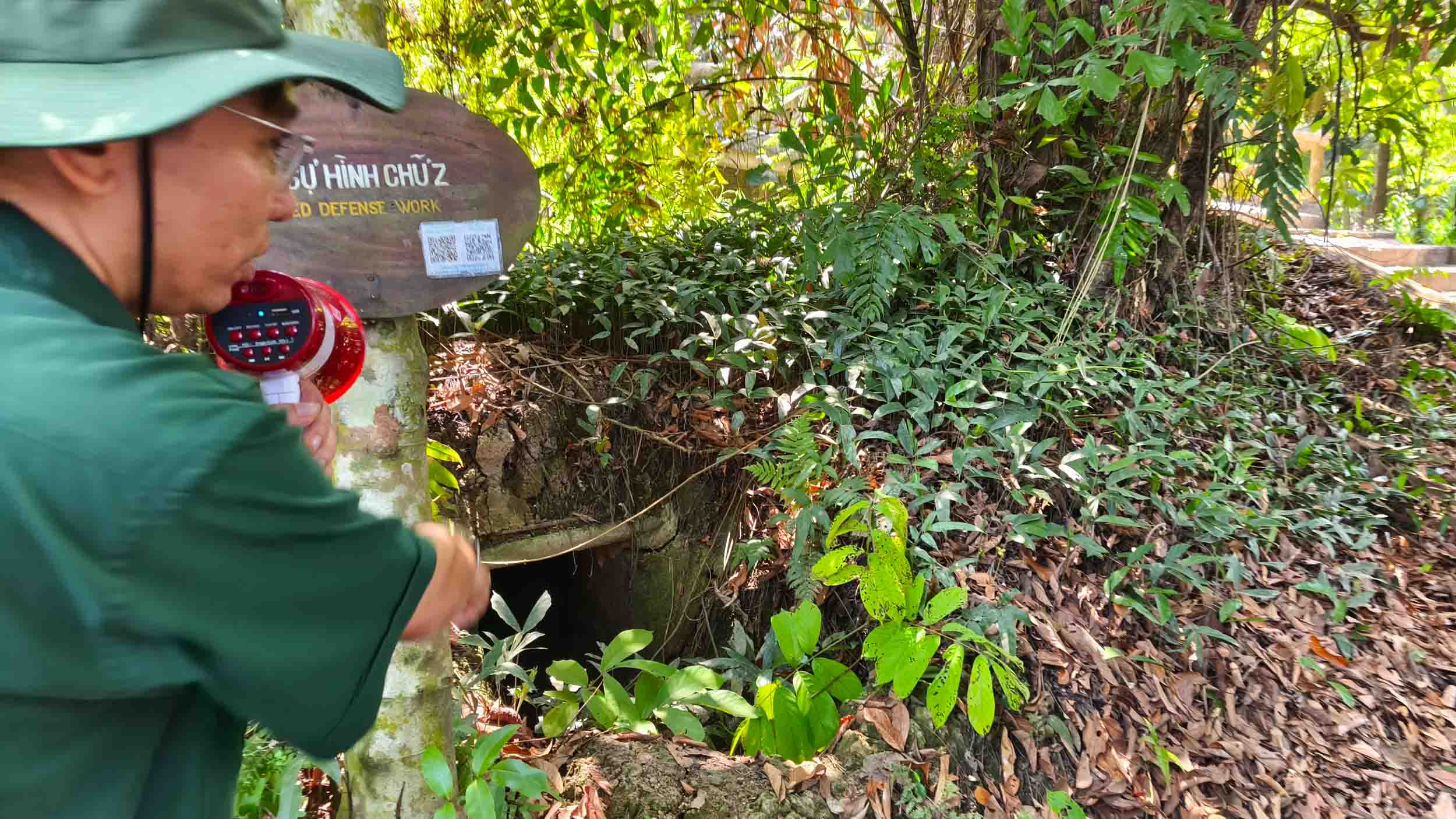
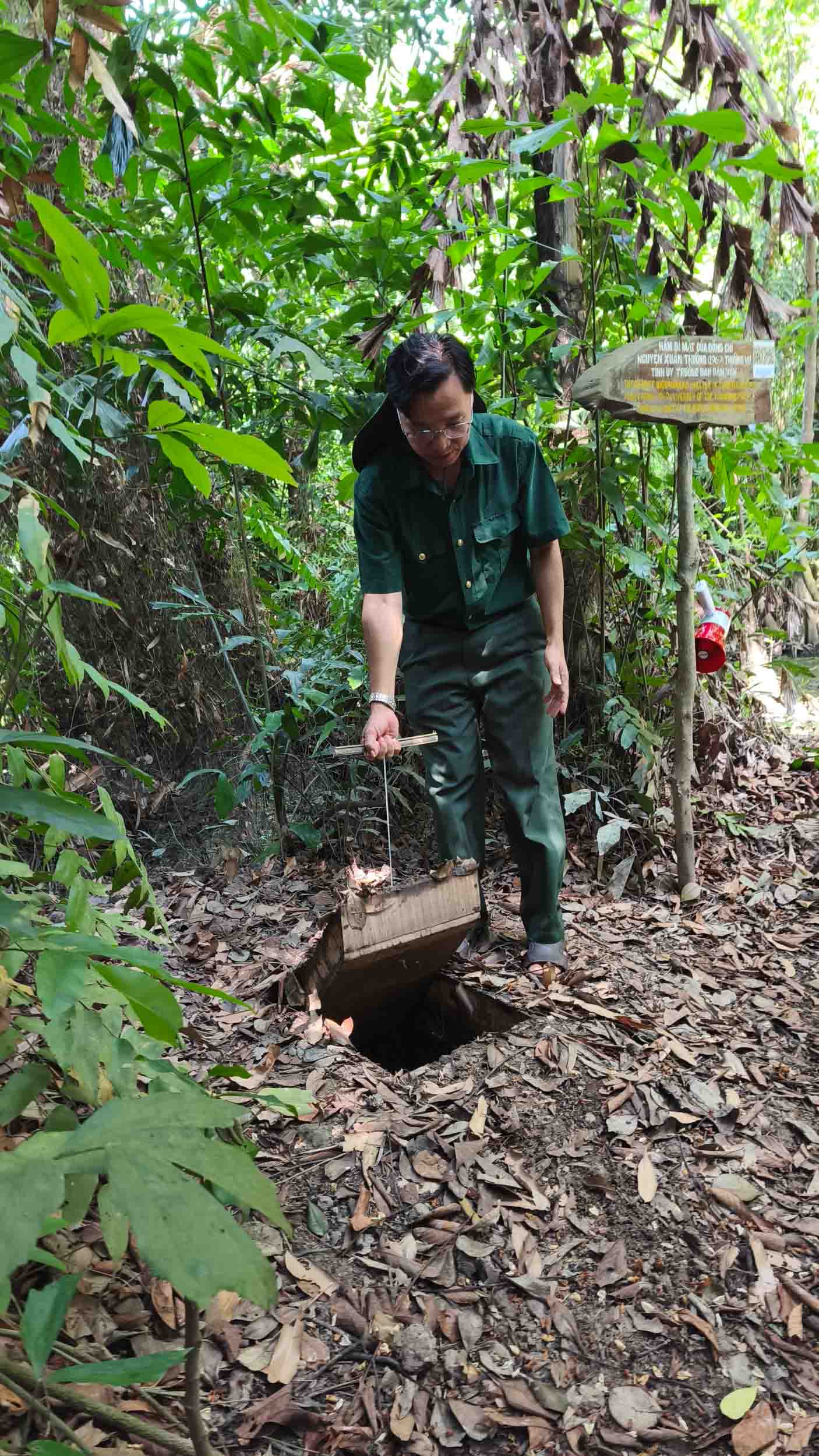
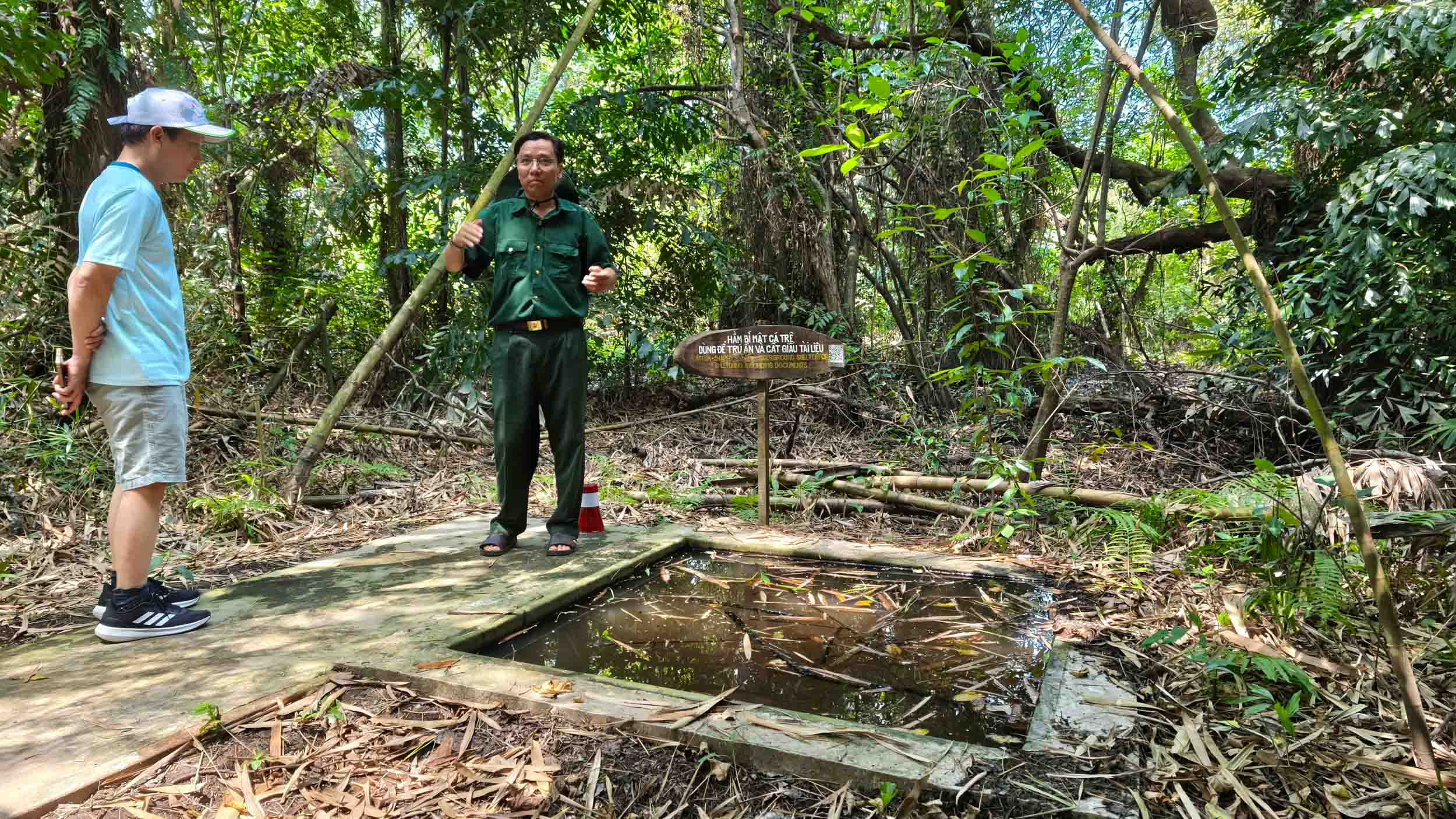
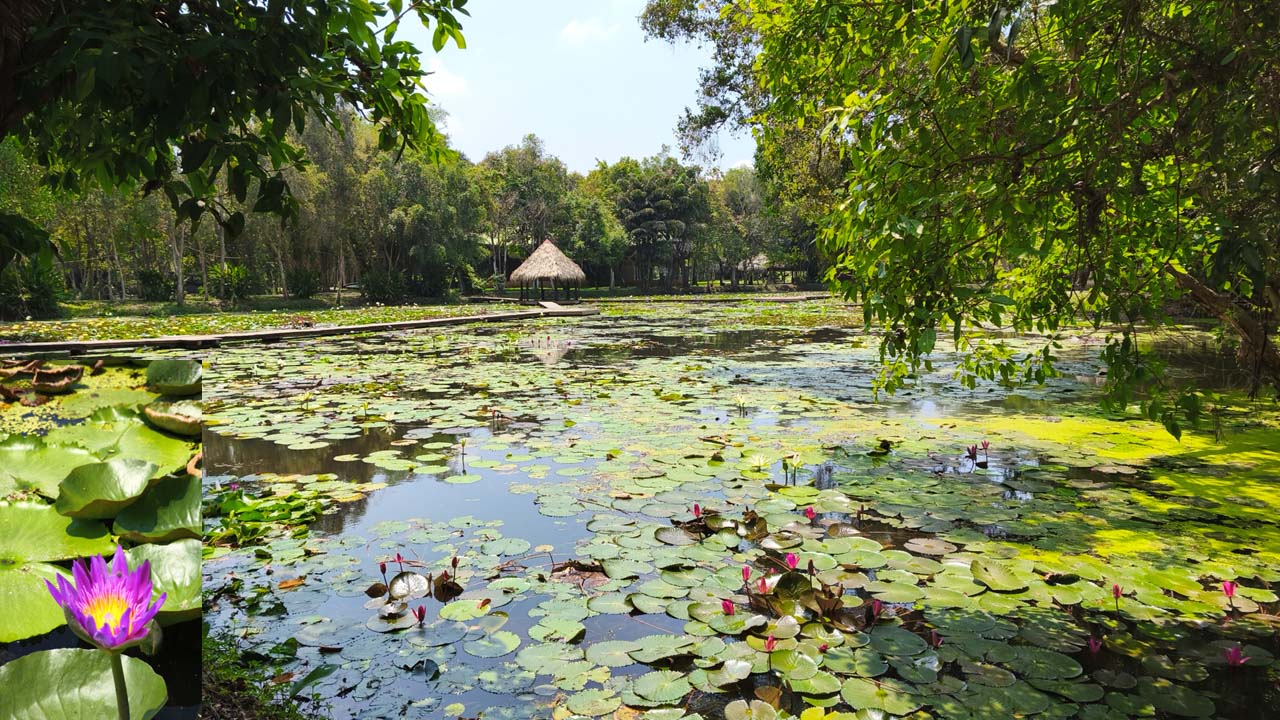
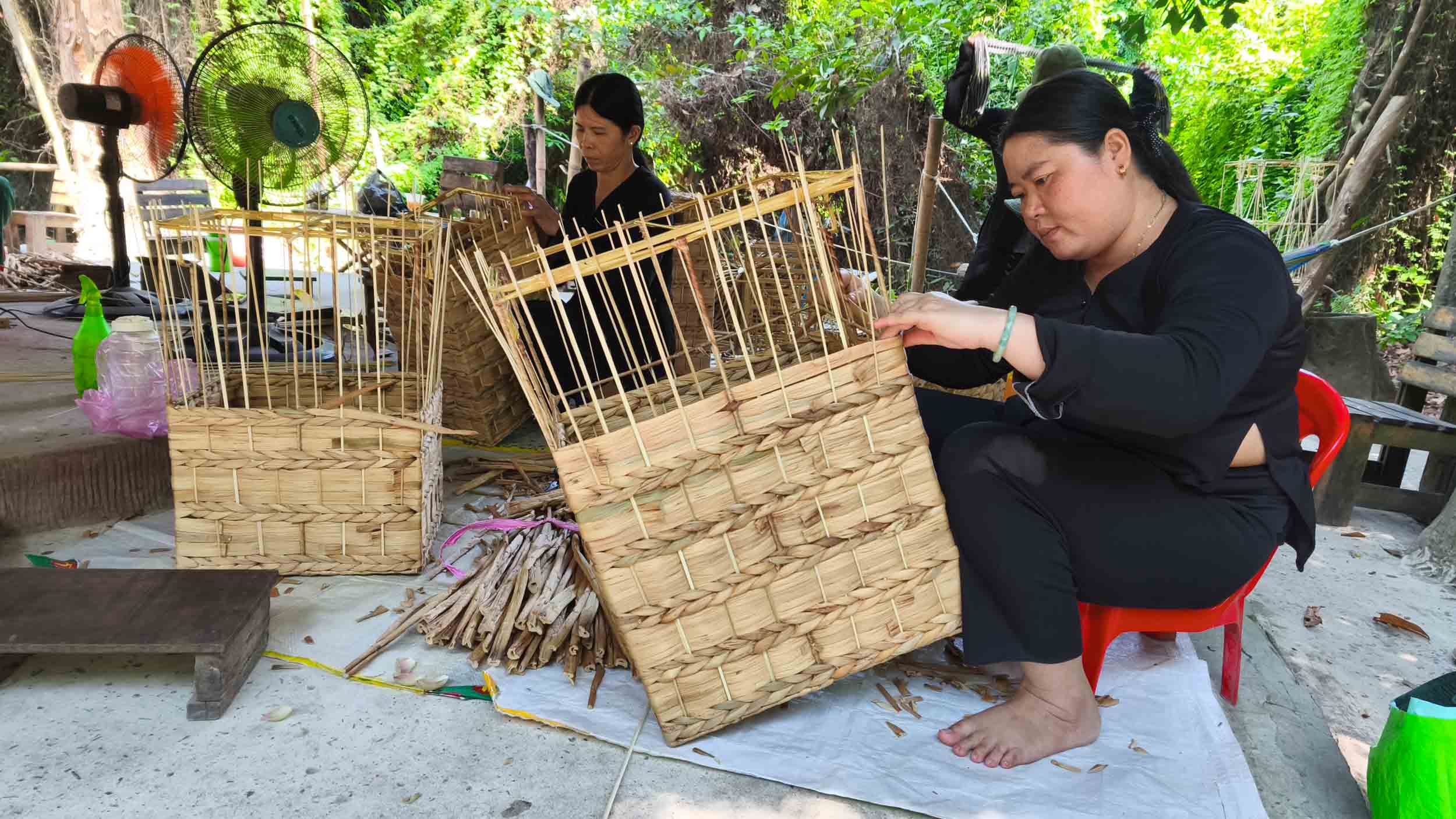
The path to the main area of the Xeo Quit historical relic site. Visitors can travel from HCMC to former Cao Lanh City in Dong Thap Province, then follow National Highway 30 and turn onto Provincial Road 650, enjoying peaceful rural scenery along the way.Before crossing the bridge into the former revolutionary base…… visitors can view a site map and basic information about the Xeo Quit relic areaInside the site, visitors travel by small sampans along narrow canals. As it is the dry season, the water level is low, reducing potential risks.Xeo Quit is often described as a rich ecological museum, home to about 170 plant species and 200 wildlife species, including 13 listed in Vietnam’s Red BookHistory at Xeo Quit is not confined to books but is vividly preserved in every corner of the forestFormer trap zones, once rigged with mines to counter helicopters and ground troopsAlong the route, visitors can see reconstructed structures from the former revolutionary base, including reception areas, meeting halls and workspaces built from natural materials such as cajuput wood, bamboo and nipa palm, without using concrete or bricksAfter returning to land, visitors can explore additional relics. Pictured is a Z-shaped bunkerA concealed shelter, just large enough for one very thin person, camouflaged with layers of foliageA catfish-style secret bunker used for hiding or storing documentsA large lotus and water lily pond adds a distinctive highlight to the siteThe experience is further enriched by hands-on activities, such as learning to weave household items from dried water hyacinth under the guidance of local residents