
HCMC – Vietnam is studying policies and development models for a silver economy as the country prepares for rapid population aging.
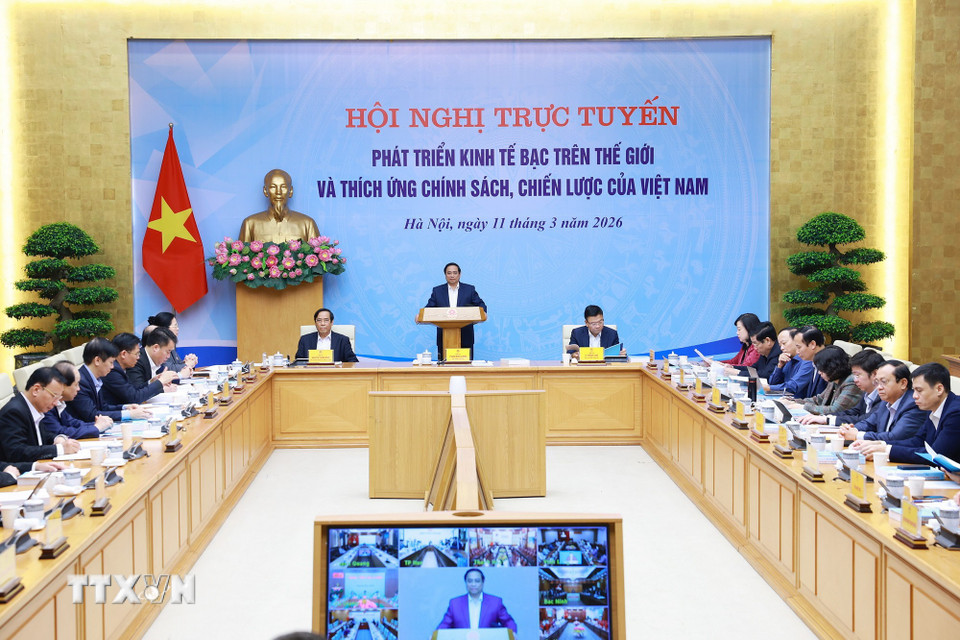
Prime Minister Pham Minh Chinh chaired a national conference on March 11 to discuss the development of the global silver economy and policy responses for Vietnam as the country faces rapid population aging. The event brought together Deputy Prime Minister Le Thanh Long, ministers, and representatives of the Vietnam Association of the Elderly, international organizations, and experts.
Chinh described the silver economy as a strategic issue for sustainable development as populations age rapidly worldwide, including in Vietnam. He asked participants to share international experiences and draw lessons for Vietnam’s policy and strategy framework.
Vietnam entered the aging phase in 2011, with the share of elderly people rising quickly. The country is expected to have nearly 18 million people aged 60 and above by 2030, about four million more than in 2024, according to information presented at the conference.
Chinh said population aging piles pressure on social security but also offers opportunities to develop new growth models and sectors linked to services for older people.
Vietnam has introduced several policy frameworks related to aging. The Government has issued a national strategy on the elderly through 2035. Resolution No. 36/NQ-CP dated March 6, 2026 also outlines measures to promote high-quality healthcare services, identified as a core pillar of the silver economy.
The Central Commission for Policy and Strategy has been tasked with drafting a project on developing the silver economy to improve the welfare and quality of life of older people while mobilizing their contributions to socio-economic development.
Participants at the conference also reviewed the implementation of the national strategy on the elderly and a directive by the prime minister on strengthening work related to older people in response to population aging.
Discussions also covered a program encouraging older people to take part in digital transformation, green transition, entrepreneurship and job creation. Chinh called on participants to propose policy solutions and development models that could turn population aging into an opportunity while ensuring social welfare and making better use of older people’s experience and knowledge.







