
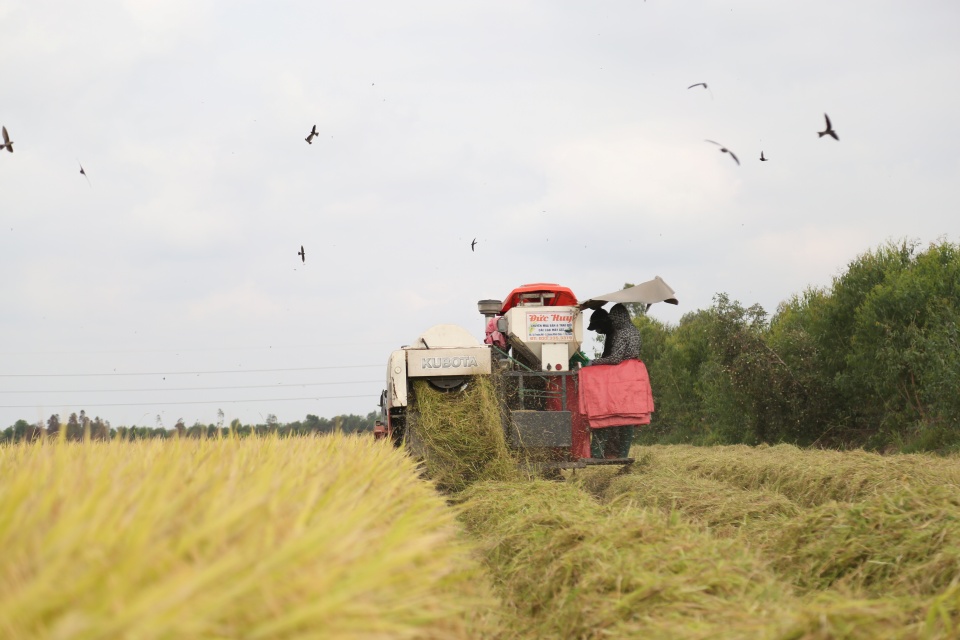
HCMC – Vietnam exported more rice in the first five months of 2026, but lower export prices drove down revenue despite higher shipment volumes.
Vietnam exported an estimated 4.5 million tons of rice worth US$2.09 billion in the January-May period. Export volume rose 6.6% year-on-year, while export revenue fell 3.6%, reflecting weaker prices in global markets.
The average export price of Vietnamese rice stood at US$467.6 per ton during the period, down 9.6% from a year earlier. The Philippines remained Vietnam’s largest rice export market, accounting for 46.9% of total shipments, followed by China with 17.8% and Ghana with 7.5%.
The figures come as the global rice market reacts to concerns over the potential impact of El Niño on upcoming harvests across Asia.
Over the past week, Vietnam’s 5% broken rice export prices edged up to US$415-420 per ton from US$405-410 per ton a week earlier. Traders attributed the increase to concerns that El Niño could reduce rice production in several Asian countries during the next crop season.
In the domestic market, supplies from the Winter-Spring crop have tightened, while traders have begun purchasing Summer-Autumn rice at relatively high prices compared with the same period last year. Although paddy prices in the Mekong Delta showed mixed movements in May depending on variety, retail rice prices remained broadly stable.
In An Giang Province, export-grade IR 50404 rice was quoted at VND8,650-8,750 per kilogram, while processed IR 50404 rice sold for VND10,750-10,900 per kilogram.
Across the region, rice-exporting countries are showing divergent pricing trends. While exporters in several countries have begun raising prices on concerns about future supply shortages, Indian rice prices have remained stable due to ample domestic supplies.
In Thailand, 5% broken rice was quoted at around US$450 per ton, supported by rising input costs and strong demand for broken rice used in animal feed production.
Regional traders are now awaiting assessments of harvests due in the next three months to gain a clearer picture of El Niño’s actual impact on rice supplies across Asia.