Saigon Times Group is a leading Vietnamese media organization with prestigious business and consumer publications. After three decades of development, we have built a good reputation through our publications on economy, business and markets for Vietnamese and foreign readers.
Basic
Free
Free access to daily domestic news, podcasts and videos
Premium
$5 $1 /month (VND 23,900)
MonthlyAnnual
Unlimited access to domestic news, podcasts, videos and magazine articles on current social / economic / trade / investment issues, commodity / financial/securities markets, M&A activity, FDI, local and foreign business communities and more.
Your payment method will then be automatically charged ₫ 899.000 every 365 days thereafter.
Your subscription will continue until you cancel.
You can cancel by using My account. Under My account, select "Unsubscribe" and then follow the instructions to cancel.
You can notify us of your intent to cancel at any time during your billing period. Cancellations take effect at the end of your current billing period.
Saigon Times Group is a leading Vietnamese media organization with prestigious business and consumer publications. After three decades of development, we have built a good reputation through our publications on economy, business and markets for Vietnamese and foreign readers.
Basic
Free
Free access to daily domestic news, podcasts and videos
Premium
$5 $1 /month (VND 23,900)
MonthlyAnnual
Unlimited access to domestic news, podcasts, videos and magazine articles on current social / economic / trade / investment issues, commodity / financial/securities markets, M&A activity, FDI, local and foreign business communities and more.
Your payment method will then be automatically charged ₫ 899.000 every 365 days thereafter.
Your subscription will continue until you cancel.
You can cancel by using My account. Under My account, select "Unsubscribe" and then follow the instructions to cancel.
You can notify us of your intent to cancel at any time during your billing period. Cancellations take effect at the end of your current billing period.
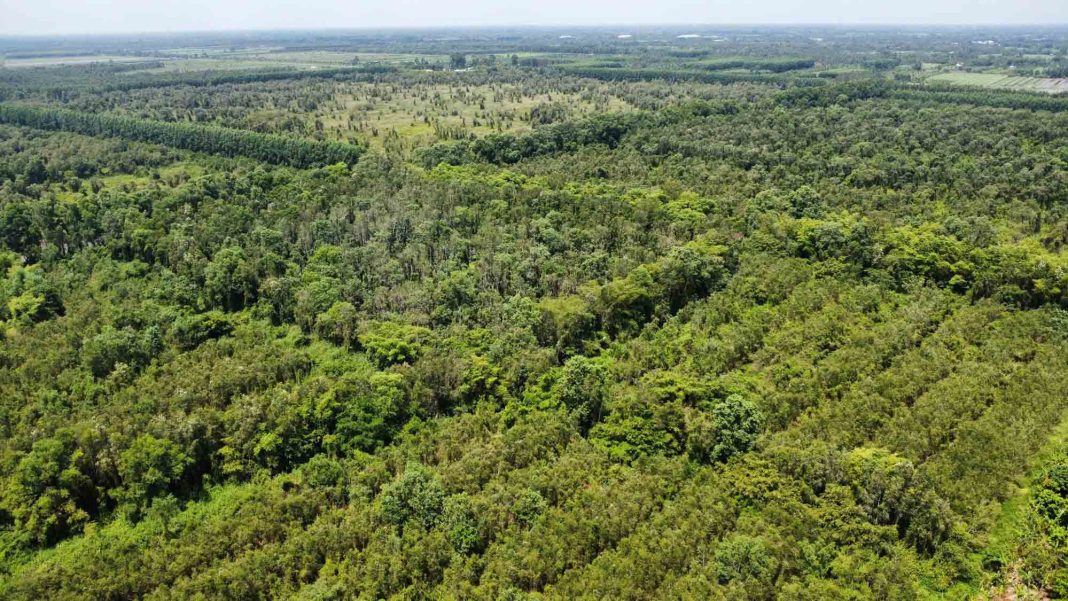
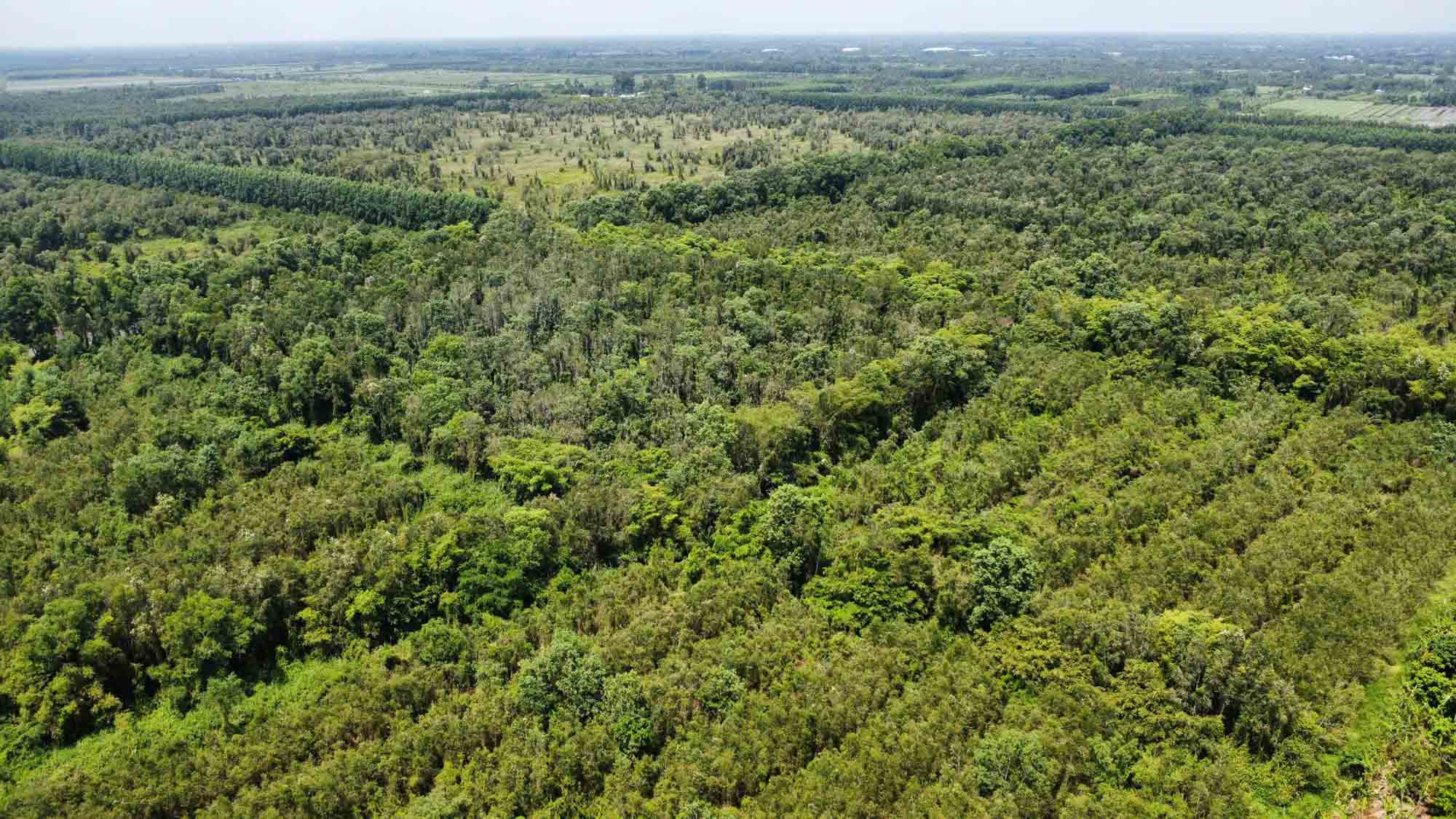
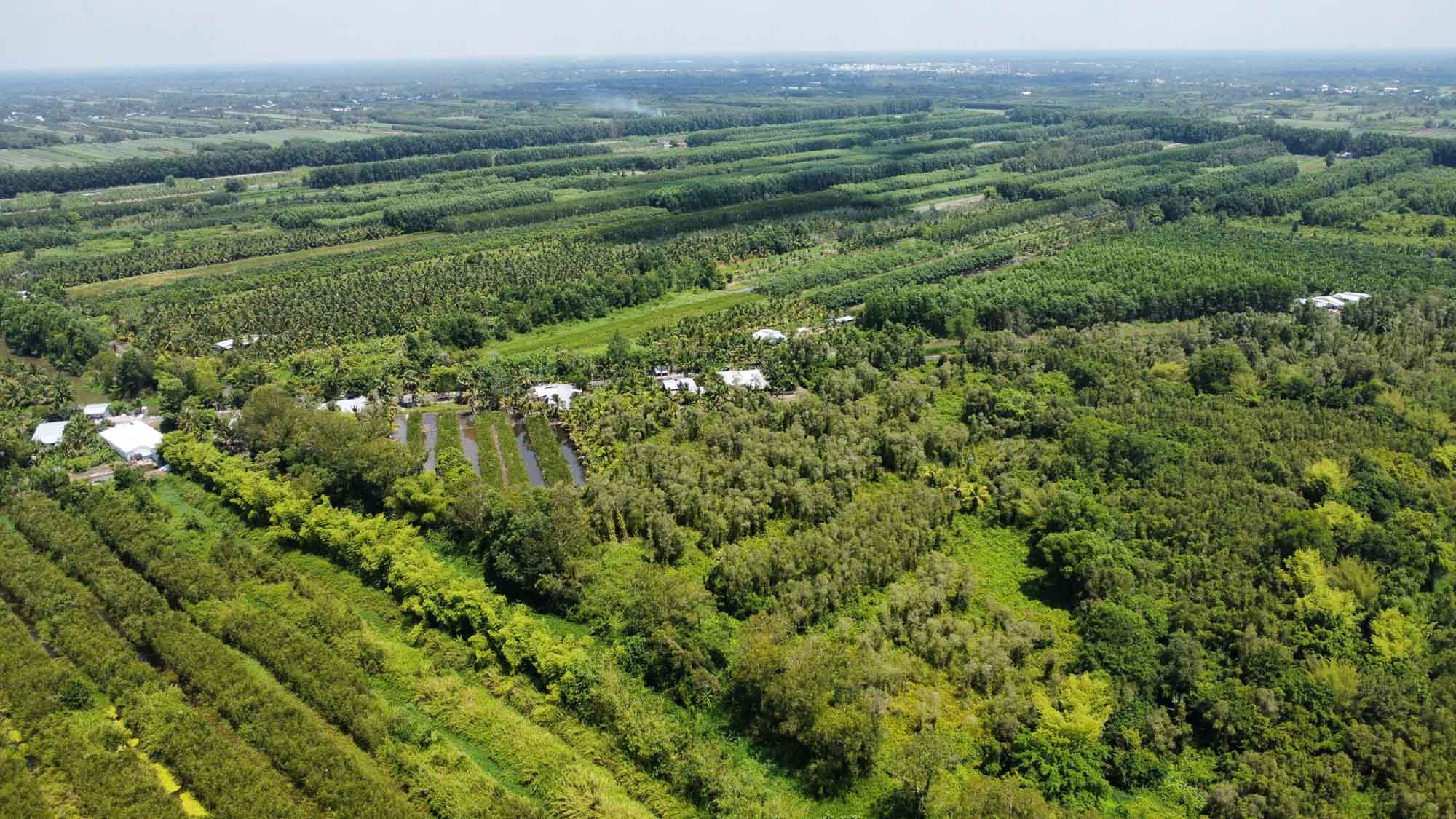
Nestled in Phuong Hoa Hamlet in Phuong Binh Commune of Can Tho City, the Lung Ngoc Hoang Nature Reserve is a vast green oasis and one of the last remnants of the Mekong Delta’s characteristic wetland ecosystem.
Covering more than 2,800 hectares, the reserve serves not only as a strictly protected biodiversity sanctuary but also as an increasingly popular ecotourism destination, offering visitors a rare sense of tranquility and untouched natural beauty. The poetic name “Lung Ngoc Hoang” loosely translates to “the heavenly flooded lowland,” reflecting the spiritual and cultural significance long associated with this watery landscape, where forests, waterways, and wildlife have endured for generations.
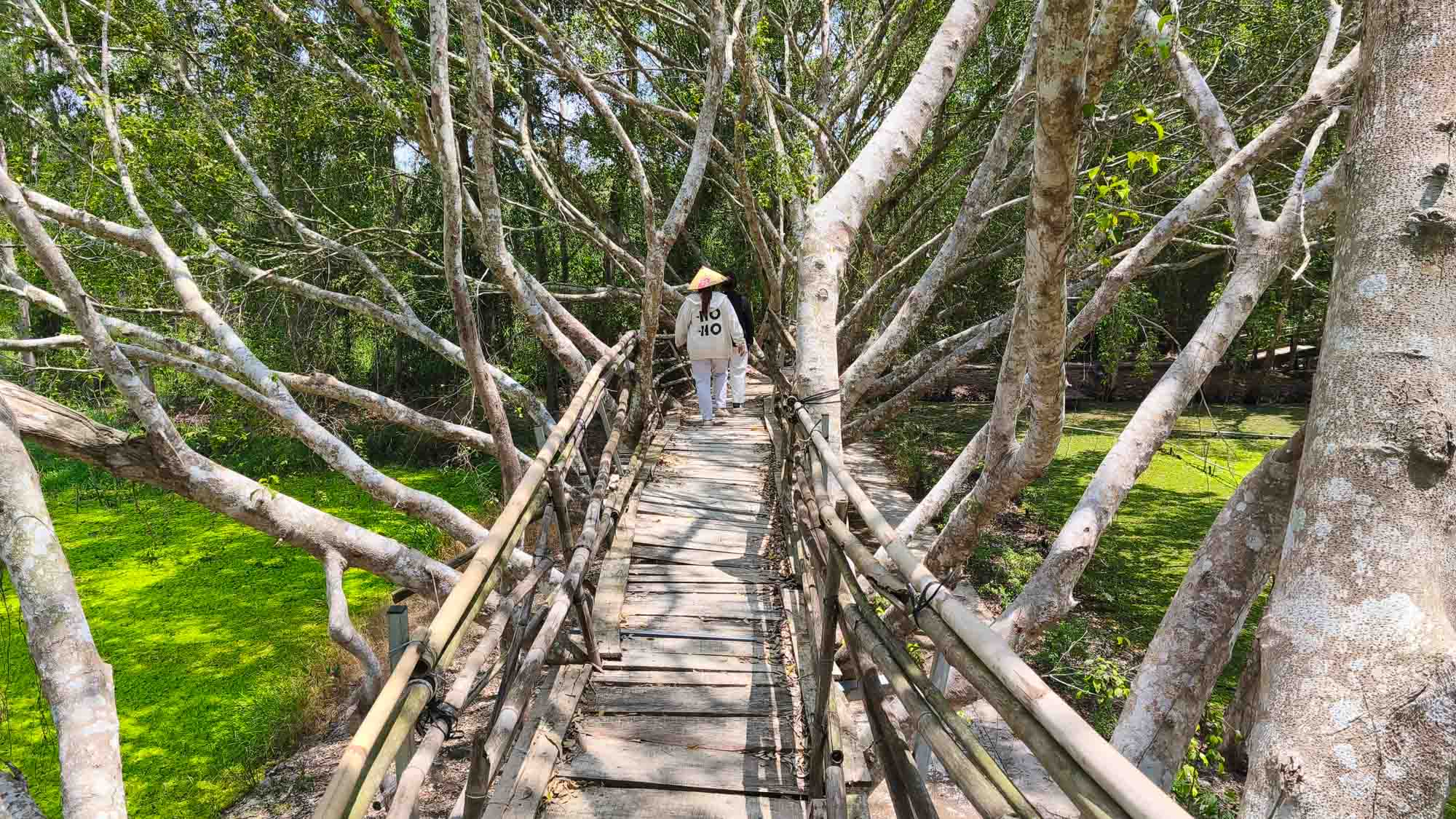
To preserve its fragile ecosystem, access to the reserve’s core conservation zone remains heavily restricted. Visitors are instead guided through the buffer area, locally known as Lung Beo, where the region’s pristine environment can still be experienced in full.
Located around 40 kilometers from downtown Can Tho, the reserve is easily accessible yet feels worlds away from the noise and pace of urban life.
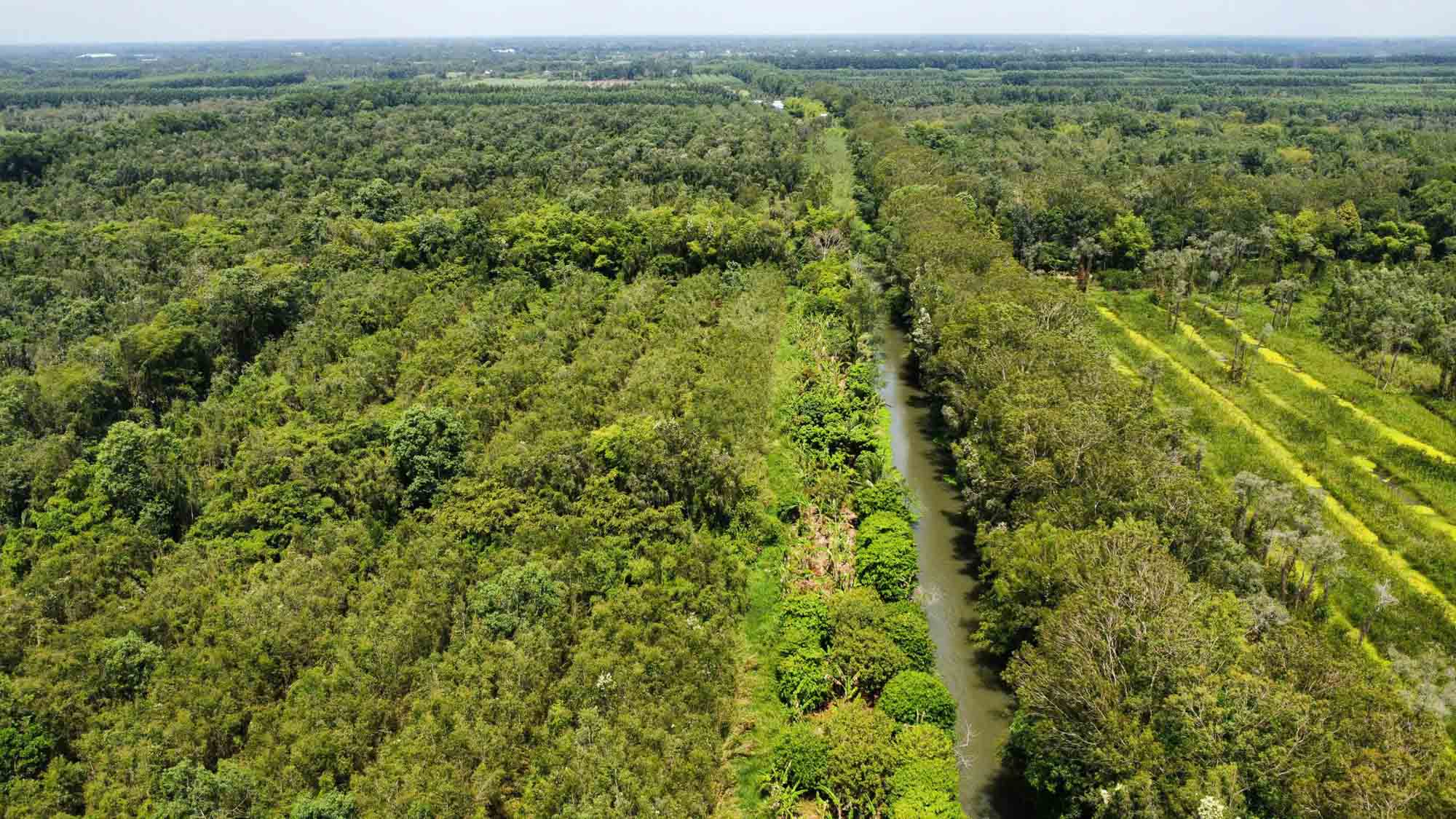
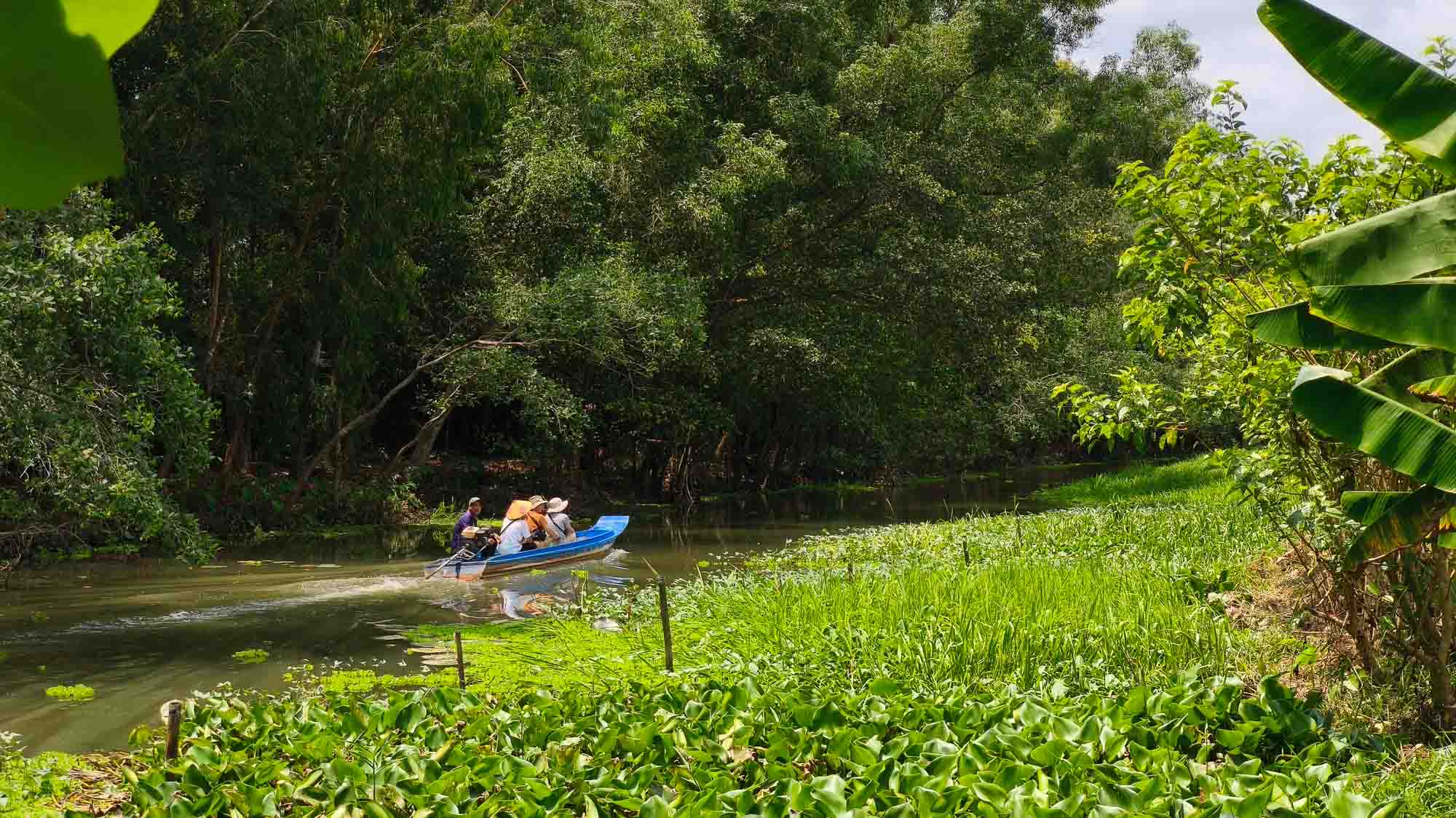
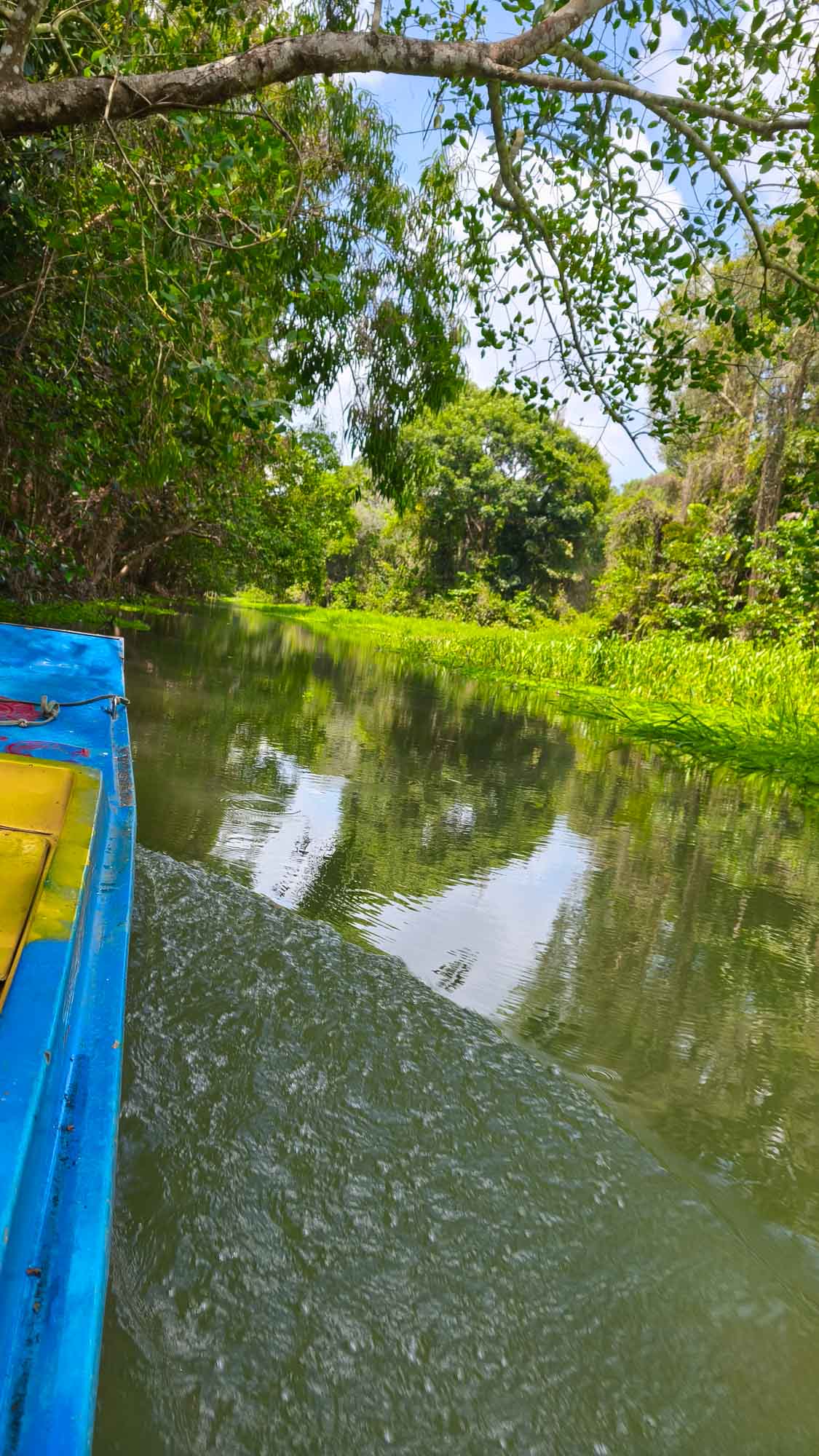
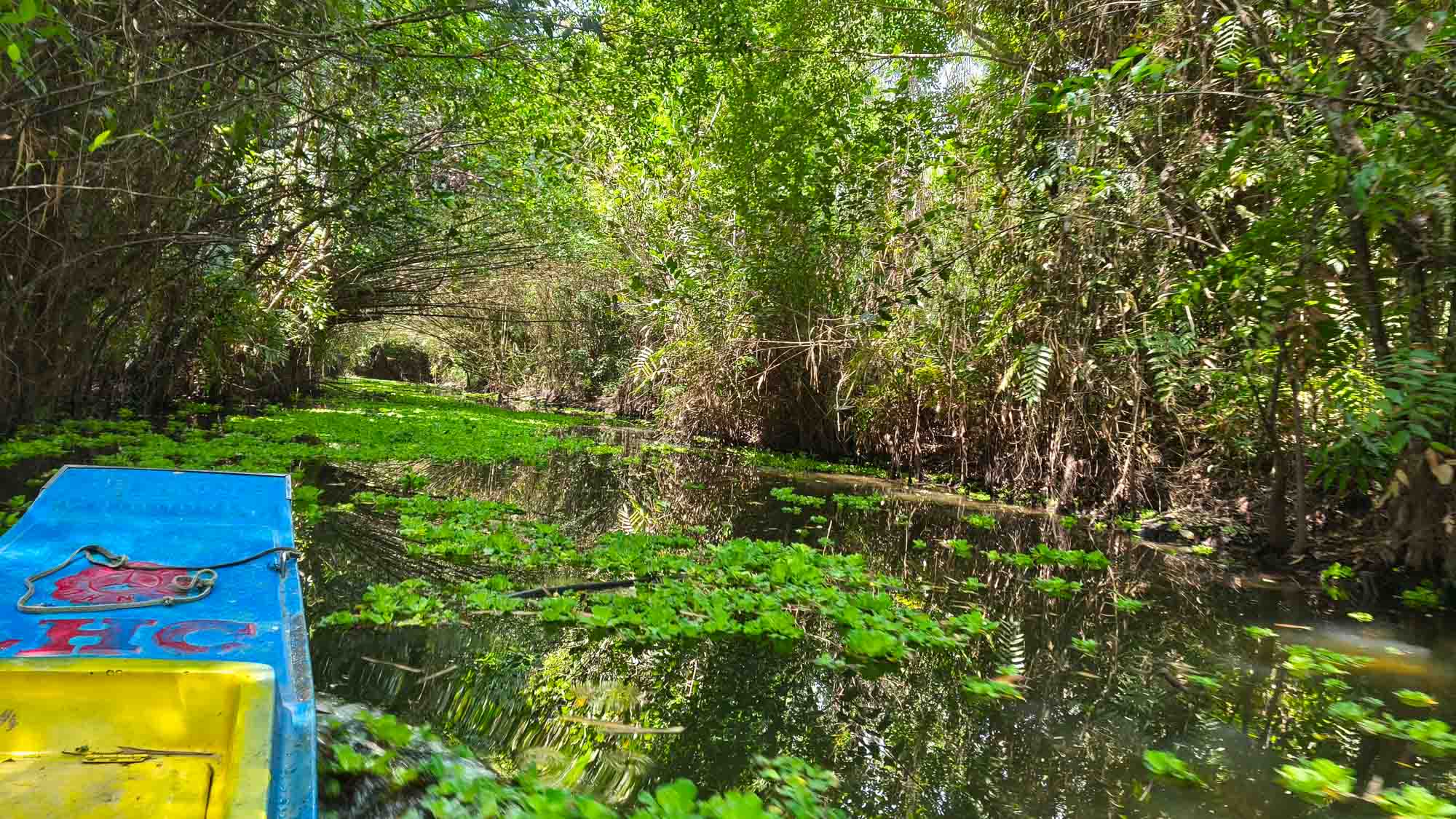
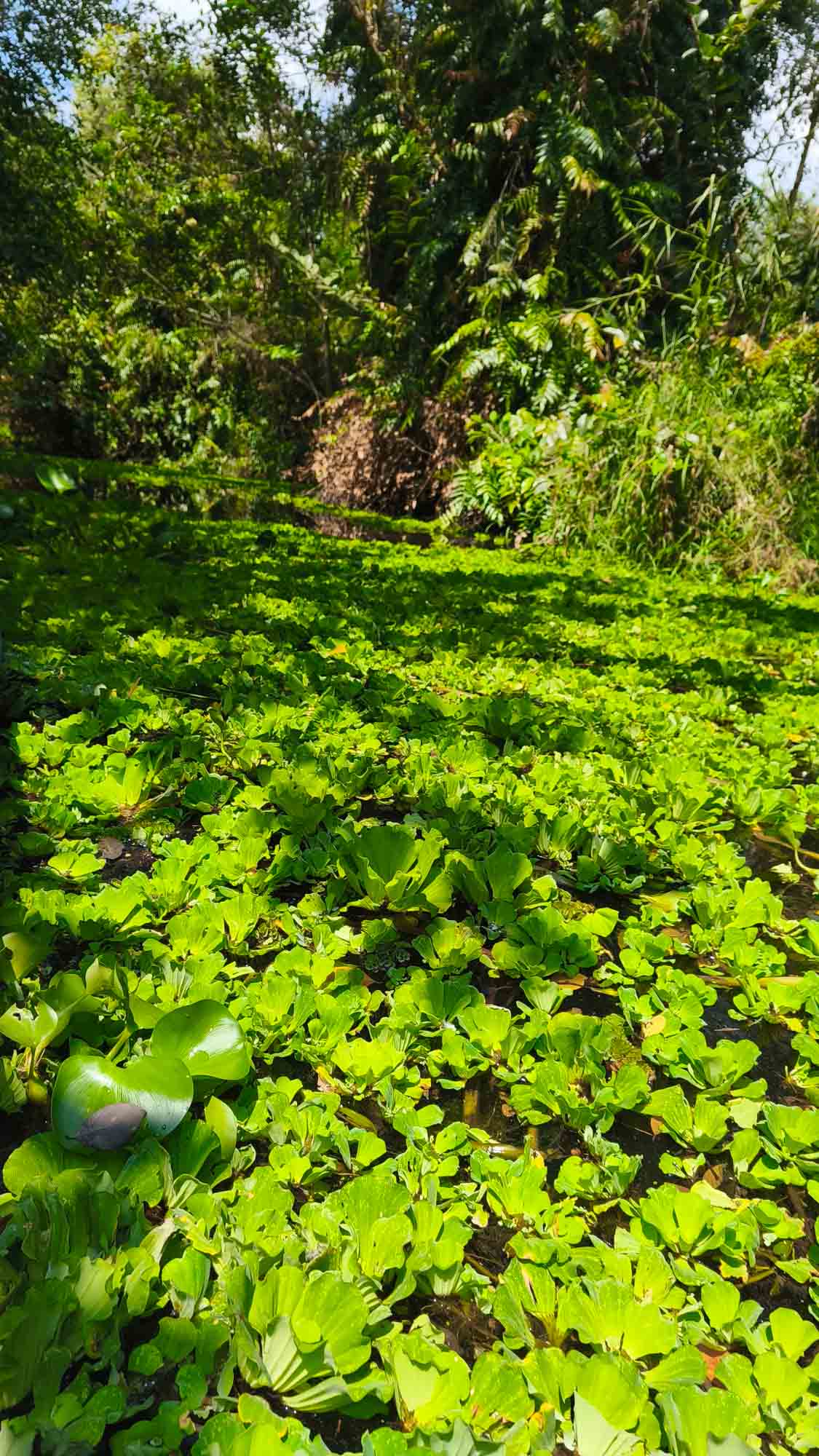
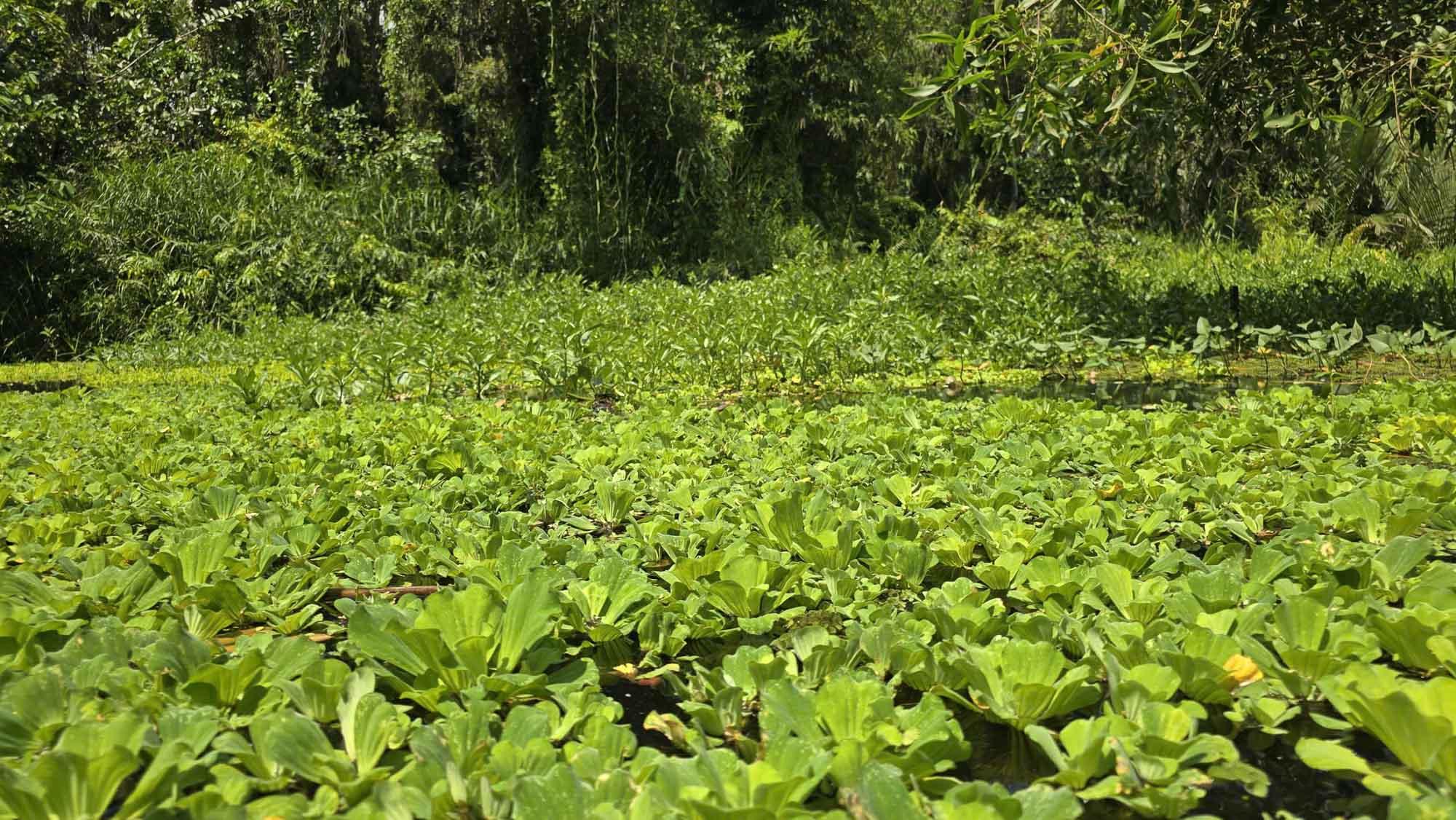
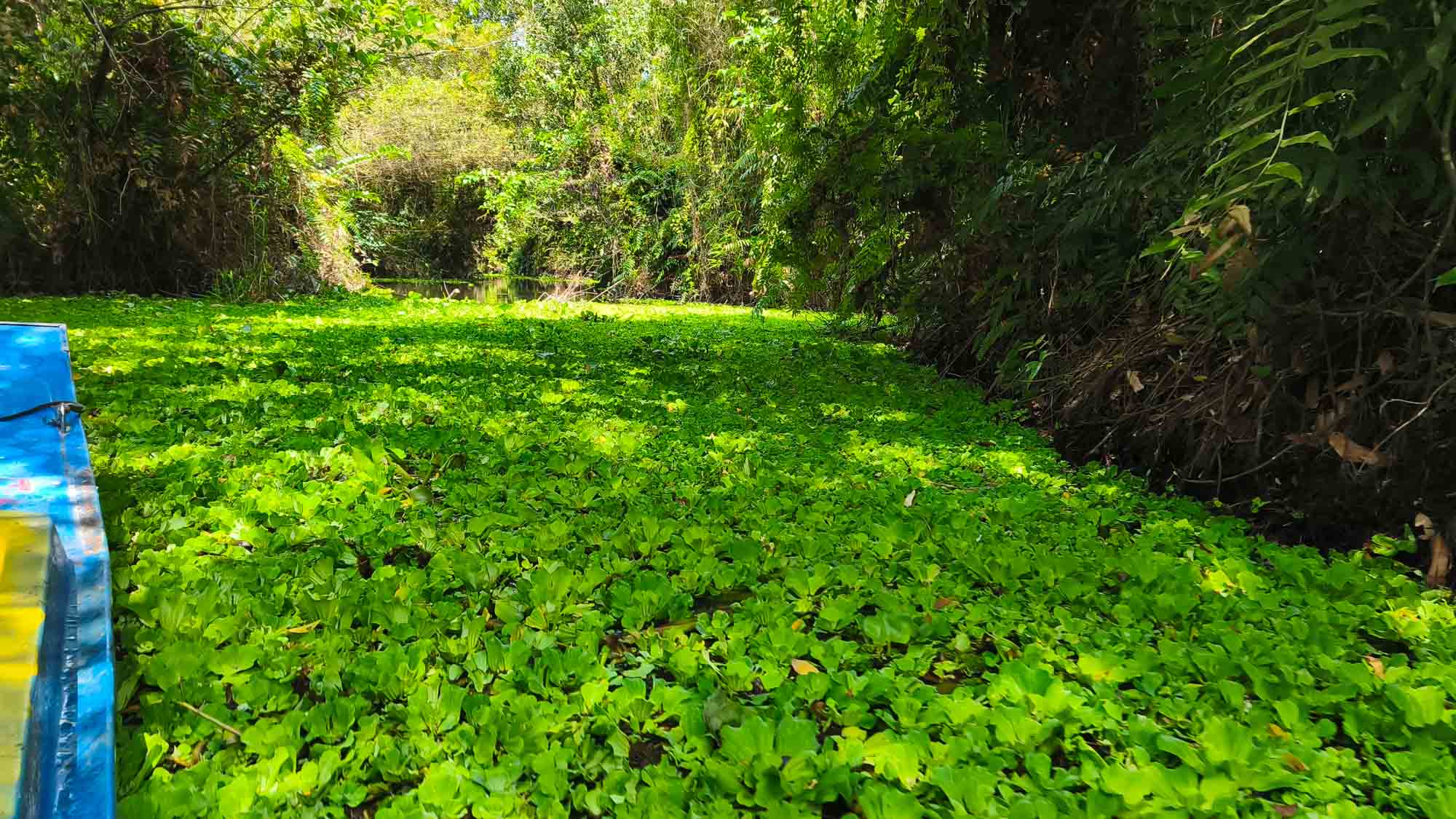
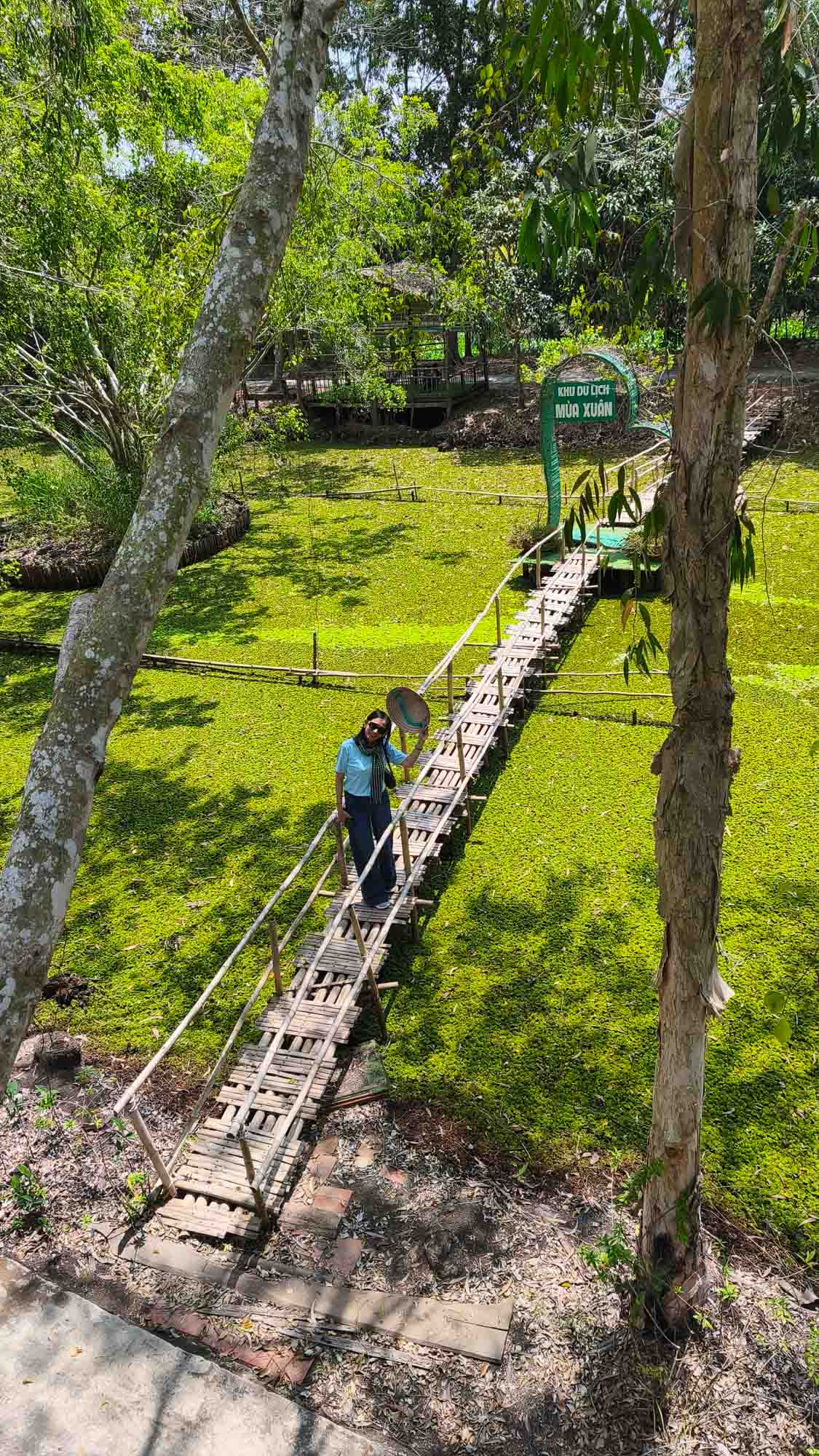
An aerial view of the Lung Ngoc Hoang Nature ReserveA journey through Lung Beo, the buffer zone of the Lung Ngoc Hoang Nature Reserve, reveals a vivid natural landscape where melaleuca forests and wetlands intertwineHome to more than 330 plant species and 206 animal species, the reserve shelters a wide range of native wildlife, including waterbirds and aquatic species unique to the Mekong DeltaVast stretches of primary melaleuca forest, covering nearly 53% of the reserve, act as a natural carbon sink and help regulate the local climate amid worsening climate changeVisitors to Lung Beo can travel by traditional southern Vietnamese motorized boats, gliding through shaded waterways to explore the surrounding wildernessAlong the canal network, visitors can spot native trees such as tram bau, ca na and o moi, while dense floating duckweed blankets the water’s surface, the origin of the name Lung Beo
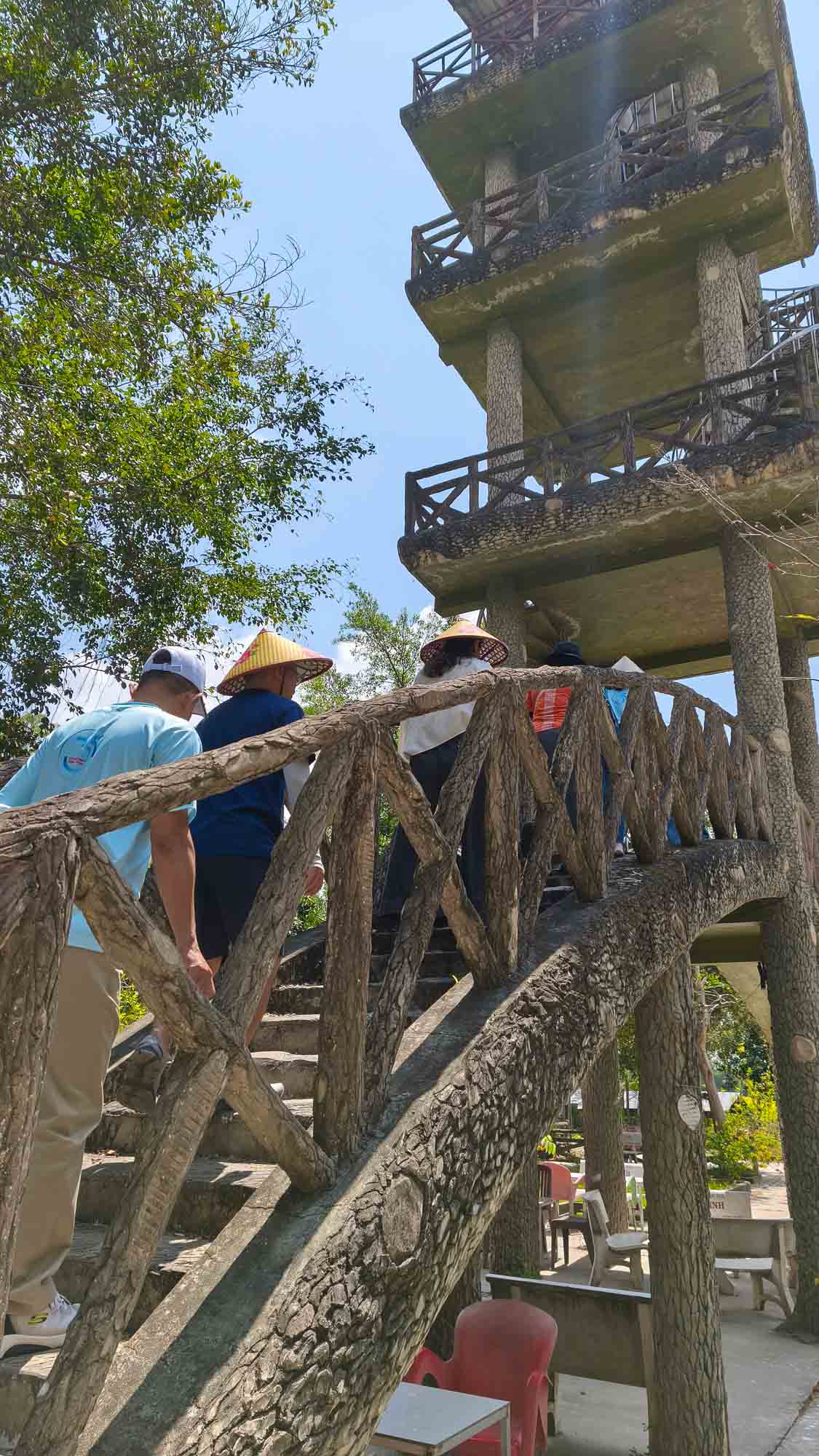
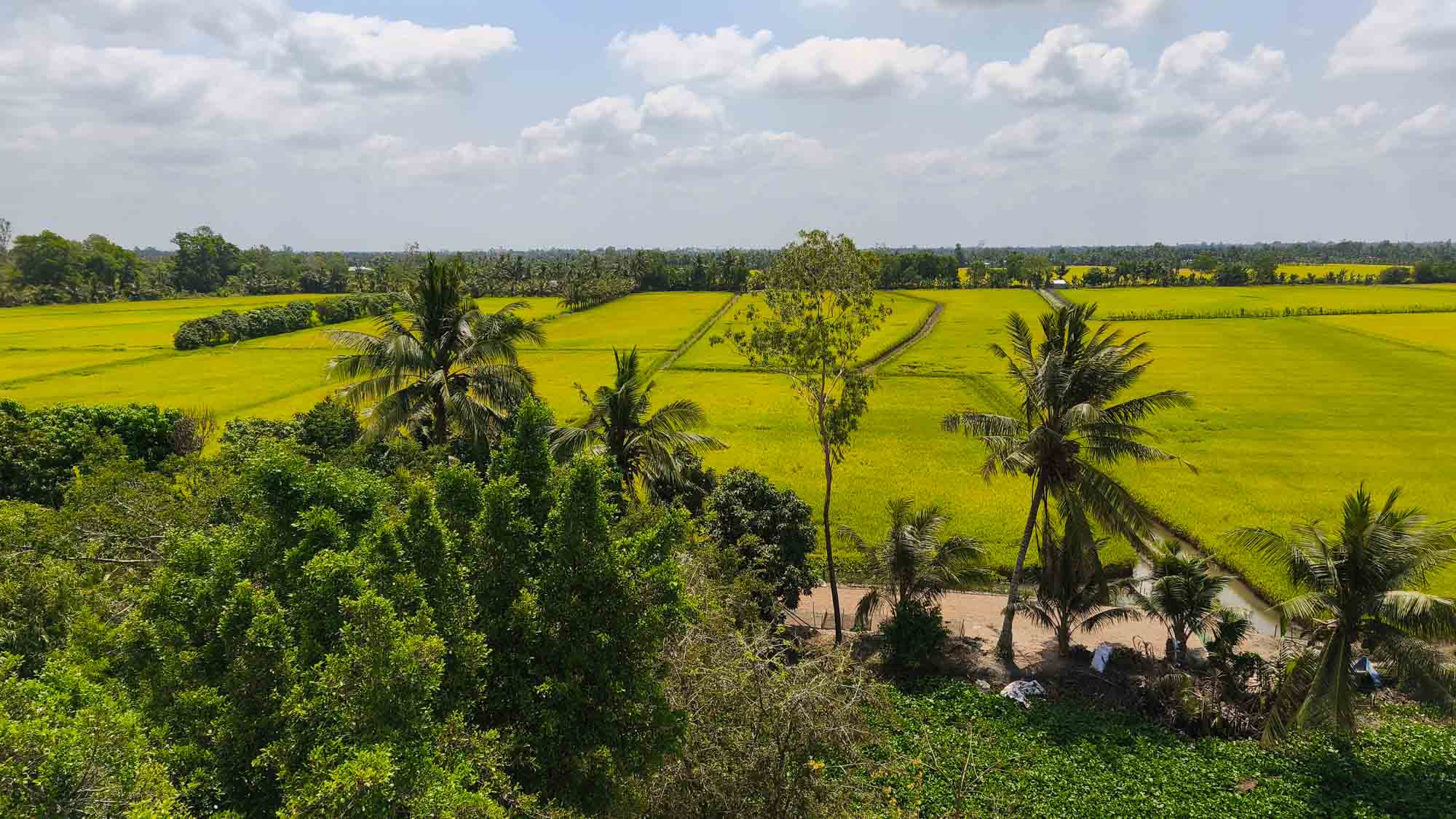
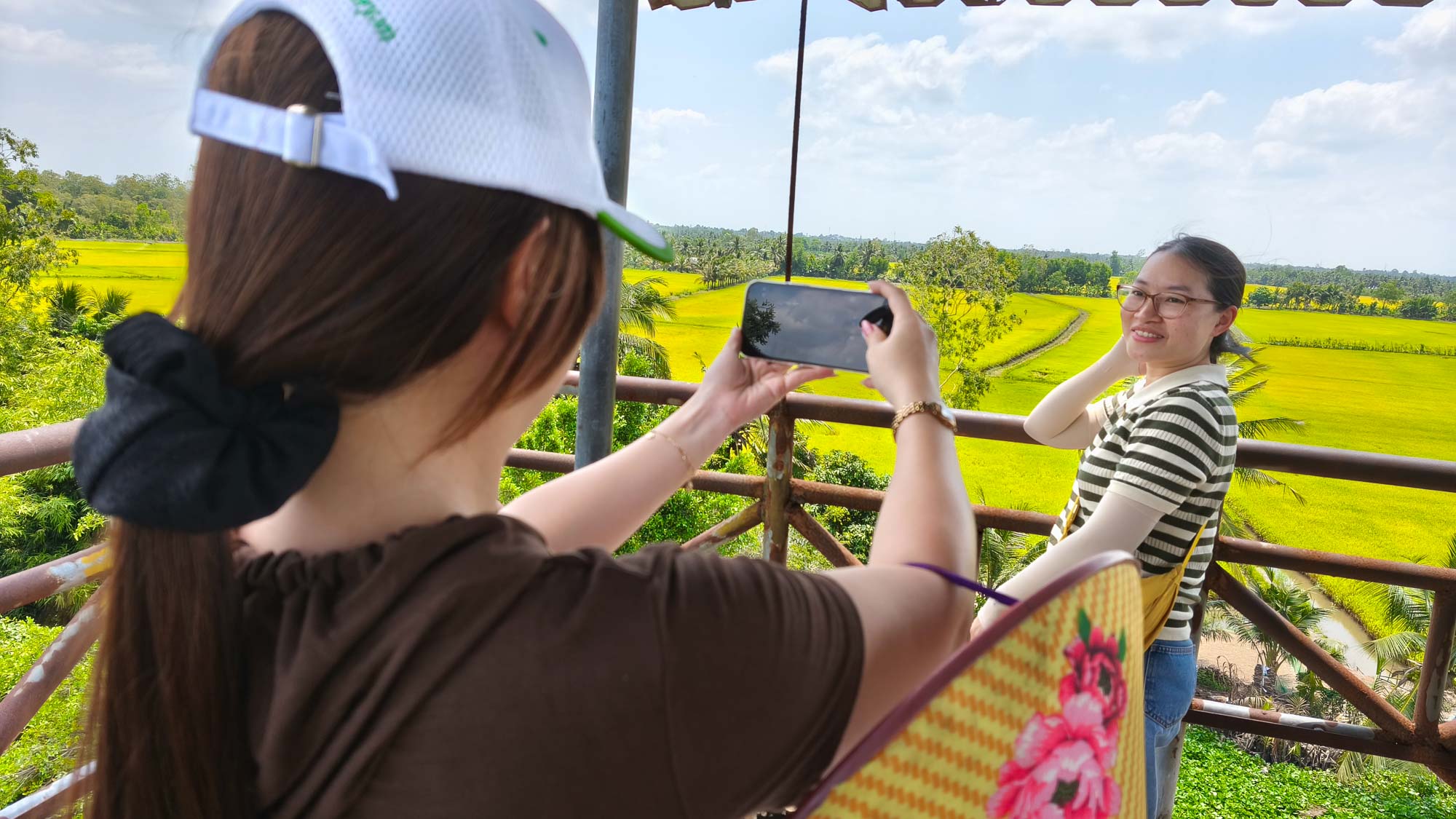
Tourism activities at the reserve are designed around a “nature-first” approach, allowing visitors to immerse themselves in the environment while fostering a deeper connection with the wildBeyond conservation, the reserve aims to become a national ecotourism destination by 2030 under the Government’s development planVisitors climb a watchtower overlooking the vast Lung Beo landscapeA golden rice field ripens in the Lung Beo areaTourists pose for photos atop the watchtower against the backdrop of the reserve’s natural scenery