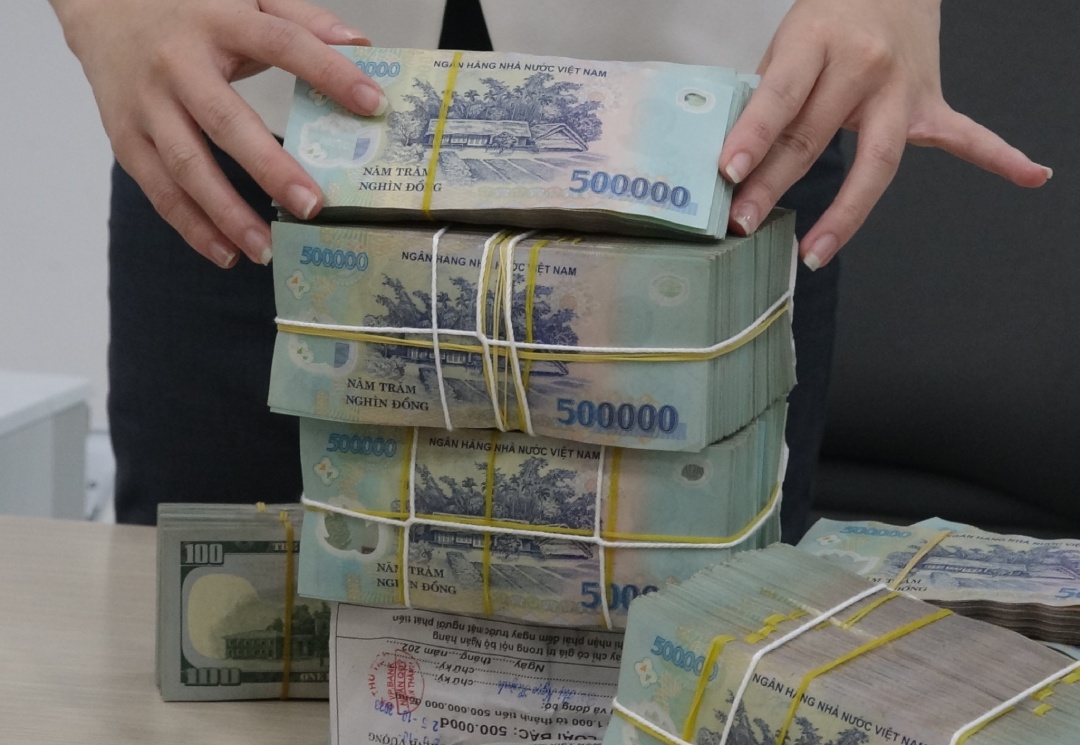
HCMC – The State Bank of Vietnam (SBV) has proposed raising the maximum ratio of short-term funds that commercial banks can use for medium- and long-term lending to 40% from the current 30%, in a move aimed at boosting credit supply for economic growth.
The move is aimed at expanding credit capacity and channeling more medium- and long-term funding to businesses to support economic growth in the coming years.
Besides raising the cap, the draft circular introduces greater flexibility in calculating the loan-to-deposit ratio (LDR). Under current rules, 80% of term deposits from the State Treasury are excluded from total deposits when calculating the ratio. The draft would allow the SBV governor to set a different exclusion ratio depending on market conditions.
Once the new circular takes effect, Circular 08/2020 and Circular 08/2026 concerning related prudential requirements will be abolished to streamline the regulatory framework.
The proposal marks a reversal from the tightening roadmap that lowered the ratio of short-term funds used for medium- and long-term lending to 30% in October 2023.
The adjustment comes as Vietnam enters a new growth cycle for 2026-2030, with rising demand for long-term capital to finance infrastructure, energy and green transition projects. Raising the ratio could free up additional long-term lending capacity at commercial banks without requiring immediate changes to their funding structures.
Vietnam’s banking system remains heavily reliant on short-term deposits, while businesses’ borrowing needs are concentrated in medium- and long-term maturities. Greater flexibility in the treatment of State Treasury deposits and a higher funding ratio could help banks improve capital efficiency and ease pressure on funding costs, potentially creating room for lower lending rates to support businesses.