
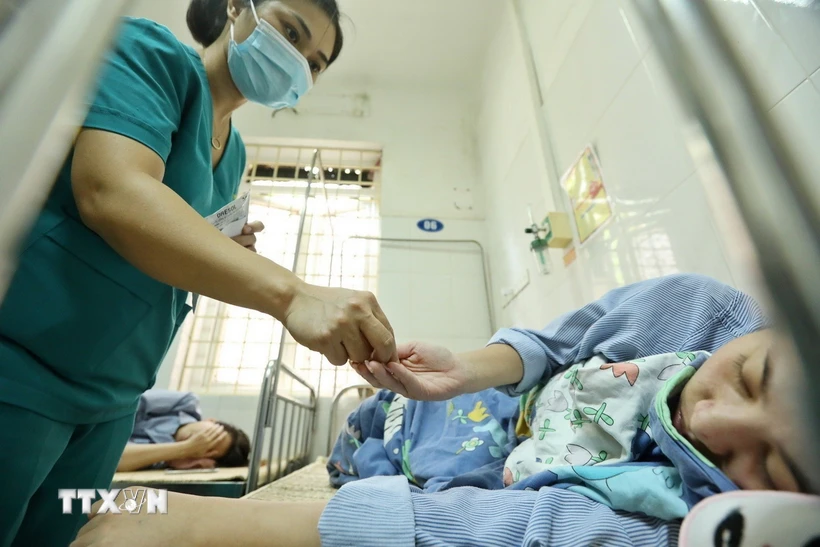
HCMC – More than 50,000 dengue infections have been recorded in the first five months of 2026, 2.5 times higher than the same period last year, with severe cases requiring hospitalization also on the rise, health officials said.
The figures reflect an increasingly unpredictable dengue situation, with outbreaks no longer following previous seasonal patterns.
The Vietnam News Agency quoted Vo Hai Son, deputy director of the Department of Disease Prevention, as saying that more than 50,000 cases had been reported nationwide in the first five months of 2026. He linked the sharp increase to unusual weather conditions marked by alternating periods of heat, humidity, and prolonged rainfall, which have created favorable conditions for Aedes aegypti mosquitoes to breed.
He also warned that the DENV-2 serotype has become dominant, raising the risk of severe illness.
According to Son, dengue outbreaks are occurring more frequently. Vietnam recorded a peak of 371,000 cases in 2022, while annual infections have averaged around 150,000 in recent years. In 2025, case numbers remained high through November and December instead of declining at the end of the year, contributing to the surge seen this year.
Data from the Ministry of Health showed that dengue has spread across the country, including northern localities that previously reported few or no infections. During the 2022 outbreak, hundreds of patients in northern provinces required hospitalization.
At a June 10 seminar held ahead of ASEAN Dengue Day on June 15, Angela Pratt, the World Health Organization’s representative in Vietnam, pointed to climate change, rapid urbanization, and increasingly unpredictable transmission patterns as factors reshaping the spread of the disease and making preparedness more difficult.
Nguyen Thanh Hung, vice chairman of the Vietnam Pediatric Association and former director of Children’s Hospital 1, said dengue is no longer concentrated among children.
More than a decade ago, children under 15 accounted for 60% to 70% of cases in southern Vietnam. Today, infection rates among children and adults are nearly equal, meaning anyone in a household can contract the disease.
Hung cautioned that many patients underestimate the risks of dengue and delay seeking medical attention. The period between the third and fifth day of illness, when fever often subsides, can be the most dangerous stage, with complications such as dengue shock syndrome, severe bleeding, and multiple organ failure more likely to occur.
Health authorities said vector control and disease surveillance remain the foundation of dengue prevention. At the same time, Vietnam is studying pilot dengue vaccination programs in selected areas before considering broader use through the national immunization program.