
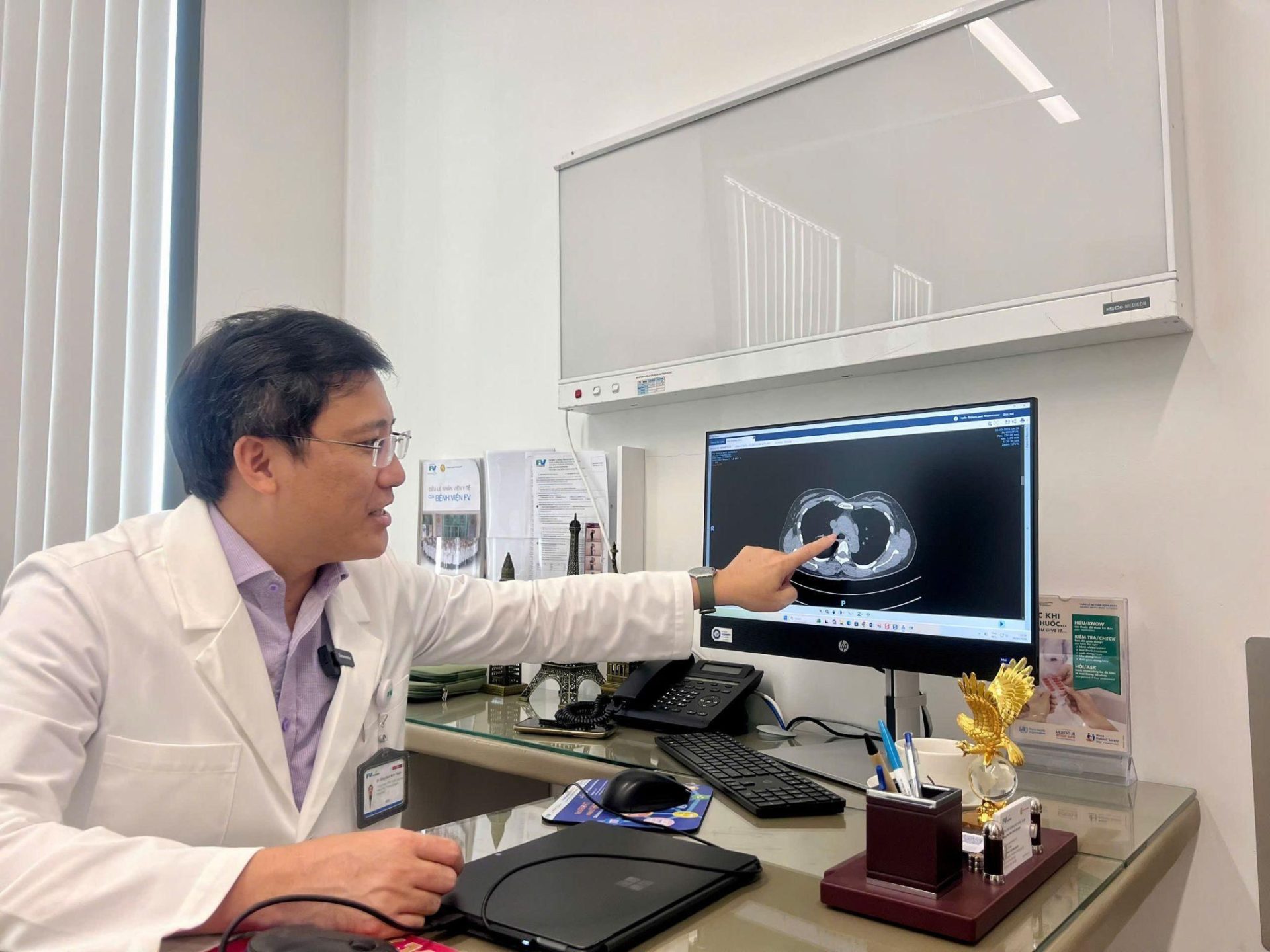
Instead of undergoing two separate surgeries to treat multiple lymph nodes located deep within both sides of the mediastinum, a Cambodian woman underwent a single robotic procedure at FV Hospital. Using the da Vinci Xi robotic system, surgeons successfully removed all suspected metastatic lymph nodes during one operation.
Patient faced the prospect of two major surgeries
Ms. K.S., a 47-year-old Cambodian patient, was admitted to FV Hospital with thyroid cancer that had spread to lymph nodes in the neck and deep into both sides of the mediastinum.
Before coming to Vietnam, she had consulted several medical facilities in Cambodia. All reached the same conclusion: because the lymph nodes were located deep within the chest and distributed across both sides of the mediastinum, treatment would require two separate operations. This would mean multiple rounds of anesthesia, a longer recovery period, and an increased risk of complications.
After reviewing imaging studies and conducting a multidisciplinary consultation, Dr. Dang Dinh Minh Thanh, PhD, Specialist Level II, Head of FV da Vinci Robotic Surgery Centre and Head of Thoracic Surgery, identified the case as highly challenging.
The complexity stemmed not only from the size of the lymph nodes – many measuring more than 3 cm – but also from their location on both sides of the mediastinum, an anatomically difficult area to access even with conventional minimally invasive surgery.
In thyroid cancer, thorough removal of metastatic lymph nodes is essential because any residual disease may reduce the effectiveness of subsequent radioactive iodine therapy. As a result, the procedure required an exceptionally high level of surgical precision.
Robotic surgery enables treatment in a single operation
“If conventional surgery had been used, the procedure would almost certainly have required two separate operations,” Dr. Thanh explained. Rather than following the traditional approach, the surgical team opted for a more comprehensive strategy: removing all suspicious lymph nodes on both sides of the chest during a single robotic procedure.
“Robotic surgery provides greater flexibility and precision in confined spaces, allowing us to reach deep anatomical areas and remove all targeted lymph nodes in a single operation,” Dr. Thanh said.
Compared with conventional surgery, the robotic instruments can rotate and articulate with exceptional flexibility, enabling surgeons to work safely within narrow spaces in the chest cavity. The system’s high-definition 3D camera provides a magnified view of delicate anatomical structures, allowing precise lymph node dissection. These capabilities enabled the team to address lesions on both sides of the mediastinum during the same procedure – something that would be significantly more difficult using conventional laparoscopic techniques. Another advantage is the minimally invasive approach. The robotic system requires incisions of only about 8 mm, reducing surgical trauma and minimizing visible scarring.
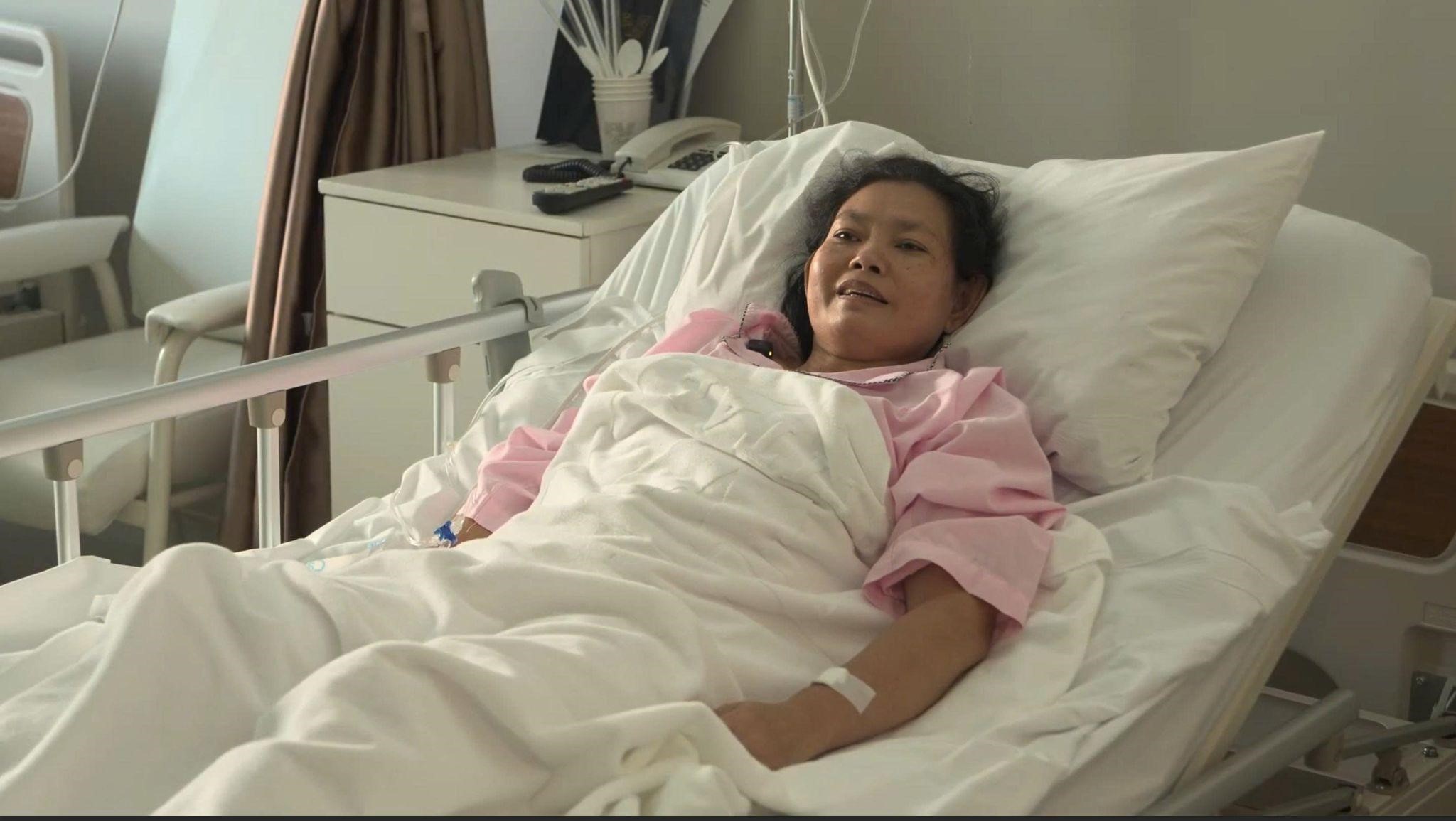
After more than two hours of surgery, all lymph nodes suspected of metastatic involvement were successfully removed. Ms. K.S. reported minimal postoperative pain, and her hospital stay was significantly shortened. Within two days, she was able to resume most normal daily activities.
According to Dr. Thanh, complete removal of suspicious lymph nodes plays a critical role in thyroid cancer treatment because residual disease may compromise the effectiveness of subsequent radioactive iodine therapy.
“Beyond treating the disease itself, we always consider the patient’s quality of life after surgery – from postoperative pain and recovery time to cosmetic outcomes,” he emphasized.
Robotic surgery gaining popularity among patients
Robotic surgery is now widely used at FV Hospital across multiple specialties, including urology, gastrointestinal surgery, thoracic surgery, and gynecology.
Beyond the technology itself, successful outcomes depend on close multidisciplinary collaboration and the expertise of a highly trained surgical team. As a result, patients with complex conditions, particularly those involving anatomically challenging areas, can benefit from less invasive yet highly effective treatment options.
Robotic surgery offers numerous advantages, including reduced postoperative pain, faster recovery, shorter hospital stays, and less scarring. These benefits are among the reasons why more patients are choosing robotic-assisted procedures for a safer and more comfortable treatment experience.
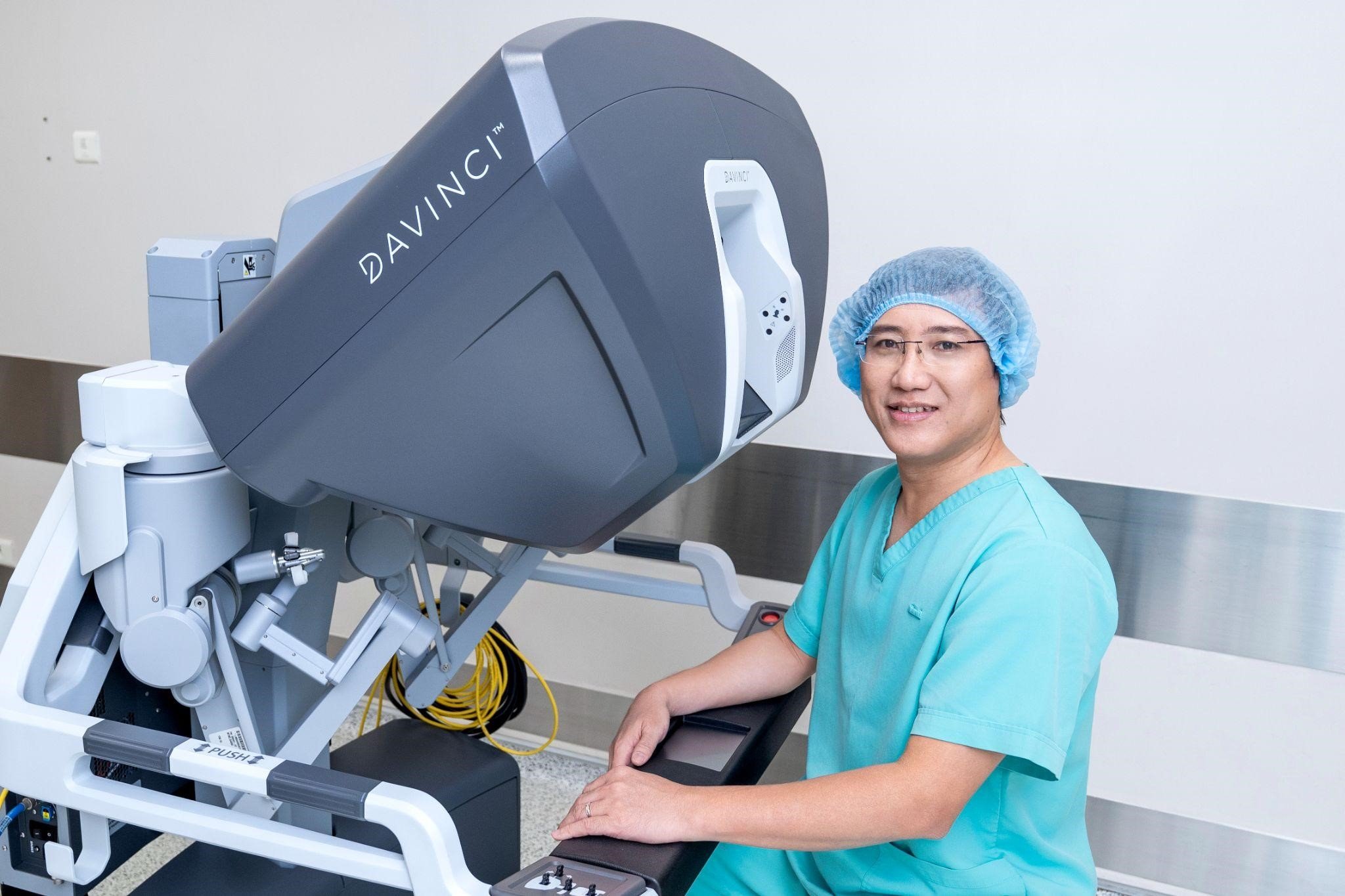
FV Hospital is currently offering a VND40 million discount on 50 Da Vinci Xi robotic surgery procedures. The program is valid until June 15, 2026. For more information, readers may contact FV Hospital at 6 Nguyen Luong Bang Street, Tan My Ward, Ho Chi Minh City, or call (028) 3511 3333.