In modern urban development, the relationship between the Government and businesses is no longer about separate roles. Instead, it has become a closely connected development model — one in which policy provides direction, the market turns vision into reality, and the resulting value spreads throughout society.
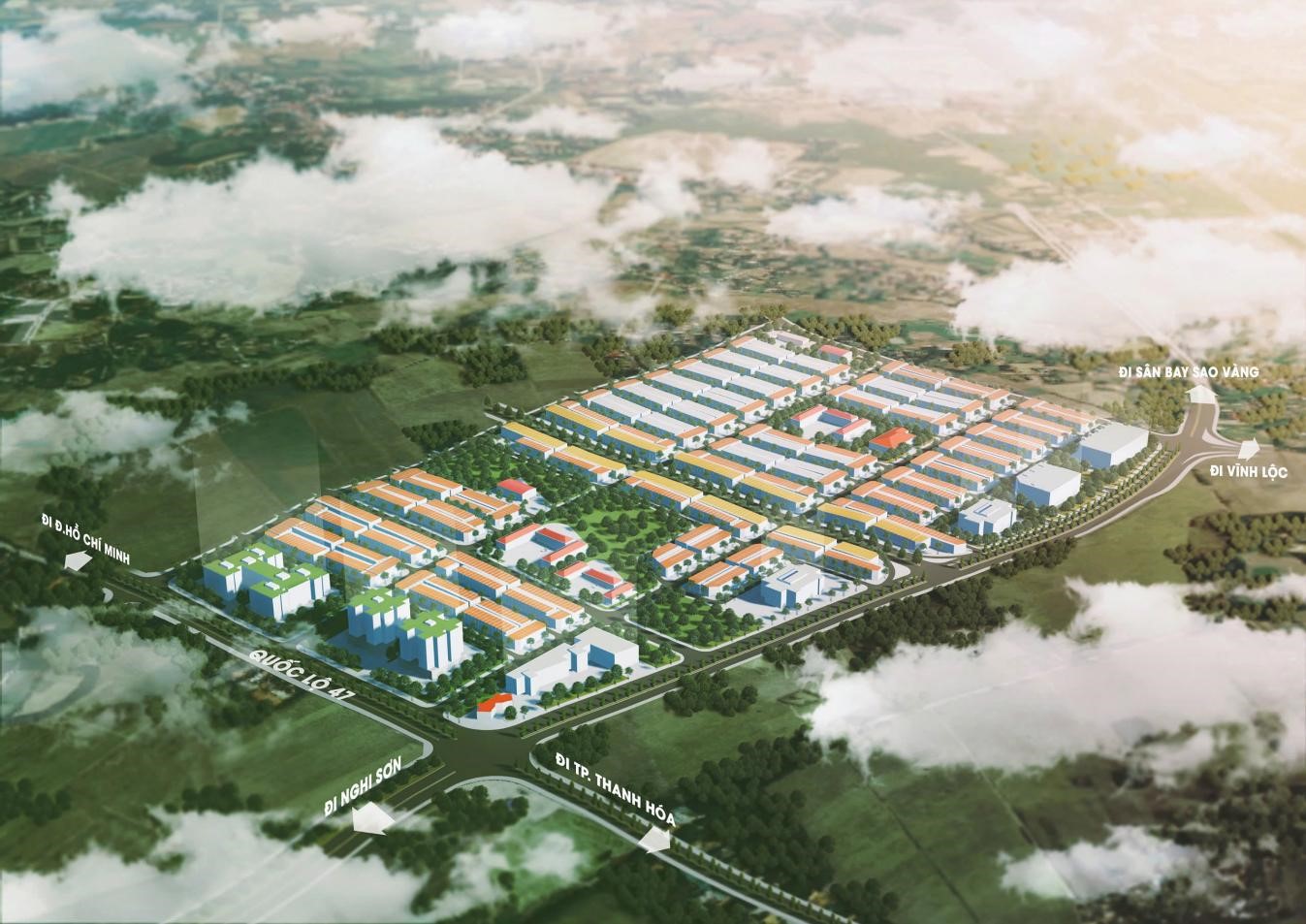
What is happening in the Lam Son – Sao Vang area of Thanh Hoa Province offers a clear example of this dynamic. The combination of Government planning and private-sector execution is helping shape a new growth hub for the province. At the center of that transformation is Sao Mai Residence Urban Area, which is emerging as a core development zone that not only drives economic activity but also carries significant social value.
Under recently announced development plans, Thanh Hoa is focusing on turning the Lam Son – Sao Vang area into a key urban center linked to aviation, industry, and services. The strategy reflects the Government’s role in guiding development through long-term planning, infrastructure investment, and a more open legal and policy framework. But turning those plans into real economic value requires participation from businesses — the entities that directly bring development visions to life through specific projects.
At the 2026 Thanh Hoa Investment Promotion Conference, the prime minister stressed that, beyond its natural advantages, the province still needs a new “reorganization” in both thinking and implementation if it wants to strengthen its position as an investment and development destination. That shift begins with effective governance, long-term planning, and a people-centered approach in which residents are both the beneficiaries and the driving force of growth.
It also requires a determination to fully unlock the province’s unique potential, standout opportunities, and competitive advantages. That foundation depends on a “ready-to-act” mindset from local authorities, a pioneering spirit from businesses, and the principle of “harmonized benefits and shared risks.”
Within that broader picture, Sao Mai Residence is more than a conventional real estate project. It is an important link in the urban development value chain. Located in the center of Lam Son – Sao Vang, the project sits at the intersection of several economic drivers, including aviation infrastructure, industrial zones, and regional trade networks. It is a practical example of a core urban economics principle: value is created where connectivity converges.
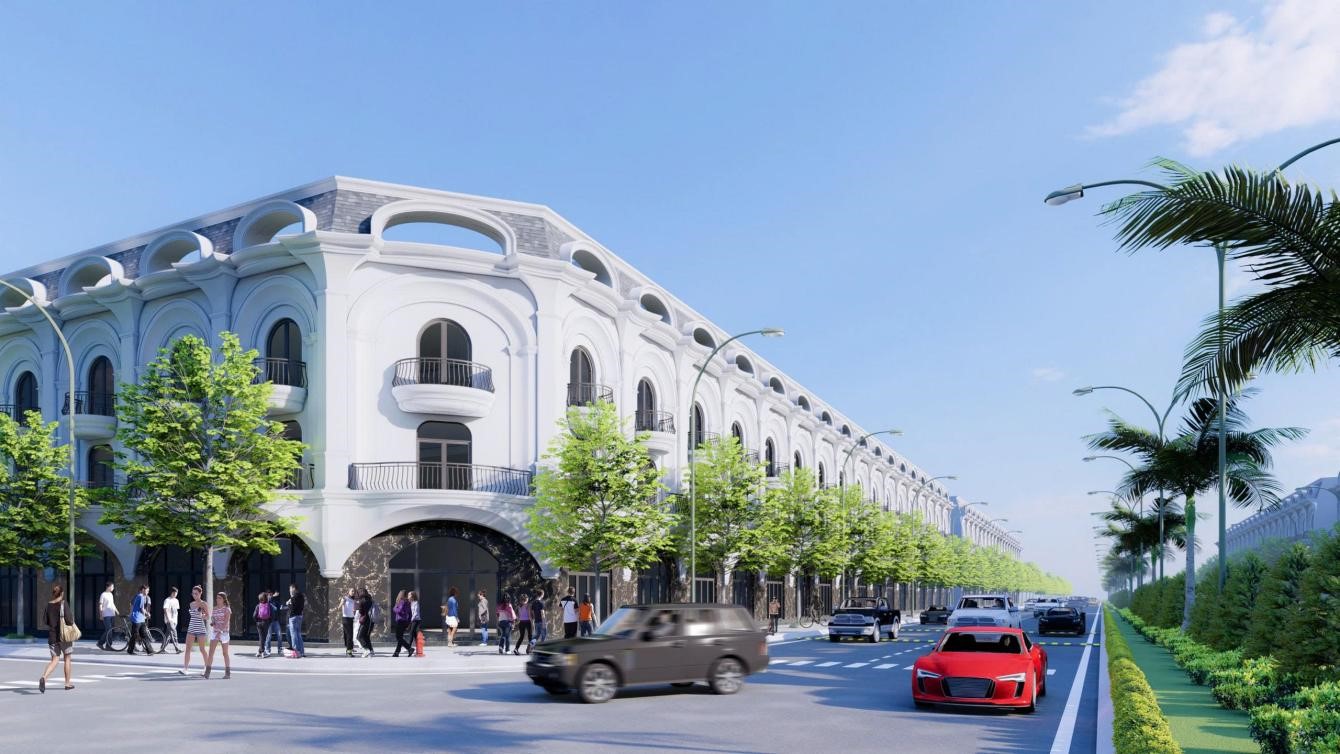
From an economic perspective, a master-planned urban area like Sao Mai Residence can create multiple layers of spillover effects. The first is the investment effect, as capital inflows stimulate construction, trade, and services. The second is the residential effect, as the formation of a new community creates consumer demand and supports local economic growth. Beyond that is the urban upgrading effect, where higher living standards help reshape the image and identity of the area.
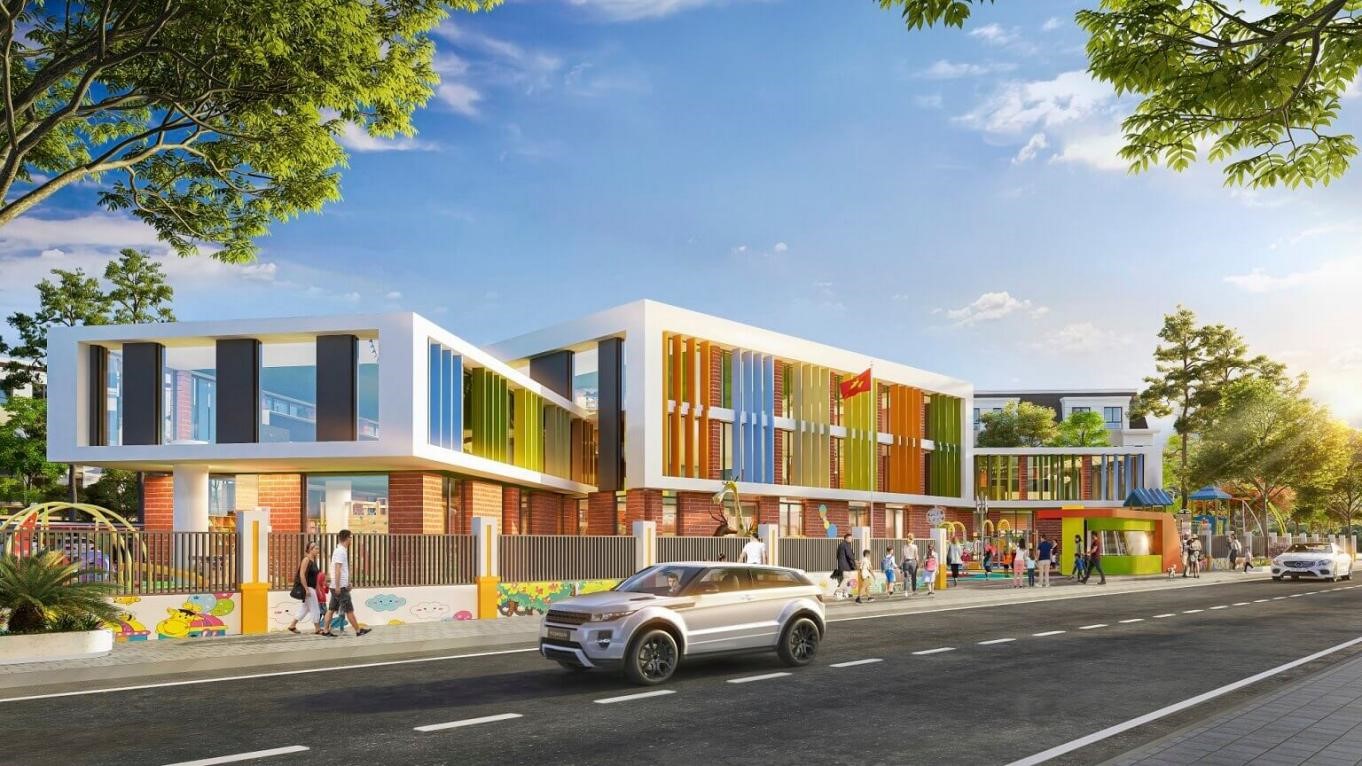
Notably, the impact goes beyond economics. A project developed with synchronized infrastructure, modern amenities, and green living spaces can also improve residents’ quality of life and help create a more modern and livable urban environment. These are “soft values,” but they are also among the most sustainable — and are increasingly central to advanced urban development models.
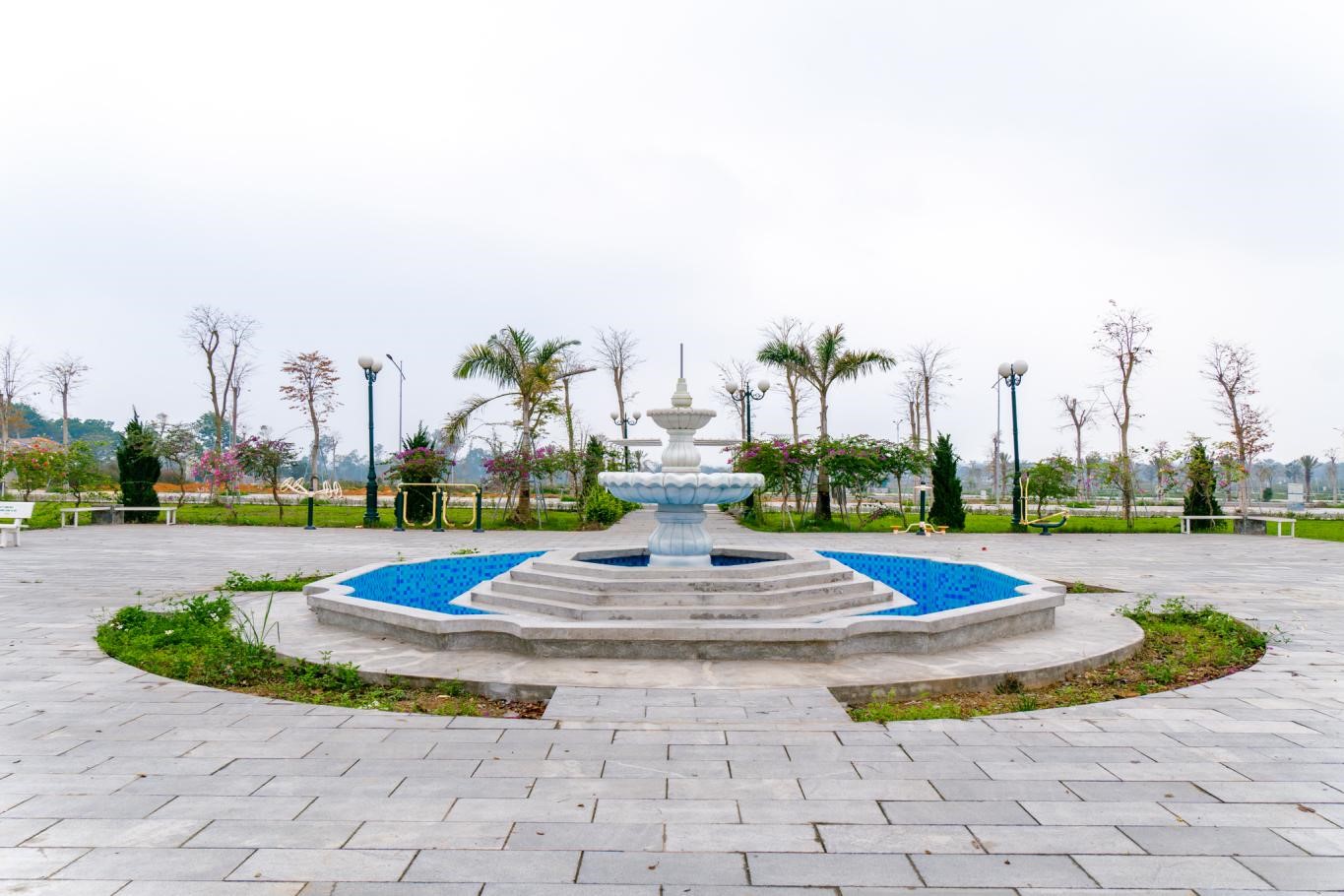
In its relationship with the Government, Sao Mai Residence also reflects the role businesses play in advancing sustainable development goals. By complying with planning regulations, ensuring legal transparency, and investing in synchronized infrastructure, the project not only creates value for investors but also contributes to local budgets and supports economic restructuring.
Viewed in a broader context, Sao Mai Residence can be seen as a “growth nucleus” where strategic location, planning, and capital converge. If that nucleus operates effectively, it can generate a pull effect that supports the development of surrounding areas and gradually forms a more complete urban ecosystem.
For investors, identifying projects that align with the Government’s long-term development strategy is often key to capturing opportunities. Real estate value comes not only from a project’s internal strengths, but also from its alignment with policy direction and regional growth momentum. In this case, Sao Mai Residence brings together both factors: strong internal fundamentals and favorable external momentum.
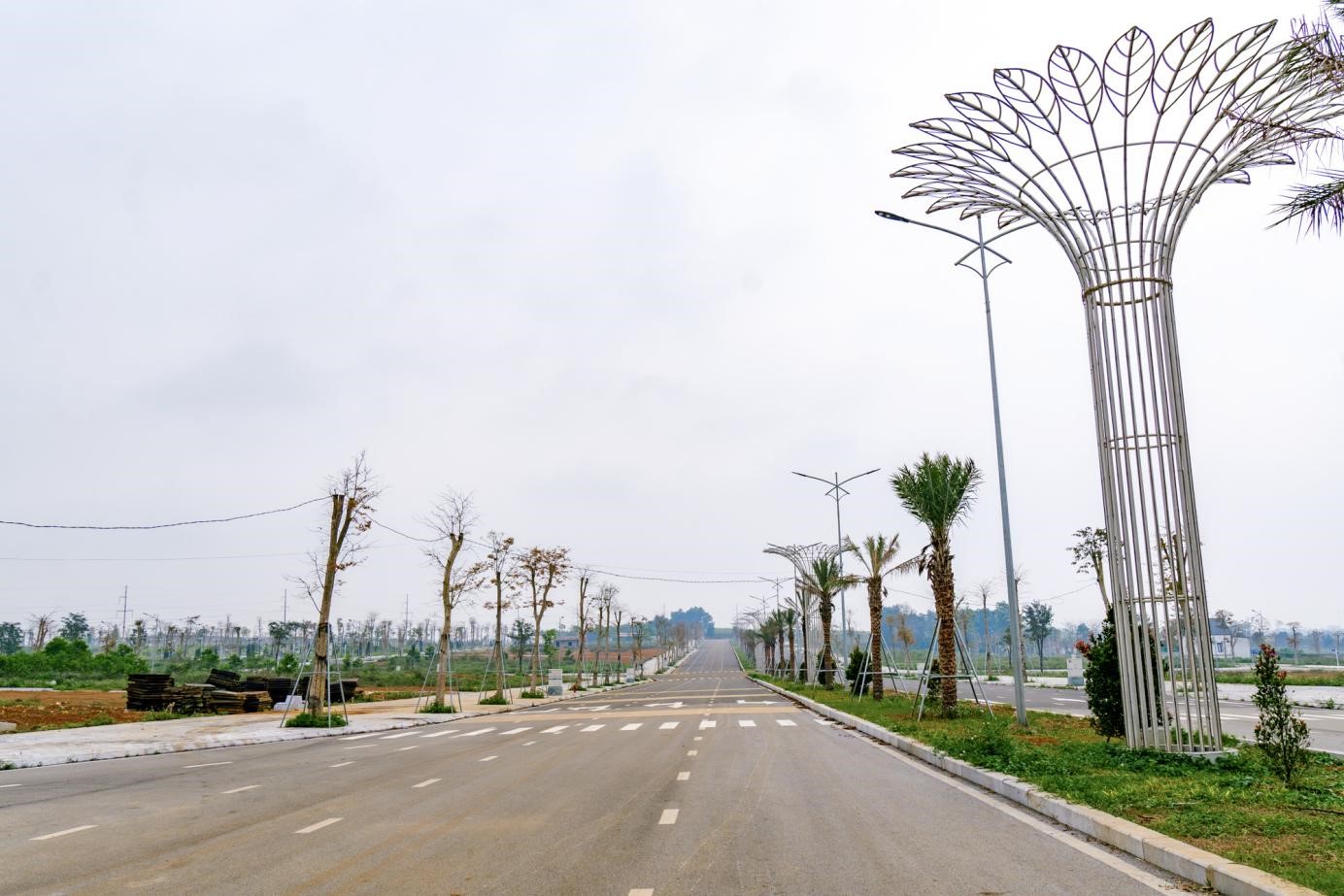
“Development is not random movement, but the result of deliberate and strategic choices.” When the State acts as a facilitator and businesses take the lead in implementation, projects like Sao Mai Residence can become representative examples of modern urban development — where economic growth moves alongside social progress, and investor interests are tied to the long-term prosperity of the locality.
For more information, please contact
REAL ESTATE SALES DEPARTMENT – SAO MAI GROUP
Address: 326 Hung Vuong Street, Long Xuyen Ward, An Giang Province
Phone: 0939 100 699
THANH HOA REAL ESTATE TRANSACTION OFFICE
Address: National Highway 47, Sao Mai Lam Son – Sao Vang Urban Area, Sao Vang Commune, Thanh Hoa Province
Hotline: 0357 997 338