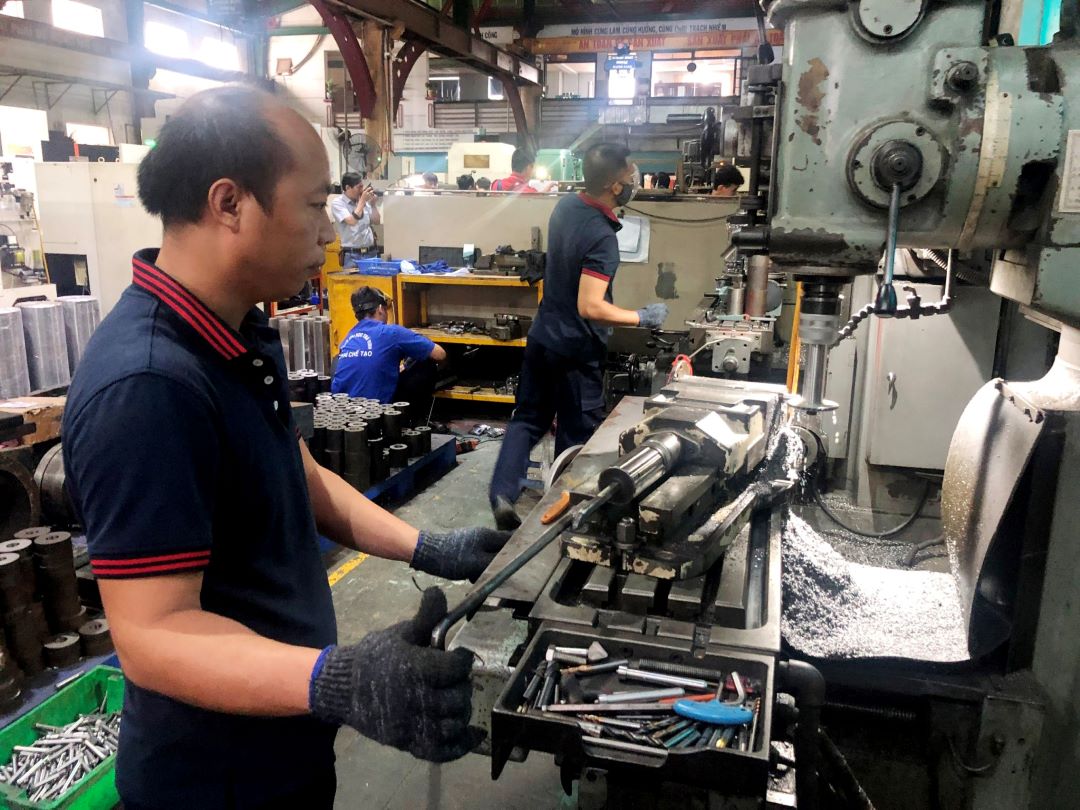
To objectively and substantively assess the role of the manufacturing-processing industry as the economy’s “locomotive,” it is not sufficient to focus solely on surface-level macroeconomic indicators such as GDP growth or export revenue. Instead, a more powerful structural analytical tool is required to disentangle the vertical and horizontal linkages as well as the spillover effects among sectors within the economy. In Vietnam’s strategy for industrialization and modernization, the manufacturing-processing industry has consistently been identified as a core driver and a central force behind economic growth and structural transformation. With one of the highest levels of trade openness in the world, Vietnam has rapidly integrated into global value chains, attracting strong inflows of foreign direct investment (FDI), particularly in information technology, electronics, textiles, and footwear. The remarkable expansion of exports and output in the manufacturing sector over recent decades is undeniable. However, rapid growth in sheer scale has raised important questions about development quality and structural sustainability. An economy heavily dependent on exports and foreign investment often faces the risk of becoming trapped in a low-value-added assembly model, where domestic production activities are concentrated in downstream segments with thin profit margins. To accurately assess the manufacturing sector’s role as the economy’s […]
Spillover effects among industries
By Dam Quang Trung – Nguyen Khanh Huy – Bui Trinh