
HCMC – Several of Vietnam’s key agricultural and food exports, including rice, seafood, dairy products, edible oils and bird’s nests, will no longer qualify for automatic renewal of registration codes after China classifies them as high-risk categories under new import rules.
Exporters are being urged to complete manual review procedures to avoid disruptions when Order 280 issued by the General Administration of Customs of China (GACC) takes effect on June 1.
The warning and detailed risk assessment were highlighted in Document No. 500/XNK-NH recently issued by the Agency of Foreign Trade under the Ministry of Industry and Trade to guide businesses in implementing China’s regulation on the registration and administration of overseas manufacturers of imported food, a.k.a. Order 280.
Under the new framework, 17 out of 18 categories of food products entering China must undergo registration supported by an official recommendation letter from the competent authority. Frozen fruit is temporarily exempt from market access management requirements, except for products subject to separate protocol arrangements that still require official endorsement.
The tighter regulatory regime introduces a more stringent risk-based assessment system that evaluates food safety performance, rates of non-compliant shipments, serious incidents and international practices. The changes effectively end automatic renewals for businesses requiring updated information or where unexpected risks emerge at national, sectoral or regional levels.
According to the technical guidance, Chinese customs authorities will conduct detailed risk analysis across 18 food categories, covering raw materials, production and processing methods, transportation and storage conditions.
Among them, meat products and bird’s nests are classified as high-risk and will not be eligible for automatic renewal. These products will face stricter controls related to nitrite and aluminum content as well as disease risks.
For rice, China has revised the category from “food-use cereals” to a dedicated “rice group,” with closer scrutiny of pest contamination, heavy metal residues—particularly cadmium—and genetically modified rice.
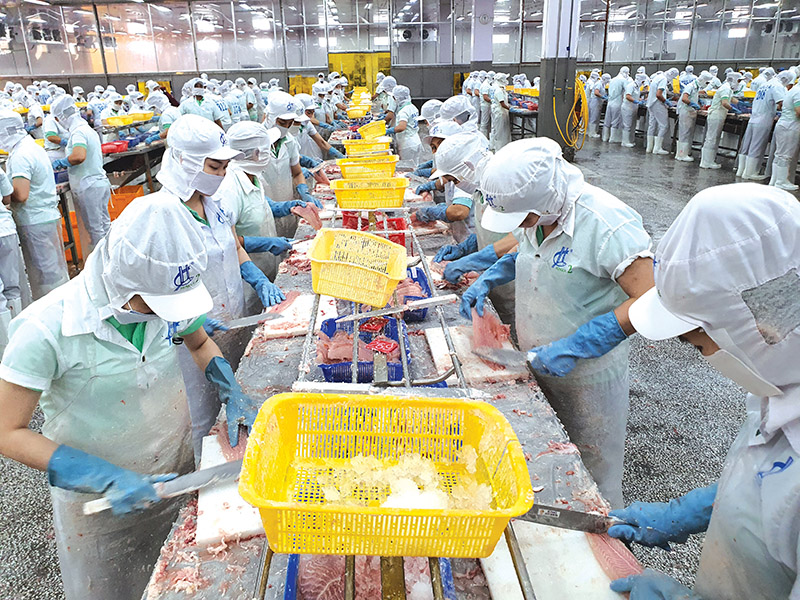
Seafood products face heightened review over aquatic animal diseases, contamination levels, residues of veterinary drugs and pesticides, and the validity of export certificates.
For dairy products, Chinese authorities identified the main risks as animal-to-human disease transmission and pathogenic microorganisms such as Listeria and Salmonella.
Other processed food categories will also face tighter quantitative controls. Edible oils will be assessed for pests, genetically modified content, acid values and peroxide levels. Filled flour-based products will be monitored for transport and storage safety.
Dried vegetables may be rejected if sulfur dioxide, additives or heavy metal residues exceed thresholds. Spice powders will undergo strict testing for mold, acid and peroxide indicators, contamination by Escherichia coli O157:H7 and Salmonella, as well as the presence of ethylene oxide (ETO).