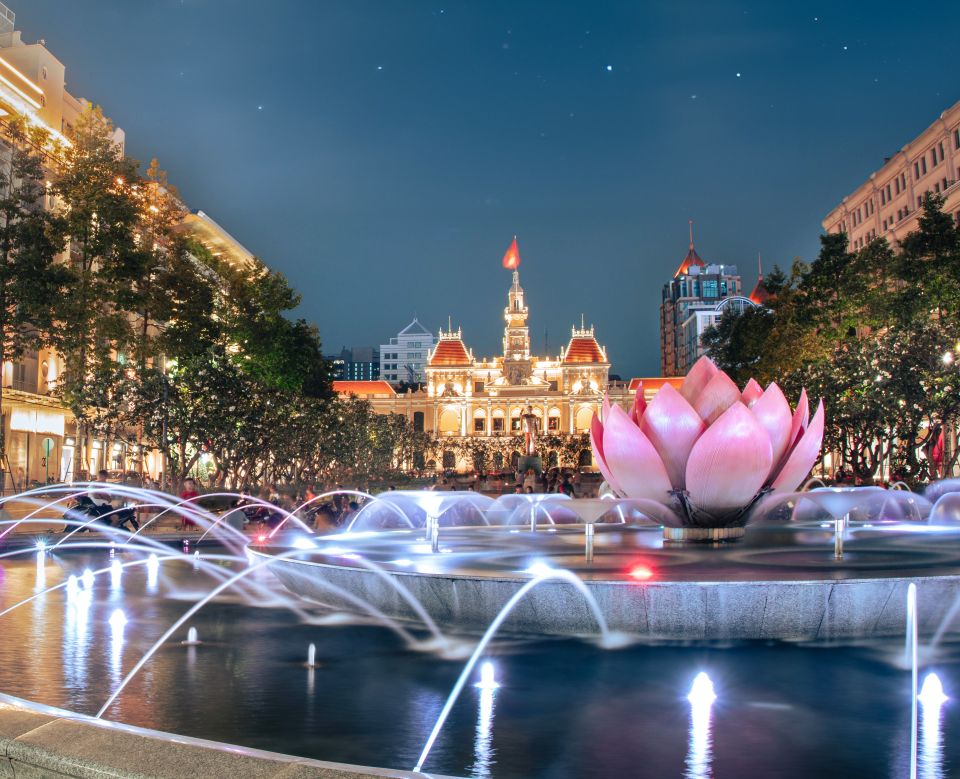
Around the world, some cities are known for their iconic architecture. Others are recognized by skylines of soaring skyscrapers. But there are also cities that, the longer one lives in them, the more one realizes that what defines their identity does not lie in physical form, but in something more intangible, deeper, and more enduring: the “core codes” that govern how a city functions, how people interact, how the economy grows, and how society absorbs shocks and renews itself. Saigon – Ho Chi Minh City is one such place. For many years, when people speak about Ho Chi Minh City (HCMC), they tend to use familiar phrases, even after the administrative merger in 2025: the country’s economic engine, the largest urban center, a hub of commerce and services, a dynamic city, a livable place, a magnet for young people, a land of opportunity. All of these descriptions are accurate, yet still insufficient. They capture surface expressions but do not reach the deeper structure of the city. If one sees HCMC merely as a growth engine, it becomes difficult to explain why it has been able to absorb waves of migrants over decades while retaining its vitality; why it embraces new […]
Decoding DNA Saigon-HCMC
By Le Ngoc Khanh Linh