
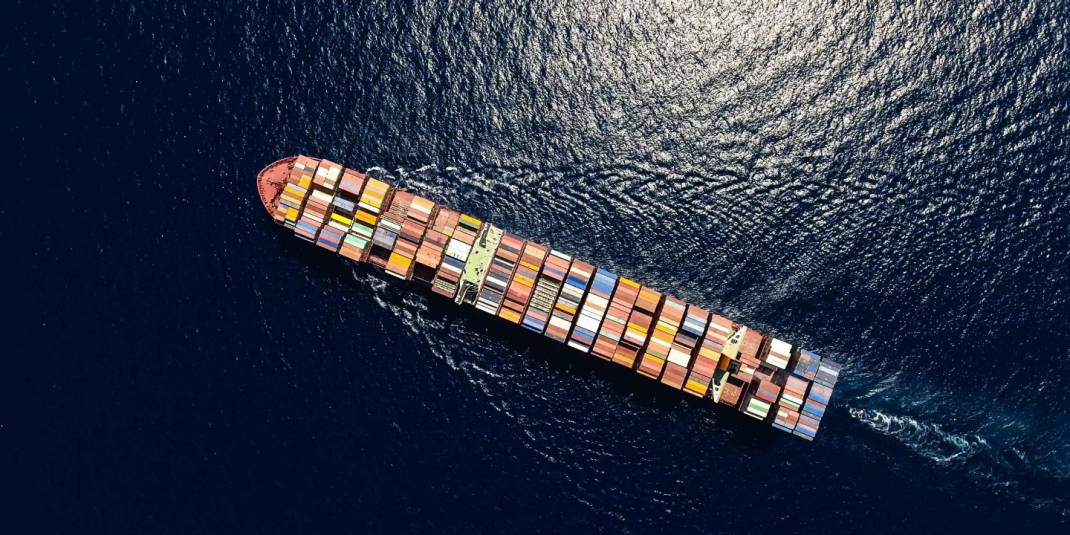
HCMC – The escalation of U.S. and Israeli strikes on Iran and subsequent Iranian counterattacks is disrupting maritime traffic through strategic Middle East chokepoints, prompting shipping lines to reroute vessels, raise surcharges and shake global supply chains — a development that is already squeezing importers and exporters in Vietnam.
Within days of global giants like Maersk, MSC, and Hapag-Lloyd rerouting vessels around the Cape of Good Hope, the impact has hit home. Exporters and importers in Vietnam are now facing compounding logistics challenges. Container shipping rates have doubled or tripled while transit times have extended by nearly two weeks. Moreover, insurance premiums are skyrocketing.
Pham Van Xo, chairman of the HCMC Import-Export Association (HIEA), said that the situation has transitioned into direct pressure on production and business operations. “Vessel space has tightened significantly. In some cases, businesses are willing to pay premium rates but still cannot secure bookings. It is no longer just a matter of cost; even companies with deep pockets cannot be certain their cargo will move,” he said.
According to notices sent to local firms, shipping surcharges have surged by US$2,000 to US$4,000 per container. Some routes have seen rates nearly double compared to previous levels. “This isn’t limited to Middle East-bound cargo; any shipments to Europe or North Africa forced to reroute via the Cape of Good Hope are suffering the same impact,” the HIEA’s chairman added.
Industries such as textiles, footwear, wood products and seafood are among the most exposed. With transit times extended by up to 14 days, the risk of delayed deliveries is rising, particularly for time-sensitive contracts.
On the import side, key inputs — from plastic resins to petrochemicals — are becoming more expensive. Bidrico CEO Nguyen Dang Hien said various materials have risen around 3%. “Beyond the price increases, our biggest concern is the risk of supply chain disruptions if transit times continue to be prolonged.”
To hedge against this, businesses are forced to increase inventories, which demands higher working capital and increases financial costs, further squeezing profit margins.
In logistics, Dao Trong Khoa, chairman of the Vietnam Logistics Business Association (VLA), said that for low-margin products such as agricultural goods, logistics costs now account for 50–60% of total expenses, leaving little room for profit. “If this disruption persists for another 4–5 weeks, the damage will transcend shipping costs. We are looking at a crisis of cash flow, delivery credibility, and ultimately, the loss of market share.”
Nguyen Duy Hung, vice chairman of the Dong Nai Logistics Association, said that the domestic fuel price could increase by 13–15% in the next adjustment cycle, creating a domino effect across the entire inland transport chain. Vietnamese exporters are now in a precarious position, forced to renegotiate delivery terms while some face the very real threat of order cancellations as costs exceed the limits of endurance.