
HCMC – Vietnam’s seafood exports rose nearly 15% year-on-year to an estimated US$3.7 billion in the first four months of this year, putting the industry on track toward its US$12 billion target for the year, according to the Vietnam Association of Seafood Exporters and Producers (VASEP).
The recovery was driven by major export products such as shrimp, tra fish (pangasius), squid, octopus, crab, shellfish, and other high-value seafood products, reported the Vietnam News Agency.
Growth varied across export markets. Shipments to China jumped more than 50%, while exports to the United States fell more than 7% due to growing trade barriers.
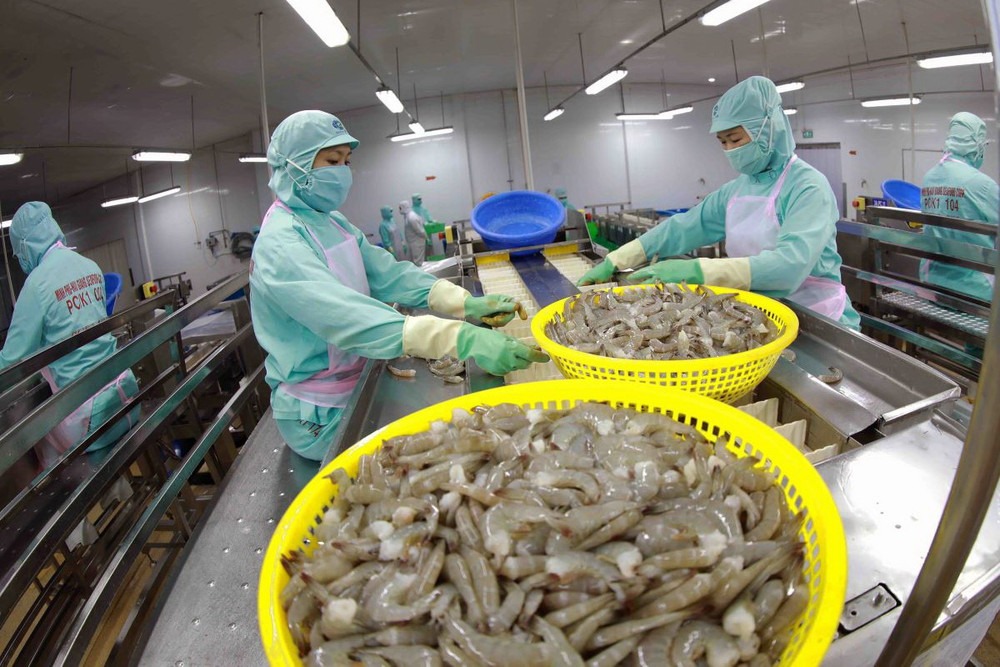
Shrimp remained the largest export category, generating around US$1.5 billion in revenue in the January-April period, up 15% from a year earlier and accounting for more than 40% of total seafood exports.
The increase came from recovering demand in several Asian markets, strong lobster exports, and growth in processed and value-added shrimp products.
Vietnamese shrimp exporters, however, are facing stronger price competition from Ecuador, India, and Indonesia. In the U.S. market, exporters continue to face anti-dumping and anti-subsidy duties, administrative review risks, and cautious buying sentiment among importers.
Tra fish exports reached an estimated US$734 million in the first four months, up 19% year-on-year, remaining the second-largest export segment. The product has benefited from demand for lower-cost protein as consumers tighten spending. Growth opportunities remain in China, ASEAN, the Middle East, the European Union, and other emerging markets.
Tuna exports moved in the opposite direction, falling around 6% year-on-year to an estimated US$286 million. The decline reflected rising raw material prices and stricter export requirements, including certification procedures under the U.S. Marine Mammal Protection Act, traceability regulations, and measures against illegal fishing.
Seafood exporters expect growth opportunities to remain in 2026 as global demand stays stable, particularly in major import markets such as the United States, the European Union, Japan, and China.







