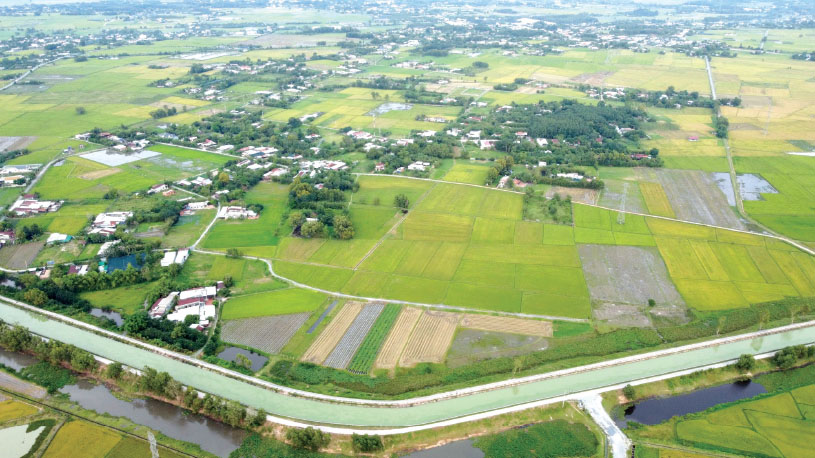
HCMC – Vietnam is seeking to unlock some 200,000 hectares of idle land, worth an estimated VND3.3 quadrillion, to help drive double-digit economic growth, Finance Minister Ngo Van Tuan told the National Assembly on April 21.
The figure is roughly three times the country’s planned public investment for 2026, which stands at VND1.1 quadrillion, underscoring the scale of untapped resources in the economy.
The review of growth scenarios comes as Vietnam pushes to achieve double-digit expansion, an unprecedented target in nearly four decades of economic reform. While the economy showed strong momentum in the first quarter of 2026, with GDP growth of 7.8% and exports rising 19%, sustaining that pace will be challenging. Growth in the rest of the year would need to reach 10–11% to meet the full-year goal.
External pressures are also mounting, including oil price volatility and geopolitical tensions, which could weigh on inflation and growth. Estimates suggest that a 10% increase in oil prices could shave 0.4 percentage point off GDP growth.
To meet its ambitious targets, the Ministry of Finance stressed the urgency of removing bottlenecks in resource allocation. Central to this effort is resolving legal and procedural hurdles to free up idle land, with the Government expected to collaborate with the National Assembly to accelerate the process.
At the same time, Vietnam aims to improve capital efficiency, targeting an incremental capital-output ratio (ICOR) of 4 to 4.5. Without such improvements, total investment in the economy would need to reach as much as 70% of GDP to achieve double-digit growth.
Fiscal policy will focus on refining the tax system to support businesses, while maintaining close coordination with monetary policy to ensure sufficient capital flows without undermining macroeconomic stability.
Over the longer term, the Government plans to reduce reliance on bank credit by developing long-term capital markets, including bonds and equities. This will require broad-based reforms, from institutional frameworks to market infrastructure, along with the development of professional investment institutions to build investor confidence.