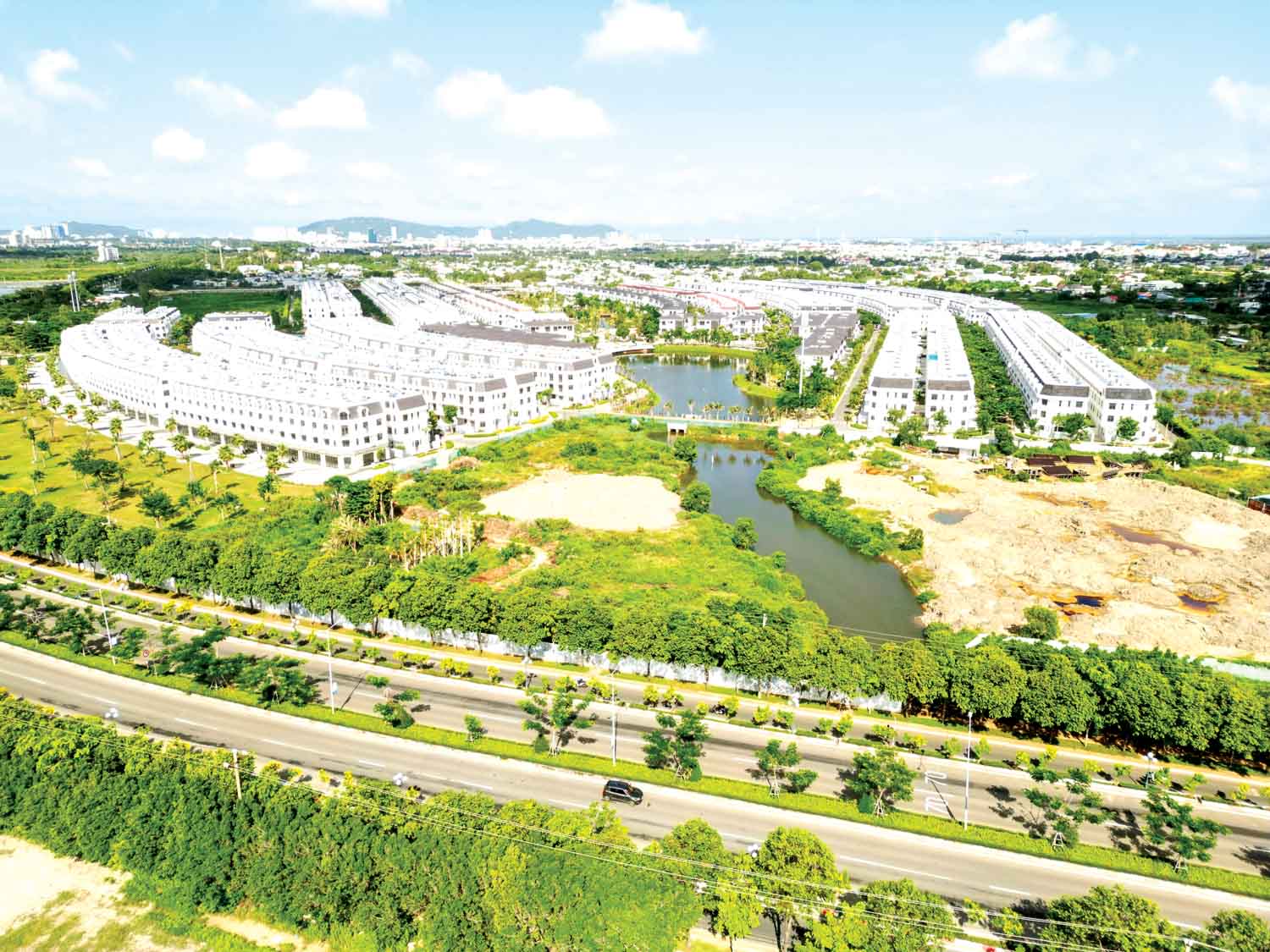
In the second quarter of 2026, the real estate market has gradually shifted into the stage of preparing capital for new investment plans. At the same time, the regulations on green taxonomy—outlined in the Prime Minister’s Decision 21/2025/QD-TTg (Decision 21)—began to take clearer effect. Access to capital is now increasingly tied to compliance with environmental criteria, starting from the earliest preparatory phases of project development. This shift has exposed specific bottlenecks in the examination process. Many projects promoted as “green” in communications have struggled to substantiate their environmental credentials during document appraisal, revealing a gap between how projects are presented and their actual preparedness for review. Even minor errors in data or discrepancies among submitted materials can slow progress and, in some cases, trigger a reassessment of financial conditions—ranging from preferential interest rates to guarantee requirements. In a cyclical market, such delays can directly disrupt project development plans. Behind these bottlenecks lies a fundamental shift. In the past, “green” in the real estate market was largely conveyed through project descriptions—emphasizing open spaces, eco-friendly facilities, or other features presented as environmentally friendly. Without concrete benchmarks, such narratives played a central role in shaping perceptions of a project’s sustainability. That approach has […]
Green requirement for capital access
By Pham Dang Khoa