HCMC – Vietnam’s material industry will be restructured in the coming years under a three-tier development model aimed at accelerating the shift from raw resource extraction to deep processing.
In addition, five strategic material groups – rare earths, semiconductors, battery materials, advanced materials and next-generation construction materials – will receive priority investment.
The strategic direction emerged from a working session chaired by Party General Secretary and State President To Lam with the Central Policy and Strategy Commission and relevant agencies on May 21.
At the meeting, the Vietnamese top leader called for the restructuring of the national materials industry under a clearly defined three-tier framework to avoid fragmented investment.

Under the model, the first tier would focus on maintaining and upgrading existing foundational materials industries through greener and more advanced technologies. The second tier would concentrate resources on strategic materials to create breakthroughs and strengthen national competitiveness. The third tier would focus on preparing early for future materials sectors.
As an initial step, the national strategy will prioritize five groups for tailored support mechanisms: rare earth materials, semiconductor materials, materials for batteries and energy storage, advanced materials and next-generation construction materials.
To achieve greater economic self-reliance, the Government’s management approach will shift from isolated support policies toward a market-shaping model in which the State creates demand and commissions specific products. The new strategy will require the development of a national list of strategic materials, a map of import dependencies and a domestic production capability map to identify applications and establish clear commercialization pathways.
Regulatory frameworks for controlled testing environments, intellectual property protection and equitable benefit-sharing among scientists, research institutions and businesses will also be introduced to accelerate commercialization.
For strategic minerals such as rare earths, bauxite, titanium and tungsten, the policy direction is to avoid exporting raw materials and to prevent resource extraction at the expense of environmental sustainability, while also ensuring resources are not left idle because of inadequate mechanisms or refining technologies.
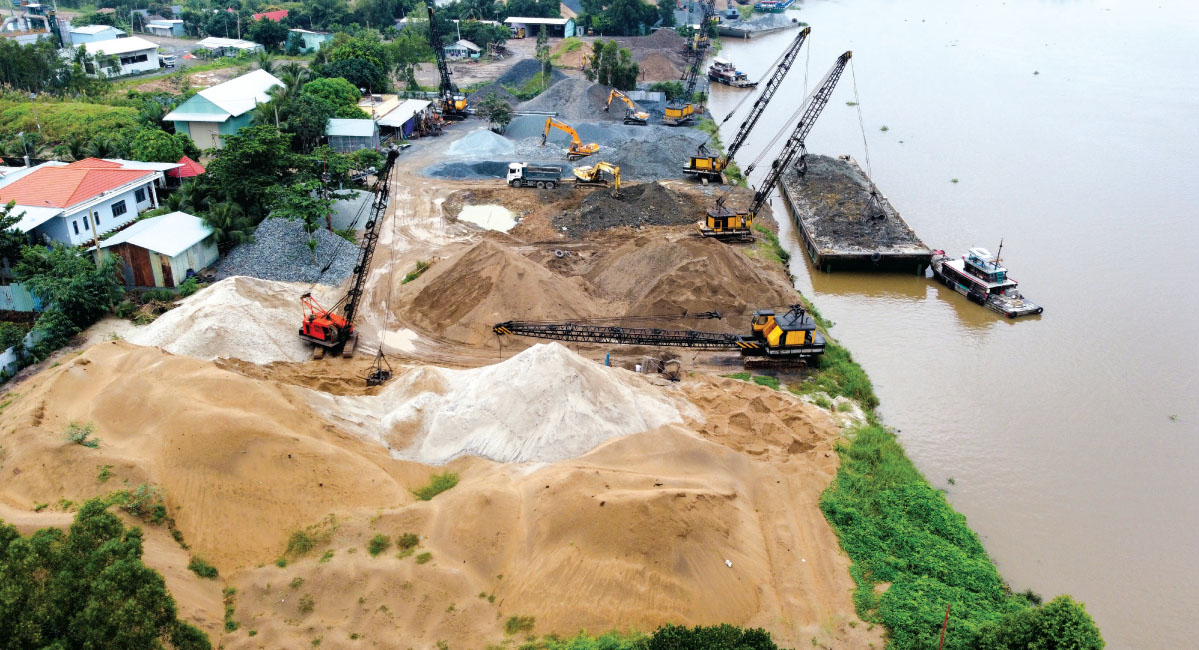
Addressing immediate challenges in the construction materials market, To Lam instructed ministries and agencies to strengthen interregional coordination to secure supply and ensure timely and transparent price disclosure for sand, stone, fill materials, cement and steel serving public investment, transport infrastructure and housing projects.
Local authorities were also asked to accelerate the adoption of green materials, alternative materials and recycled construction materials derived from treated waste in an effort to reduce emissions.
The Party Committee of the Government has been tasked with leading research and expediting the issuance of Vietnam’s materials industry development strategy through 2030, with a vision to 2045, to guide implementation nationwide.