
For many years, Vietnam has been regarded as the “factory of the world” for furniture. Strong manufacturing capacity, extensive export experience, and the ability to fulfill orders quickly have helped the country maintain a key position in the global supply chain. However, according to industry experts, this advantage will not sustain itself unless the sector continues to upgrade its capabilities – particularly in design and product development.
From manufacturing strength to value creation
From a market perspective, Vietnam continues to hold a strong position thanks to its solid manufacturing and export foundation. In the medium term, the country is likely to remain one of the world’s leading furniture suppliers, according to Tran Thi Thuy Dung, general director of Trade Point Vietnam’s buying office.
However, competition today is no longer driven solely by price, quality, and volume. International buyers are increasingly demanding higher standards in compliance, supply chain reliability, and sustainable sourcing. Beyond that, they are seeking partners who can actively contribute to product development and innovation.
This shift is accelerating the transition from OEM (manufacturing based on existing designs) to ODM, where factories are not only producers but also contributors to product design and development. Traditionally, products passed through multiple intermediaries between retailers and manufacturers. Today, more retailers are choosing to work directly with design-capable factories to shorten time-to-market and optimize costs.
At HAWA EXPO earlier this March, Nguyen Van Duoc, vice secretary of the HCMC Party Committee and chairman of the People’s Committee, emphasized that “Transitioning from ‘Made in Vietnam’ to ‘Made by Vietnam’ is the only way to increase added value and profitability for the industry”. “Made by Vietnam” refers to products that are designed, developed, commercialized, and exported by Vietnamese enterprises themselves. As competition intensifies, OEM-focused factories will face increasing price pressure, while companies with ODM capabilities are more likely to maintain stable capacity and long-term customer relationships.
Design and talent bottleneck
Despite clear opportunities, many Vietnamese companies still face significant challenges. One of the most critical bottlenecks is the shortage of internationally qualified R&D talent. Many businesses continue to rely on designs provided by clients and partners, limiting their ability to independently create new value.
Another challenge lies in balancing sustainability requirements with cost pressures. Major export markets are tightening regulations on wood traceability and environmental standards, while products must remain price-competitive.

In this context, a deep understanding of materials is increasingly seen as a critical foundation for upgrading design and product development capabilities. This is also the approach taken by Canadian Wood in its collaboration with Vietnam’s wood industry.
Vince Tran, country director of Canadian Wood Vietnam, noted that transitioning toward an ODM model requires companies to develop a deeper understanding of materials and end-market consumer trends, as “materials are the foundation of design”. While most mid- to high-end furniture products use wood, many factories are currently familiar with only a limited range of species. Amid ongoing global supply chain fluctuations, diversifying wood species and understanding their physical and mechanical properties can help businesses become more proactive in material selection, optimize sourcing, and better control production costs.
Canadian softwoods such as Hemlock and Douglas-Fir, for example, can offer more cost-competitive alternatives compared to many hardwoods while delivering similar finishing quality.
More importantly, when manufacturers fully understand material characteristics – from color and grain to workability – they can proactively propose design solutions instead of simply executing buyer specifications.
Experimentation to accelerate product development
According to Lily Le, e-commerce senior director at an American furniture brand, without upgrading design and product development capabilities, Vietnam risks being “locked” into a contract manufacturing role – even as market demands evolve. Conversely, by combining manufacturing strengths with strategic investments in R&D, materials, and design ecosystems, Vietnam has the potential to transform itself from a manufacturing hub into a higher-value product development center.
One initiative contributing to this transition is the Canadian Wood Trial Program, which allows factories and buyers to test new wood species under real production conditions before full-scale adoption. “This is a safe and cost-effective approach to exploring new materials,” Vince Tran explained. Over the past three years, more than 100 factories have successfully adopted these wood species with direct technical support from the program.
Beyond material trials, once factories demonstrate production capabilities with new wood species, they are introduced by Canadian Wood to a global network of potential buyers. At the same time, connections with suppliers who have FSC and PEFC certified lumber to support the factories develop sustainable, environmentally responsible products – now a mandatory requirement in export markets.
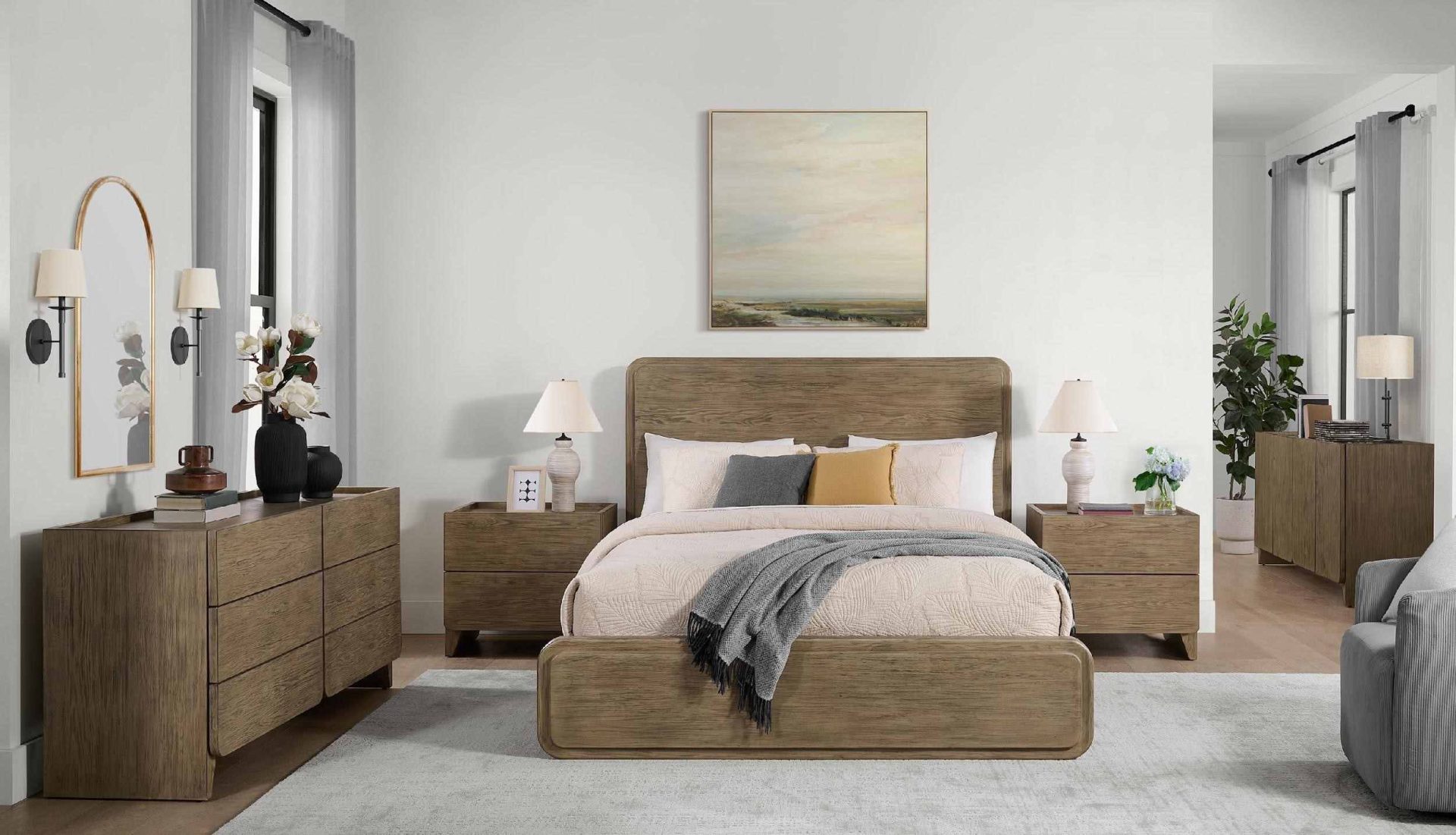
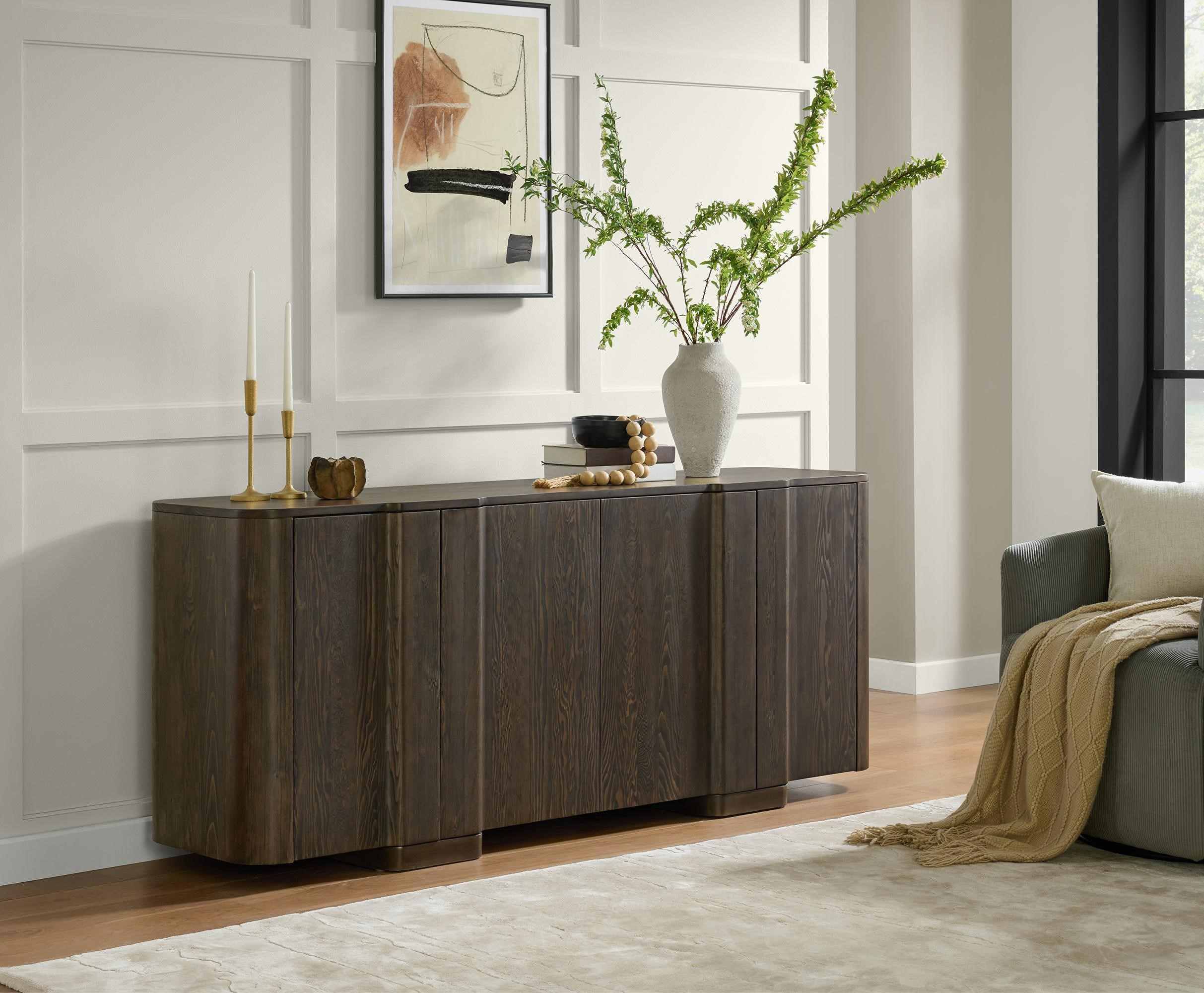
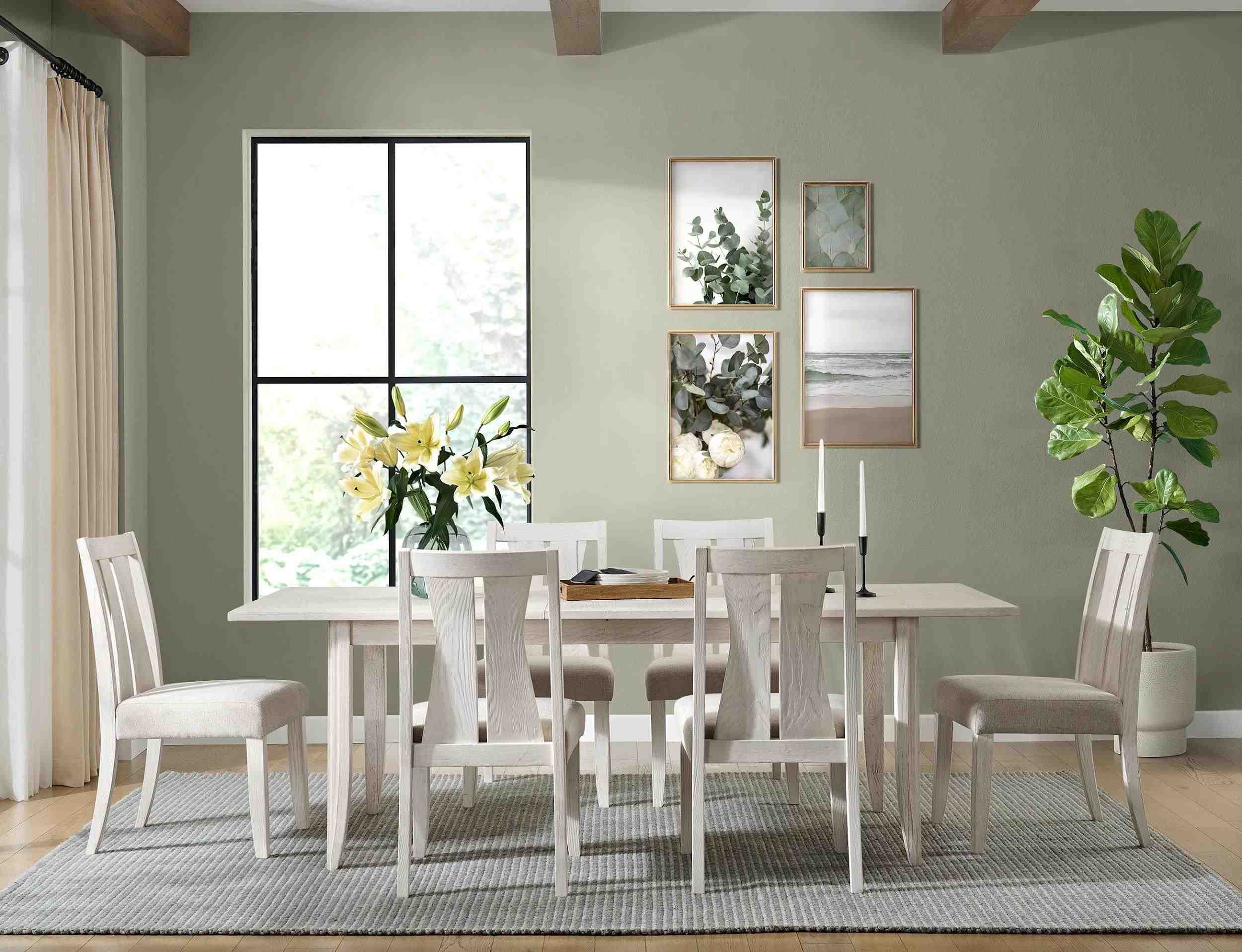
At HAWA EXPO and VIFA EXPO 2026, Canadian Wood experts showcased material solutions and emerging design trends, helping businesses explore Canadian softwoods and identify optimal product development directions for export markets. As competition shifts from production capacity to capability, the industry’s value increasingly lies in materials, R&D, and the long-term vision of enterprises. The interior furniture collections made from Canadian wood featured in this article are entirely crafted by factories in Vietnam.