
HCMC – The Ministry of Finance has asked agencies and localities to clear long-standing bottlenecks and accelerate disbursement of the VND1.08 quadrillion public investment plan for 2026, as progress remains slow.
To speed up capital deployment, the ministry has proposed five key groups of solutions, emphasizing the urgent allocation of detailed capital plans and stricter accountability for individuals and organizations that delay project implementation.
Ministries, agencies and localities are required to complete the allocation of their 2026 capital plans by May 10. Units that fall behind must submit reports clarifying the reasons and responsibilities of both collectives and individuals to the ministry by May 15 for consolidation and submission to competent authorities for action. Authorities are also urged to strengthen the role of leaders in resolving bottlenecks within their mandates.
On the ground, agencies must step up site clearance and strictly control construction material prices in line with the prime minister’s directives, especially as global conflicts continue to drive cost volatility. At the same time, administrative discipline must be tightened, specialized staff at the grassroots level restructured, and project data fully updated on the Ministry of Finance’s KPI system for close monitoring and evaluation.
These measures come as public investment disbursement in the first four months of 2026 remains sluggish. As of April 30, total disbursement reached over VND144.28 trillion, equivalent to just 14.2% of the plan assigned by the prime minister. This is modest given the record-high total plan of VND1.08 quadrillion for the year. Central budget disbursement stands at 10.7%, while local budgets have performed better at 16.2%.
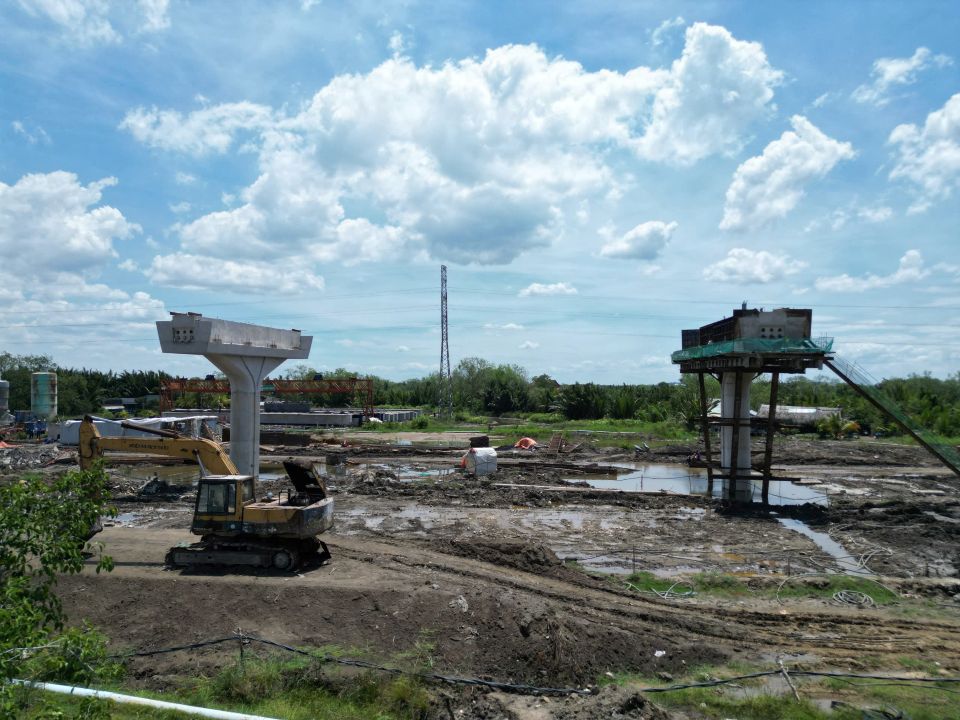
According to the ministry, delays are mainly due to long-standing bottlenecks in site clearance, particularly in determining land origins and compensation rates. In addition, shortages of construction materials and price increases beyond initial estimates have forced many projects to adjust contracts or suspend construction.
Beyond external factors, shortcomings in investment preparation and limited capacity and accountability among some investors and project management units have also contributed to the slow progress, requiring urgent improvement.