
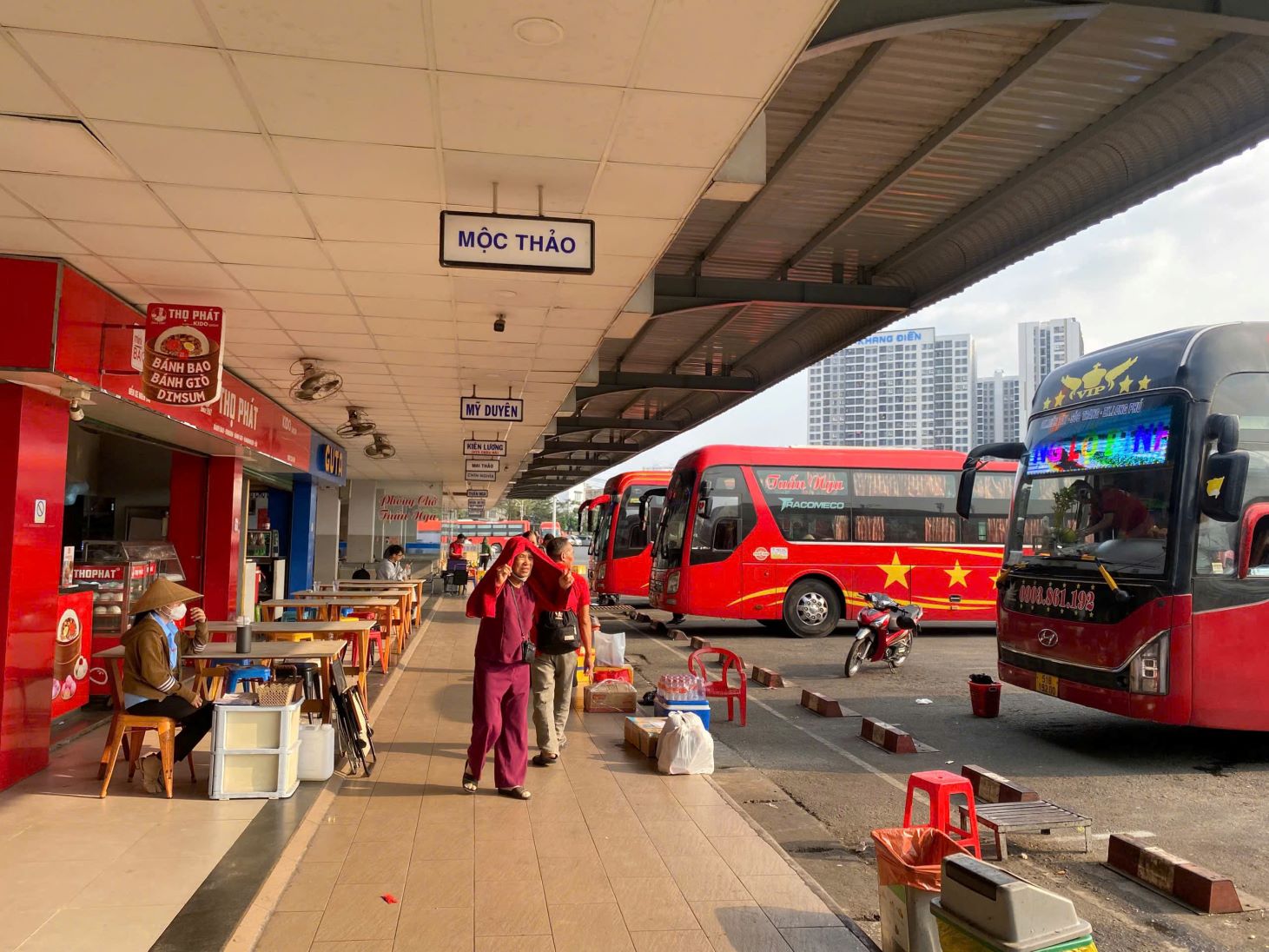
HCMC – The Ministry of Construction today, March 20, issued a directive requiring stronger management of transport service charges to stabilize the market and prevent unreasonable fee increases linked to fuel price fluctuations.
Under the directive, sectoral authorities covering road, maritime and inland waterways, aviation and rail are tasked with closely monitoring the impact of fuel prices on transport fares, especially for passenger transport and essential goods. They are also instructed to guide enterprises in proper price declaration in line with regulations.
Relevant agencies must step up inspections of price declaration, listing and compliance with listed prices, focusing on firms with sharp increases, and strictly handle violations to prevent unjustified fee hikes.
Transport operators are required to comply with regulations on price declaration and listing, and must not adjust fees inappropriately based on fuel price movements.
For services subject to State-issued price brackets, authorities encourage price reductions and the application of floor prices for services less affected by fuel price changes.
Sectoral departments will continue monitoring fuel price movements, assessing their impact on transport services, and reporting to propose measures to limit adverse effects on transport activities and people’s living costs.
Provincial and municipal authorities are asked to direct construction departments and relevant units to monitor fuel price impacts on local transport fares, particularly for passenger and essential goods transport, and guide firms on proper price declaration.
Localities are also required to intensify inspections of price declaration and listing, focusing on entities with significant price increases, and strictly address violations.
In parallel, local authorities are urged to review and optimize transport operations, align vehicle deployment with demand to reduce empty trips, promote the application of technology and digital transformation in management, and accelerate the shift to electric and clean-energy vehicles to reduce reliance on fossil fuels.