HCMC – Vietnam has activated an emergency response plan and introduced a strict 21-day monitoring and isolation protocol for travelers arriving from affected areas to prevent the possible importation of Ebola, a highly fatal viral disease.
The urgent directive was issued on May 24 by the Department of Medical Service Administration under the Ministry of Health.
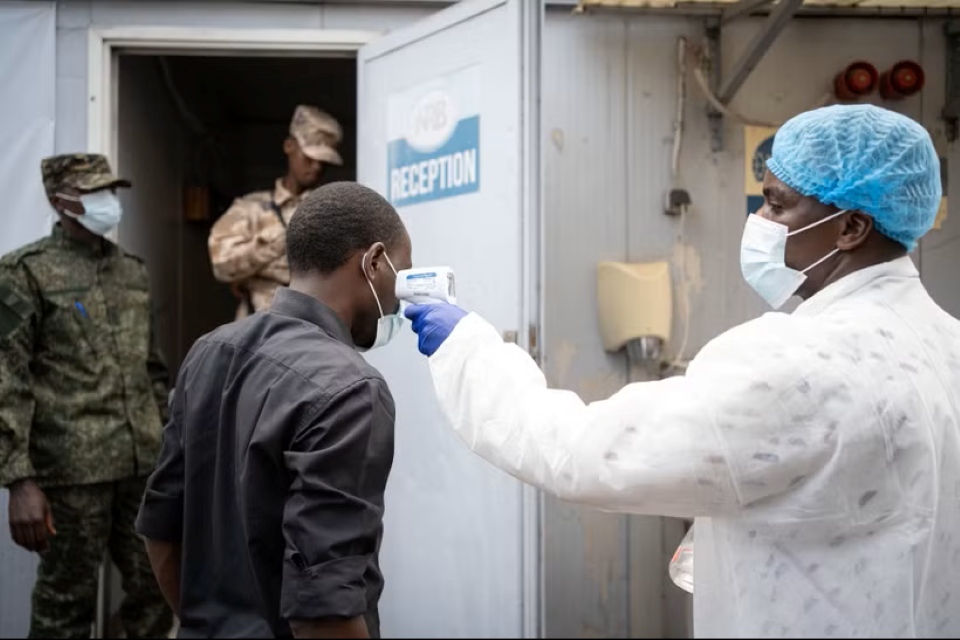
Health authorities are required to immediately strengthen infection prevention and control measures, enhance triage and screening procedures, and prepare negative-pressure isolation units. Surveillance efforts will focus on international travelers who have visited, transited through or stayed in outbreak-affected areas within the previous 21 days.
Vietnam’s heightened preparedness comes amid a deteriorating epidemiological situation reported by the World Health Organization (WHO). The organization has declared the Ebola outbreak caused by the Bundibugyo virus in the Democratic Republic of the Congo and Uganda a Public Health Emergency of International Concern (PHEIC), triggering intensified preparedness measures worldwide. As of May 21, health authorities had reported 746 suspected cases and 176 suspected deaths in Congo, along with 85 confirmed cases across both countries.
Health officials said Ebola presents more complex infection-control challenges than many respiratory diseases because the virus can remain on contaminated materials and spread through direct contact with blood and bodily fluids of infected individuals.
Human-to-human transmission occurs when broken skin or mucous membranes come into contact with infected bodily fluids, including saliva, sweat and urine, or contaminated objects. The 21-day isolation and monitoring period corresponds to the virus’s maximum incubation period and is intended to detect infections early, protect frontline healthcare workers and minimize the risk of community transmission. Background information on transmission routes and outbreak response reflects current WHO guidance.
Beyond tightening technical safeguards, the Ministry of Health has also told local health authorities to strengthen public communications and provide timely, accurate updates based on global epidemiological developments in order to avoid unnecessary public anxiety and market disruptions.