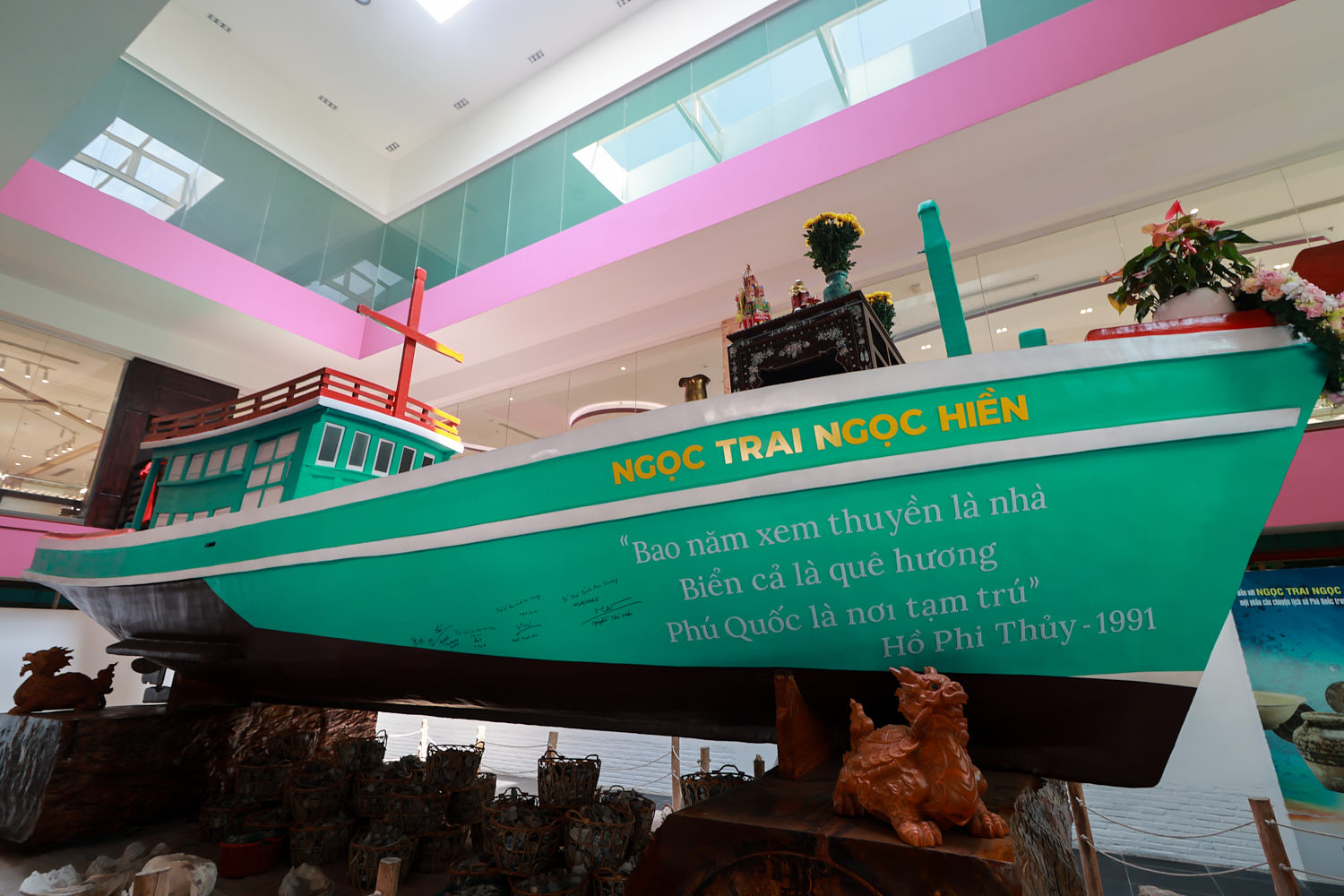
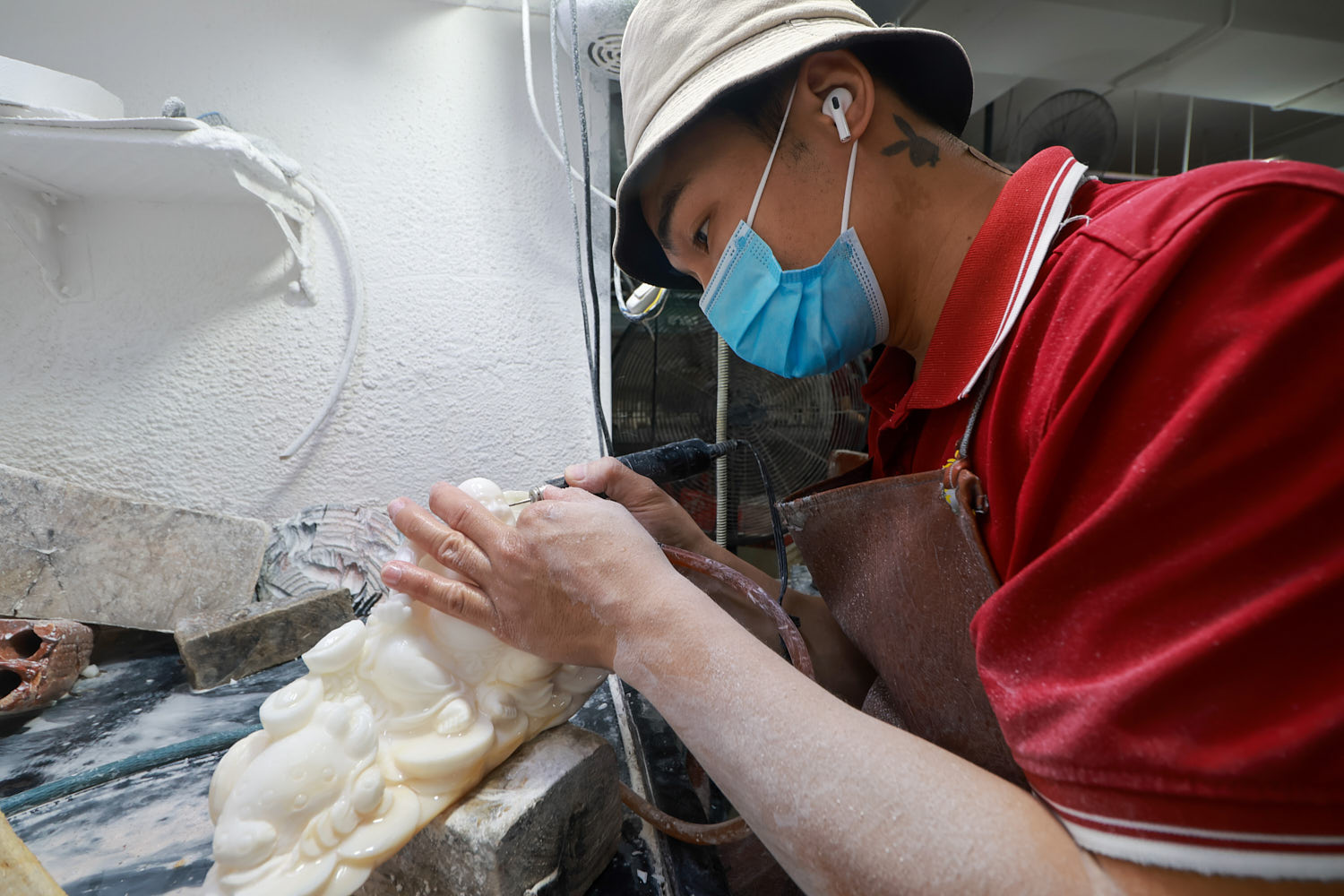
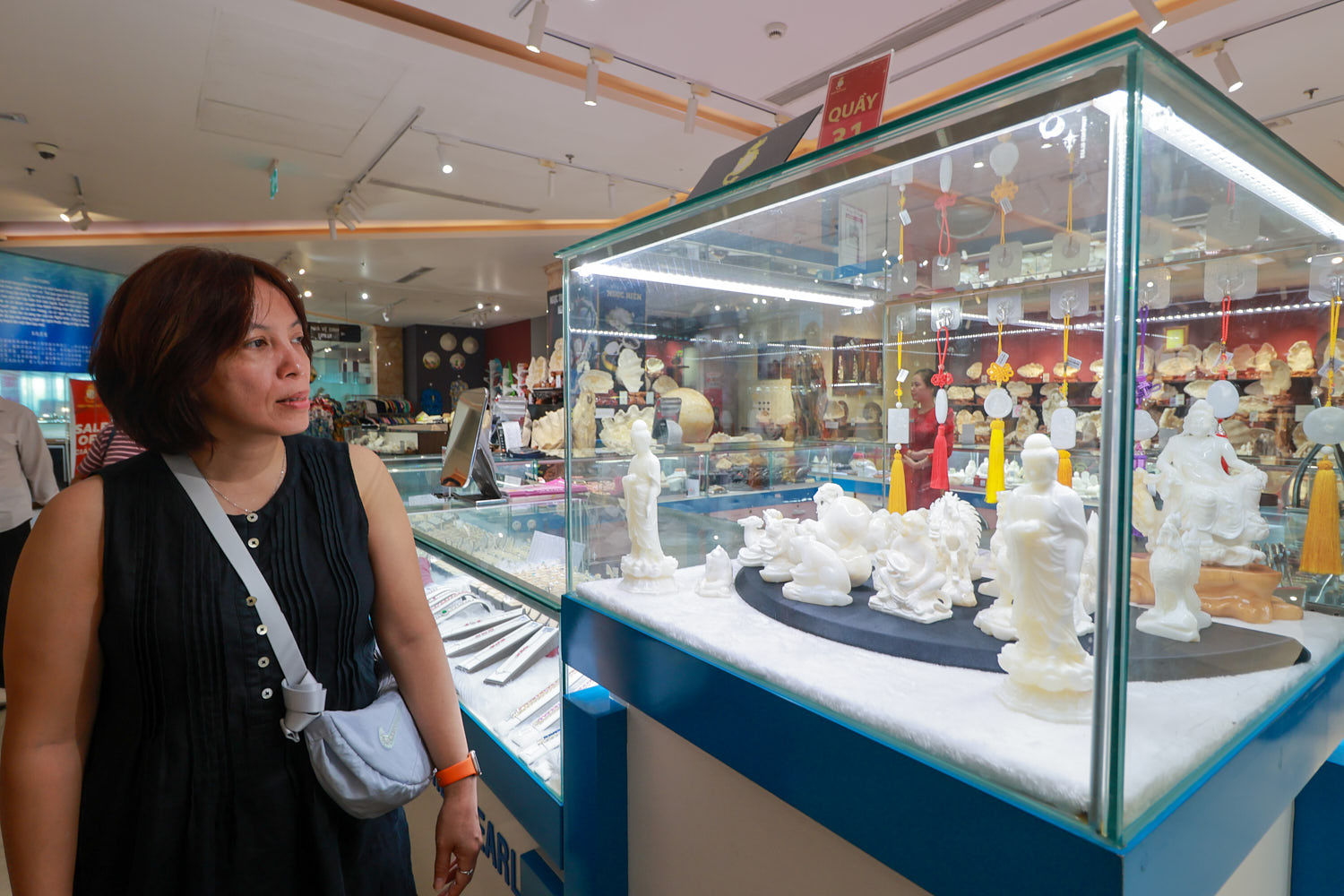
Pearl farming has become one of the experiences most closely associated with Phu Quoc Island, where visitors can explore workshops, oyster farms and jewelry galleries alongside beaches and fishing villages. Among the island’s best-known names is Ngoc Hien Pearl in the Duong Dong tourism area, a company established in 1994 specializing in the cultivation and processing of seawater pearls.
Its story began in the early 1990s, when founder Ho Phi Thuy worked as a diver collecting shells and oysters in the waters around Phu Quoc. Like many fishermen on the island at the time, his livelihood depended heavily on weather conditions and the rhythm of the sea. Diving expeditions often lasted for days, with long hours spent searching for shellfish and naturally formed pearls.
Typhoon Linda in 1997 became a turning point for many coastal communities in southern Vietnam, including Phu Quoc. After surviving the devastating storm, Thuy moved away from diving and entered pearl cultivation, later working with a Japanese-operated company that introduced pearl farming techniques to the island. The transfer of Japanese expertise helped lay the foundations for what would become Phu Quoc’s modern commercial pearl industry.
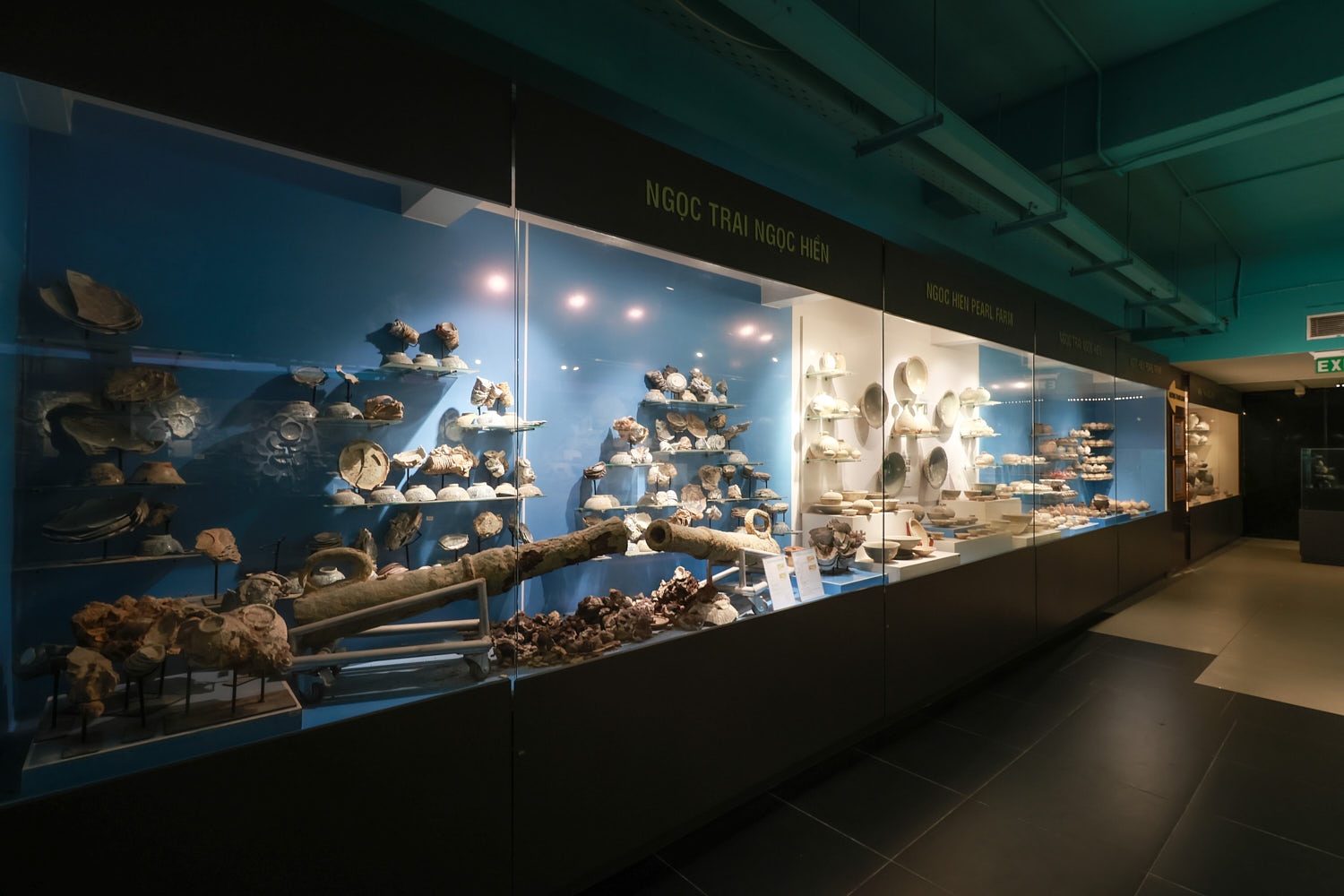
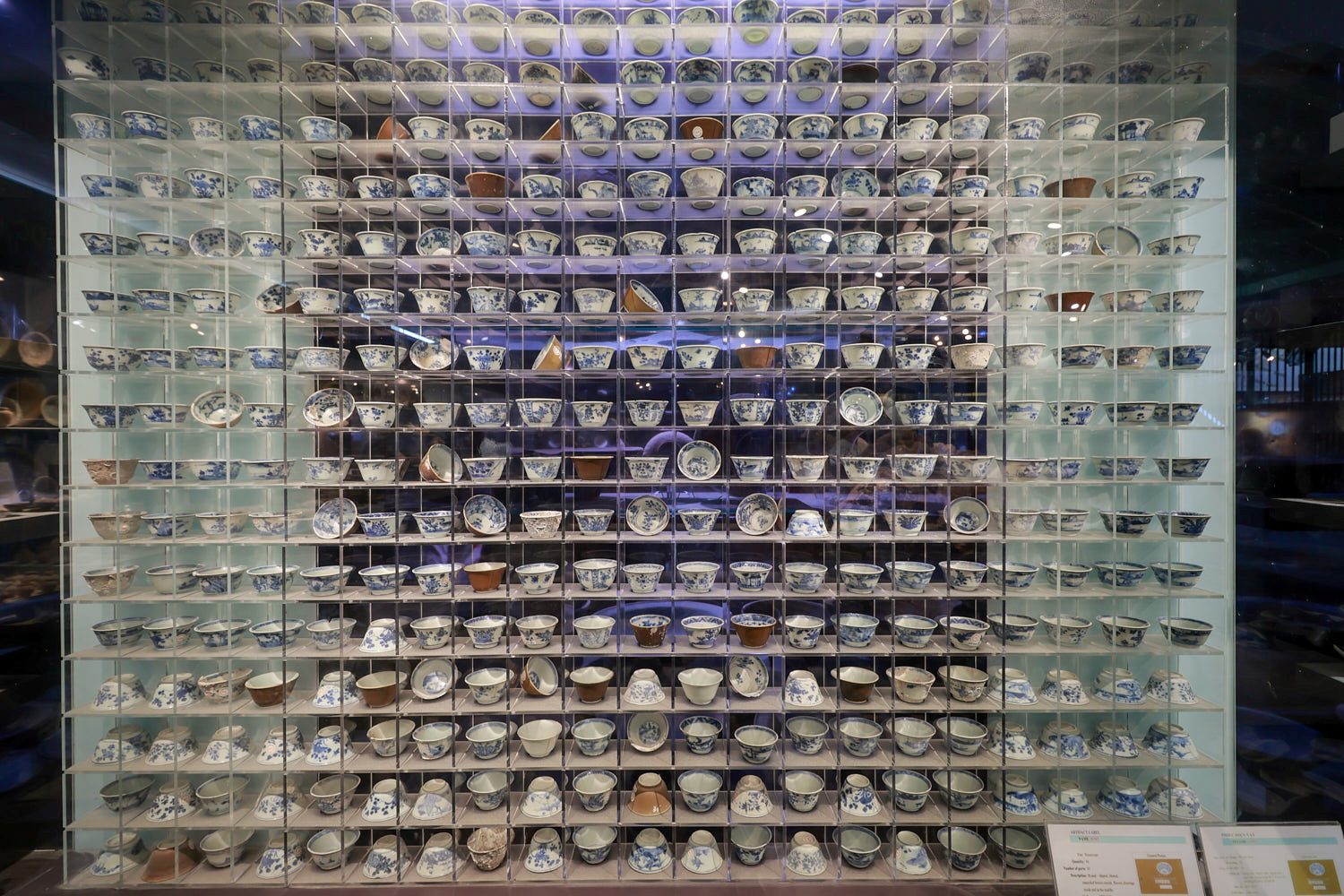
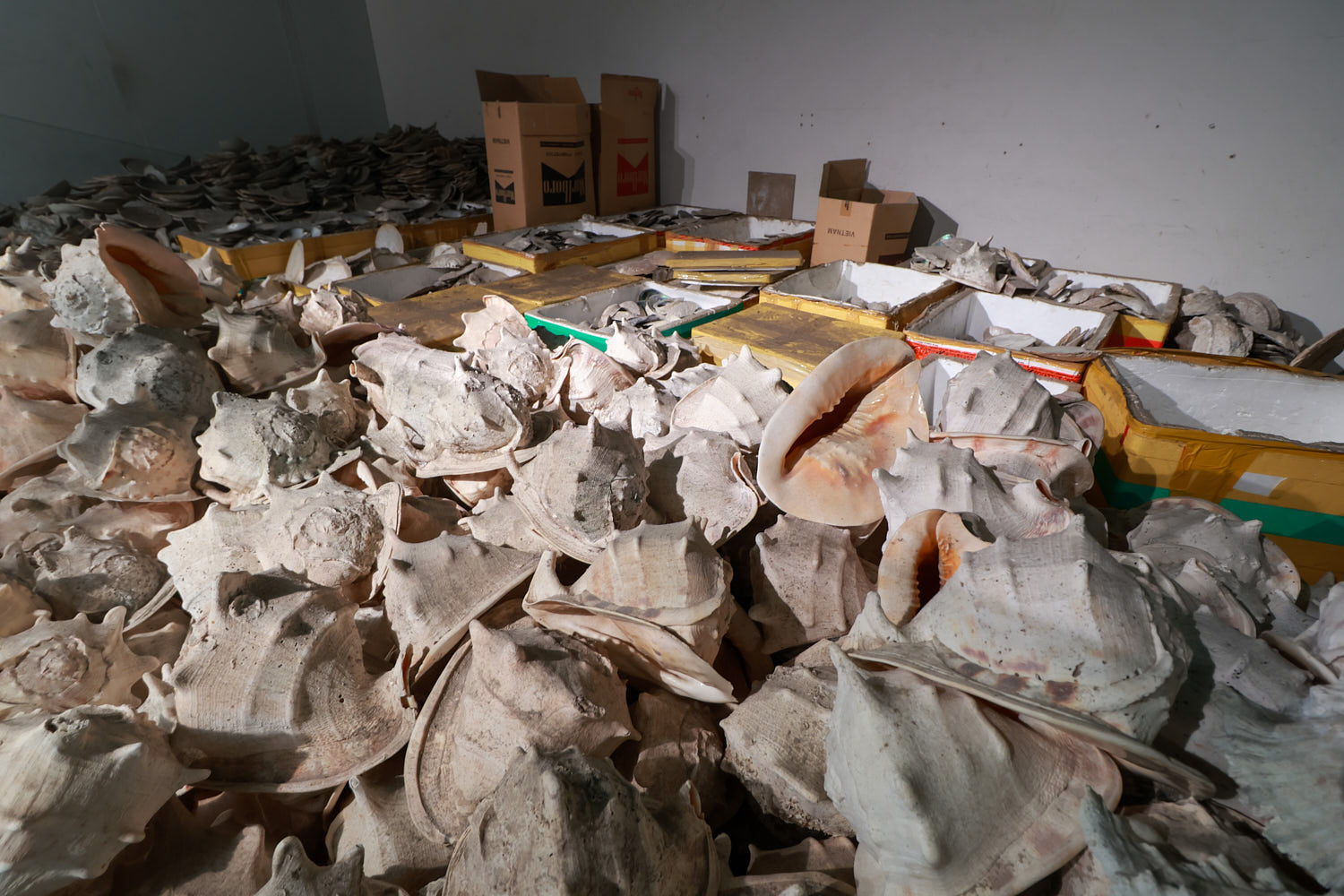
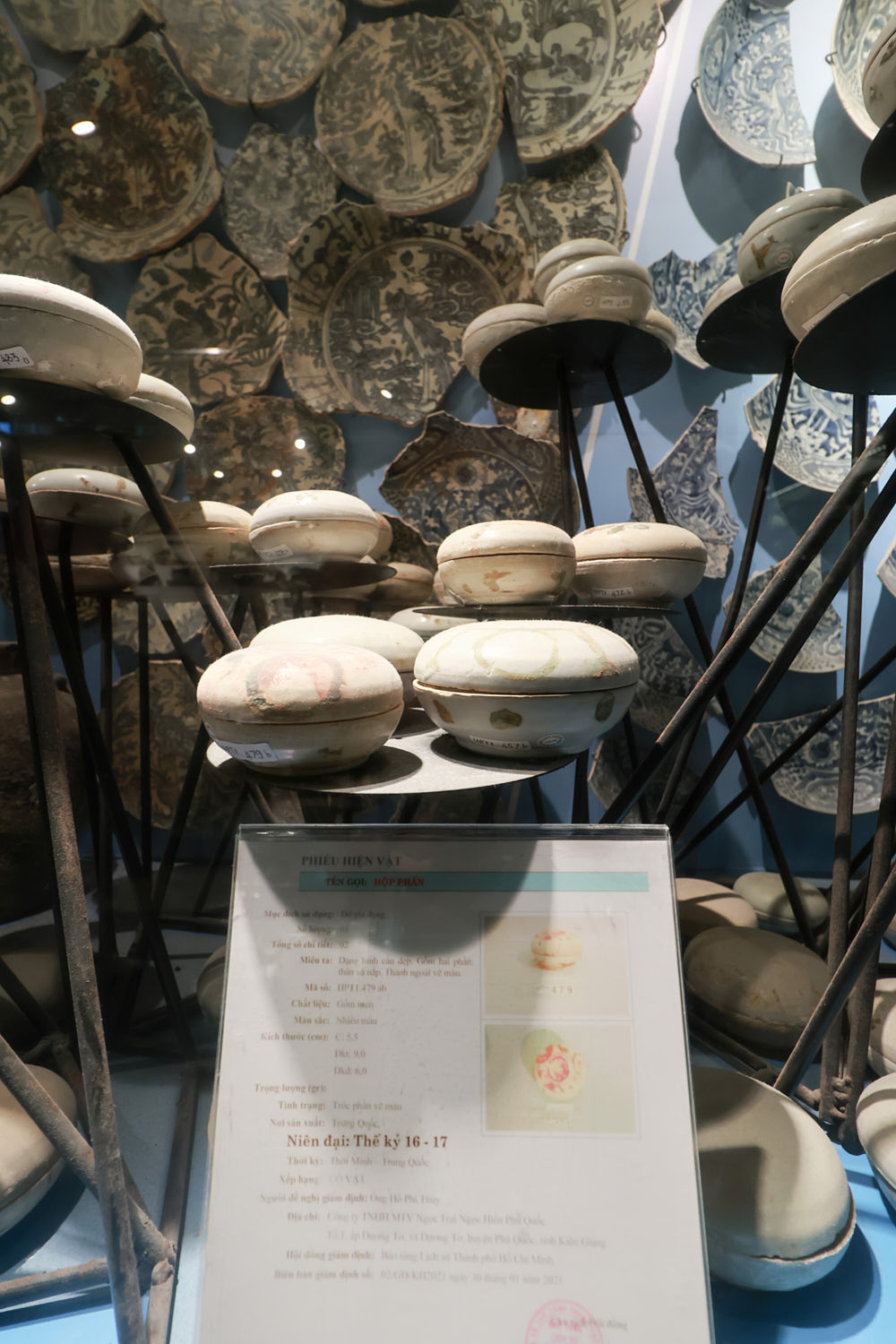
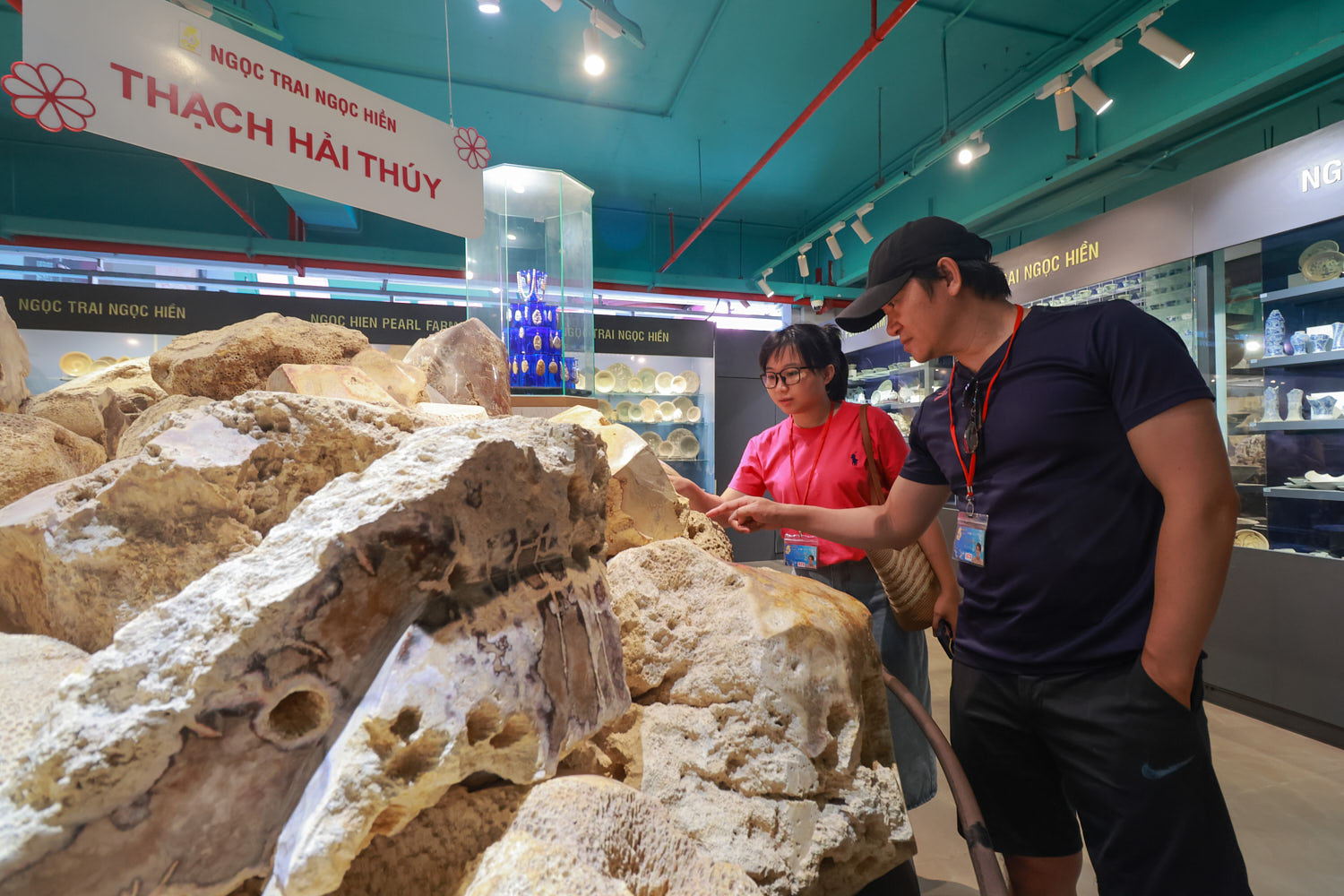
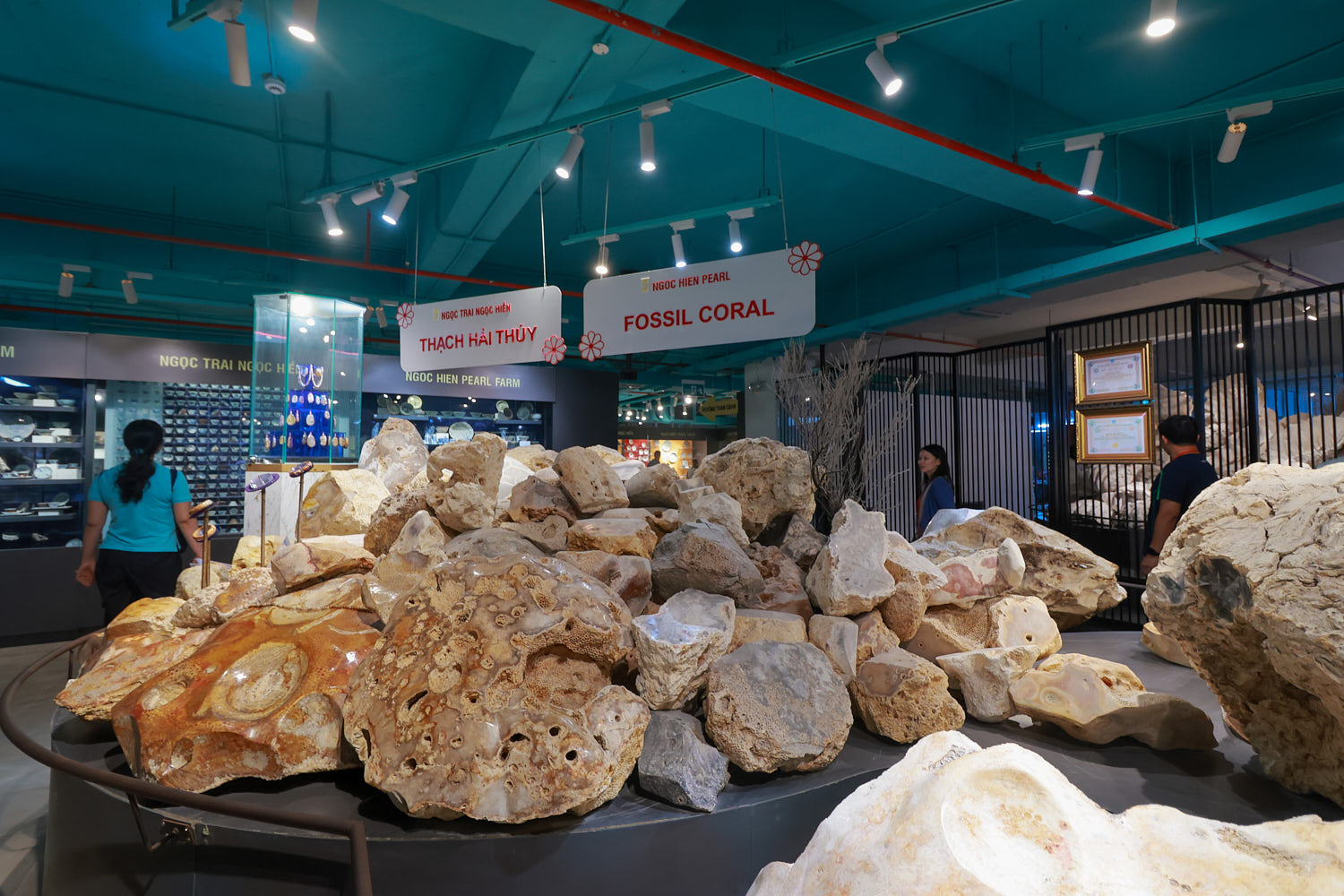
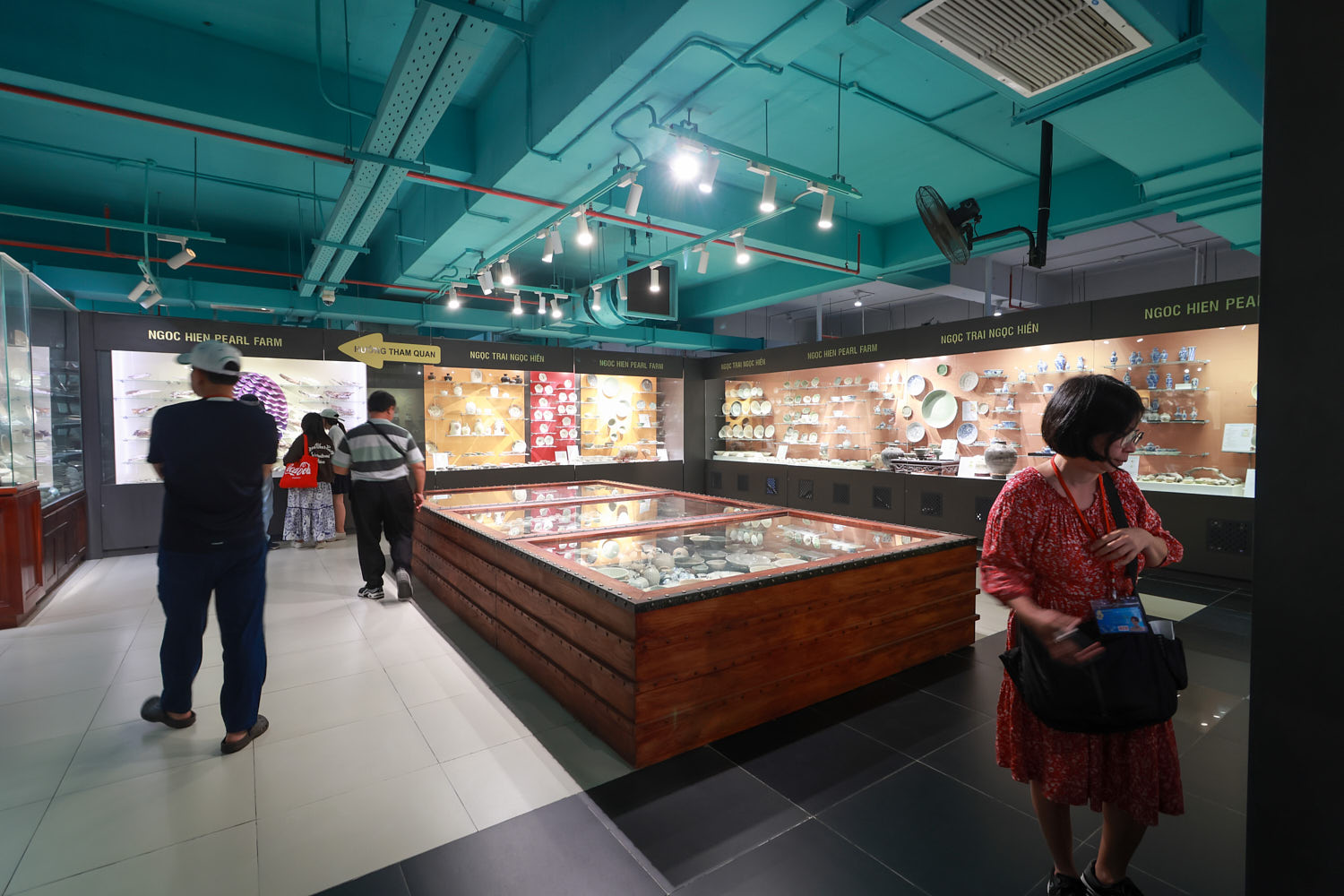
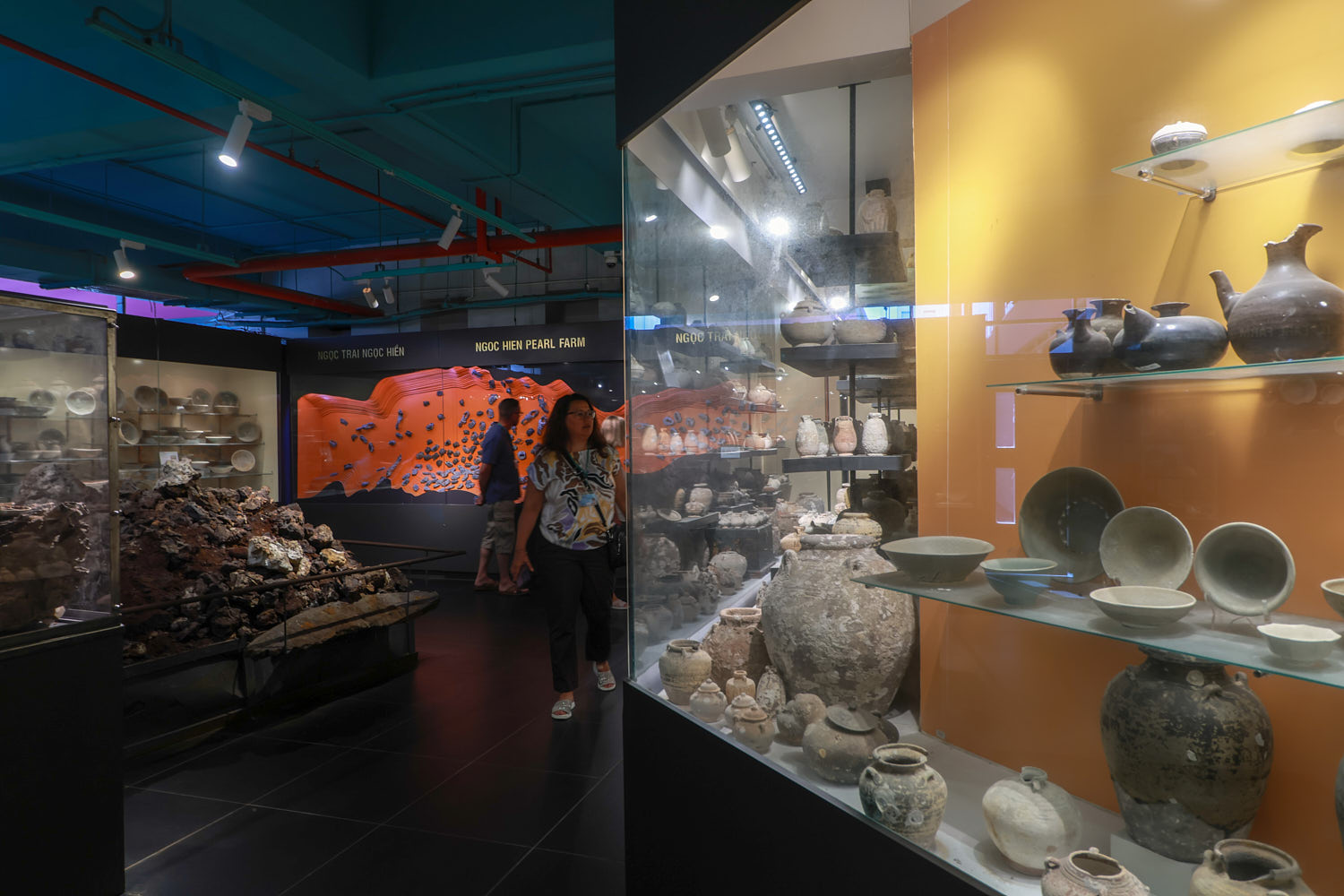
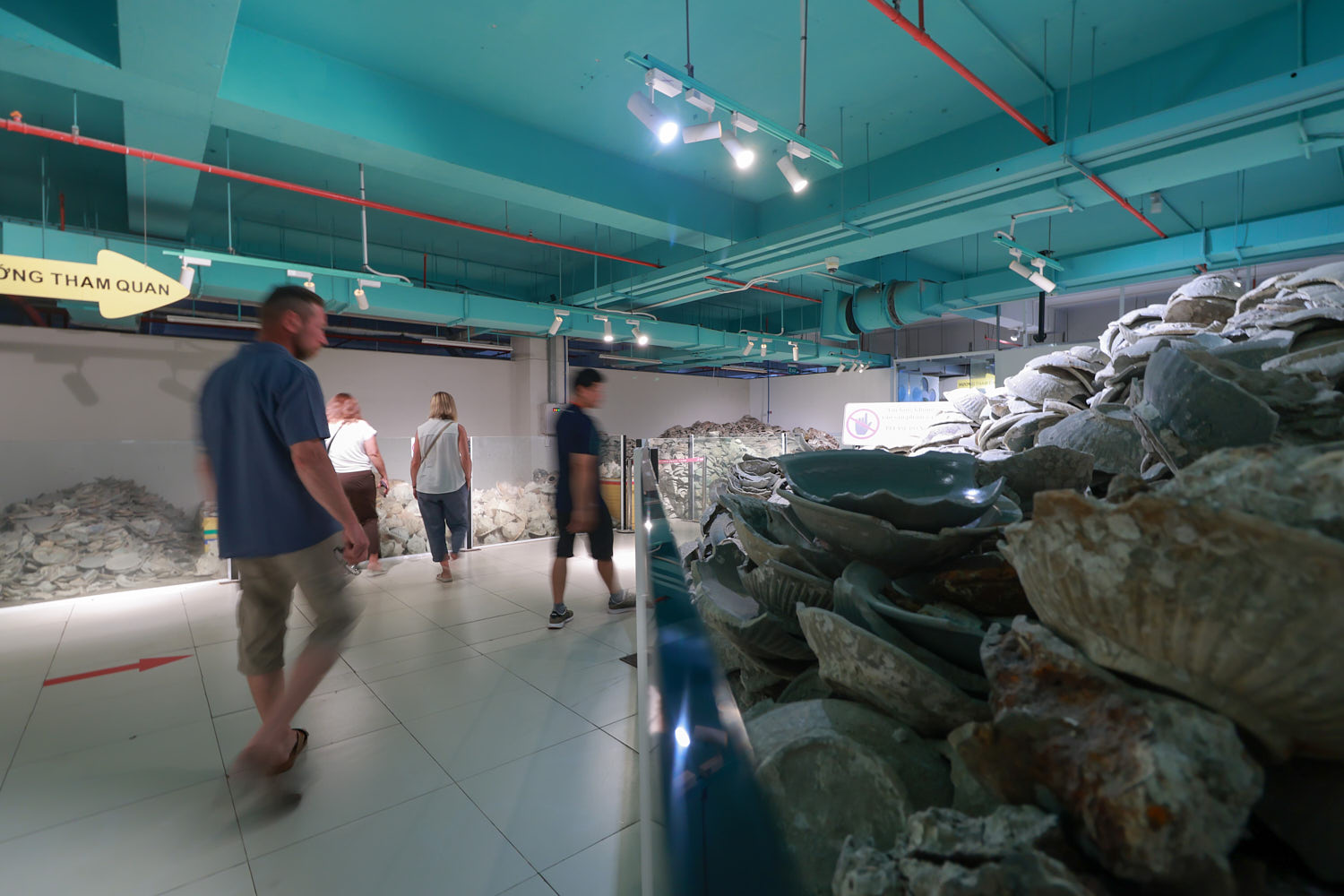
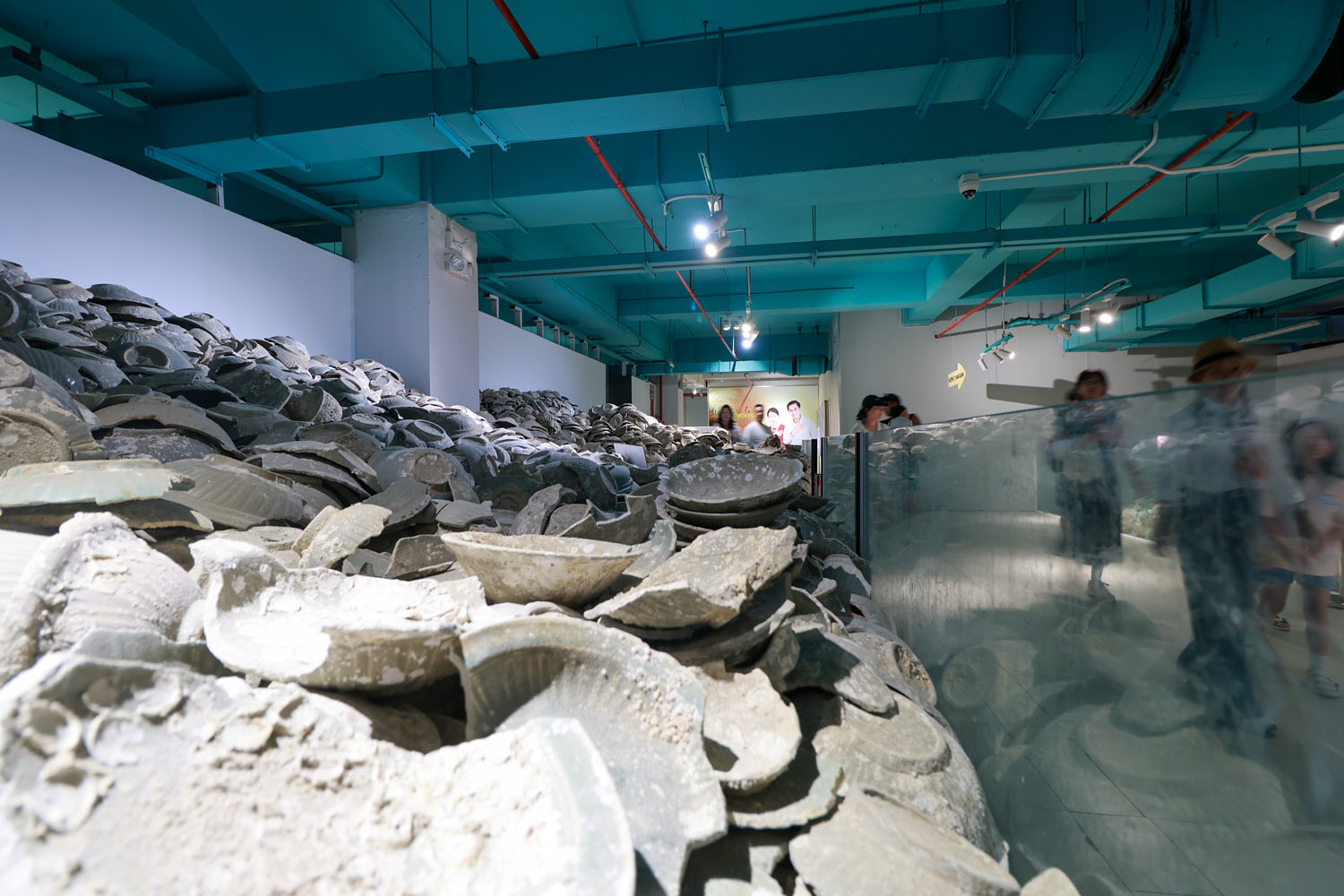
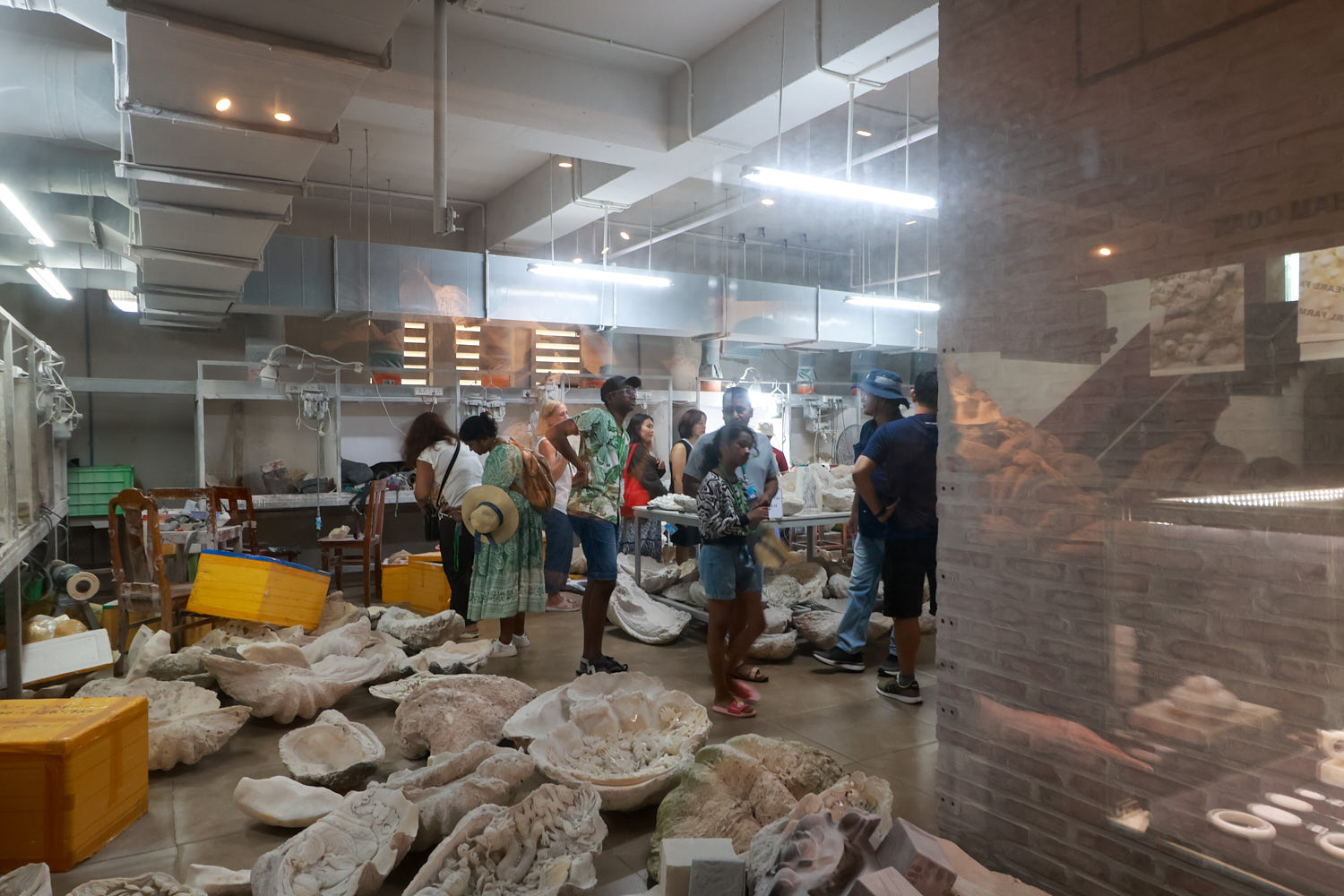
Today, Ngoc Hien Pearl serves both as a production center and a visitor attraction. Guests can observe different stages of pearl cultivation and processing, from oyster care to jewelry craftsmanship. Beyond the pearl displays, the exhibition space also offers glimpses into the island’s maritime heritage through collections of shipwreck artifacts, marine specimens and decorative shell works.