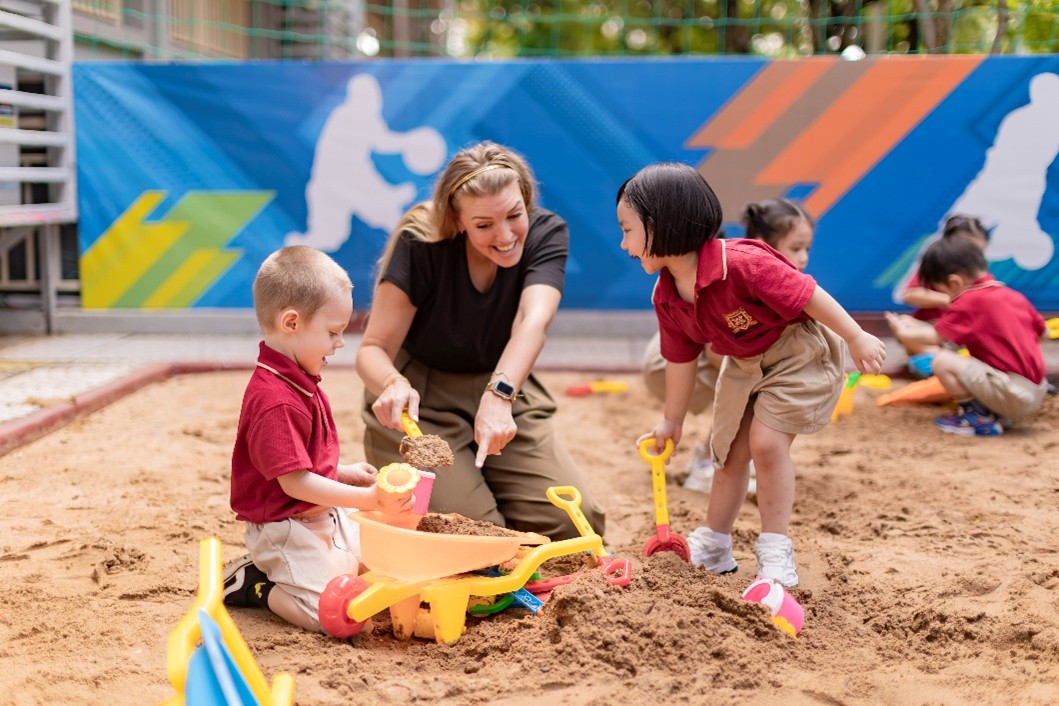
Bilingual education has been scientifically proven to have positive effects on children’s cognitive development, brain function, and global competencies. However, not all bilingual programmes deliver the same level of effectiveness.
Bilingual education has expanded rapidly in Vietnam over the past five years, with schools offering a growing range of curricula, learning models and academic qualifications. The increasing variety has made it more challenging for parents to assess which programmes are best suited to their children’s needs and likely to deliver meaningful outcomes.
According to education experts at Vietnam Australia International School (VAS), a pioneer in bilingual education in Vietnam for more than two decades, the effectiveness of a bilingual programme depends less on its label or qualification pathway and more on how it is designed and implemented.
What advantages does bilingual education offer children?
According to The Bilingual Advantage (2020), an updated report based on a synthesis prepared for the European Commission, individuals who are able to think in two languages often possess a number of notable advantages, including greater cognitive flexibility, stronger problem-solving skills, better language awareness, and higher levels of social interaction competence.
Regularly switching between two language systems helps the brain strengthen its ability to focus, retain information, process new inputs and adapt to changing situations. This also provides an important foundation for critical thinking, adaptability, cross-cultural communication and other competencies essential for global citizens in the 21st century.
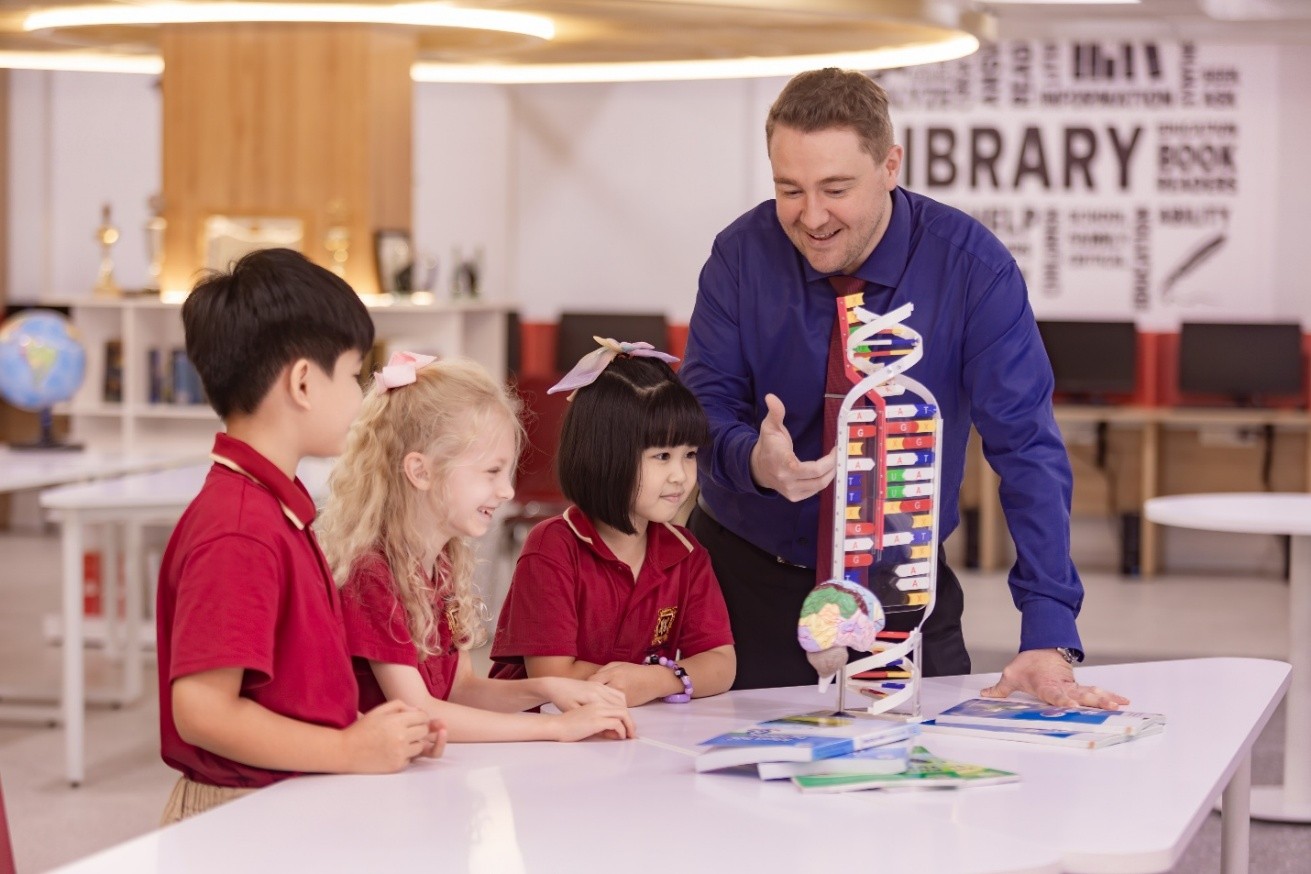
Key factors behind effective bilingual education
According to education experts at VAS, factors such as curriculum design, learning pathways, the balance between international and Vietnamese educational content, academic qualifications, and students’ achievements over time are among the key indicators of a high-quality bilingual programme.
The choice of an international curriculum is a key foundation of any bilingual education programme. Cambridge, for example, is one of the world’s most widely adopted education systems, with more than 10,000 schools in over 160 countries.
However, even when delivering the same international curriculum, differences in the design of learning pathways, the level of integration, and the subjects can create significant variations in educational outcomes.
In addition, each student has different language abilities and academic goals. Therefore, an effective bilingual programme should offer multiple flexible pathways to meet the needs of individual students, rather than applying a one size fits all model.
What sets VAS’s bilingual education programme apart?
VAS was among the first schools in Vietnam to introduce the Cambridge International Curriculum alongside the Vietnamese National Education Programme (MOET) more than 15 years ago.
Currently, HCMC is home to 8 Cambridge accredited preschools and 25 Cambridge accredited primary and secondary schools. Of these, VAS operates 5 accredited preschools and 6 accredited primary and secondary schools, making it one of the largest Cambridge international school systems in the country and one of the few to offer a continuous 15 year bilingual learning pathway from preschool through Grade 12.
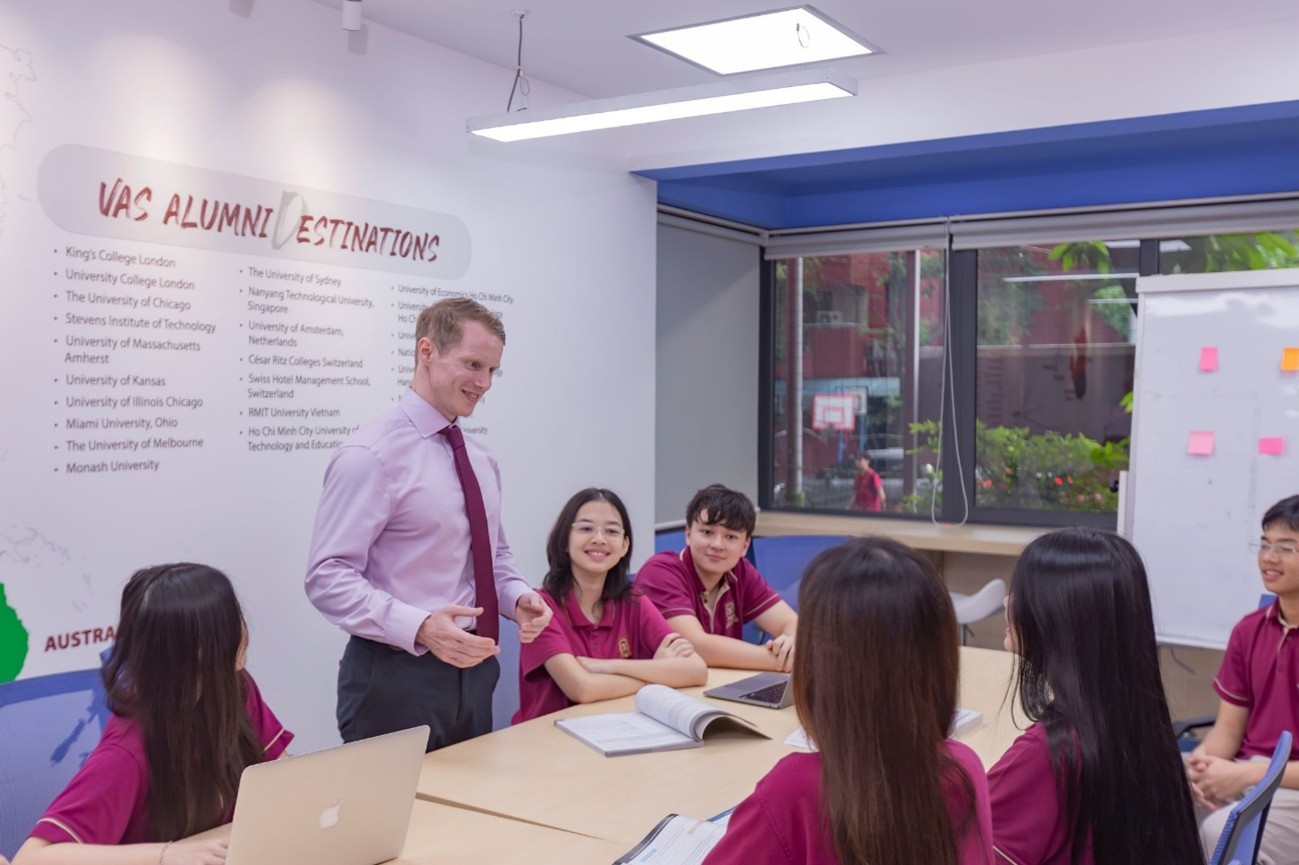
According to VAS experts, developing a seamless learning pathway across multiple grade levels requires substantial time, resources and continuous refinement. Effective implementation also depends on having a strong team of qualified teachers and a sufficiently large student population to support and sustain the programme.
VAS is one of the few schools to offer three flexible learning pathways, allowing parents to choose the option that best matches their children’s abilities and educational goals. These include the Cambridge International Programme (CAPI), the Cambridge Bilingual Programme (CAP), and the Cambridge English Programme (CEP).
English language instruction accounts for between 50% and 85% of learning time at VAS, depending on the pathway chosen, placing it among the highest in Vietnam’s bilingual education segment. Across all three pathways, students do not simply study English as a foreign language, but use English as the medium of instruction for Cambridge curriculum subjects.
Beyond academic achievement, students are also encouraged to develop a broad range of skills, talents and physical and emotional well being through the school’s holistic education programmes.
Students’ achievements in both the Vietnamese national curriculum and international programmes have consistently reflected the quality of education at VAS over the years.
In the 2025-2026 academic year, VAS students earned more than 2,600 awards in domestic and international competitions, including 902 national awards and 502 international awards. Secondary school students also secured more than 150 scholarships from leading universities in Vietnam and around the world, with a combined value of US$6.47 million.
VAS students also earned two additional Top in Vietnam distinctions in the 2025-2026 Cambridge international examinations, an award presented to candidates achieving the highest marks nationwide in a subject.
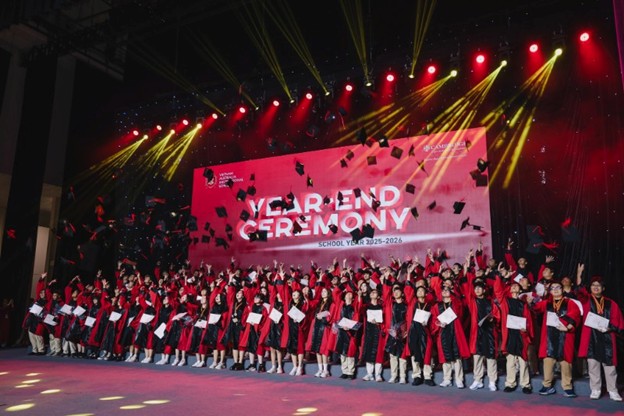
These achievements reflect not only the academic capabilities of VAS students but also the effectiveness of the international bilingual education model that the school has developed over more than two decades. They underscore the distinction between simply offering a bilingual programme and delivering one that consistently produces strong educational outcomes.
VAS is implementing a range of attractive admission policies for new students enrolling in the 2026–2027 school year. Find out more here