
HCMC – For athletes who train at high intensity, professional sports medicine screenings before competition not only help improve performance but also play a crucial role in preventing serious risks such as cardiovascular events or sudden death during exertion.
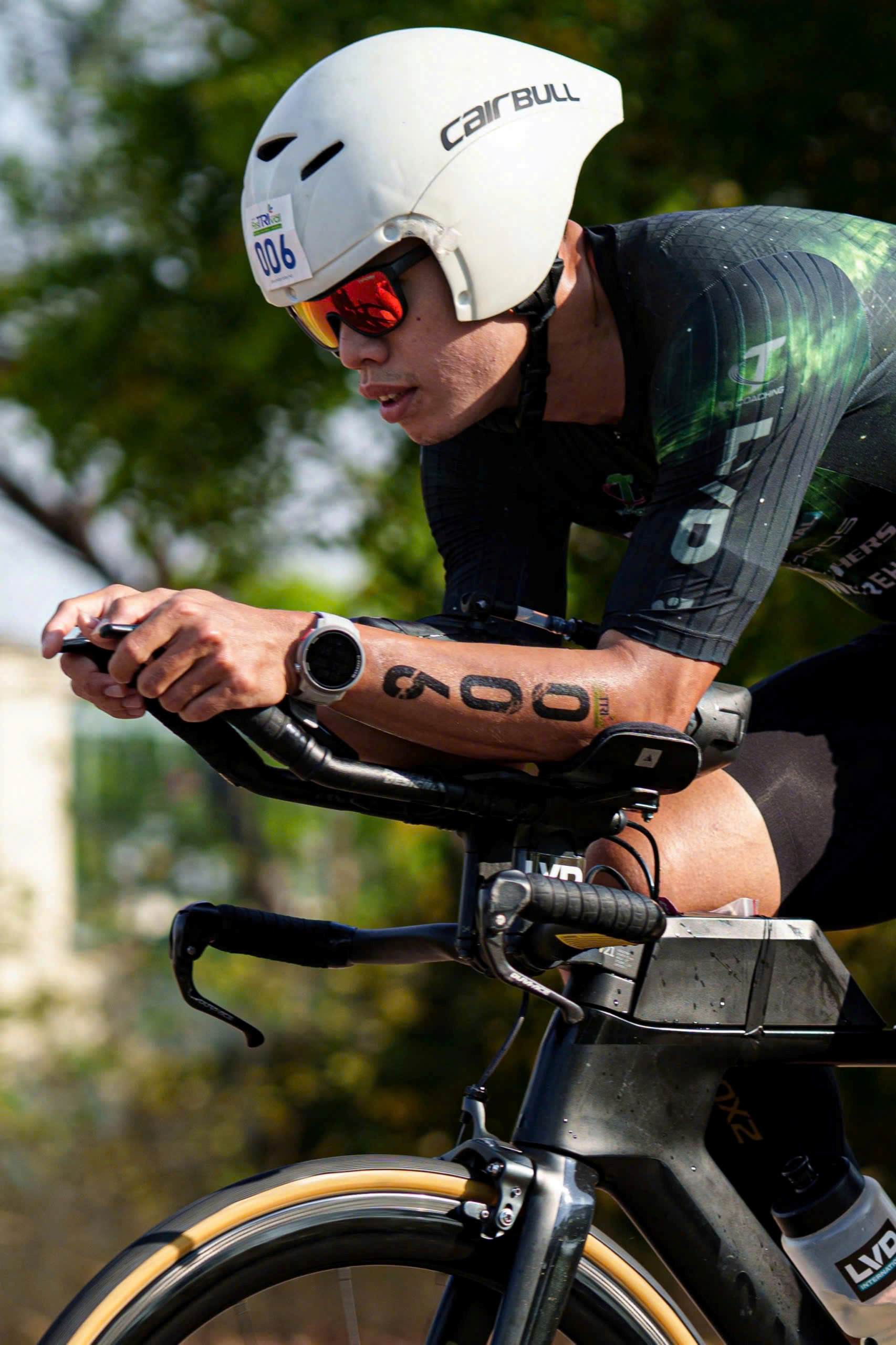
FV’s sports medicine doctors note that whether the goal is to conquer major challenges like Ironman 70.3 or simply pursue a passion for everyday sports, proper health preparation is essential. Such preparation should be guided and validated by modern medical metrics.
Understanding body’s ‘safety thresholds’ through modern sports medicine
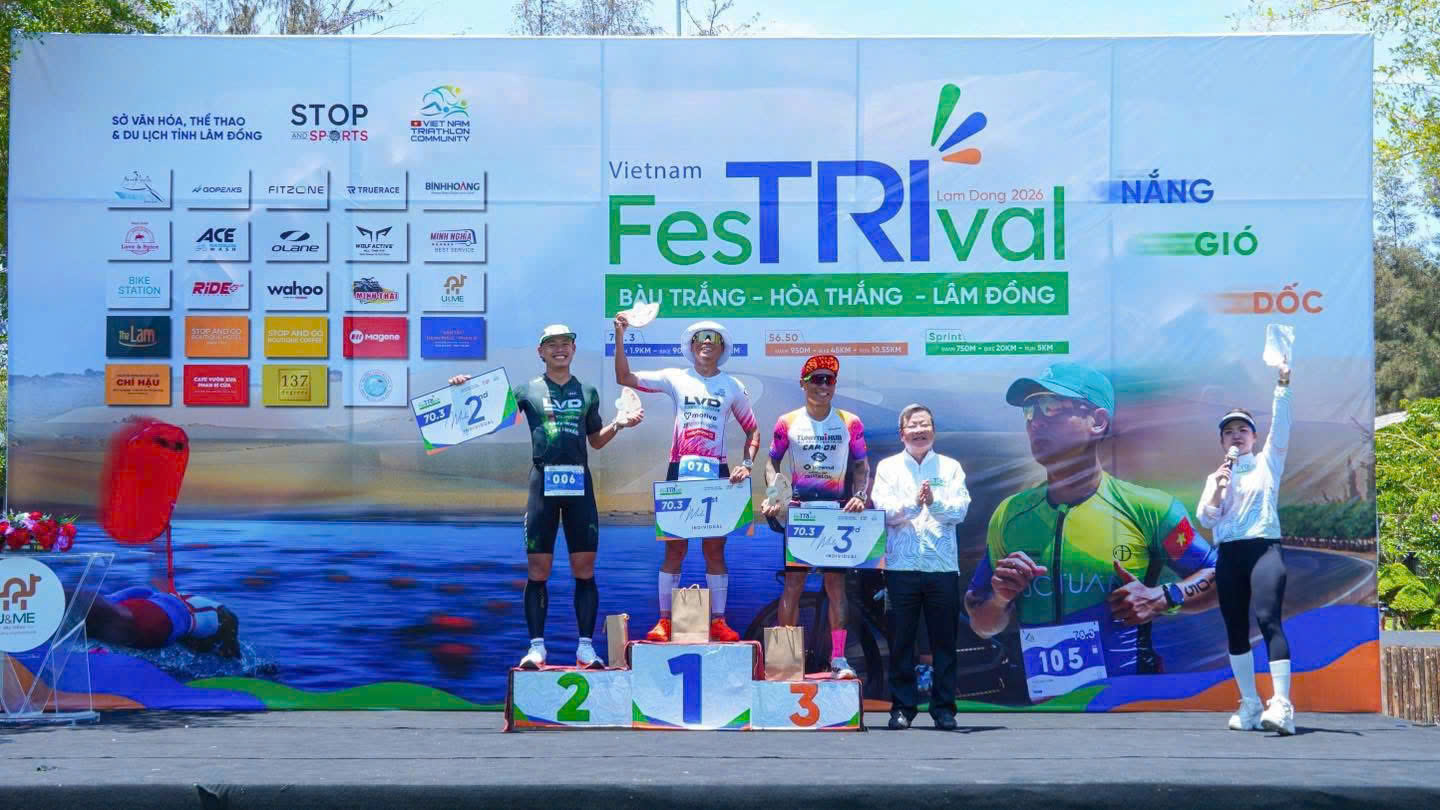
Tu Vinh Phat, one of the most prominent amateur athletes in recent times, recently secured a Top 2 finish at the Vietnam Festival. This achievement serves as a strong lead-up to the upcoming Ironman 70.3 challenge in Danang in May 2026.
Sharing his thoughts on the result, Phat said it was the outcome of a disciplined preparation process, as well as “a confidence boost” ahead of the major race. A notable aspect of his journey is that he is one of four athletes whose health is being closely monitored by FV.
“Previously, I mainly trained based on my feelings. But after being examined by doctors, the indicators became very clear, helping me determine my body’s limits. Thanks to that, I now know the right training intensity to stay effective while avoiding overexertion”, he shared.
Tu Vinh Phat’s breakthrough was not driven by intuition alone, but by a training process grounded in modern medical data. At the Sports Medicine Unit of FV Hospital, he underwent cardiopulmonary exercise testing (CPET), a non-invasive method that comprehensively evaluates the functional response of the cardiovascular, respiratory, and muscular systems during exercise by measuring oxygen consumption and CO₂ production.
These metrics help accurately determine the body’s limits instead of relying solely on subjective feeling, thereby optimizing performance and reducing the risk of injury.
In addition, through body composition analysis using a next-generation InBody device, doctors adjusted his nutrition plan after identifying an excessively low body fat percentage. After about two weeks of following the new diet, his recovery improved significantly, with post-training recovery time reduced from one full day to just overnight.
Similar to Vinh Phat, Vo Tri Trung is also among the athletes sponsored by FV Hospital for health screening and monitoring ahead of Ironman 70.3 in Danang. In this event, he registered for the solo 70.3 category, which requires a high level of endurance and physical fitness.
Trung began training intensively in early March while balancing work and training. Through the Preparticipation Physical Evaluation (PPE) program at FV, he gained a clearer understanding of his physical condition, particularly after discovering a low glomerular filtration rate and receiving medical advice to adjust his lifestyle. After following the recommendations, he reported improved stability and recovery.
Sports medicine: Preventing risks and personalizing training strategies
Unlike standard health check-up packages, the Sports Medicine Unit at FV Hospital approaches physical training in a comprehensive and in-depth manner. According to doctors, the goal is not only to detect diseases but also to assess physical capacity, identify potential risks, and develop personalized training strategies for each individual.
According to Dr. Nguyen Xuan Vinh, head of the Sports Medicine Unit, FV Hospital, one common misconception is that sports medicine is only for professional athletes.
“In fact, ‘sports’ is a very broad concept. Not only athletes, but anyone, from young people starting at the gym or playing pickleball or tennis, to middle-aged individuals who run, and even older adults who exercise, should undergo a health assessment before training”, Dr. Vinh said.
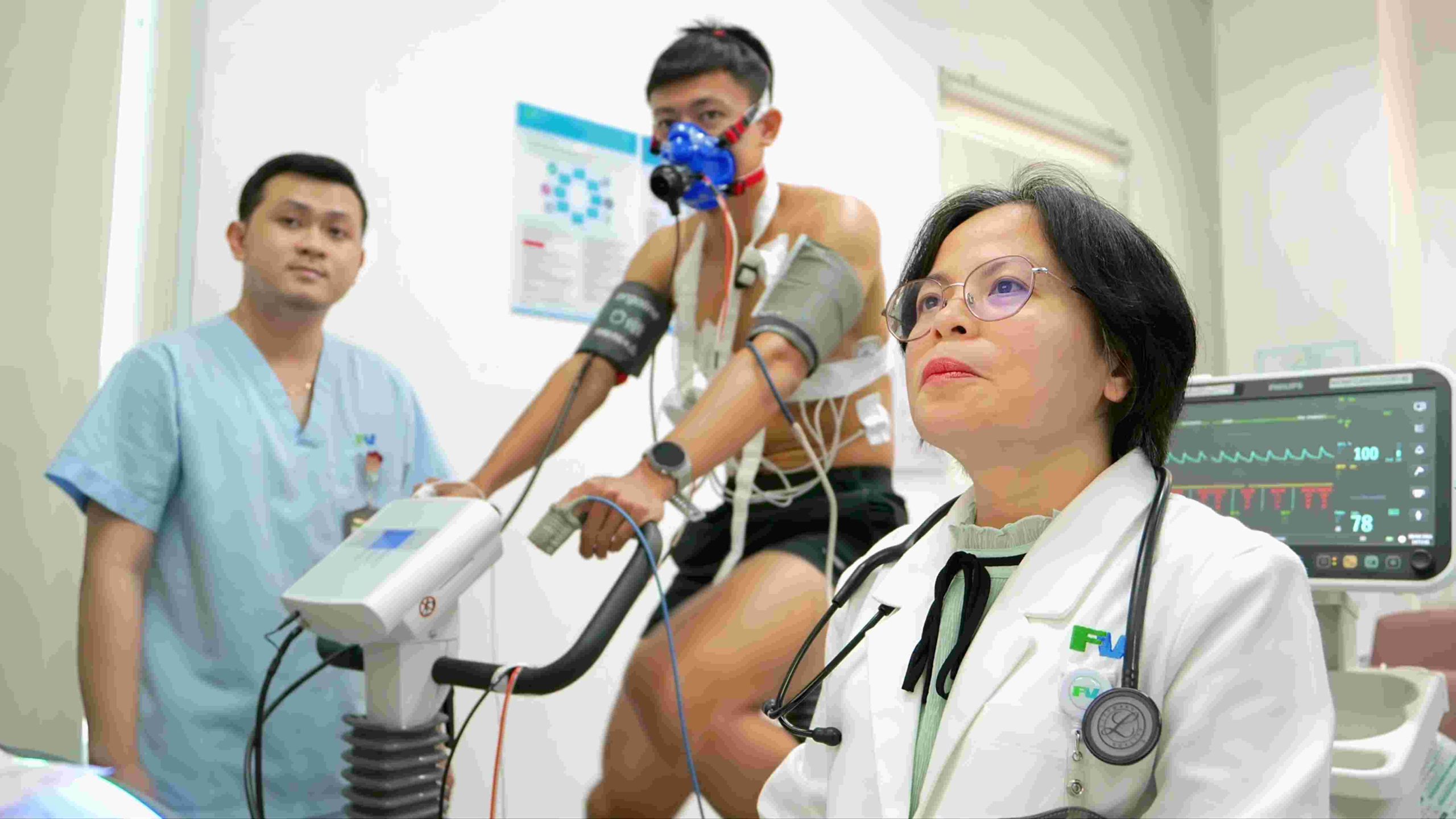
In particular, for those who train intensively or participate in endurance sports such as triathlons, pre-competition screening not only helps optimize performance but also plays a vital role in preventing serious risks such as cardiovascular events or sudden death during exertion.
One of the key foundations is the Preparticipation Physical Evaluation (PPE) program. This serves as an initial screening step to identify risk factors such as cardiovascular conditions, respiratory diseases, or musculoskeletal issues that may affect training or competition.
The PPE program is suitable for a wide range of individuals, from students preparing for school sports programs, to adults beginning high-intensity training, and older adults with underlying conditions who require regular exercise assessments. Through tests such as blood work, electrocardiograms, echocardiograms, stress testing, and body composition analysis, doctors can accurately assess health status and provide appropriate recommendations.
A key strength of sports medicine at FV lies in its multidisciplinary and individualized approach. There is no one-size-fits-all formula. One athlete may require nutritional adjustments, another cardiovascular monitoring, while others may need musculoskeletal rehabilitation.
“Sports medicine integrates multiple specialties, including internal medicine, orthopedics, physiotherapy, and nutrition. Depending on each individual’s condition, we develop a tailored roadmap”, Dr. Vinh added.

Therefore, the role of sports medicine is becoming increasingly important, not only in treating injuries but also in preventing risks from the outset. With support from the Sports Medicine Unit at FV Hospital, athletes not only have their health closely managed but are also equipped with an “operating system” for their own bodies, where data supports better, safer, and more sustainable performance.