
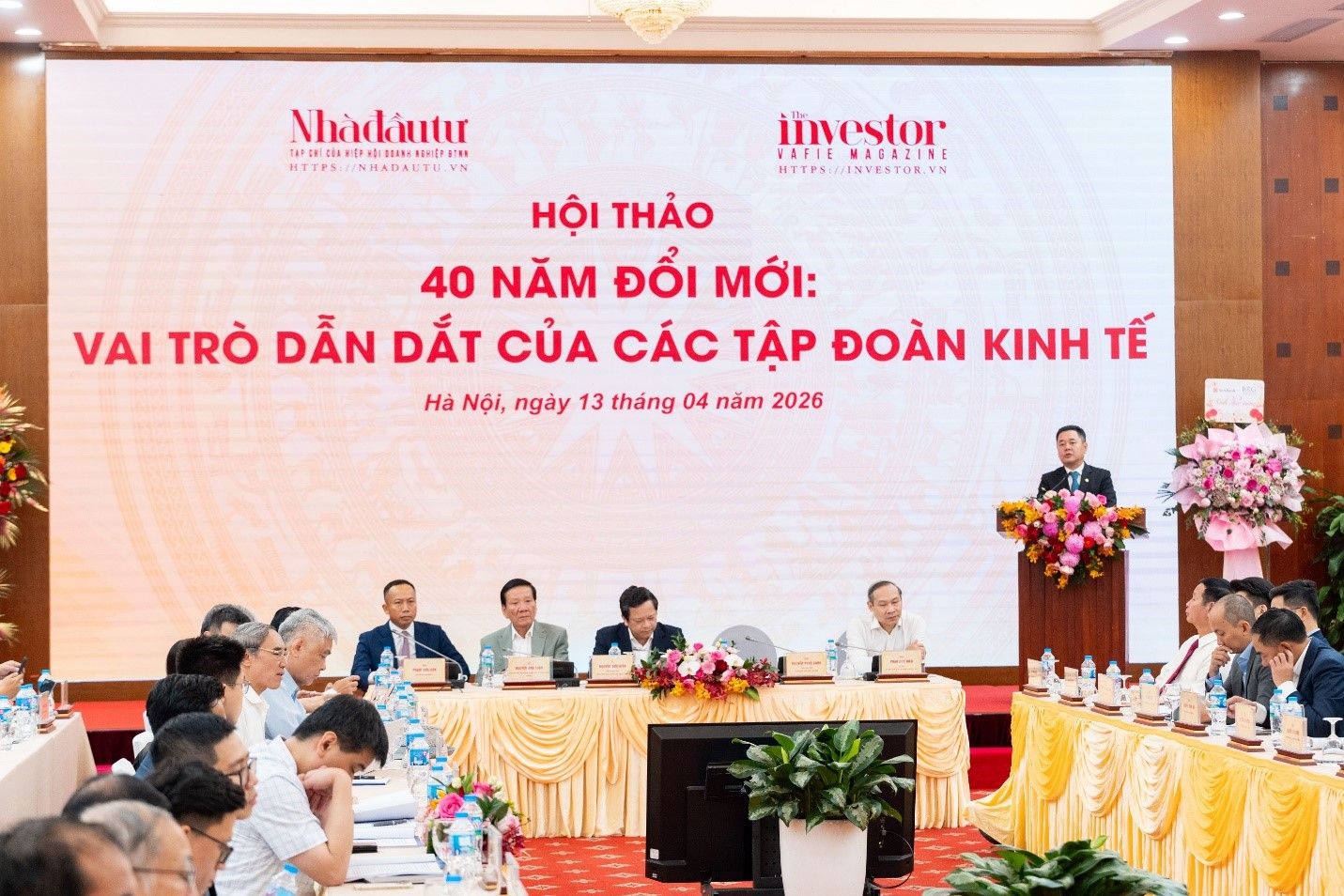
Shifts in global competition are placing new demands on Vietnamese corporations. Rather than merely expanding in scale, businesses need to act as core drivers in organizing and upgrading supply chains, thereby generating spillover effects and strengthening the foundation for sustainable growth.
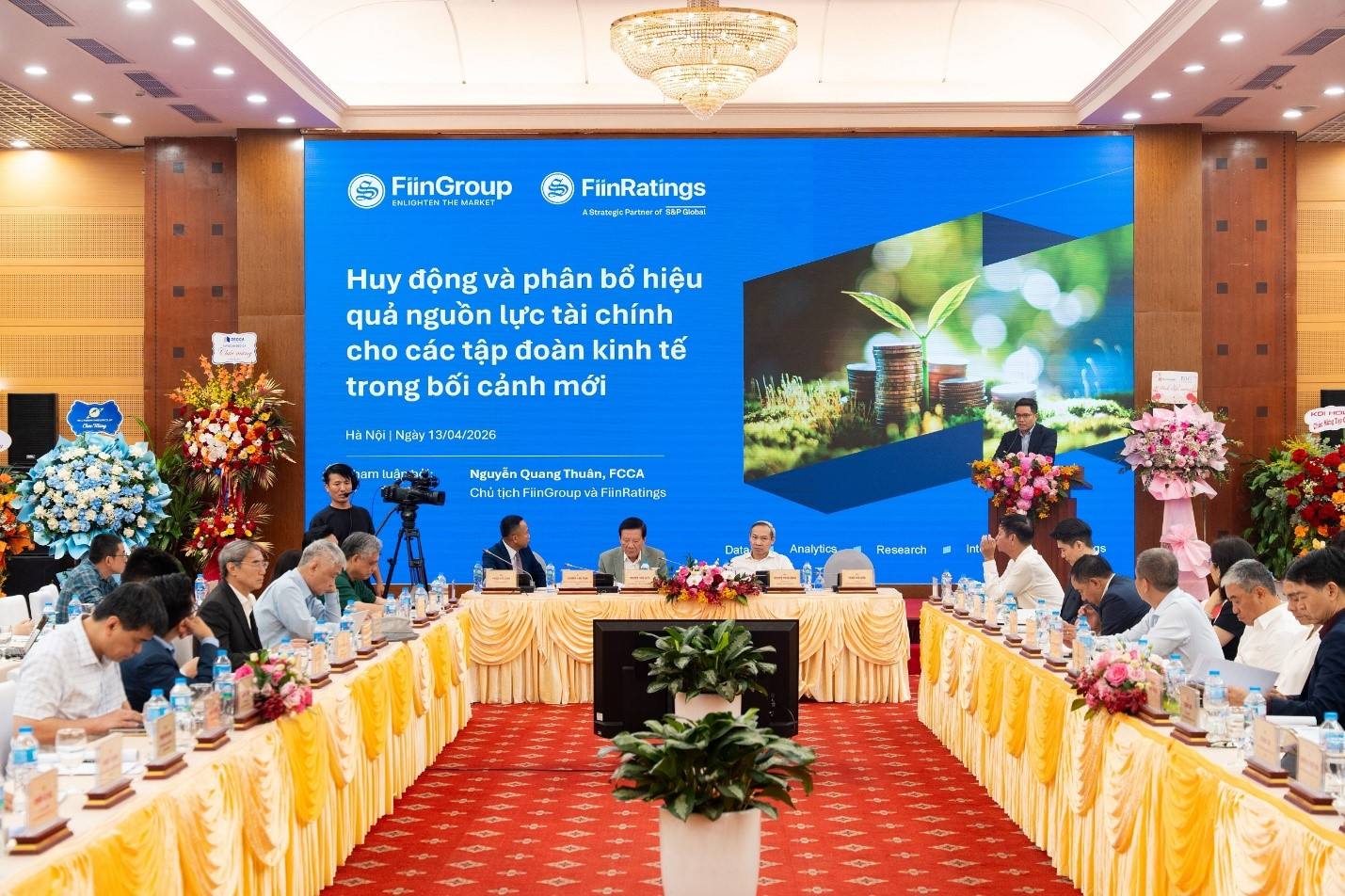
At the seminar “40 Years of Reform: The Leading Role of Economic Groups,” organized by The Investor Magazine, experts emphasized that the focus is no longer on rapid growth, but on sustainable growth built on internal capacity and the ability to diffuse value across the economy.
Experts said Vietnam’s growth model, long driven by low-cost labor and foreign direct investment, is showing signs of reaching its limits.
Against a backdrop of global economic uncertainty, the challenge now is to develop strong domestic corporations capable of leading the economy, not only in scale but also in building ecosystems and moving up the value chain.
Experts said the development of Vietnamese corporations must go hand in hand with strengthening domestic capabilities. While foreign direct investment plays a key role in exports and manufacturing, its spillover effects on local enterprises remain limited. This underscores the need for strong domestic corporations capable of acting as “core hubs” to connect and upgrade Vietnam’s business ecosystem.
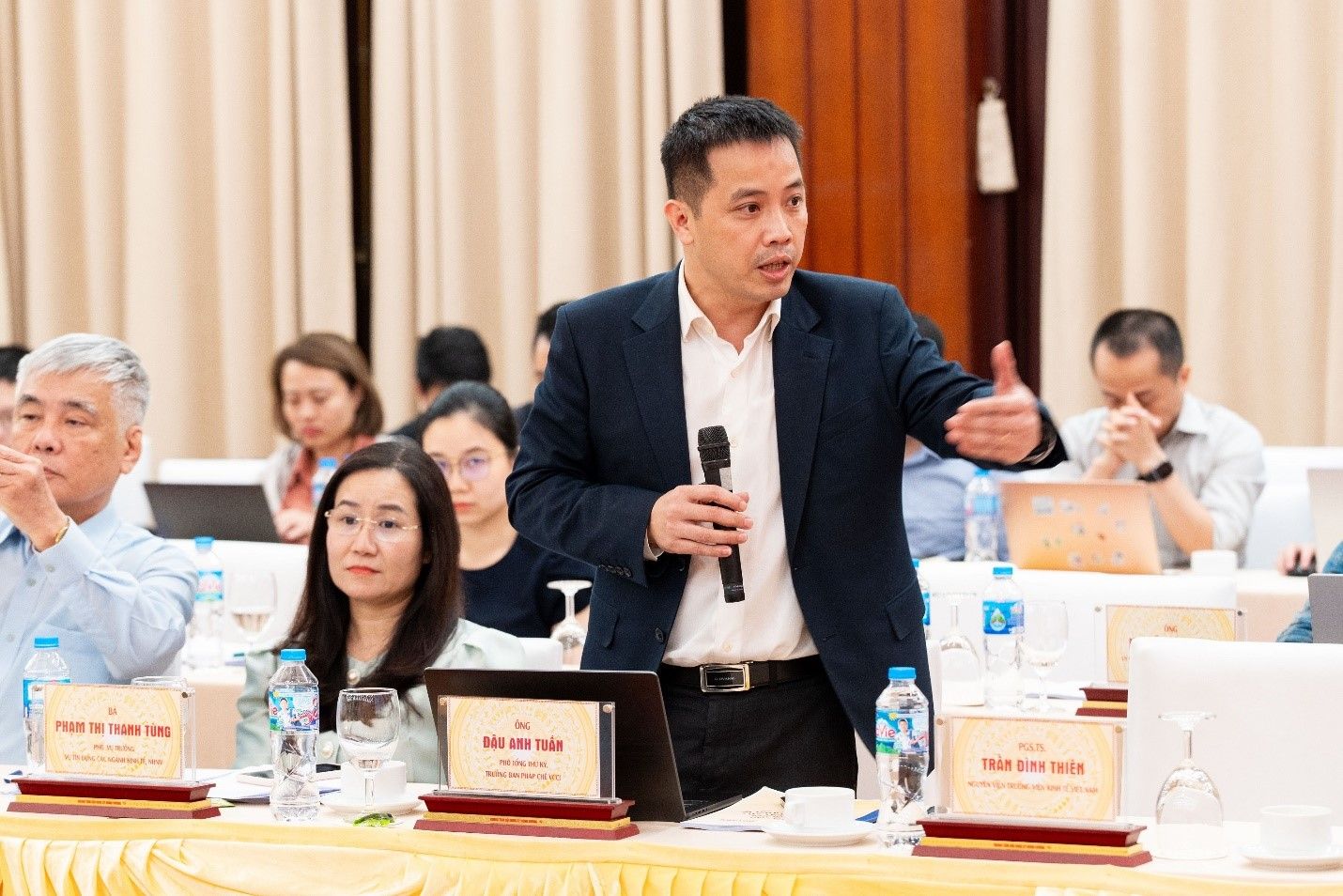
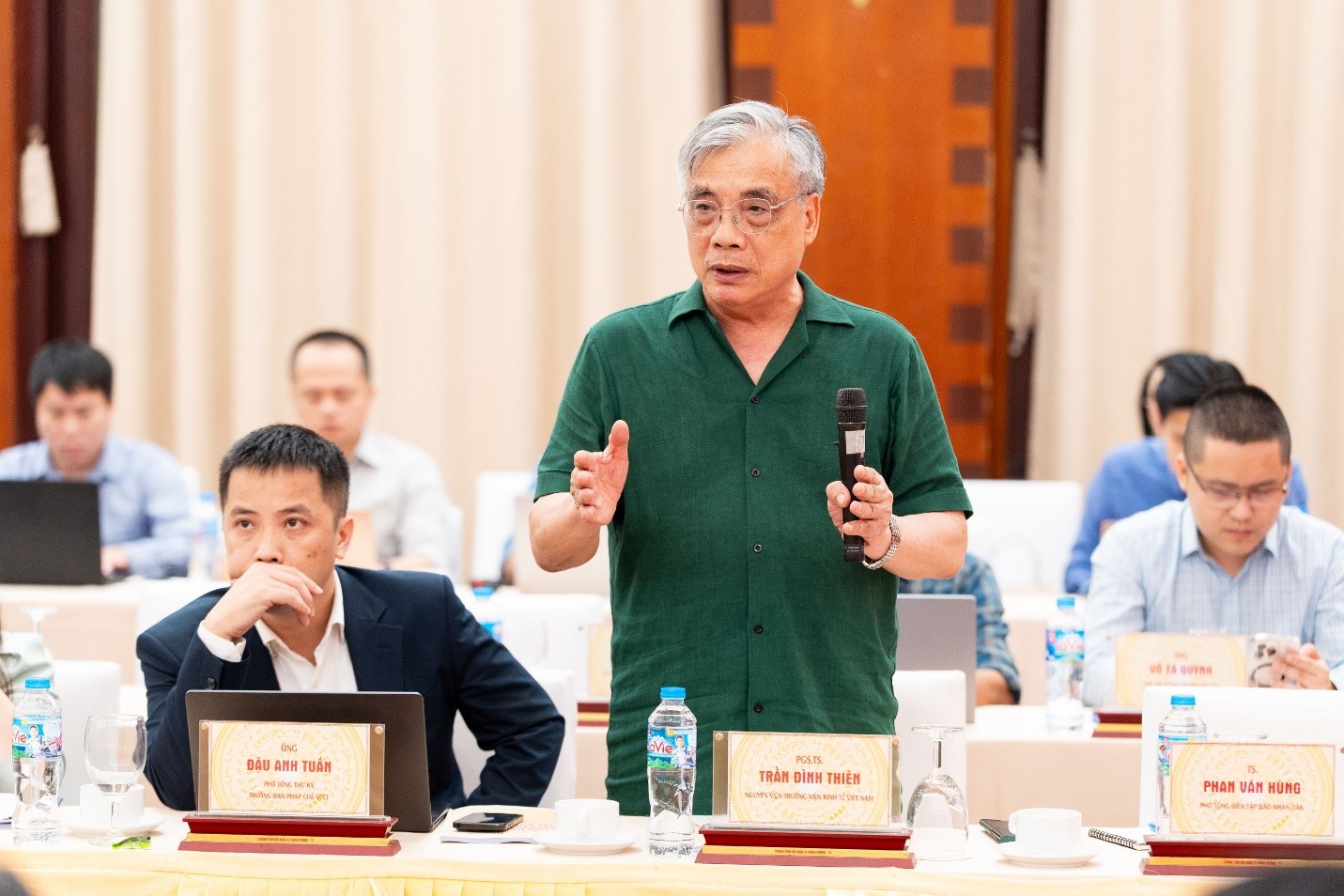
Some experts also emphasized that in the coming period, competition will no longer take place between individual firms, but between supply chains and ecosystems. As a result, if Vietnamese businesses do not integrate more deeply into value chains, especially in higher value-added segments, it will be difficult to enhance national competitiveness.
They also highlighted the importance of strong institutions, noting that a stable, transparent and predictable policy environment, along with clear property rights and reliable contract enforcement, is essential to build market confidence and support long-term business linkages.
Against this backdrop, the priority is shifting from building large firms to developing companies that can generate wider value spillovers, a view highlighted by Nguyen Duy Hung, board member of Tan Hiep Phat Group, based on the company’s experience.
He said that the real strength of a corporation lies not in revenue, scale or budget contributions, but in its ability to build a value chain that allows the entire ecosystem to grow. A corporation only delivers meaningful impacts when it is closely aligned with national interests and capable of spreading value across the supply chain, from raw material regions and suppliers to distribution networks.
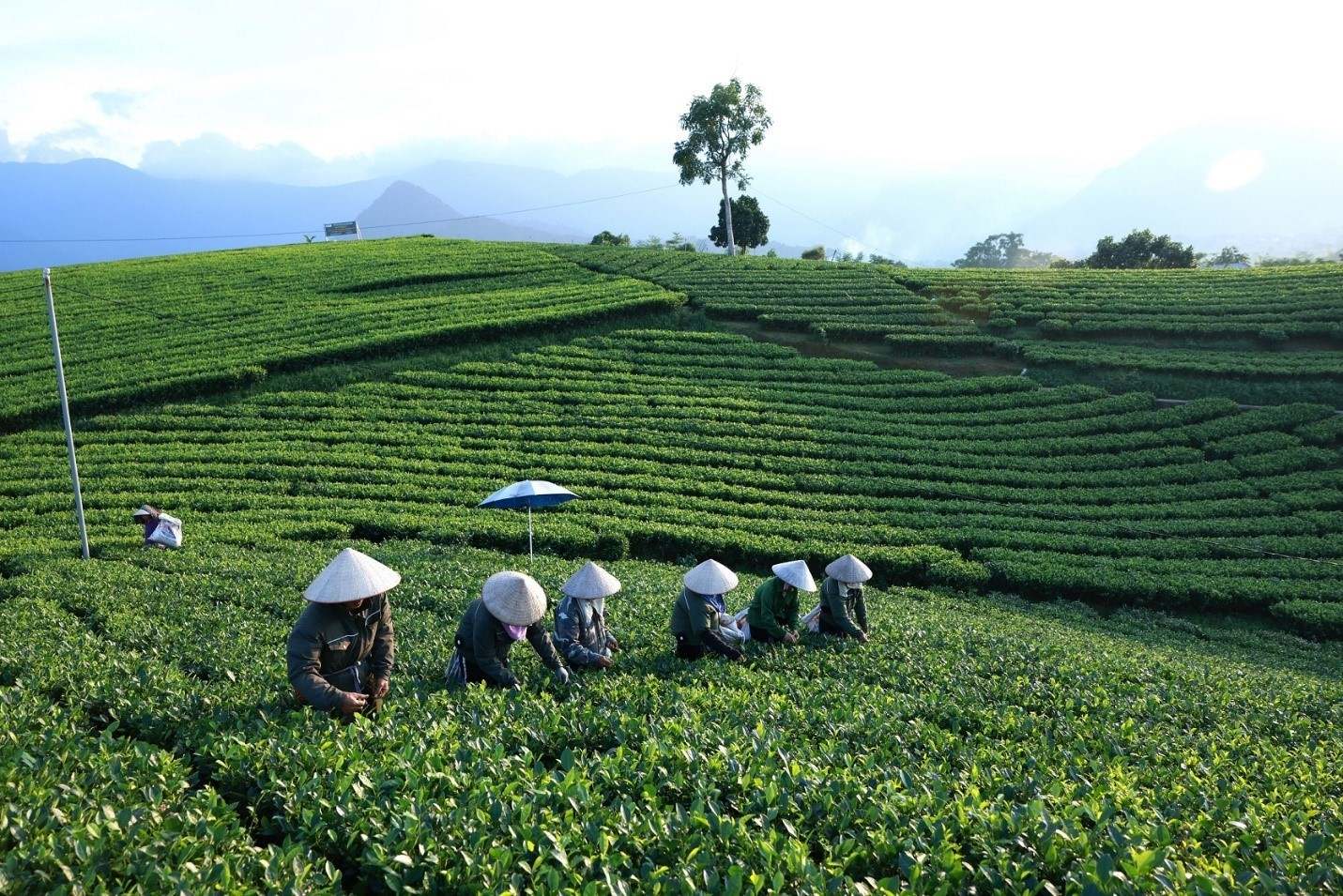
At Tan Hiep Phat, this development model goes beyond production or market expansion to cover the entire value chain, from tea growers and raw material collectors to suppliers, logistics providers and distribution networks. Around 60-70% of the company’s revenue is spent domestically, helping create stable employment for nearly 4,000 direct workers and tens of thousands of indirect jobs. This not only supports business performance but also retains value within the economy and strengthens national capacity.
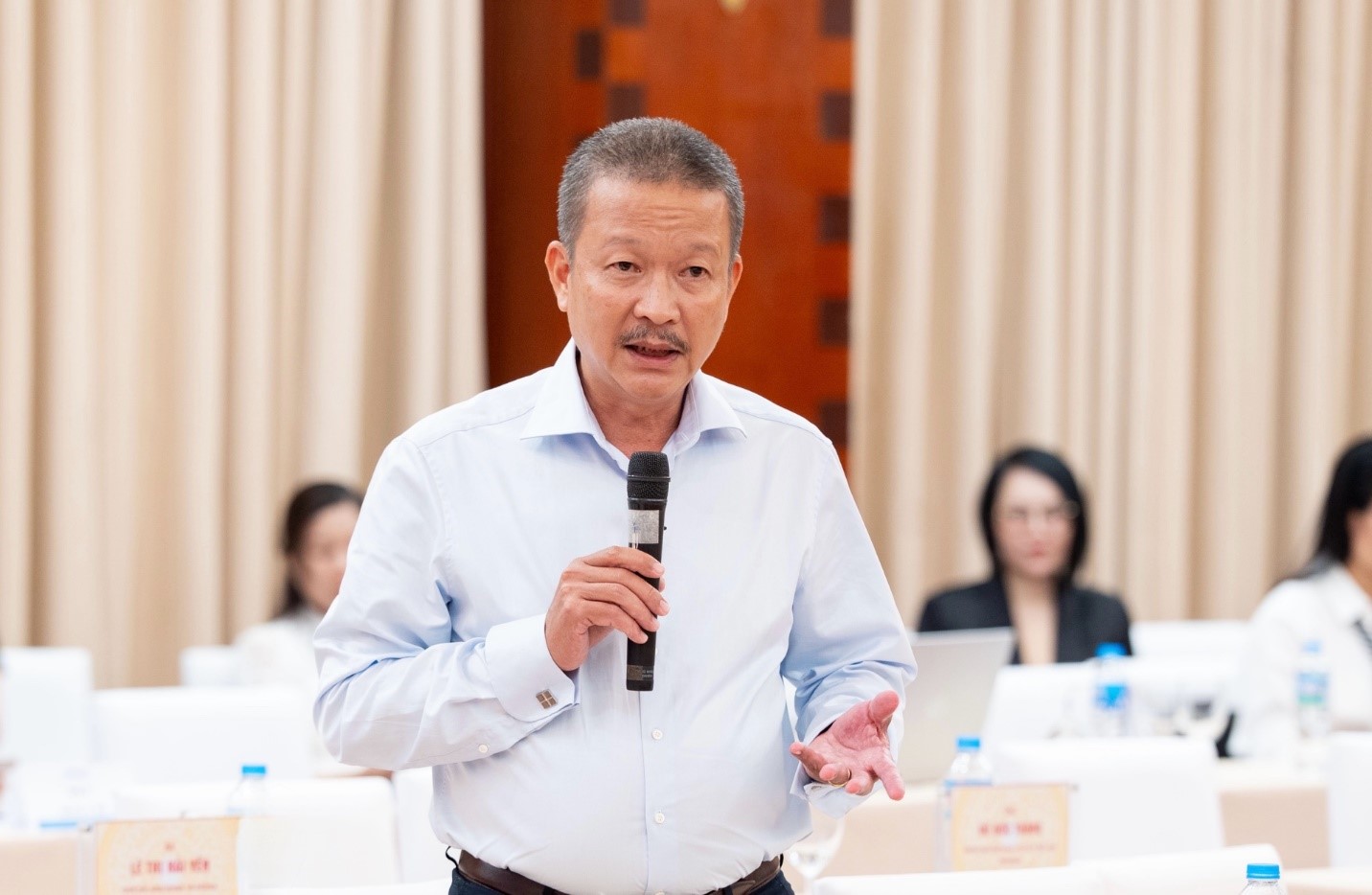
According to Hung, the foundation of a sustainable supply chain lies less in technology or scale than in how value is shared. To retain farmers and ensure long-term commitment from suppliers, logistics providers and distributors, businesses must uphold win-win principles and remain loyal to their partners.
In other words, a corporation should not be measured by its own size, but by the scale of the ecosystem it creates.
“The only way is to share enough value added to keep all parties committed over the long term,” he stressed.
In fact, most linkages remain short-term, often based on annual contracts or individual shipments, making it difficult for businesses to build long-term strategies across the value chain.
The reasons lie not only in market volatility but also in a lack of trust among stakeholders. Without strong trust, long-term commitments are hard to establish, and supply chains struggle to achieve the level of sustainability required.
From a private sector perspective, Hung said what matters is not being told what to do, but having the freedom and confidence to invest for the long term.
For many years, Tan Hiep Phat has pursued a strategy of continuous reinvestment using retained earnings to upgrade production capacity and enhance competitiveness. He said that what businesses need most is a stable and predictable environment to confidently reinvest, move up the value chain and expand into international markets.
This aligns with the view of many experts at the seminar, who said the Government’s role in the next phase should shift from “doing on behalf” to “guiding” by setting transparent rules, ensuring consistent enforcement and creating conditions for businesses to fully realize their potential.
In particular, strong enforcement of contracts and protection of property rights are seen as the foundation for building market trust. Only when commitments are respected and enforced can businesses form long-term partnerships and develop supply chains strong enough to compete on a global scale.
In the long run, building large corporations is not just a business challenge but an economy-wide one. Size alone is not enough if it fails to generate broader spillovers, as firms that do not bring supporting enterprises along will have only a limited impact on the economy.
By contrast, corporations that share value, build trust and develop strong ecosystems can become key growth drivers, helping to enhance national competitiveness.
As Vietnam enters a new stage of development, where the goal is not only growth but also a stronger global standing, expectations for businesses are shifting. The focus is no longer on growing fast, but on growing sustainably and responsibly.
In that context, as Nguyen Duy Hung said, success depends not only on capital or scale, but on the ability to build trust, distribute value fairly and bring the entire supply chain forward. If 40 years ago the Reform was about survival, today the challenge is to pursue growth that leaves no one behind.
Ultimately, a corporation’s strength is defined not by how high it rises, but by how many others it enables to rise with it.